DbcultAccessing Vault...
5.5/10
Senior Film Conservator
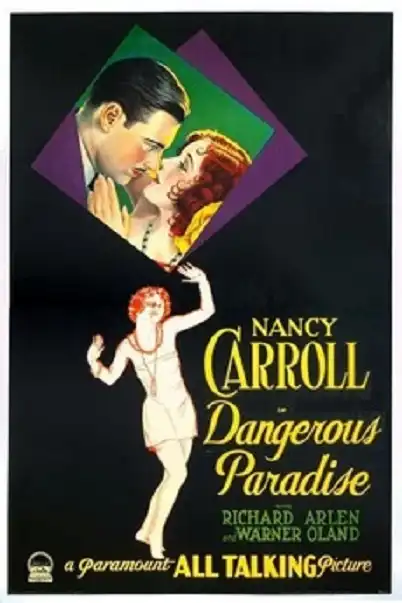
A definitive 5.5/10 rating for a film that redefined the boundaries of cult cinema. Dangerous Paradise remains a cornerstone of transgressive art.
So, you’re curious about Dangerous Paradise? Look, if you’re a fan of early talkies, especially those trying to adapt big literary works, this one’s worth a look. Folks who like stories about isolated people and unexpected guests will probably dig it. But if you need snappy dialogue and action that moves like a modern blockbuster, you’ll likely find it a bit slow. This isn't for everyone, but it has its moments.
The whole thing kicks off with Heyst, our main guy, played by Richard Arlen. He’s this Swedish recluse who lives on an island nobody else really bothers with. He’s got his own little setup, away from the world. It’s a classic setup for trouble, right?
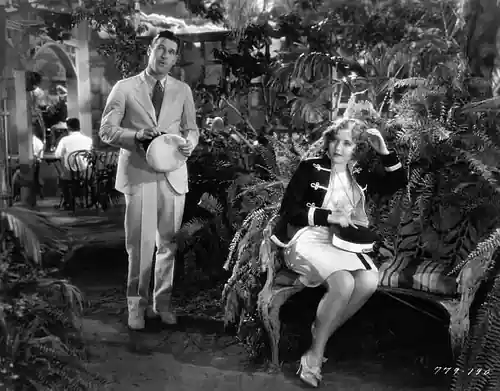
Then comes Alma (Nancy Carroll), a singer stuck in a bad spot. Heyst, being a decent sort, brings her to his island. This immediately changes everything. You can feel his solitude cracking. Carroll does a good job of looking totally out of place but also a bit hopeful on that wild island. Her red hair really stands out against all the green.
The film is based on Joseph Conrad’s novel Victory, which is a pretty heavy source material. You can almost feel the weight of it in some of the longer, quieter shots of the island. It’s trying to capture that Conrad mood.

Things get properly tense when a truly nasty bunch shows up. There’s Mr. Jones (Warner Oland), who just radiates menace, and his creepy sidekicks, Ricardo (Stanley Fields) and Pedro. Oland, as Jones, has this unsettling calm about him. It’s really effective. He just *looks* like trouble.
Ricardo, played by Stanley Fields, is a whole other kind of bad. He’s got this intense stare, a real snake-like vibe. There's a scene where he’s just watching Alma, and it’s genuinely uncomfortable. You just want him off the island, like, yesterday. 😬
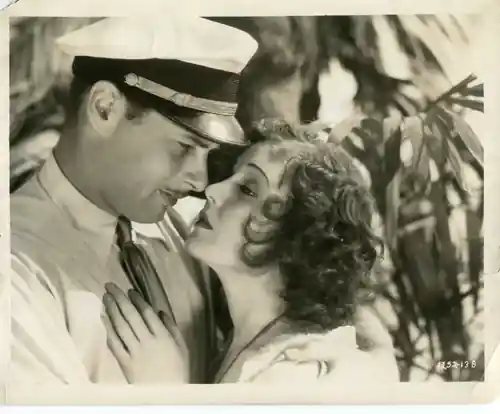
The acting styles here are very much of their time. Some of the dialogue feels a bit... performed, you know? But Arlen and Carroll manage to ground their characters. You feel for Alma, stuck between this reclusive man and these genuinely terrifying visitors. Her desperation feels real.
One odd bit is the character of Mrs. Wong Wing. She’s Heyst’s cook. Her scenes feel a little out of place sometimes, almost like comic relief that doesn't quite land. It's a snapshot of how films handled certain characters back then, I guess.

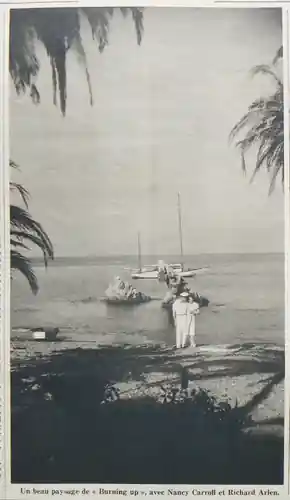
The island itself becomes a character. It's beautiful but also isolating, making the arrival of the villains feel even more intrusive. The jungle sounds are always there, a bit too loud sometimes, adding to the atmosphere. It’s a constant hum.
There are a few moments that really stick with you:
The pacing can be a bit slow, especially in the middle. You spend a good chunk of time just waiting for the bad guys to really make their move. But when they do, it feels earned. The tension builds pretty steadily, even if it takes its sweet time getting there.
The final confrontation is a bit messy, in a good way. It doesn't feel overly choreographed. It's more like a desperate scramble. You can almost feel the humidity and the desperation. It’s not a clean fight at all.
Is it perfect? Nah. It's got those early talkie quirks, some slightly over-the-top acting, and a story that takes its sweet time. But for what it is, a 1930 adaptation of a classic novel, it’s got a surprising amount of punch. It makes you think about how solitude can be shattered. And that red hair!
IMDb —
1920
Community
Log in to comment.