DbcultAccessing Vault...
Cult Review
Senior Film Conservator
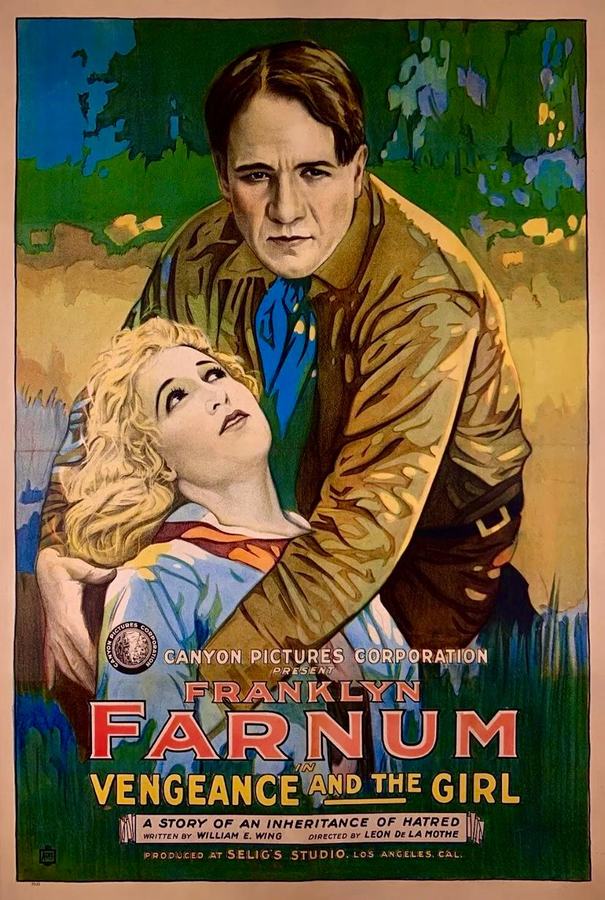
In the annals of early cinema, where the nascent art form was still finding its voice amidst the flickering shadows and grand gestures of the silent era, certain films emerged not just as entertainment, but as compelling blueprints for narrative archetypes that would echo through decades. "Vengeance and the Girl" stands as one such foundational piece, a visceral exploration of frontier justice, personal retribution, and the redemptive power of an unexpected connection. Released during a period of prolific cinematic output, this picture, penned by the prolific William E. Wing, delves into the harsh realities of a world where law was often a distant whisper, and justice, a self-wrought endeavor. It's a film that, despite its age, resonates with a raw, timeless energy, inviting contemporary audiences to consider the fundamental human drives that underpin its dramatic thrust.
The narrative spine of "Vengeance and the Girl" is, at its core, a classical quest for retribution, yet it's imbued with nuances that elevate it beyond mere genre fare. Our protagonist, Clay Hardin, embodied with stoic resolve by Buck Jones, is not merely a cowboy seeking revenge; he is a man whose inherent decency is shattered by an act of profound cruelty. The film meticulously establishes his peaceful existence, a pastoral idyll abruptly desecrated by the ruthless Silas Kincaid, an archetypal land baron whose avarice knows no bounds. Kincaid, portrayed with a chilling blend of calculated menace and feigned respectability, orchestrates the brutal murder of Clay's younger brother, a pivotal event that transforms Clay from a quiet rancher into an instrument of vengeance. This transformation isn't instantaneous; Wing's screenplay allows for a palpable sense of internal struggle, showcasing the weight of the decision and the moral compromises inherent in such a path.
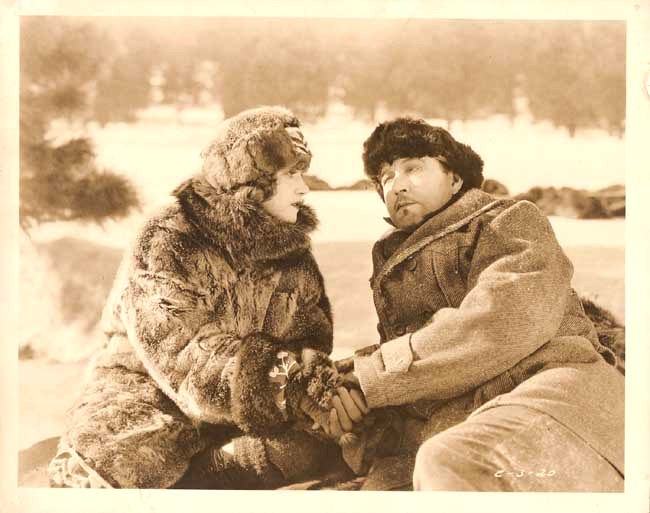
As Clay embarks upon his relentless pursuit, the film masterfully crafts an atmosphere of pervasive danger and moral ambiguity. The dusty trails and isolated settlements he traverses are not just scenic backdrops but characters in themselves, reflecting the lawlessness and desperation of the era. It is in this crucible that he encounters Lily Thorne, played with captivating complexity by Louella Maxam. Lily is not a damsel in distress in the conventional sense; she is a woman entangled in Kincaid’s web, her circumstances dictating a precarious existence. Maxam infuses Lily with a subtle strength, a resilience born of necessity rather than overt defiance. Initially, their interactions are marked by suspicion, a dance of veiled intentions and guarded truths. Clay, blinded by his singular purpose, struggles to discern her true allegiances, while Lily, wary of all strangers, particularly those who challenge Kincaid's authority, views him with a mixture of fear and reluctant curiosity. This dynamic creates a compelling tension, a slow burn of burgeoning trust that is far more engaging than a simplistic hero-saves-heroine trope.
The success of "Vengeance and the Girl" hinges significantly on the caliber of its cast, each member contributing a vital thread to the film's rich tapestry. Buck Jones, a name synonymous with early Westerns, delivers a performance that is both understated and profoundly impactful. His Clay Hardin is a man of few words, his emotions conveyed through piercing gazes and deliberate actions. Jones possessed an inherent authenticity that transcended the often-theatrical conventions of silent film acting. He makes Clay's journey of vengeance feel earned, not merely a plot device, but a genuine consequence of profound loss. His physical prowess is evident in the film's action sequences, lending credibility to the numerous brawls and chases that punctuate the narrative. It’s a performance that solidifies his status as a leading man of his generation, capable of conveying both rugged determination and a simmering vulnerability.
Louella Maxam, in her portrayal of Lily Thorne, provides the emotional counterpoint to Jones's stoicism. Her character's journey from a figure of ambiguous morality to a courageous ally is rendered with admirable depth. Maxam's expressive eyes and subtle gestures communicate Lily's internal turmoil – her fear of Kincaid, her growing awareness of his villainy, and her eventual decision to align with Clay. It's a nuanced performance that avoids easy categorization, presenting Lily as a survivor rather than a victim. The chemistry between Maxam and Jones, though often understated, is palpable, developing organically from mutual suspicion to a shared sense of purpose and, ultimately, affection. This gradual unfolding of their relationship is one of the film's most compelling aspects, adding layers of emotional resonance to the otherwise action-driven plot.
The antagonists are equally well-etched. Vester Pegg, often cast as a heavy, delivers a memorable turn as Rance, Kincaid's brutal enforcer. Pegg imbues Rance with a sneering cruelty that makes him a truly loathsome figure, a perfect foil for Clay's honorable quest. His physical presence and menacing demeanor contribute significantly to the film's tension. Similarly, Bud Osborne, another stalwart of early Westerns, provides solid support as one of Kincaid's cronies, his grizzled appearance and rough-hewn mannerisms adding to the authenticity of the frontier setting. Even in smaller roles, these actors understood the language of silent film, using their bodies and facial expressions to convey complex emotions and intentions without a single spoken word. Franklyn Farnum, often a prolific character actor, likely played a pivotal supporting role, perhaps as a corrupt official or a double-crossing informant, his presence adding another layer of intrigue to the unfolding drama. Each performance, from the leads to the supporting cast, feels integral, demonstrating a collective commitment to the narrative's emotional truth.
The screenplay by William E. Wing is a masterclass in silent film narrative construction. Wing understood the power of visual storytelling, crafting a script rich in dramatic situations and character-defining moments that could be conveyed without dialogue. His plotting is intricate yet never convoluted, allowing the audience to follow Clay's convoluted journey through betrayals, close calls, and moral quandaries with clarity. The pacing is deliberate, building suspense gradually, punctuated by bursts of intense action. Wing's genius lies in his ability to imbue conventional genre tropes with genuine emotional weight. The vengeance isn't just a plot device; it's a deeply personal odyssey of grief and a yearning for justice. The romance isn't merely tacked on; it develops organically from shared adversity and mutual respect.
Wing's characterizations, even within the confines of silent film's broader strokes, are remarkably well-defined. Clay's unwavering moral compass, Lily's resilient spirit, and Kincaid's insidious villainy are all clearly articulated through their actions and reactions. The themes he explores—the corrupting influence of greed, the arduous path to justice, the unexpected blossoming of human connection amidst desolation—are universal and enduring. His work here can be seen as a precursor to many later Westerns and action dramas, establishing narrative patterns that would be refined but rarely fundamentally altered. The emotional stakes are consistently high, ensuring that the audience remains invested in the fate of the characters.
To fully appreciate "Vengeance and the Girl," one must place it within its historical context. The film emerged during a vibrant period of cinematic experimentation and audience expansion. While perhaps not possessing the grand scale of an epic like Betsy Ross, which aimed for historical grandeur, "Vengeance and the Girl" instead focused on a more intimate, yet equally powerful, human drama. It shares thematic DNA with other films of the era that explored the darker facets of human nature and societal struggles. For instance, the exploration of desperation and survival echoes in films like The Fear of Poverty, albeit through a different lens of social commentary. The raw emotionality and moral ambiguities present here can also be glimpsed in the intense character studies found in contemporary dramas.
The film's depiction of a woman navigating a perilous world, while still somewhat constrained by the era's conventions, offers a glimpse into evolving female roles, perhaps drawing a subtle parallel to the complex female protagonists seen in films like Virtuous Wives, which explored societal expectations placed upon women. However, Lily's agency, particularly in the latter half of the film, marks her as more than a passive observer. Her active participation in Clay's quest, her willingness to risk everything, sets her apart. This film, in many ways, prefigures the strong female characters who would become more prominent in later Westerns and adventure films.
The relentless pursuit of justice, often outside the bounds of official law, is a recurring motif in cinema, and "Vengeance and the Girl" presents one of its more compelling early iterations. This theme, of a lone individual battling systemic corruption or overwhelming odds, finds echoes in diverse cinematic landscapes, from the passionate pursuit of truth in La perla del cinema (though perhaps in a more romanticized setting) to the grim determination of characters in adventure tales like The Sea Panther. The inherent danger and moral tightropes walked by its protagonist could also be loosely compared to the desperate circumstances of individuals in films like Escaped from Siberia, where survival and freedom are paramount.
Furthermore, the film's exploration of internal torment and obsession, though externalized through action, bears a kinship with the psychological struggles depicted in films like The Craving, albeit without the overt supernatural or addiction elements. Clay's singular focus on revenge, while righteous, consumes him, presenting a nuanced portrayal of a character teetering on the edge of becoming what he despises. This complexity elevates the narrative beyond simple good-versus-evil dichotomies, inviting viewers to consider the psychological toll of such a quest.
The film’s overall production, while perhaps not boasting the lavish sets of larger studio productions, makes excellent use of its locations, immersing the audience in the rugged beauty and unforgiving nature of the frontier. The direction, though uncredited in the prompt, effectively guides the audience through the emotional beats and action sequences. The use of intertitles, a hallmark of silent cinema, is judicious, providing necessary exposition without interrupting the flow of visual storytelling. While not a lighthearted romp like Her First Kiss or a domestic drama akin to Please Get Married, "Vengeance and the Girl" carved its own niche as a robust, no-nonsense action-drama. Its unflinching look at retribution, coupled with a budding romance, ensures its place as a significant entry in the genre.
The film’s influence on subsequent Westerns is undeniable. The template of the wronged hero, the manipulative villain, and the spirited woman caught in the middle became a recurring motif. Even seemingly disparate narratives, such as the political intrigue of Alemdar Mustafa Pasa or the social commentary of A Little Brother of the Rich (1919), share with "Vengeance and the Girl" an underlying commitment to exploring societal imbalances and individual struggles against larger forces. The film doesn't shy away from depicting the brutal consequences of lawlessness, yet it ultimately champions the human capacity for justice and connection.
In its final act, the film delivers a satisfying, albeit hard-won, resolution. The climactic confrontation at Kincaid’s stronghold is a masterclass in silent film action, combining elements of suspense, physical combat, and dramatic revelation. Lily's courageous intervention solidifies her role as an active participant in her own destiny and Clay's salvation, rather than a mere bystander. The denouement, while concluding the immediate conflict, leaves the audience with a sense of hopeful possibility for the future of Clay and Lily, their bond forged in the crucible of shared adversity. It's a powerful statement on how even in the darkest of times, human connection can pave the way for healing and new beginnings.
Looking back, "Vengeance and the Girl" serves as more than just a historical artifact; it is a vibrant testament to the storytelling prowess of early Hollywood. It demonstrates that even without the benefit of sound or advanced special effects, a compelling narrative, strong performances, and thoughtful thematic exploration can create a cinematic experience that transcends time. It’s a film that reminds us of the enduring appeal of classic archetypes—the lone avenger, the spirited heroine, the ruthless villain—and how, in the hands of skilled filmmakers like William E. Wing and a dedicated cast, these archetypes can be brought to vivid, unforgettable life. It’s an essential watch for anyone interested in the foundational elements of the Western genre and early American cinema, offering both historical insight and genuine entertainment value. Its influence, subtle yet pervasive, can be traced through countless films that followed, making it a quiet, powerful cornerstone of cinematic heritage.
IMDb 5.5
1928
Community
Log in to comment.