DbcultAccessing Vault...
7.5/10
Senior Film Conservator
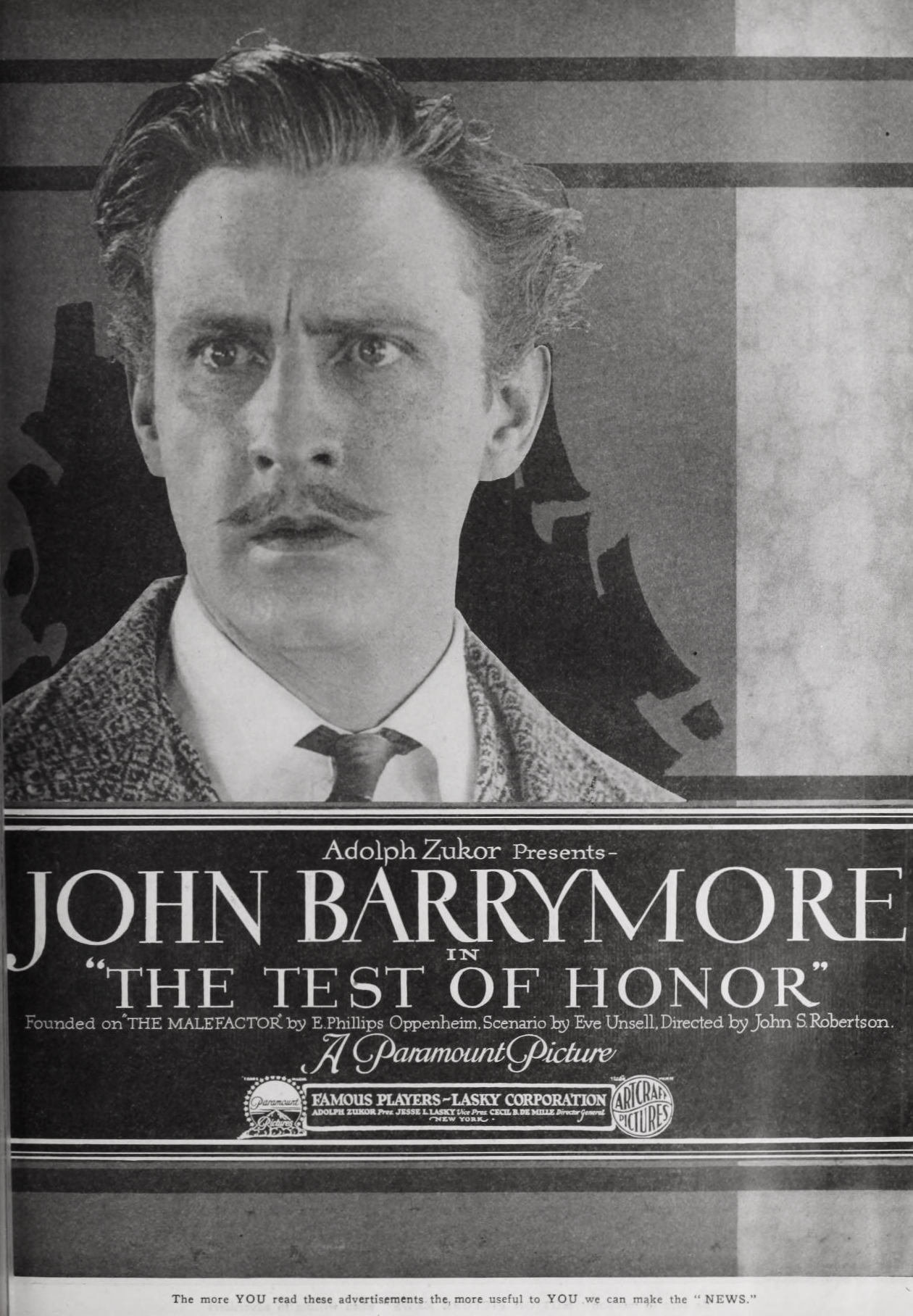
A definitive 7.5/10 rating for a film that redefined the boundaries of cult cinema. The Test of Honor remains a cornerstone of transgressive art.
In the grand tapestry of early cinematic drama, there are films that, despite the passage of time, retain an undeniable emotional resonance, a raw power that transcends the technological limitations of their era. The Test of Honor, a 1919 silent masterpiece, stands as a stark testament to this enduring capability. It's not merely a historical artifact, but a pulsating narrative of profound injustice and the relentless, often morally ambiguous, pursuit of retribution. This film, born from the creative synergy of E. Phillips Oppenheim's intricate narrative and Eve Unsell's astute adaptation, plunges its audience into the psychological torment of a man wronged, setting the stage for a dramatic unraveling of lives intertwined by betrayal.
At its core, The Test of Honor grapples with a primal human impulse: the desire for justice when the system fails. Our protagonist, a man of erstwhile good standing, is cruelly stripped of his freedom and reputation, cast into the unforgiving maw of the penal system for a transgression he did not commit. This initial act of profound betrayal serves as the crucible, forging a new identity for him – one defined by suffering, resilience, and an unquenchable thirst for equilibrium. The film meticulously charts his agonizing journey through imprisonment, not just as a physical confinement, but as a spiritual and psychological crucible that hardens his resolve and sharpens his focus on the architects of his downfall. It’s a narrative that, even a century later, still strikes a chord, echoing the timeless struggle against systemic unfairness and personal perfidy.
The magnetic force drawing audiences into this tale is, without question, the inimitable John Barrymore. His performance here is nothing short of a revelation, a masterclass in the nuanced art of silent acting. Barrymore, with his striking features and profound expressive capabilities, conveys a universe of suffering and resolve through subtle shifts in his gaze, the clenching of his jaw, and the deliberate economy of his gestures. We witness his character's descent into despair, his quiet endurance, and then the chilling, almost clinical, determination that follows his release. It's a performance that doesn't merely tell the story but embodies the very essence of human resilience and the corrosive power of a grievance left unaddressed.
Barrymore’s ability to communicate complex inner states without a single spoken word is particularly noteworthy. He eschews theatrical histrionics for a more internalised, yet equally potent, portrayal. The audience feels the weight of his false imprisonment, the gnawing injustice, and the slow-burning fire of his vengeful intent. His transformation from an innocent man to a calculating agent of his own justice is rendered with such compelling authenticity that it's impossible not to be drawn into his plight. This is the kind of performance that elevates a solid narrative to an unforgettable cinematic experience, cementing Barrymore's status as one of the era's preeminent dramatic actors. His physical presence, often framed in stark, dramatic lighting, becomes a canvas for the tumultuous emotions raging within his character.
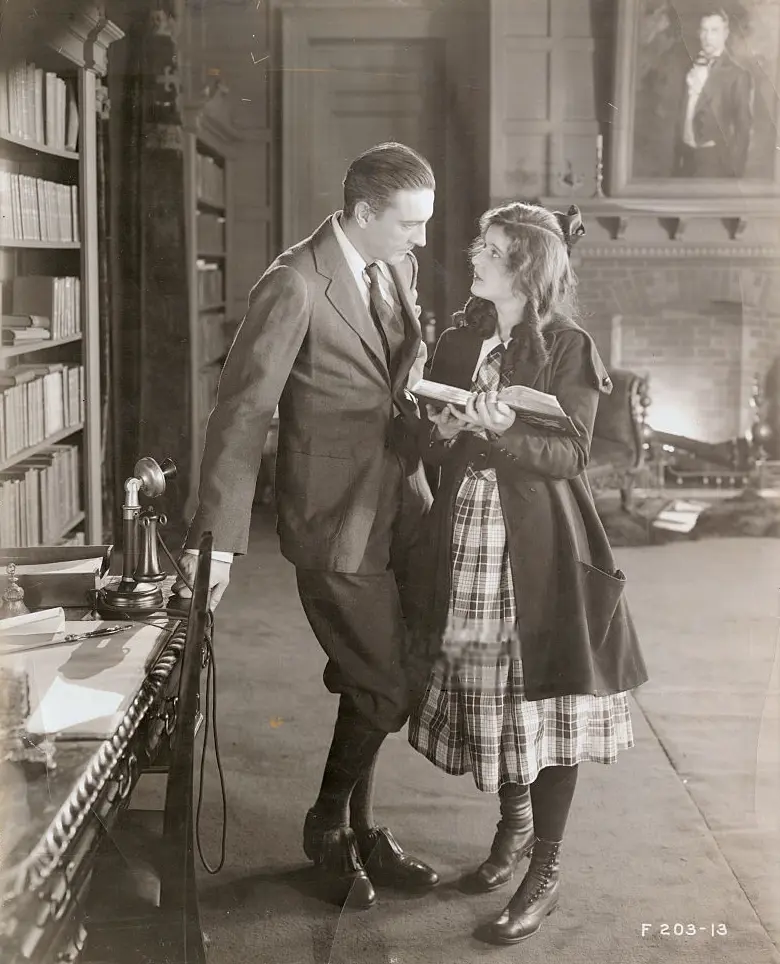
While Barrymore anchors the film, the supporting cast provides crucial texture and depth. Constance Binney, for instance, brings a delicate vulnerability to her role, her character often caught in the crosscurrents of loyalty and circumstance. Her presence offers a vital counterpoint to the protagonist's darker journey, hinting at the possibility of redemption or, at the very least, a moral compass in a world spiraling towards reprisal. Jack W. Johnston and Robert Schable, portraying the architects of the protagonist’s misery, excel in their roles as the antagonists. They manage to convey a convincing blend of avarice and callousness, essential for justifying the protagonist's extreme measures. Alma Aiken, Marcia Manon, and Fred Miller, along with the notable contributions of Bigelow Cooper, Ned Hay, and Louis Wolheim, collectively weave a believable societal fabric against which the central drama unfolds. Each performance, whether grand or subtle, contributes to the film's overall emotional landscape, ensuring that the stakes feel perpetually high and the consequences tangible. The collective synergy of these performers underscores the film's success in creating a believable world fraught with peril and moral quandaries.
The directorial hand guiding The Test of Honor demonstrates a keen understanding of silent film's unique demands. The visual storytelling is paramount, with careful attention paid to composition, lighting, and the pacing of scenes. Intertitles, far from being mere expository interruptions, are crafted to enhance the dramatic tension, providing glimpses into character thoughts or advancing the plot with impactful brevity. The adaptation of E. Phillips Oppenheim's work by Eve Unsell is particularly commendable. Oppenheim was a master of intricate plots and suspense, and Unsell successfully translates this complexity into a visual medium, distilling the narrative to its most potent elements without sacrificing its depth. The film's structure, moving from initial injustice to simmering revenge and then to the climactic confrontation, feels organic and compelling, a testament to thoughtful screenwriting.
The choice of shots, from wide establishing scenes that contextualize the action to intimate close-ups that magnify a character's internal struggle, is consistently effective. The visual language speaks volumes, allowing the audience to infer emotional states and plot developments without dialogue. This mastery of visual narrative is a hallmark of the silent era's finest works, and The Test of Honor certainly belongs in that esteemed company. The film's ability to maintain a taut atmosphere of suspense and impending confrontation throughout its runtime speaks volumes about the directorial vision and the clarity of the adapted screenplay. It demonstrates a sophisticated understanding of how to build and release tension, a crucial ingredient for any compelling drama.
Placing The Test of Honor within its historical context reveals much about the burgeoning artistry of early 20th-century cinema. This was an era where filmmakers were still defining the language of motion pictures, experimenting with techniques that would become standard. The reliance on exaggerated expressions, dramatic gestures, and meticulously crafted intertitles was not a limitation but an art form in itself. Actors like Barrymore were pioneers, developing a unique style of performance that could convey profound emotion without the benefit of a spoken word. The film serves as an excellent example of how these early cinematic artists harnessed visual storytelling to create compelling narratives that captivated audiences worldwide. It’s a powerful reminder of the ingenuity and creativity that flourished before the advent of synchronized sound.
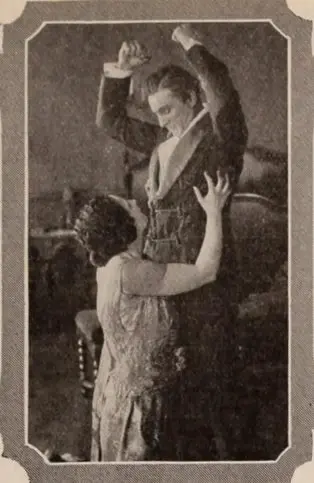
The technological constraints of the time often spurred greater artistic innovation. Without dialogue, the camera became the primary storyteller, and the actors’ bodies and faces, the primary conduits of emotion. The dramatic lighting, often high-contrast, added a theatricality that mirrored the stage origins of many early film stars, yet it was also adapted to the unique possibilities of celluloid. The editing, while perhaps not as rapid-fire as modern cinema, was deliberate and impactful, guiding the viewer's eye and shaping their understanding of the plot. Films like The Test of Honor are invaluable windows into this formative period, demonstrating the foundational principles of visual narrative that continue to influence filmmaking today. The craftsmanship involved in conveying such a complex emotional journey purely through image and music (often live accompaniment) is truly remarkable.
Beyond the thrilling plot and stellar performances, The Test of Honor delves into a profound ethical quandary: is revenge ever truly justified? The film doesn't offer easy answers. While the audience's sympathy is undeniably with the wronged protagonist, his calculated pursuit of vengeance raises uncomfortable questions about the nature of justice, forgiveness, and the cycle of retribution. Does his quest ultimately bring him peace, or does it merely perpetuate a new form of suffering, albeit one inflicted by his own hand? The film forces viewers to confront these moral ambiguities, making it more than just a simple revenge flick. It’s a psychological exploration of the corrosive effects of injustice and the potentially destructive nature of seeking personal redress outside the bounds of established law.
This thematic depth is what elevates The Test of Honor beyond mere melodrama. It invites contemplation on the human condition, the limits of endurance, and the fine line between righteous indignation and vengeful obsession. In this regard, one might draw a thematic parallel to films that explore the moral weight of difficult choices and the consequences of personal crusades. While not a direct comparison in plot, the underlying struggle against an overwhelming, often unjust, system and the individual's fight for dignity can be seen in the spirit of a film like Martyrs of the Alamo, where individuals face insurmountable odds for a perceived greater good, or perhaps even the psychological unraveling in The Port of Doom, where characters grapple with the heavy burden of their past actions and the inescapable consequences. The film suggests that even when one is undeniably wronged, the path of revenge is fraught with its own moral perils, a 'test of honor' not just for the protagonist, but for the audience's own moral compass.
Despite its age, The Test of Honor possesses an enduring quality that speaks to its timeless themes. Its exploration of injustice, betrayal, and the complex human response to profound suffering remains as relevant today as it was a century ago. The film serves as a powerful reminder of the foundational elements of dramatic storytelling, demonstrating how compelling characters and a tightly woven plot can transcend the limitations of technology. For cinephiles and casual viewers alike, it offers a fascinating glimpse into a pivotal period of cinematic history, showcasing the artistry and emotional depth achievable in the silent era.
Its legacy lies not just in its technical achievements or star power, but in its ability to provoke thought and stir emotion without the crutch of spoken dialogue. It's a film that demands active engagement from its audience, inviting them to interpret the subtle cues and fill in the unspoken narrative. In an age saturated with sound and spectacle, returning to a film like The Test of Honor is a refreshing exercise in pure visual and emotional storytelling. It stands as a testament to the universal power of narrative, a potent reminder that the human struggle for justice, honor, and redemption is a story worth telling, and retelling, across generations and through diverse artistic mediums. The film's examination of fate versus free will, and the choices individuals make under duress, could even be loosely echoed in the philosophical underpinnings of a film like A Game with Fate, albeit with different narrative trajectories. Ultimately, The Test of Honor is more than just a historical curiosity; it is a vibrant, compelling piece of cinematic art that continues to resonate with its profound human drama.
IMDb —
1935
Community
Log in to comment.