DbcultAccessing Vault...
Cult Review
Senior Film Conservator
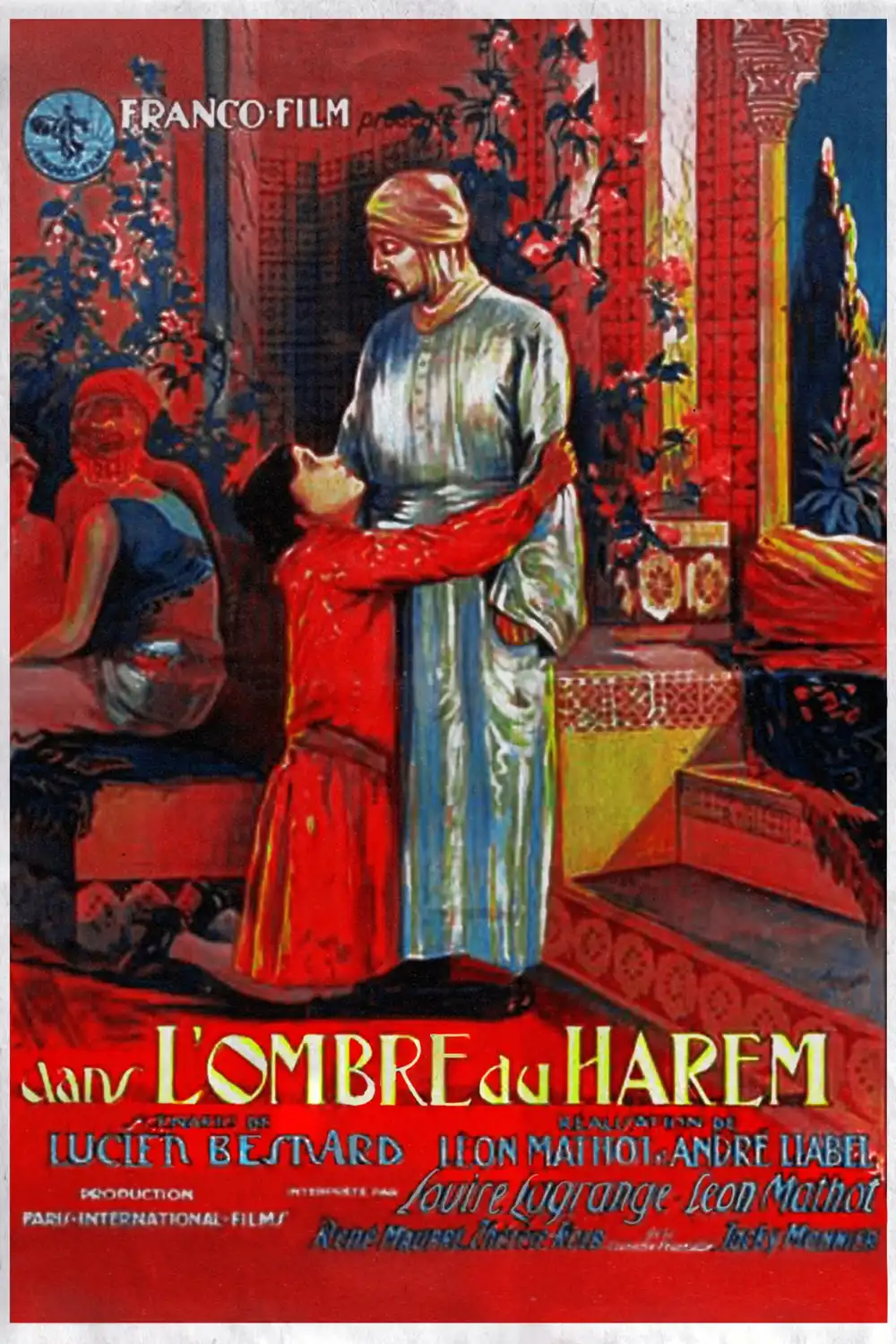
Alright, so we're talking about Dans l'ombre du harem here. If you're someone who loves diving deep into cinema history, especially those films that feel like stepping into a time capsule, then yeah, this one might be worth a look. It’s definitely not for everyone, mind you. If you need explosions, fast cuts, or complex plot twists, you'll probably find yourself rather bored. This is more for the patient viewer, the one who appreciates the quiet drama of yesteryear. 🧐
The plot, when you boil it down, is just… *so* direct. An emir gets a bee in his bonnet about some secretary. Instead of just, I don't know, firing him, he decides to snag the secretary's wife and keep her in his palace. He even calls the palace a 'trap,' which is a pretty bold move. His plan is to charm her, make her his lover, classic villain stuff, right? But then, something interesting happens.
You watch this woman, and she's not just some damsel in distress. The movie leans hard on her 'charm and nobility,' and you can feel it, especially in the way Thérèse Kolb carries herself. It's not about big speeches; it’s more in her quiet dignity, the way she holds her head. It's subtle, for a film from this era, which often went for much bigger, almost cartoonish expressions. This one keeps it a bit more grounded, visually.
The emir himself, played by Robert Mérin, starts off all menacing, you know, the big bad guy in his big bad palace. He stalks around, looking like he's got the world figured out. But the transformation he undergoes… it’s a bit fast, truth be told. One minute he's got this revenge scheme brewing, the next he's practically bowing. It’s almost like a flick of a switch. But hey, it's an old film, sometimes they just needed to get to the point. 🤷
I kept wondering what the secretary did to tick off the emir that much. Like, was it a truly terrible insult? Or just a misunderstanding? The film doesn't really dwell on it. It just sets up the conflict and then moves right into the emotional core. Which, for better or worse, is mostly about this woman's presence.
There's a scene where the camera just holds on her face for a few extra seconds, and you can almost feel the *weight* of the situation on her, but also this quiet resolve. It’s a nice touch. Not many films then would let a moment just *breathe* like that without someone doing a dramatic swoon or shouting.
The palace itself, this 'trap' he talks about, it's visually what you'd expect. A bit grand, maybe a little dusty now through the film's age, but you get the sense of isolation. It's not a particularly flashy set, more functional for the drama. You don't get lost in the scenery, which is good, because the focus is really on these two characters.
The ending, with the emir simply letting her go and forgiving the original 'beauty' – it's all very neat and tidy. Almost too much so. It’s the kind of resolution that makes you think, 'Well, that was simple.' No lingering bitterness, no complicated consequences. Just a clean slate. It's very much a product of its time, where sometimes moral lessons were delivered with almost fable-like simplicity.
So, is it a masterpiece? No, probably not. But is it interesting? Absolutely, if you're into the history of film and seeing how stories were told with fewer bells and whistles. It’s a quaint little piece of cinema, a moment captured, showing us a simpler kind of narrative, where good hearts could change even the most vengeful of emirs. A peculiar watch, really. 🎬
IMDb —
1924
Community
Log in to comment.