DbcultAccessing Vault...
Cult Review
Senior Film Conservator
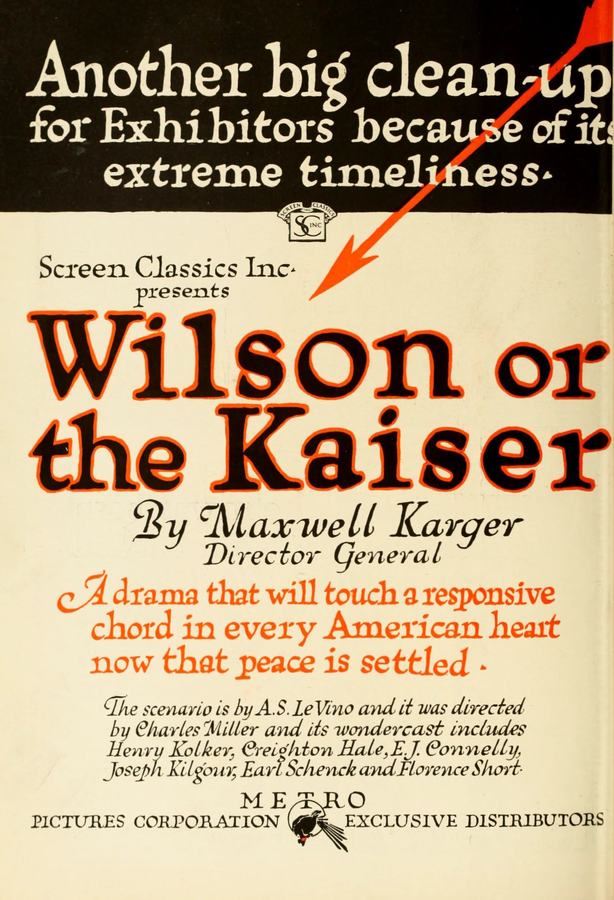
Stepping into the cinematic arena of The Great Victory, Wilson or the Kaiser? The Fall of the Hohenzollerns is akin to opening a meticulously preserved time capsule, one that doesn't merely recount history but actively participates in its impassioned retelling. This 1919 behemoth, conceived in the immediate aftermath of the Great War, isn't just a film; it's a visceral declaration, a moral indictment, and a poignant elegy all rolled into one sweeping narrative. It's a testament to a bygone era of filmmaking where spectacle often intertwined with propaganda, yet within its grand gestures, one finds an undeniable human core.
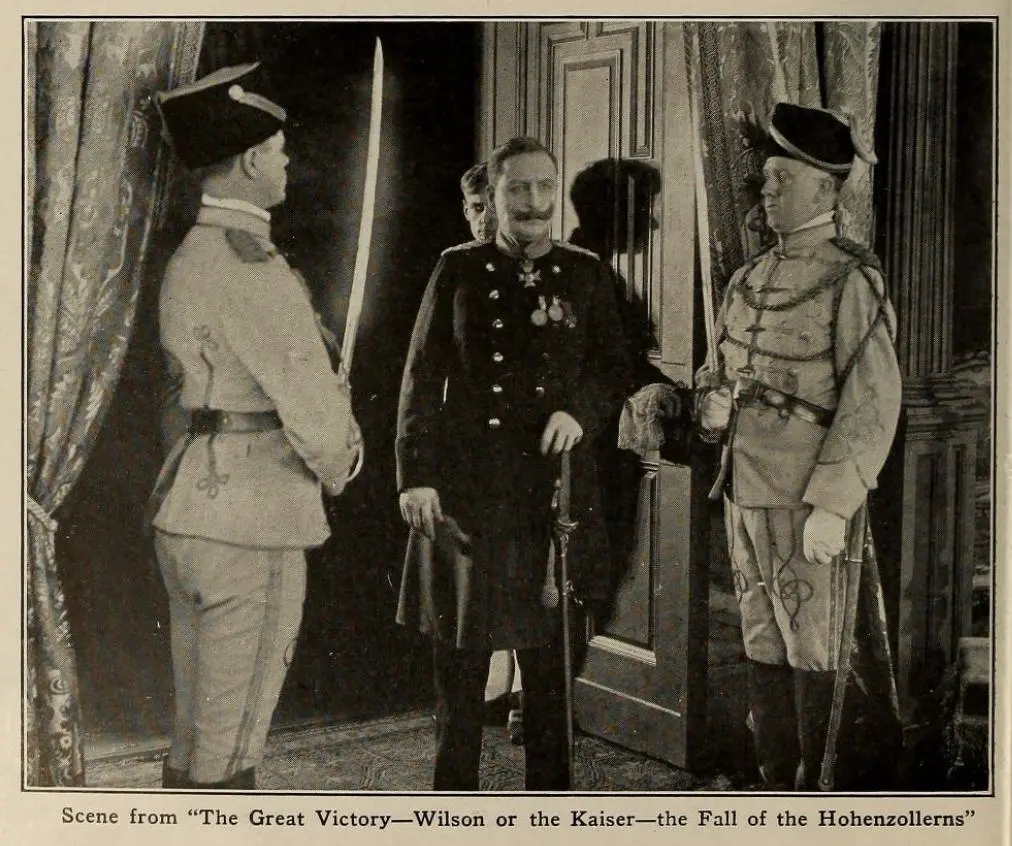
The film’s very title sets a provocative stage, posing a direct question to its audience, demanding a moral alignment. It’s a bold choice, reflecting the fervent nationalistic sentiments still simmering in the American consciousness post-Armistice. The narrative embarks on an ambitious dual biography, a stark ideological chiaroscuro painted between two monumental figures. On one side, we witness the birth of Wilhelm II, swaddled in imperial opulence, heir to a lineage steeped in martial glory and dynastic ambition. His very existence, as depicted, is a continuation of a vast, unyielding machine of power. Contrast this with the humble origins of Woodrow Wilson, born into the modest manse of a Presbyterian reverend, his formative years guided by the stern admonition to be raised "in the fear of the Lord." This opening gambit immediately establishes the film's central thesis: a clash not just of nations, but of diametrically opposed philosophies – one rooted in divine right and expansionist zeal, the other in democratic idealism and moral rectitude.
As the global conflagration ignites, the narrative pivots to the harrowing individual experience, personified by Conrad Le Brett. Hailing from the contested lands of Alsace-Lorraine, Conrad embodies the tragic plight of those caught between warring empires, forced into German uniform despite his inherent allegiances. His journey into the maw of war is a descent into a moral abyss. The film doesn't shy away from depicting the brutal realities of conflict, pushing the boundaries of what was acceptable for its time. A particularly harrowing sequence unfolds within the sanctity of a church, transformed into a scene of unimaginable sacrilege and violence. Here, German soldiers, stripped of all humanity, engage in acts of rape and murder. Conrad's agonizing decision to kill one of these perpetrators, who murders an infant, is a moment of profound moral clarity amidst chaos, a desperate act of self-preservation and righteous fury that seals his fate, leading to his wounding and subsequent capture.
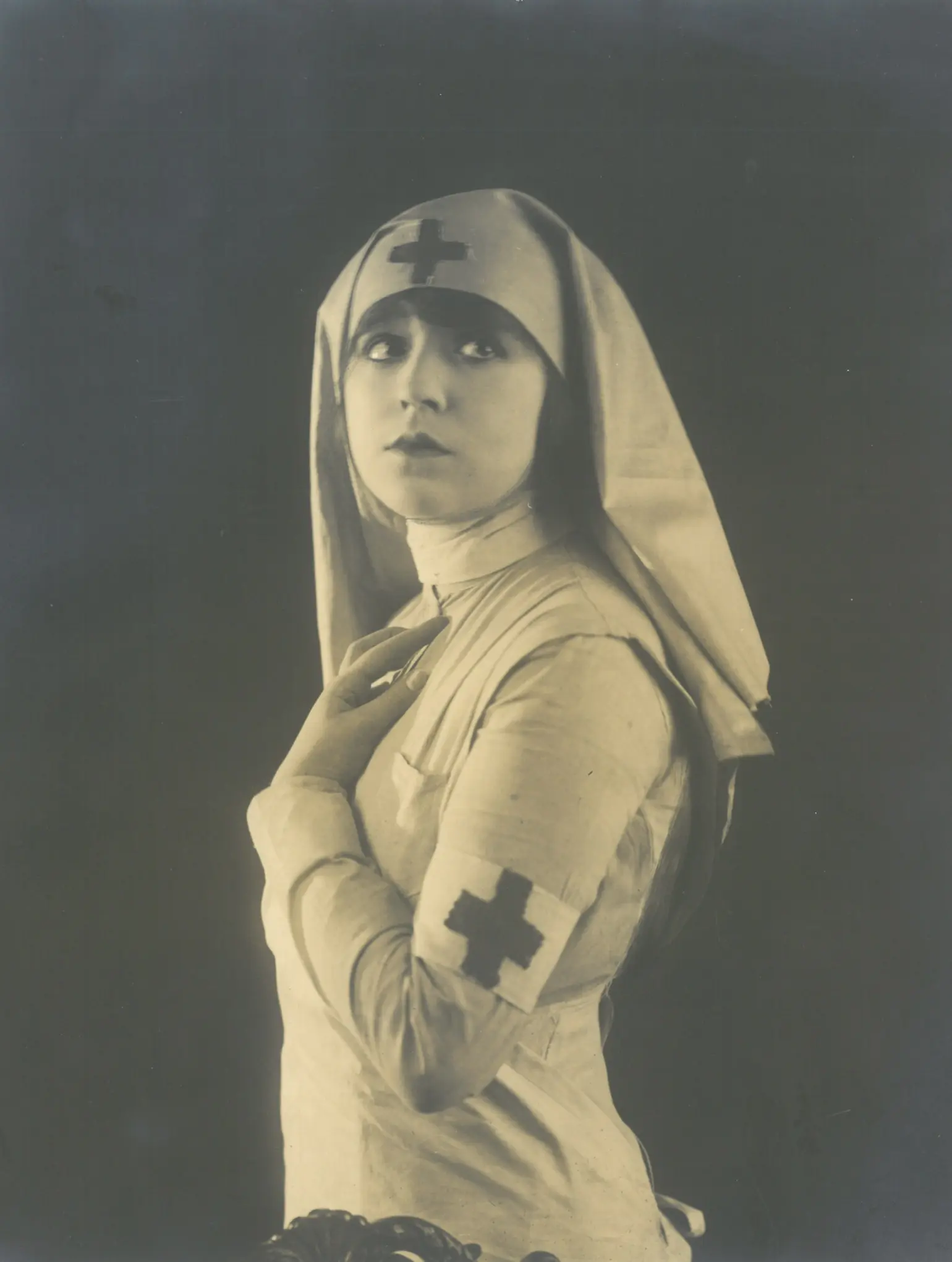
His convalescence in a Brussels hospital introduces two pivotal figures: the legendary nurse Edith Cavell and the American nurse, Amy Gordon. Cavell, a beacon of compassion and unwavering principle, provides a stark counterpoint to the surrounding barbarity. Her portrayal here, while perhaps romanticized through the lens of early cinema, still captures the essence of her real-life heroism. The burgeoning romance between Conrad and Amy, a fragile bloom in the desolate landscape of war, offers a momentary respite, a flicker of hope for personal redemption. However, this tender interlude is brutally shattered by the iron fist of German occupation. General von Bissing, the German governor, emerges as a figure of chilling authoritarianism. Cavell's selfless act of aiding Amy’s escape from von Bissing's relentless pursuit ultimately seals her own tragic destiny. Lieutenant Ober, a character who will become the embodiment of German cruelty and Conrad's personal nemesis, executes Cavell, an act that serves as a stark reminder of the indiscriminate brutality of war and the senseless loss of innocent lives.
The film escalates its indictment of German depravity with the revelation of Kaiser Wilhelm’s chilling decree: all unmarried women are to be given to soldiers to bear sons for the army. This grotesque policy, designed to perpetuate the war machine through biological means, underscores the film's portrayal of the Hohenzollern regime as utterly devoid of moral compass. It's a moment that, even a century later, retains its power to shock and disgust. This backdrop of systemic inhumanity sets the stage for Ober's return to Alsace-Lorraine, a place where he had previously insulted Conrad's sister, Vilma. The ensuing sequence—the murder of Conrad's grandfather and the brutal rape of Vilma—is a gut-wrenching depiction of personal violation mirroring the larger violation of nations. Vilma's dying plea, that Conrad travel to America to defend Alsace-Lorraine's reputation, transforms his personal vendetta into a quest for national honor, imbuing his journey with profound symbolic weight.
Conrad's subsequent journey to America, his marriage to Amy, and his passionate appeal to President Woodrow Wilson represent the film's turn towards a more optimistic, albeit still fraught, resolution. His ability to sway Wilson and secure the right for Alsatians to enlist with the American "doughboys" serves as a powerful testament to the persuasive force of personal conviction and the ideals of self-determination. The climax, with Conrad confronting and killing Ober on the battlefield, is less about strategic victory and more about a deeply personal catharsis, a moment where individual justice is meted out amidst the grander canvas of war. His return to Amy after the armistice symbolizes the enduring power of love and the possibility of rebuilding in the wake of immense destruction. The film concludes not just with a military victory, but with a moral one, affirming the triumph of Wilsonian ideals over Kaiser Wilhelm's imperial ambition.
From a critical perspective, The Great Victory is a fascinating artifact, a product of its time that nonetheless offers insights into the enduring themes of war, justice, and personal redemption. The acting, while adhering to the more theatrical conventions of the silent era, is undeniably potent. Actors like Jane McEachern and Carl De Mel, though perhaps unfamiliar to modern audiences, imbue their roles with a raw emotional intensity that transcends the lack of spoken dialogue. Charles Michael Edwards, as the villainous Ober, delivers a performance that is chilling in its portrayal of unbridled cruelty, making him a truly formidable antagonist. Frank Currier’s portrayal of President Wilson, while necessarily idealized, captures the gravitas and moral authority associated with the wartime leader. The sheer scale of the production, typical of Maxwell Karger's ambition as a producer, would have been awe-inspiring for contemporary audiences, particularly the battle sequences, which, even without modern CGI, convey a palpable sense of chaos and danger.
The screenplay, a collaborative effort by Albert S. Le Vino, Maxwell Karger, and June Mathis, is remarkably ambitious in its scope, attempting to weave together a grand historical narrative with intimate personal dramas. It's a testament to their skill that they manage to maintain a cohesive thread through such disparate elements. Mathis, in particular, was a pioneering female screenwriter, and her influence might be seen in the nuanced portrayal of characters like Amy Gordon and the tragic Edith Cavell. The film's structural choice to juxtapose the grand political machinations with individual suffering is a powerful one, ensuring that the abstract horror of war is always grounded in human experience. The propagandistic elements are undeniable, a common characteristic of post-war cinema across all nations, but this doesn't entirely detract from its dramatic impact. Instead, it serves as a valuable historical document, revealing the prevailing attitudes and grievances of the period.
Comparing The Great Victory to other films of its era, or even those that tackled similar themes, provides further context. While the graphic nature of some of its violence might draw a faint, thematic parallel to the raw, visceral terror of a film like Friday the 13th (though obviously vastly different in genre and intent), the film's true kinship lies with other sweeping historical dramas and moral allegories. Its ambitious scope and focus on individual struggle against a backdrop of societal upheaval resonate with the grand narratives found in films like The Cloister and the Hearth, which similarly explored personal destinies intertwined with larger historical currents. The film's depiction of a woman's tragic fate and unwavering moral conviction, much like Edith Cavell's, echoes the sacrificial heroism often seen in melodramas such as Camille, albeit with a focus on wartime heroism rather than romantic tragedy. The portrayal of a society grappling with moral decay and the subsequent fight for justice also brings to mind the social commentary woven into films like Idle Wives, though the scale and stakes in The Great Victory are demonstrably higher.
The stylistic choices, while characteristic of silent cinema, are employed with considerable skill. The use of intertitles, often ornate and emotionally charged, effectively conveys dialogue and internal monologue, driving the narrative forward with dramatic flair. The cinematography, though lacking the sophisticated camera movements of later eras, utilizes striking compositions and evocative lighting to create mood and emphasize key moments. The film's ability to elicit strong emotional responses without the aid of spoken dialogue or synchronized sound is a testament to the power of visual storytelling and the expressive capabilities of its performers.
Ultimately, The Great Victory, Wilson or the Kaiser? The Fall of the Hohenzollerns stands as more than just a historical curiosity. It is a powerful, if sometimes heavy-handed, exploration of the moral complexities of war, the devastating impact of unchecked power, and the enduring human spirit's capacity for both vengeance and love. It serves as a vital document, offering a glimpse into the collective psyche of a nation grappling with the immediate aftermath of a global cataclysm, eager to assign blame and celebrate victory. Its unflinching portrayal of German atrocities, while undoubtedly shaped by wartime propaganda, underscores a genuine revulsion at the barbarity witnessed. The film's commitment to portraying the personal toll of war, through characters like Conrad and Vilma, ensures that its grand historical sweep is always anchored in deeply resonant human drama. It reminds us that even in the grandest conflicts, it is the individual stories of suffering, resilience, and the relentless pursuit of justice that truly define the 'great victory.'
For modern audiences, viewing The Great Victory requires a certain historical empathy, an understanding of the context in which it was created. It's not a nuanced academic treatise on the causes of World War I, but rather an impassioned, cinematic cri de coeur. Yet, within its melodramatic flourishes and clear-cut moral binaries, there are universal truths about the nature of conflict, the corrupting influence of power, and the unyielding human desire for freedom and dignity. Its depiction of Edith Cavell’s stoic sacrifice remains profoundly moving, a testament to the courage of ordinary individuals in extraordinary circumstances. The film’s bold narrative choices, particularly in presenting the Kaiser’s decree and Ober’s heinous acts, ensure that it leaves a lasting impression, a stark reminder of the depths to which humanity can sink and the heights to which it can aspire in the face of tyranny.
The casting choices for this epic are particularly noteworthy, showcasing the talent that defined early American cinema. Jane McEachern, portraying Amy Gordon, brings a quiet strength and compassionate depth to her role, making her a compelling emotional anchor for Conrad's turbulent journey. Her performance, characterized by subtle gestures and expressive eyes, effectively conveys the anguish and hope of a woman caught in the maelstrom of war. Carl De Mel, as Conrad Le Brett, embodies the conflicted patriot, his transformation from a reluctant German conscript to a fervent American ally driven by personal tragedy and a thirst for justice. His intensity on screen is palpable, particularly in the scenes depicting his moral awakening and subsequent acts of vengeance. The ensemble cast, including figures like Karl Dane and Edward Connelly, contribute significantly to the film’s textured tapestry, each bringing a distinct presence to their respective parts, whether as heroic figures or embodiments of wartime suffering.
The creative vision behind The Great Victory is a fascinating blend of historical documentation and dramatic license. The writers, Albert S. Le Vino, Maxwell Karger, and June Mathis, crafted a narrative that served both as a historical retelling and a powerful moral statement. Their decision to intertwine the grand political narratives of Wilson and the Kaiser with the intimate, brutal experiences of characters like Conrad and Vilma, was a masterstroke. It ensured that the abstract concepts of war and peace were always grounded in tangible human suffering and triumph. Mathis’s contribution, especially given her pioneering role as a female screenwriter in Hollywood, adds another layer of intrigue. Her ability to craft emotionally resonant narratives, often focusing on the plight and resilience of women, might be keenly felt in the poignant portrayal of Edith Cavell and Vilma. The film’s structure, moving from the contrasting births of its two central political figures to the harrowing realities of the front lines and then to the eventual vindication, is a carefully orchestrated crescendo of emotion and action.
The lasting impact of The Great Victory lies not just in its historical significance as a post-WWI American film, but in its continued resonance as a powerful piece of storytelling. While some of its overt propagandistic elements might seem dated to a contemporary viewer, its core themes of justice, revenge, love, and the fight against tyranny remain eternally relevant. The film serves as a stark reminder of the human cost of conflict and the moral imperative to stand against oppression. It is a cinematic monument to a pivotal moment in global history, reflecting both the aspirations and the raw wounds of a world forever changed by war. Its ambition, its emotional intensity, and its unwavering moral stance ensure its place as an important, if often overlooked, work of early American cinema. It is a film that demands to be seen, not just as a historical document, but as a testament to the enduring power of narrative to shape understanding and provoke thought.
In conclusion, The Great Victory, Wilson or the Kaiser? The Fall of the Hohenzollerns is a cinematic journey through the heart of darkness and the glimmer of hope that followed the First World War. It's a film that, despite its age and the conventions of its era, still possesses a raw power to engage and provoke. Its detailed exploration of individual suffering against a backdrop of global conflict, its clear moral compass, and its ambitious scope make it a compelling watch for anyone interested in early cinema, the history of World War I, or the enduring human struggle for justice. It's a film that asks profound questions and, in its own way, offers a resounding answer, affirming the triumph of human spirit and democratic ideals over the forces of tyranny.
Community
Log in to comment.