DbcultAccessing Vault...
Cult Review
Senior Film Conservator
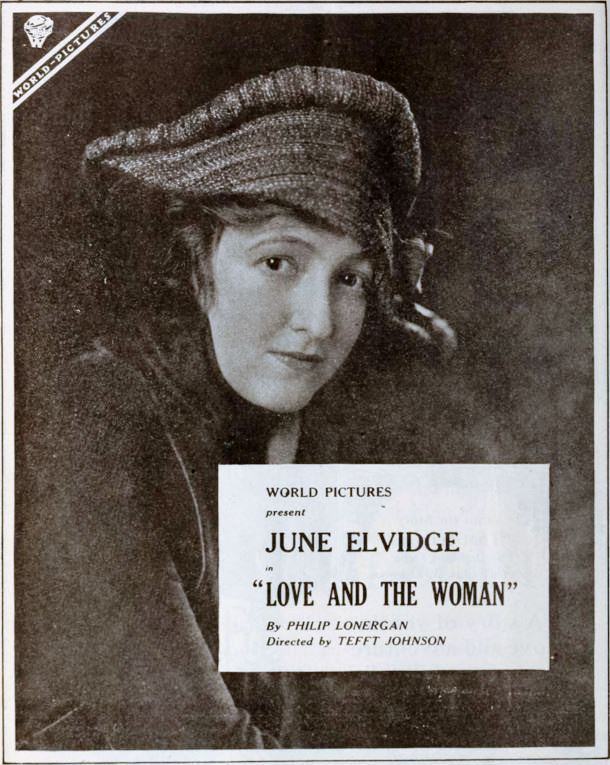
The 1919 production of Love and the Woman stands as a fascinating, if somewhat harrowing, artifact of the World Film Corporation’s twilight years. It is a narrative constructed upon the tectonic shifts of early 20th-century class anxiety, where the boundaries between the 'haves' and 'have-nots' are porous only through acts of extreme moral compromise. Directed with a steady hand that favors emotional resonance over avant-garde experimentation, the film delves into the psyche of a woman pushed to the brink by the crushing weight of systemic poverty.
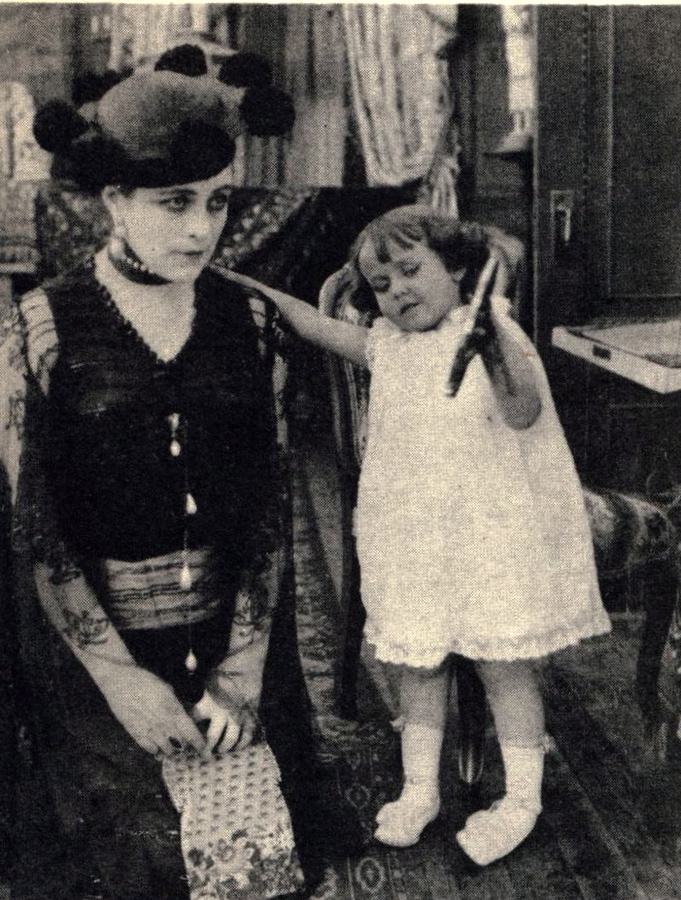
Mary Dorsey, portrayed with a haunting fragility that mirrors the protagonists of Fighting Odds, is the emotional fulcrum of the first act. Her decision to swap her child is not presented as a villainous stratagem, but as a tragic necessity—a way to bypass the biological destiny of the poor. In many ways, the film acts as a precursor to the social realism seen in Der letzte Tag, though it remains firmly rooted in the melodramatic tradition of the American silent screen.
The hotel setting serves as a microcosm of society: the transient rich passing through the labor of the invisible poor. When George Stevens, played by George MacQuarrie with a stoic warmth, enters the frame, he represents the 'American Dream'—a man whose ascent from salesman to tycoon provides the gilded cage for Helen’s upbringing. This upward mobility is contrasted sharply with the static, parasitic existence of Hannah Shay. Unlike the more poetic villains found in The Eye of Envy, Shay is a creature of pure, unadulterated opportunism.
Visually, Love and the Woman utilizes the chiaroscuro of the era to emphasize the dual lives led by its characters. The transition from the dingy, cramped quarters of the Dorsey household to the expansive, opulent estates of the retired Stevens is jarring. This visual dichotomy reinforces the film’s central theme: that identity is often a performance dictated by one’s surroundings. We see similar explorations of assumed roles in His Official Fiancée, though here the stakes are far more existential.
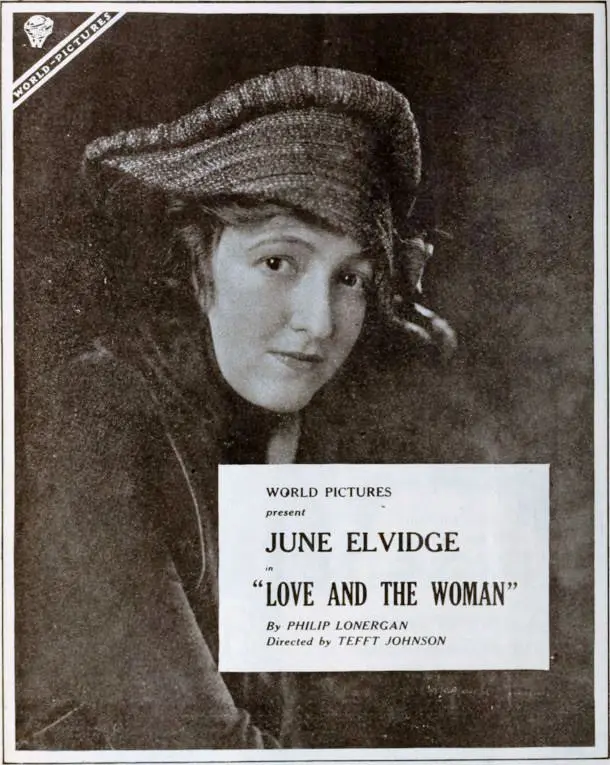
The performance of June Elvidge as the adult Helen is a masterclass in the transition from ingenue to tragic heroine. Elvidge possesses a luminosity that makes her eventual fall from grace—prompted by the revelation of her true parentage—all the more poignant. When she is confronted by the visceral reality of her biological father, a man whose degeneracy mirrors the antagonists of The Rattlesnake, the film shifts from a drama of manners into a thriller of social survival.
The plot thickens with the introduction of Walter Pemberton, the artist. His use of Hannah Shay as a model for a 'gypsy' is a meta-commentary on how the upper class exoticizes and utilizes the poor for their own creative or logistical ends. This subplot echoes the thematic depth of The Sealed Envelope, where secrets are the primary currency of the narrative. The blackmail attempt is not just about money; it is an attempt to drag Helen back into the mud from which she was 'stolen.'
The inclusion of the biological father in the extortion scheme adds a layer of familial betrayal that is particularly biting. It suggests a biological determinism—that the 'bad blood' of the Dorseys will eventually manifest, either through the father’s greed or the daughter’s misfortune. This pessimistic view of heritage is a common trope of the era, also seen in works like Flor de durazno, where the sins of the past haunt the innocence of the present.
The climax, involving the theft and recovery of jewels, serves as the ultimate litmus test for Helen’s suitors. Grant Murdock, the wealthy suitor, represents the fragility of high-society alliances. His immediate jilting of Helen upon the discovery of her low birth is a stinging indictment of the aristocracy. In contrast, Walter Pemberton’s steadfastness offers a romanticized view of the artist as a man who sees beyond the superficialities of birthright. This dynamic is a staple of silent cinema, often found in films like Outcast.
The most radical element of the film’s conclusion is George Stevens’ refusal to let go of his 'daughter.' In an era where bloodlines were considered sacred, his declaration that Helen will always be his child is a powerful assertion of nurture over nature. It provides a sense of emotional closure that is more satisfying than the strictly moralistic endings of many contemporary films, such as the rigid justice of The Scarlet Pimpernel or the rugged individualism of The Long Trail.
When placed alongside other 1919 releases like The Valley of the Moon, Love and the Woman feels significantly more urban and cynical. While Shore Acres looks toward a pastoral nostalgia, this film is firmly engaged with the complexities of the modern city and the moral ambiguities of survival. It lacks the comedic levity of Double Trouble, opting instead for a heavy, atmospheric tension that remains surprisingly effective.
The film also serves as a document of the period's fascination with internationalism and travel, perhaps subtly influenced by the global perspectives found in documentaries of the time like France in Arms or Unknown Switzerland. Stevens’ background as a traveling salesman who eventually retires suggests a world that is becoming smaller, more interconnected, and yet more stratified by the wealth accumulated through that very commerce.
To watch Love and the Woman today is to witness the birth of the modern soap opera, but with a gravitas and visual flair that the genre has since largely abandoned. The writers, Philip Lonergan and Giles Warren, crafted a screenplay that balances the sensationalism of blackmail with a genuine inquiry into the human condition. It is a film that asks uncomfortable questions about the cost of a 'better life' and whether the bonds of love can truly withstand the revelation of a lie.
For those interested in the evolution of the melodrama, this is an essential piece of the puzzle. It captures a moment in cinematic history where the medium was beginning to master the art of long-form narrative, moving away from simple morality plays toward something more nuanced and psychologically complex. While it may not have the name recognition of some of its contemporaries, its influence can be felt in every story of switched identities and class-crossing romance that followed in its wake.
IMDb —
1923
Community
Log in to comment.