DbcultAccessing Vault...
Cult Review
Senior Film Conservator
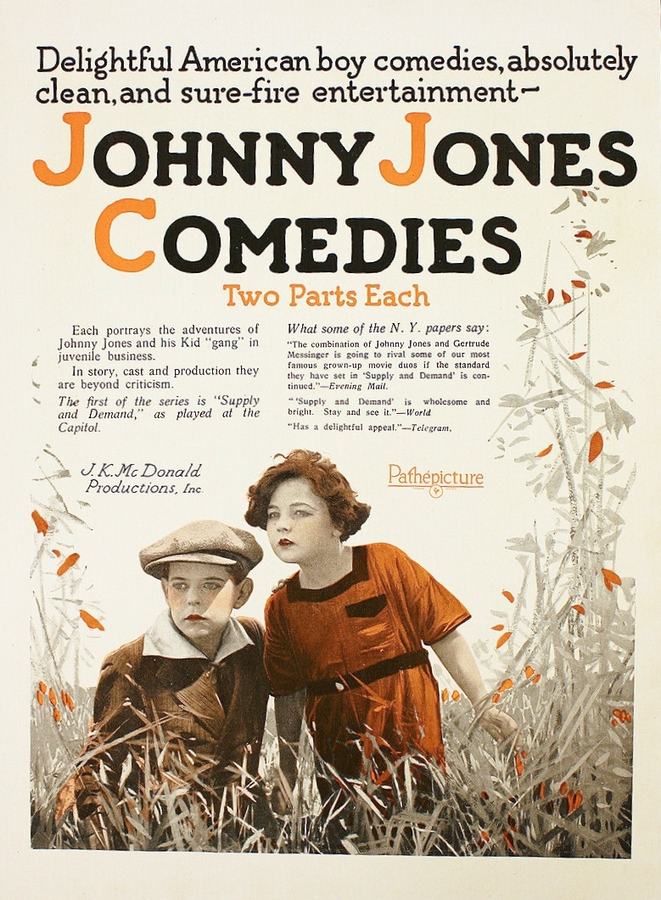
Stepping back into the annals of early cinematic endeavors, one occasionally stumbles upon a peculiar gem that, despite its relative obscurity, manages to sparkle with an idiosyncratic charm. Such is the case with 'Stung,' a 1924 silent film that, with its unassuming title, belies a narrative confection of romantic entanglement, theatrical ambition, and a rather literal, bee-induced comeuppance. It’s a fascinating artifact, not merely for its plot, which could generously be described as whimsically absurd, but for what it reveals about the storytelling sensibilities of its era. This isn't high drama or profound social commentary; rather, it’s a delightful, if somewhat quaint, exploration of human foibles, jealousy, and the unpredictable currents of fate, all wrapped up in a package that feels distinctly of its time yet possesses a timeless comedic spirit.
At its core, 'Stung' unfurls a narrative tapestry woven with threads of classic comedic tropes, albeit with a uniquely entomological twist. The catalyst for the ensuing chaos is the arrival of a slick, city-bred actor, a figure of urban sophistication descending upon a seemingly placid, rural tableau. His intent is not malicious, perhaps, but certainly self-serving: to inject a dose of professional polish into the local amateur dramatic society's rendition of 'A Midsummer Night's Dream.' This particular play, with its inherent magic, mistaken identities, and tangled loves, serves as a meta-theatrical backdrop, mirroring and amplifying the romantic imbroglios unfolding off-stage. The actor's presence, however, proves to be a disruptive force, swiftly and decisively fracturing a nascent local love affair, his charismatic flair proving irresistible to one of the entangled parties. This immediate relational upheaval sets the stage for a classic rivalry, a clash between the established local order and the intrusive, if dazzling, newcomer.
Enter Johnny, a local character whose motivations are rooted in a potent cocktail of jealousy and a desire for playful retribution. Witnessing the urbanite's disruptive influence, Johnny devises a prank: he fills the donkey's head prop, destined for the actor's portrayal of Bottom, with copious amounts of honey. This act, intended as a harmless if sticky joke, takes an unexpected turn, morphing from a simple prank into a surreal, almost farcical, act of divine — or rather, hymenopteran — intervention. A swarm of bees, drawn by the irresistible aroma of the honey, infiltrates the prop, transforming a theatrical costume piece into a buzzing, stinging nightmare. The unfortunate actor, caught unaware, suffers the full brunt of this insectile assault, his eyes swelling shut, plunging him into temporary blindness and a state of complete disorientation. It’s a moment of bizarre, darkly comedic spectacle, a tangible manifestation of the chaos he inadvertently wrought.
The narrative then pivots with an almost operatic flourish of mistaken identity and unfortunate timing. The sightless actor, disoriented and perhaps flailing, is promptly apprehended by deputy sheriffs, who, in a stroke of narrative convenience, mistake him for a fugitive having absconded with a partially paid-for automobile. This vehicular subplot, seemingly disconnected, ultimately serves as the linchpin for the resolution. The deputies, eager to close the case, sell the impounded car to none other than Johnny, who, by settling the outstanding balance, effectively becomes the unlikely hero. In a concluding flourish of poetic justice and narrative neatness, this resolution facilitates the mending of the original love affair, restoring equilibrium to the community and leaving the city actor quite literally, and figuratively, stung. The layers of irony here are thick: a prank meant to humiliate inadvertently leads to a series of events that restores balance, proving that sometimes, even the most chaotic interventions can lead to a harmonious outcome. It's a testament to the era's storytelling penchant for intricate, if sometimes improbable, causal chains.
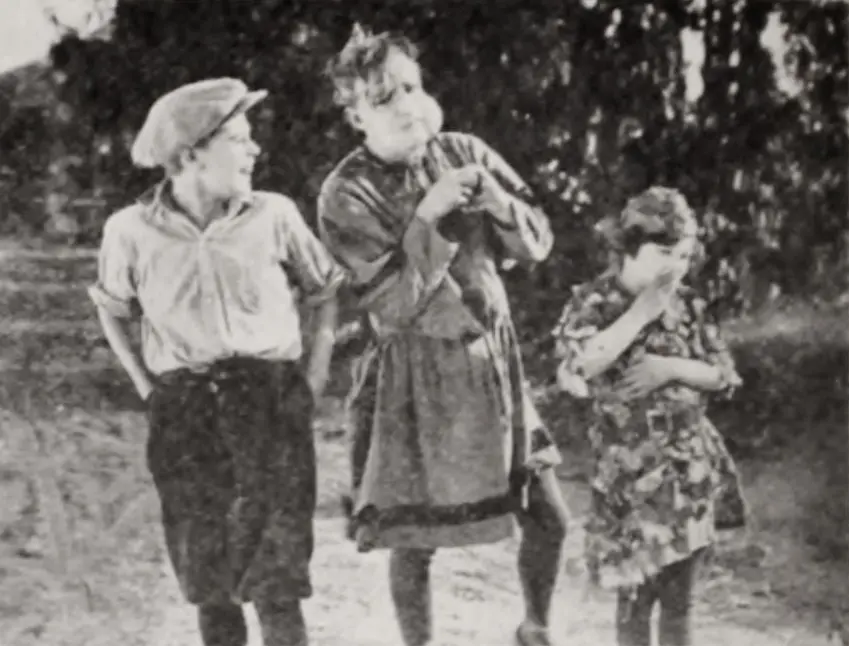
In the silent era, acting was a language of exaggerated gesture, expressive facial contortions, and a physical eloquence that transcended the absence of spoken dialogue. The cast of 'Stung' navigates this demanding medium with varying degrees of success, yet collectively, they manage to convey the film's lighthearted, comedic intent. Edward Peil Jr., as the urban actor, embodies the archetypal city slicker, his demeanor likely radiating a blend of confidence and perhaps a touch of condescension. His portrayal would have required a nuanced understanding of physical comedy, particularly in the scenes following the bee attack. The transition from suave disruptor to bewildered victim would necessitate a complete shift in his physical lexicon, from preening self-assurance to flailing vulnerability. This arc, from theatrical triumph to entomological defeat, is central to the film's comedic engine, and Peil Jr.'s ability to sell both extremes would have been crucial.
Kenneth Green, in the role of Johnny, the mischievous local, likely provides the film's grounded, if somewhat impish, counterpoint. His performance would hinge on conveying a sense of local rootedness, perhaps a touch of rustic charm, mixed with the cunning required to orchestrate the honey-trap prank. His expressions of jealousy, glee, and eventual satisfaction would need to be clear and unambiguous, guiding the audience through his character's motivations without the benefit of dialogue. The dynamic between Peil Jr.'s metropolitan arrogance and Green's provincial ingenuity forms the comedic backbone of the film, a classic clash of cultures that resonates even today. The resolution of the love affair, largely orchestrated by Johnny's unintended heroism, places Green in a pivotal role, requiring him to convey a sense of understated triumph.
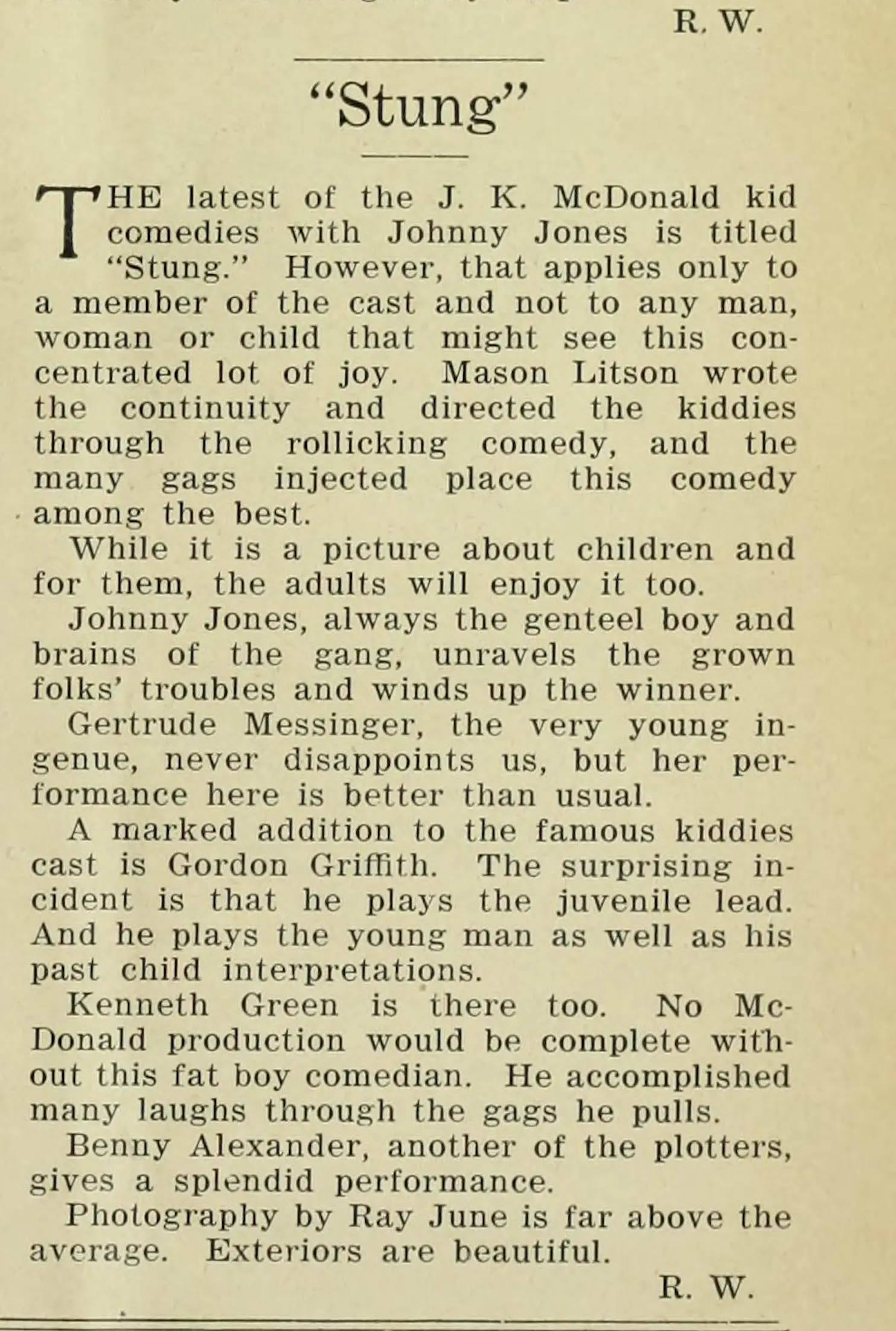
Ben Alexander, Gordon Griffith, and Gertrude Messinger round out the ensemble, each contributing to the fabric of this small-town drama. Messinger, as the object of affection and the catalyst for the romantic rivalry, would have been tasked with portraying the allure that draws both men, as well as the emotional turmoil of a fractured relationship. Her reactions to the city actor's charm and Johnny's earnestness would define the romantic stakes. Alexander and Griffith would likely inhabit supporting roles, perhaps as fellow townsfolk, deputies, or members of the amateur theatrical group, lending authenticity and additional comedic beats to the unfolding narrative. Their contributions, though perhaps less central, are vital in building the world of 'Stung,' providing reactions and context to the main players' antics. The success of a silent film often rests on the collective ability of its cast to communicate emotion and plot progression through physicality alone, and 'Stung' seems to rely on its ensemble to effectively draw the audience into its whimsical predicament.
Beyond its surface-level comedic antics, 'Stung' inadvertently touches upon several enduring thematic concerns. The most prominent, of course, is the age-old clash between urban sophistication and rural simplicity. The city actor represents a perceived threat to the established order, a disruptive force whose polished manners and theatrical prowess upset the delicate balance of small-town life. This trope, common in literature and film, explores anxieties surrounding modernization and the preservation of traditional values. His arrival isn't just a personal intrusion; it's an almost symbolic invasion of a different way of life, and the film, through its comedic resolution, seems to ultimately champion the inherent charm and resilience of the local community. One might draw a faint parallel to the societal shifts explored in films like The Birth of a Race, though 'Stung' tackles its cultural commentary with a decidedly lighter, more farcical touch.
The film also delves into the unpredictable nature of love and jealousy. The love triangle, a staple of romantic comedy, is handled with a certain innocence characteristic of the era. Johnny's jealousy, while leading to a prank, isn't portrayed with malice but rather as a natural, if misguided, response to a perceived threat to his affections. The resolution, where the love affair is 'patched up,' speaks to a romantic ideal prevalent in early cinema: that true love, though tested, ultimately prevails. This resonates with the heartwarming simplicity often found in films like Minnie, where personal relationships form the central emotional core. Furthermore, the film subtly explores themes of amateurism versus professionalism, highlighting the earnest, if sometimes clumsy, efforts of the local troupe against the perceived superiority of the city actor. The bee incident, in a strange way, serves as a great equalizer, stripping the 'professional' of his composure and reducing him to a state of primal vulnerability.
Perhaps the most compelling thematic element, however, is the role of chance and unintended consequences. Johnny's prank, a simple act of mischief, spirals into a series of events far beyond his control, ultimately leading to a resolution that neither he nor the actor could have foreseen. The bees, a force of nature, become agents of fate, their intervention a surreal, almost magical realism element in an otherwise grounded, if comedic, narrative. This idea of external, uncontrollable forces shaping human destiny has echoes in more dramatic epics like The Last Days of Pompeii (1913), where natural disaster dictates the course of human lives, albeit on a much grander, more tragic scale. In 'Stung,' fate wears a fuzzy, buzzing cloak, delivering its lessons through a swarm of insects, reminding us that sometimes, the most mundane actions can trigger the most extraordinary, and humorous, chain reactions.
Despite the lack of explicit directorial or writer credits, 'Stung' offers an intriguing look into the production values and narrative techniques of its era. The visual storytelling, paramount in silent film, would have relied heavily on clear blocking, expressive intertitles, and a pacing that allowed audiences to absorb the unfolding drama and comedy without the aid of dialogue. The setup of the amateur 'A Midsummer Night's Dream' performance itself provides a rich visual opportunity, allowing for comedic juxtaposition between the grandiosity of Shakespeare and the likely humble, perhaps even awkward, execution by the local players. One can imagine the visual humor derived from the actor's exaggerated stage presence contrasting with the earnestness of the locals, or the visual gag of the honey-filled donkey head.
The special effects, rudimentary by today's standards, for the bee swarm would have been a highlight. While perhaps not as spectacular as the grand historical tableaux found in films like The Ten Commandments, the visual representation of a buzzing, angry swarm descending upon an actor's head would have required clever camera work and perhaps even real bees, carefully managed. The scene of the actor, blinded and disoriented, would have demanded skillful physical comedy and visual cues to convey his predicament. The cinematography, likely shot on location, would have captured the quaintness of the rural setting, providing a visual contrast to the city actor's urbanity. The editing would have been crucial in building suspense for the prank, delivering the shock of the bee attack, and maintaining the comedic rhythm throughout the film, ensuring that the audience understood the progression of events and the humor inherent in each twist.
The very existence of such a film, a lighthearted romantic comedy with a fantastical element, speaks to the diverse range of genres being explored in the silent era. It demonstrates a willingness to experiment with narrative devices and to blend different tones, from romantic drama to slapstick comedy, all within a relatively short runtime. The film's structure, moving from initial conflict to escalating chaos and finally to a neat resolution, is a classic comedic template, effectively utilized even without the benefit of sound. Comparing its narrative ingenuity, however simple, to the more straightforward action of End of the Rope or the biographical gravitas of The Gray Ghost, 'Stung' clearly occupies a distinct niche, prioritizing charm and laughter over intense drama or historical accuracy. It's a reminder that even early cinema was capable of crafting intricate, if sometimes improbable, plots to entertain its audiences.
'Stung' may not stand as a monumental achievement in cinematic history, nor is it likely to be a film that modern audiences flock to with the same fervor as rediscovered classics. However, its value lies in its delightful simplicity and its unique contribution to the mosaic of silent film comedy. It's a testament to the ingenuity of early filmmakers who, working within the constraints of their technology, managed to craft engaging stories that resonated with contemporary audiences. The film serves as a charming snapshot of its time, reflecting cultural attitudes towards urban versus rural life, the enduring appeal of romantic rivalry, and the universal humor found in unfortunate mishaps. It’s a film that, despite its age, still manages to elicit a chuckle through its sheer absurdity and the cleverness of its central conceit.
For cinephiles and historians, 'Stung' offers a valuable window into the narrative conventions and comedic sensibilities of the 1920s. It’s a reminder that not every film needed to be a grand epic like The Great Victory, Wilson or the Kaiser? The Fall of the Hohenzollerns, or a stark drama. There was ample space for lighthearted fare, for tales that simply aimed to entertain and amuse. The film's quirky plot, with its Shakespearean overlay and its insectile intervention, ensures its place as a memorable, if minor, entry in the silent film canon. It reminds us that sometimes, the most memorable stories are those that dare to be a little bit silly, a little bit unexpected, and ultimately, a little bit sweet. The echoes of its comedic structure can be seen in later slapstick and romantic comedies, showcasing how foundational these early narratives were. It's not just a film about a bee sting; it's a film about how life, much like an amateur play, can take unforeseen turns, often with hilarious and ultimately heartwarming results.
In conclusion, 'Stung' is a charming, if peculiar, relic of the silent era. Its narrative, while perhaps a touch convoluted, is executed with a clear comedic intent, bolstered by the physical performances of its cast. It's a film that asks its audience to suspend disbelief and simply enjoy the ride, a journey that involves theatrical ambition, romantic skirmishes, and a truly unforgettable encounter with a swarm of honey-loving bees. It’s a delightful reminder of the boundless creativity and unique charm that characterized early American cinema, a small but significant piece of the puzzle that makes up film history. While it may not command the same attention as other, more celebrated works, 'Stung' offers a peculiar kind of cinematic sweetness, a gentle hum of comedic delight that lingers long after the final intertitle fades.
IMDb 6
1920
Community
Log in to comment.