DbcultAccessing Vault...
Cult Review
Senior Film Conservator
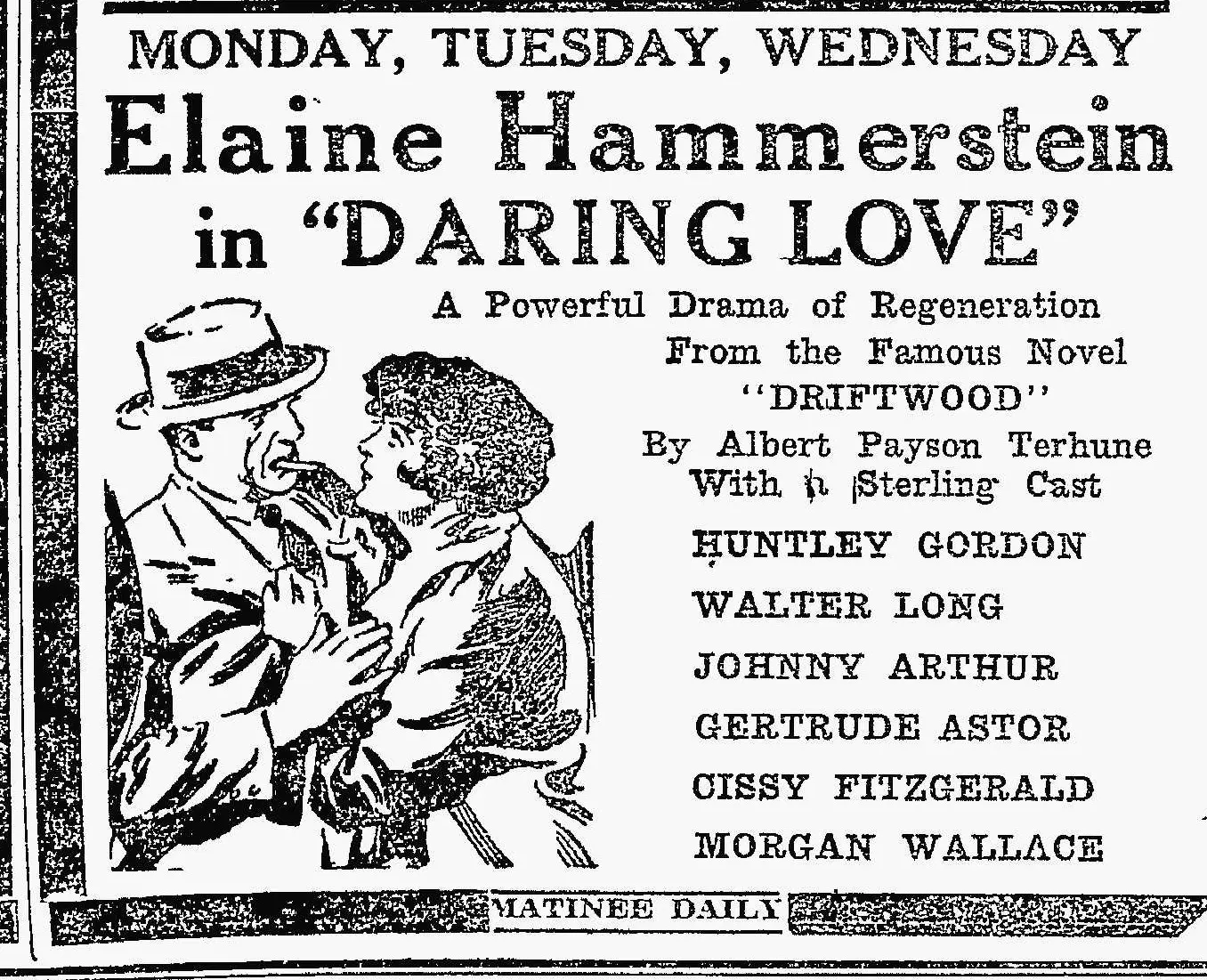
In the realm of silent cinema, Daring Love presents a labyrinthine narrative that defies straightforward interpretation. This 1920s film, directed by Roland West, weaves a complex tale of love, loss, and redemption, set against the backdrop of a society grappling with the consequences of war and social change.
The story revolves around John Stedman, portrayed by Huntley Gordon, a man whose life is marked by an unrelenting struggle with alcoholism. His marital relationship with his wife, played by Elaine Hammerstein, is on the precipice of collapse, owing to his incessant drinking. The situation reaches a boiling point when his wife, disenchanted and disillusioned, threatens to leave him. The discovery of her with another man serves as the catalyst for Stedman's decision to pursue an open affair with Bobo, a captivating dive entertainer, played by Gertrude Astor.
This affair, marked by a sense of reckless abandon, paradoxically serves as a conduit for Stedman's recuperation. Under Bobo's care, Stedman begins to rebuild his life, and upon his return from wartime service, he emerges as a reformed individual. The narrative takes a dramatic turn when Stedman, now a changed man, marries Bobo and ascends to a prestigious gubernatorial position. This ascent is not without its challenges, as his former wife, embittered by her own failed attempts at redemption, persistently seeks to rekindle their past liaison.
The film's portrayal of Stedman's journey, from the depths of despair to the pinnacle of success, raises pertinent questions about the nature of redemption and the human capacity for change. It is here that Daring Love intersects with other films of its era, such as Pace That Kills and Madame Du Barry, which also explore themes of love, loss, and personal transformation.
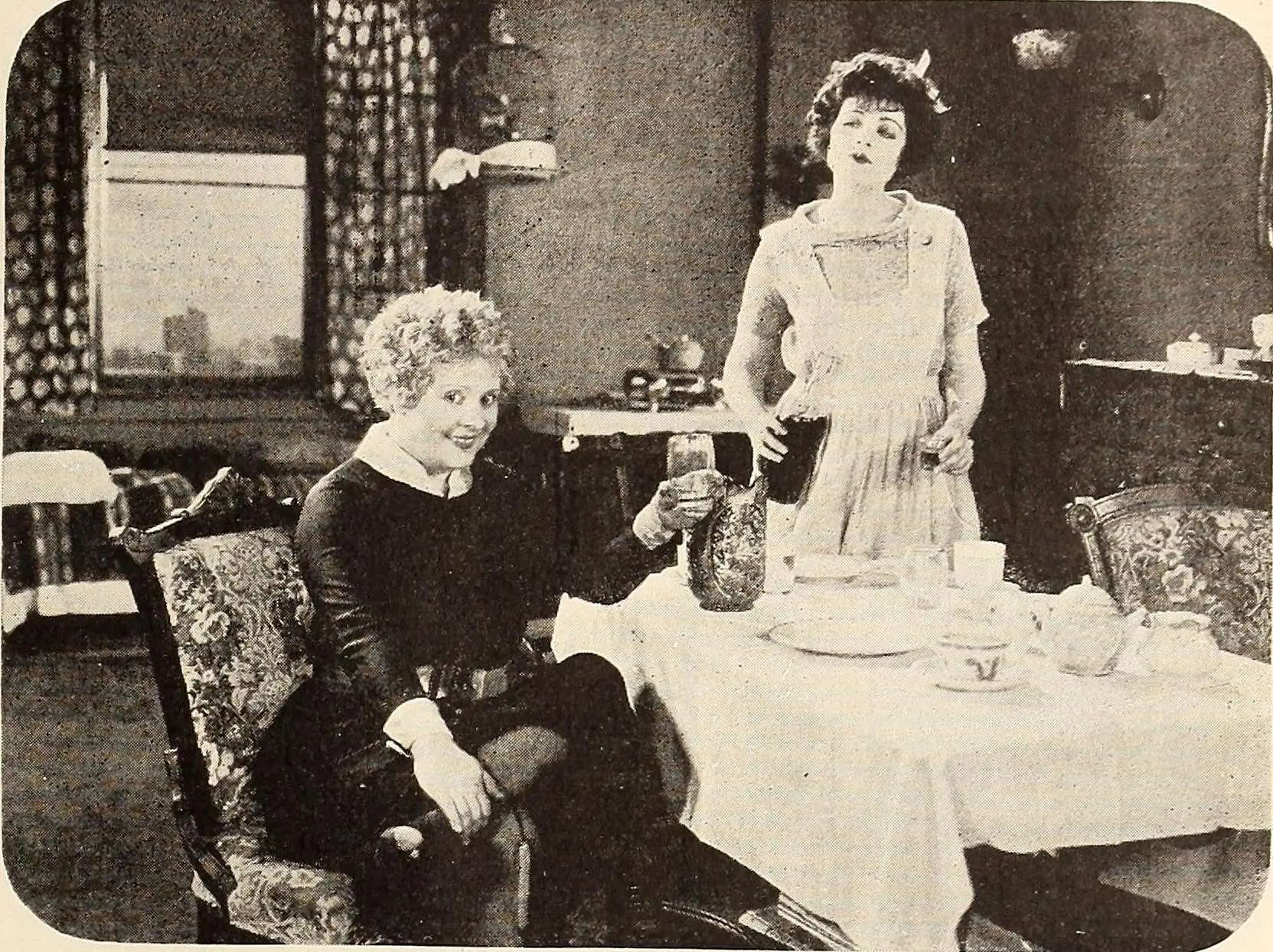
The performances of the cast, particularly Huntley Gordon and Gertrude Astor, lend depth and nuance to the narrative. Their portrayal of the complex, often fraught, relationships between the characters serves as a testament to the skill of the actors and the direction of Roland West. The cinematography, while characteristic of the silent film era, provides a visually engaging backdrop to the story, with its use of shadows, light, and composition adding to the overall sense of drama and tension.
In comparison to other films of the era, such as Det gamle fyrtaarn and Man by the Roadside, Daring Love stands out for its exploration of the human condition. While films like Aelita, the Queen of Mars and The Winning of Sally Temple offer fantastical and romanticized portrayals of love and relationships, Daring Love presents a more grounded, realistic exploration of these themes.
The film's themes of love, redemption, and personal transformation are timeless, and its exploration of these themes continues to resonate with audiences today. In this regard, Daring Love can be seen as a precursor to later films, such as Two Women and Yesterday's Wife, which also explore the complexities of human relationships and the challenges of personal growth.
In conclusion, Daring Love is a film that warrants attention and consideration. Its complex narrative, coupled with strong performances and visually engaging cinematography, make it a compelling watch for audiences interested in the cinematic artifacts of the 1920s. As a film critic, I highly recommend Daring Love to anyone seeking to explore the intricacies of silent cinema and the works of Roland West.
Ultimately, Daring Love serves as a testament to the enduring power of cinema to captivate, educate, and inspire. Its exploration of the human condition, coupled with its historical significance, makes it a film that will continue to resonate with audiences for generations to come.
IMDb —
1916
Community
Log in to comment.