DbcultAccessing Vault...
6.9/10
Senior Film Conservator
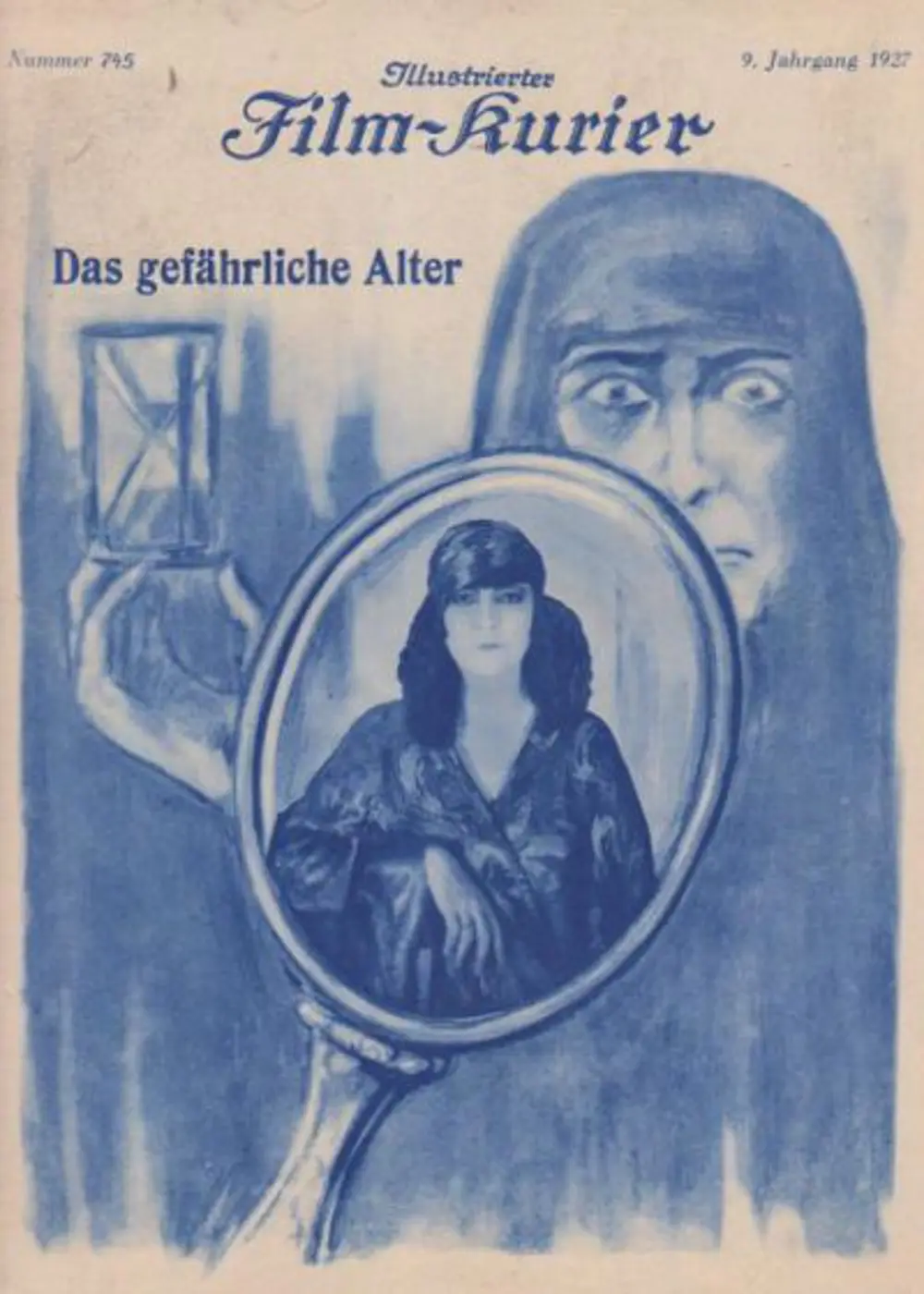
A definitive 6.9/10 rating for a film that redefined the boundaries of cult cinema. Das gefährliche Alter remains a cornerstone of transgressive art.
Is 'Das gefährliche Alter' worth watching today? Short answer: yes, but with significant caveats. This 1920s silent drama, starring the inimitable Asta Nielsen, offers a fascinating, albeit melancholic, window into early 20th-century societal anxieties surrounding female desire and aging. It is a film for those who appreciate the nuances of silent cinema, especially studies in character and societal critique, but it is emphatically not for viewers seeking fast-paced plots or easily digestible narratives.
For silent film aficionados and those interested in the evolution of feminist themes in cinema, 'Das gefährliche Alter' presents a compelling, if sometimes slow, examination of a woman's internal world. However, if you're new to silent films or prefer clear-cut resolutions, its deliberate pacing and subtle emotional shifts might prove challenging.
Directed by Urban Gad, 'Das gefährliche Alter' (The Dangerous Age) positions us firmly within the psychological turmoil of Elsie, a woman navigating the societal pressures and personal desires that accompany turning 40. The film, based on Karin Michaëlis's novel, was controversial in its day for its frank depiction of a middle-aged woman's emotional and romantic awakening. It’s a bold premise for a silent film, relying heavily on visual storytelling and the expressive power of its lead.
The narrative unfolds with Elsie observing her friends succumbing to illicit affairs, a mirror reflecting her own simmering discontent. Her life takes an unexpected turn when she meets Jörgen, a young student utterly captivated by her sophisticated charm. This encounter ignites a spark, a desperate hope for a love that transcends the conventional, pushing Elsie to consider a divorce from her husband. The film’s power lies in its quiet exploration of this internal conflict, rather than external drama.
This film works because of Asta Nielsen's magnetic performance, which grounds an otherwise potentially melodramatic premise in raw, human emotion. It fails because its pacing can feel glacial to modern audiences, occasionally sacrificing narrative propulsion for prolonged emotional beats. You should watch it if you are prepared for a deep dive into character study and a poignant, if dated, commentary on societal expectations.
Any discussion of 'Das gefährliche Alter' must begin and arguably end with Asta Nielsen. She is, quite simply, the beating heart of this film. Nielsen, often hailed as the first international film star, possesses an unparalleled ability to convey complex inner states through subtle gestures and piercing gazes. Her performance as Elsie is a masterclass in silent acting, eschewing broad theatrics for a nuanced portrayal of longing, doubt, and quiet desperation.
Consider the scene where Elsie first encounters Jörgen. Nielsen doesn't just react; she processes. Her eyes, usually world-weary, flicker with a nascent curiosity, then a hesitant hope. Later, in moments of contemplation, her body language, a slight slump of the shoulders or a hand brushing her temple, speaks volumes about the weight of her predicament. It's this internal focus that elevates the film beyond a simple romance into a profound character study.
Her chemistry with Walter Rilla, who plays Jörgen, is surprisingly effective given the inherent limitations of silent film. Rilla's youthful exuberance provides a stark contrast to Nielsen's measured intensity, highlighting the very 'age gap' that forms the film's central conflict. This isn't a performance that screams; it whispers, and the whispers are devastatingly effective.
Urban Gad's direction, while perhaps less flashy than some of his contemporaries, serves the narrative with a quiet competence. He understands that the film's strength lies in its star and its theme, allowing both to breathe. The pacing is deliberate, perhaps too much so for some, but it allows the audience to truly sink into Elsie's psychological journey. Gad frequently employs close-ups on Nielsen's face, trusting her to carry the emotional weight of the scene, a testament to her star power.
The cinematography, while not groundbreaking for its era, effectively establishes the mood. There’s a certain elegance to the framing, particularly in the domestic scenes that contrast Elsie’s comfortable but stifling home life with the vibrant, if fleeting, allure of her encounters with Jörgen. Lighting is used to great effect, often casting Elsie in shadows when she's wrestling with her decisions, or bathing her in soft light during moments of hope.
One particularly effective visual choice is the recurring motif of Elsie observing her friends. These moments, often framed through doorways or across crowded rooms, subtly underscore her feeling of being an outsider, or perhaps, a reluctant participant in a societal dance she no longer understands. The film doesn't rely on grand set pieces, but rather on intimate, carefully composed shots that draw us into Elsie's interior world.
The pacing of 'Das gefährliche Alter' is undeniably slow by modern standards. It luxuriates in moments of contemplation, allowing emotions to simmer rather than explode. This can be both its strength and its weakness. For those willing to surrender to its rhythm, the deliberate pace fosters a deeper connection to Elsie's internal struggle. For others, it might feel like a test of patience. The film takes its time to establish Elsie's world, her ennui, and the gradual erosion of her certainties.
The tone is predominantly melancholic and introspective, tinged with a delicate sense of romanticism that eventually gives way to stark realism. It’s a film that asks profound questions about societal expectations for women, the fleeting nature of youth, and the courage (or folly) of pursuing forbidden desires. The 'dangerous age' isn't just about turning forty; it's about the dangerous choices and self-reckoning that can accompany that transition.
The film's thematic resonance, particularly its exploration of female agency and the double standards of aging, feels remarkably pertinent even today. While the specific social mores might have shifted, the underlying anxieties about desirability, purpose, and self-fulfillment in middle age remain tragically universal. It's a testament to the writers, Bobby E. Lüthge and Karin Michaëlis, that these themes cut through the decades.
Absolutely, but with a clear understanding of what you're getting into. 'Das gefährliche Alter' is not a film for casual viewing. It demands attention and a willingness to engage with its particular cinematic language. Its value lies not in spectacle, but in its quiet, profound humanity.
For those who appreciate the historical significance of silent cinema and the groundbreaking work of performers like Asta Nielsen, it's an essential watch. It offers a unique perspective on social issues that were, and to some extent still are, ahead of their time.
However, if you struggle with the lack of spoken dialogue, the often-subtle acting conventions of the era, or the slower narrative pace, you might find it a difficult experience. It's a film that rewards patience and a contemplative mindset, rather than instant gratification.
When placed alongside other silent dramas, 'Das gefährliche Alter' holds its own. It shares a thematic kinship with films that explored complex female characters and societal constraints, such as D.W. Griffith's Wife Against Wife or even some of Greta Garbo's early work, though Nielsen's portrayal here feels more grounded, less overtly glamorous. Its focus on a woman's internal struggle for self-definition is a precursor to later, more explicit feminist cinema.
The film's exploration of a forbidden age-gap romance might draw parallels with modern melodramas, but 'Das gefährliche Alter' handles it with a restraint and psychological depth that few contemporary films achieve. It’s less about the scandal and more about Elsie’s internal reckoning. While it doesn't possess the dramatic flair of a film like The Secret Orchard, its quiet intensity leaves a lasting impression.
My unconventional observation is that the film, despite its seemingly traditional setting, subtly critiques the very foundations of early 20th-century marriage and female roles. It doesn't scream for revolution, but rather shows the quiet despair that can fester beneath a veneer of respectability. This makes it surprisingly subversive for its time.
Das gefährliche Alter is an important film, a fascinating piece of cinematic history, and a testament to the enduring power of Asta Nielsen. It works. But it’s flawed. Its deliberate pace and the conventions of silent cinema might deter some, but for those willing to immerse themselves in its melancholic world, it offers a rich, introspective experience. It stands as a powerful, if quiet, statement on female desire and the constraints of society, proving that some 'dangerous ages' are timeless. While not an easy watch, it is a rewarding one for the right audience, offering a unique lens through which to view the struggles of self-discovery at any stage of life. It’s a film that lingers, prompting reflection long after the final frame.
IMDb —
1935
Community
Log in to comment.