DbcultAccessing Vault...
Cult Review
Senior Film Conservator
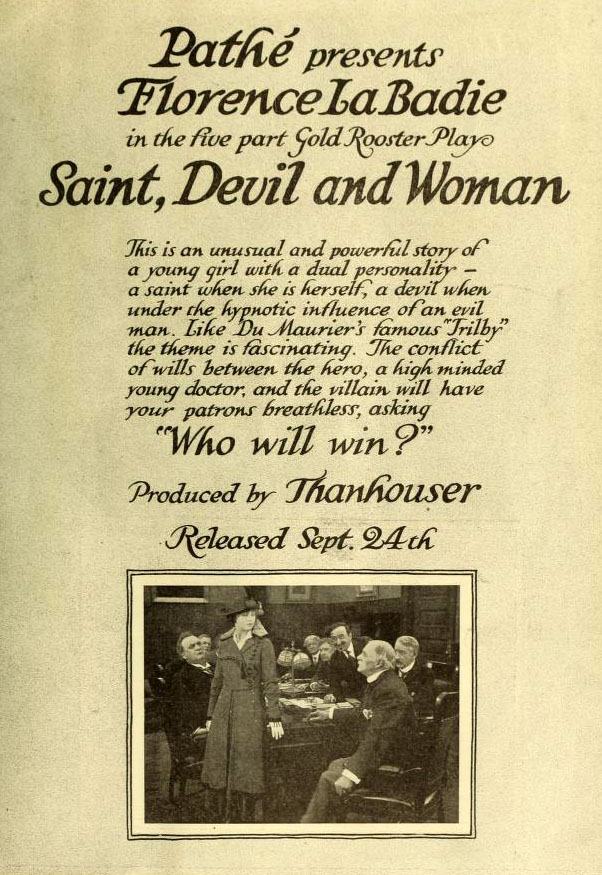
In the annals of early cinema, few narratives dared to explore the precipitous fall from grace and the arduous climb back to redemption with the psychological depth of Saint, Devil and Woman. This silent-era gem, penned by the perceptive Philip Lonergan, transcends mere melodrama to offer a profound meditation on the malleability of human character when subjected to malevolent forces. At its core, it is a searing examination of innocence corrupted, power abused, and the enduring struggle to reclaim one's authentic self from the clutches of engineered depravity. The film’s very title, a triptych of contrasting archetypes, foreshadows the intricate moral landscape it traverses, inviting audiences to ponder the fluid boundaries between virtue and vice that reside within every individual, particularly when external pressures begin to warp internal compasses. It's a testament to the era's storytelling prowess that such complex themes could be conveyed through visual narrative alone, relying heavily on the nuanced performances of its cast and the evocative power of its cinematography.
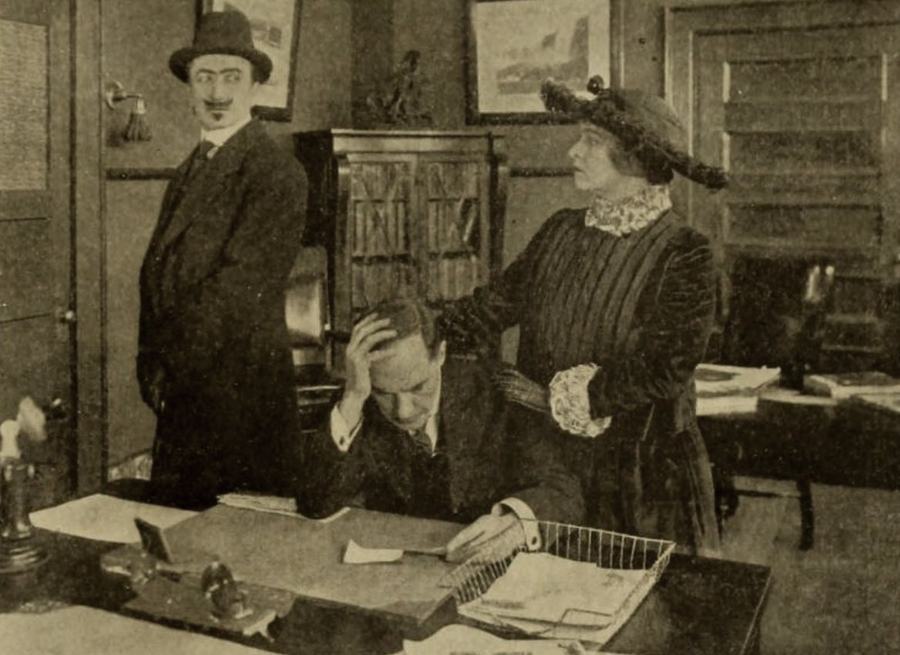
The narrative commences within the serene confines of a convent, where our protagonist, portrayed with captivating fragility by the luminous Florence La Badie, has been nurtured in an environment of piety and unblemished virtue. Her world is one of quiet contemplation, devotional rituals, and an almost idyllic detachment from the moral ambiguities of secular existence. This cloistered existence, however, is abruptly shattered by the news of her uncle's death, an event that catapults her into the unfamiliar and dangerous realm of inheritance and worldly affairs. It is here that she encounters her father's executor, a character of chilling cunning brought to life by Claus Bogel. This individual, a master manipulator, quickly identifies the young woman's vulnerability and her substantial inheritance as tools for his nefarious designs. His influence is not a sudden, overt act of malice, but a gradual, insidious erosion of her moral foundations, much like a slow-acting poison. He systematically isolates her, feeds her distorted truths, and subtly encourages a burgeoning sense of entitlement and disregard for others, transforming her once-gentle spirit into something hard and unyielding. The visual storytelling of the silent era masterfully conveys this psychological warfare; a shift in her posture, a hardening of her gaze, the opulent, yet isolating, environments she now inhabits—all speak volumes without a single uttered word. Her journey is not merely a change in circumstance, but a profound metamorphosis of character, a tragic testament to how easily even the purest intentions can be twisted. In some ways, her plight echoes the moral quandaries presented in films like Kreutzer Sonata, where societal pressures and manipulative individuals drive characters to extreme, often destructive, actions, revealing the fragility of moral conviction when tested by overwhelming external forces. The film posits a discomforting question: is true goodness an inherent state, or merely a product of environment, easily dismantled once that protective shell is breached?
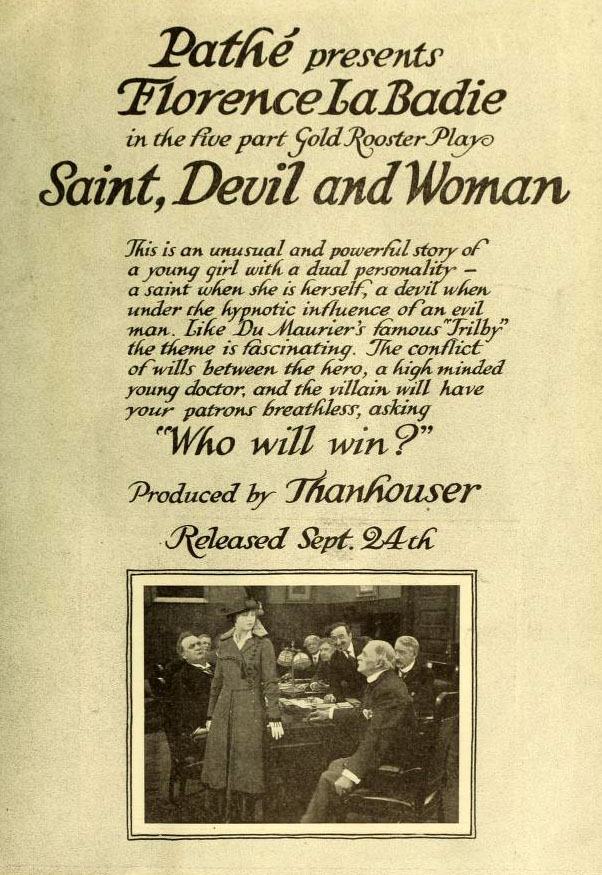
The executor stands as the quintessential silent film villain—suave, calculating, and utterly devoid of genuine empathy. Claus Bogel's portrayal relies heavily on gestural acting and facial expressions, conveying a chilling blend of polite deference and predatory intent. His machinations are not crude or overtly violent; rather, they are psychological, aimed at corrupting the protagonist's very soul. He exploits her naiveté, twisting her perception of the world and her place within it. The wealth she inherits, which should have been a blessing, becomes the primary instrument of her undoing, weaponized by the executor to isolate her further and solidify his control. He teaches her to view society through a cynical lens, to see people as pawns, and to wield her financial power with ruthless abandon. This transformation is pivotal, as it shifts her from a passive victim to an active, albeit manipulated, agent of societal disruption. The film excels in demonstrating how such 'dark influence' operates not through brute force, but through a subtle, persistent chipping away at moral integrity, fostering a sense of entitlement and superiority that justifies increasingly questionable actions. This narrative thread, where immense wealth becomes a corrupting force, resonates with the themes explored in Business Is Business, a film that similarly critiques the moral compromises inherent in the pursuit and maintenance of financial power. The executor's success lies in his ability to make the protagonist believe that her new, cruel persona is, in fact, her true liberation, thereby trapping her in a gilded cage of his own design.
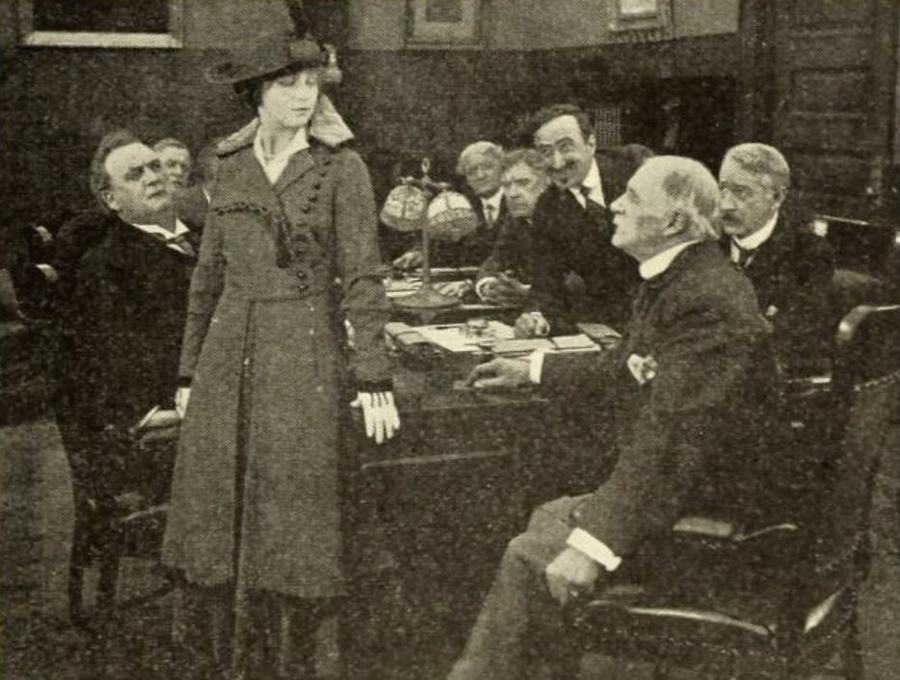
As the protagonist fully embraces her 'devil' persona, fueled by the executor's guidance and her vast inheritance, her actions begin to ripple outwards, threatening the very fabric of society. Her wealth, once a symbol of potential philanthropy, becomes a weapon of caprice and cruelty. She embarks on ventures that are morally dubious, uses her influence to undermine rivals, and treats those around her with disdain, believing her affluence grants her immunity from consequence. This aspect of the narrative offers a potent critique of unchecked power and the corrupting nature of absolute wealth, particularly when wielded by an individual whose moral compass has been deliberately broken. The film depicts her as a force of disruption, not necessarily through grand, criminal acts, but through a pervasive arrogance and a casual disregard for communal well-being. This societal threat is insidious; it erodes trust, fosters cynicism, and demonstrates how individual moral decay can have far-reaching, detrimental effects on the collective. The portrayal is compelling precisely because it avoids simplistic villainy, instead showing a woman who, though manipulated, actively participates in her own moral decline, believing she is exercising strength. The chaos she sows is a direct consequence of her warped worldview, a world where money dictates right and wrong. Comparing this to films like Tainted Money, where financial gains come at a moral cost, or Pennington's Choice, which explores the ethical dilemmas surrounding wealth, Saint, Devil and Woman adds a layer of tragic manipulation, where the protagonist is both perpetrator and victim. Her opulent lifestyle becomes a gilded cage, isolating her even as it grants her immense, destructive power.
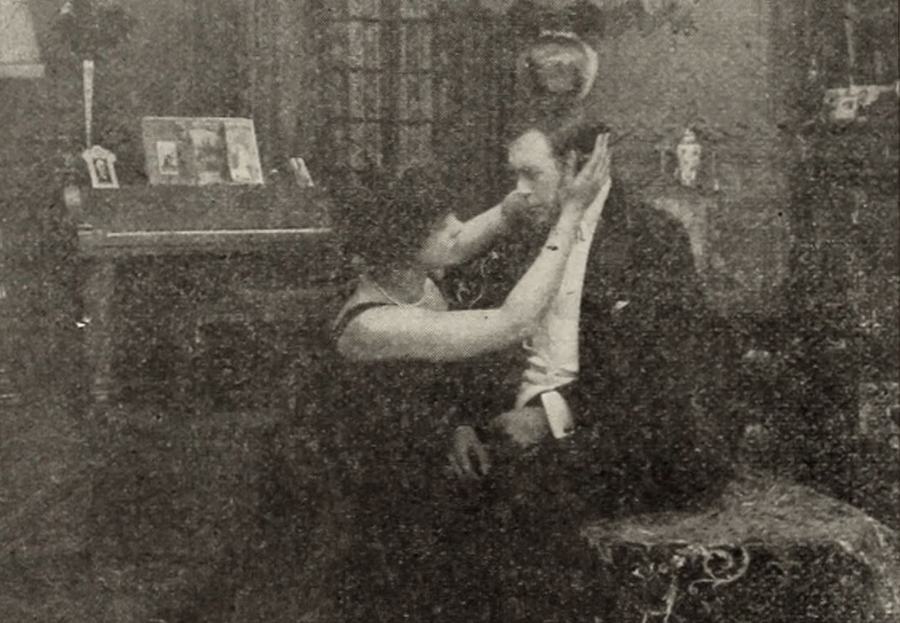
Amidst this swirling vortex of avarice and moral decay, a figure of profound integrity emerges: the doctor, played with a quiet strength and unwavering resolve by Wayne Arey. He represents the 'saint' aspect of the film's title, a counterpoint to the darkness that has engulfed the protagonist. His role is not merely that of a healer of physical ailments, but a physician of the soul, dedicated to excavating the vestiges of her true nature from beneath the layers of engineered malice. The doctor's method is not one of confrontation or judgment, but of patient understanding, empathy, and a persistent belief in the inherent goodness of humanity. He observes her destructive patterns, recognizes the signs of manipulation, and, through a series of subtle interventions and unwavering support, begins to chip away at the facade of cynicism and cruelty. The process of restoring her true self is depicted as a gradual reawakening, a journey of self-discovery where she slowly begins to question the dictates of her executor and confront the emptiness of her power-driven existence. This arc of redemption is arguably the most compelling aspect of the film, offering a powerful message about the possibility of moral reclamation, even from the deepest pits of depravity. It suggests that true healing extends beyond the physical, delving into the psychological and spiritual realms. This restorative journey can be conceptually linked to the thematic quest for self-realization found in films like The Call of the Dance or even the dramatic shifts in perspective seen in The Lottery Man, albeit with a far more profound moral dimension. The doctor, in essence, becomes a moral compass, guiding her back through the fog of manipulation towards the clarity of her original, untainted self, proving that the human spirit, though wounded, possesses an extraordinary capacity for recovery and enlightenment.
The success of Saint, Devil and Woman hinges significantly on its cast, who, through the expressive medium of silent film, convey a spectrum of complex emotions without the aid of dialogue. Florence La Badie's performance is particularly noteworthy. Her initial portrayal of convent-bred innocence is utterly convincing, making her subsequent descent into a hardened, manipulative persona all the more tragic and impactful. She navigates this radical transformation with a subtlety that belies the often-exaggerated acting styles of the era, using her eyes and body language to articulate internal turmoil and external cruelty. Claus Bogel, as the malevolent executor, delivers a masterclass in silent villainy, his every gesture dripping with calculated malice. His ability to project menace and control through mere glances and a slight curl of the lip is remarkable. Wayne Arey's doctor provides a crucial anchor of moral rectitude, his calm demeanor and empathetic expressions offering a stark contrast to the surrounding darkness. The supporting cast, including Blanche Davenport, Ernest Howard, Ethyle Cooke, and Hector Dion, contribute to the rich tapestry of characters, each playing their part in the moral drama. Philip Lonergan's screenplay, even without dialogue, constructs a compelling narrative arc, allowing for both the gradual corruption and the arduous journey back to self. The direction, though uncredited for a specific individual director in many records, effectively utilizes the visual language of silent cinema—expressive close-ups, dramatic compositions, and well-paced intertitles—to build suspense and convey emotional depth. The period's cinematography, while lacking the sophisticated techniques of later eras, still manages to create evocative atmospheres, from the starkness of the convent to the lavish, yet suffocating, interiors of the protagonist's new life. This visual storytelling is paramount, allowing the audience to infer the psychological shifts and moral battles being waged within the characters. The film's ability to communicate such a nuanced narrative through purely visual means is a testament to the artistry prevalent in early cinematic endeavors, showcasing how silent films were far from simplistic, often employing sophisticated techniques to engage their audiences on a profound emotional and intellectual level.
Saint, Devil and Woman stands as more than just a historical artifact; it is a timeless exploration of human nature's duality. Its themes of innocence lost, the corrupting influence of power, and the arduous path to redemption remain profoundly relevant, echoing through cinematic narratives even today. The film challenges viewers to consider the impact of environmental factors on moral development and the resilience of the human spirit in overcoming engineered malice. While it may not possess the widespread recognition of some of its contemporaries, its narrative sophistication and the compelling performances of its cast, particularly Florence La Badie, cement its place as a significant contribution to early American cinema. It offers a fascinating glimpse into the moral preoccupations of its era, reflecting societal anxieties about wealth, influence, and the protection of virtue. The film's enduring power lies in its ability to transcend the limitations of its silent medium, communicating a story that is both deeply personal and broadly universal. It serves as a potent reminder that the battle between good and evil is often fought not on grand battlefields, but within the intricate landscapes of the human heart and mind, a struggle that cinema, even in its nascent form, was uniquely capable of capturing with compelling artistry. For enthusiasts of silent film, it's a compelling watch, offering both historical insight and a resonant, dramatic experience that continues to provoke thought long after the final intertitle fades. Its exploration of moral transformation, from 'saint' to 'devil' and back to a more nuanced 'woman,' provides a rich ground for discussion and appreciation of early film as a powerful storytelling medium, proving that strong narratives and compelling performances are indeed timeless, regardless of technological advancements. The film's legacy is perhaps best understood as a quiet yet powerful testament to the enduring human capacity for both profound error and profound grace.
IMDb —
1921
Community
Log in to comment.