Summary
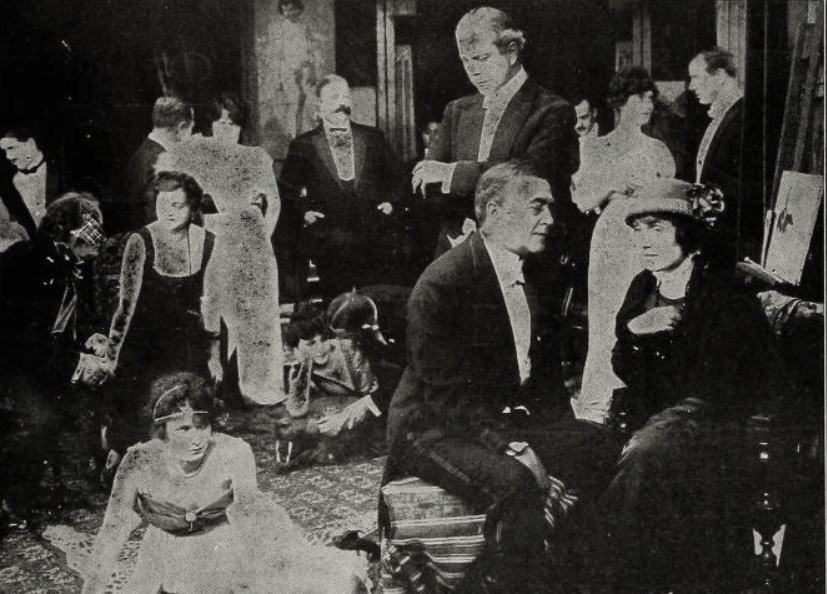
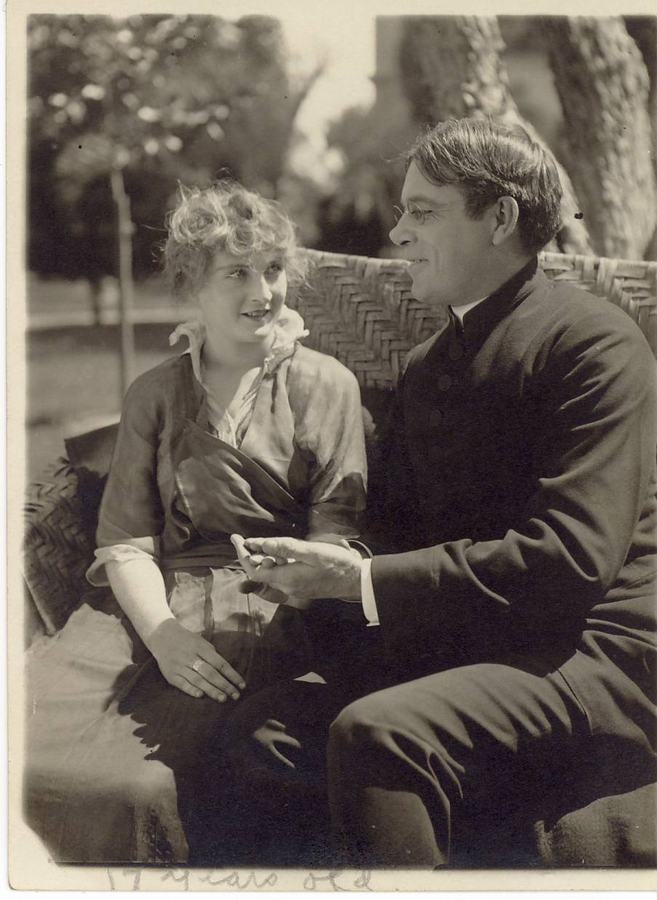
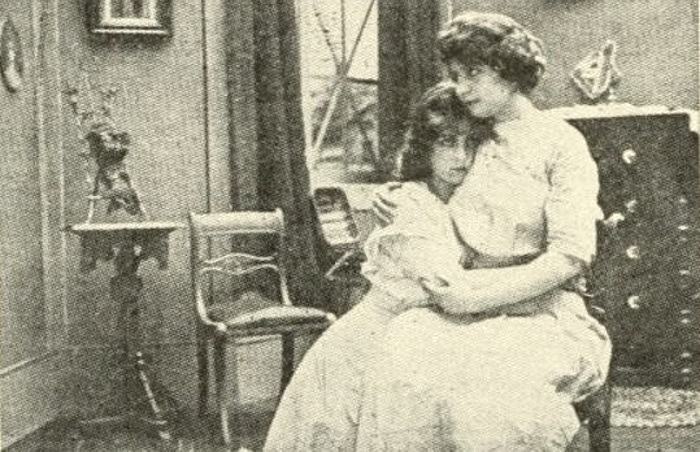
A cathedral of marital vows cracks beneath the weight of whispered suspicions in this 1915 chamber-piece: celebrated barrister Oliver, whose oratory can un-knot the knottiest litigation, treats his own hearth as a trivial parlor game, confident that Elizabeth—his luminous, ink-stained spouse whose magazine columns lecture the nation on rectitude—will eternally absolve him. Into their gilded cage slither Charles the decadently gifted painter and Catherine the professional coquette; while Oliver dallies with Catherine amid cigar haze and champagne afterglow, Elizabeth retaliates by staging an exquisite lie: she lets the rumor mill believe she has surrendered to Charles’s besotted brushstrokes, though her body remains unblemished. The ruse curdles into public scandal; a cradle appears; Oliver, once her self-appointed Caesar, now questions the imperial bloodline. Society’s guillotine falls—divorce, exile, the infant’s fatal fever. Only when Charles, expiring in a garret reeking of turpentine and regret, bequeaths a deathbed affidavit does Oliver confront the magnitude of his credulous pride. Reunion arrives atop a tiny coffin: husband and wife clasp hands over the hollow that their vanity excavated, the first law of societal order restored through private catastrophe.
Synopsis
Oliver and Elizabeth wed. He is a famous lawyer, careless of his personal conduct, but has implicit faith in Elizabeth. She is a woman of strong mind, a magazine writer of repute, and believes he should guide himself by the same code that governs her. Two of their associates are profligates, Charles, an artist, and Catherine. Oliver trifles with Catherine and this so embitters Elizabeth, that she pretends to receive the attentions of Charles, although it is made clear that she has remained pure. Nevertheless, she purposely permits her husband to believe otherwise. He has considered her like Caesar's wife, but his faith is shattered. A child is born to her and the father doubts its parentage. Worse than this, society also believes her guilty. A divorce separates Oliver from Elizabeth. She is ostracized with her child. In the end the evidence of her purity, which she had purposely concealed, becomes known to Oliver through the dying confession of Charles, and the husband and wife are reconciled and Elizabeth is vindicated, but only after she has seen and regretted the folly of her rebellion against the first law of society. The death of their child plays a large part.
Review Excerpt
"
a{color:#0E7490;text-decoration:underline}h2{color:#C2410C;margin-top:2em}blockquote{border-left:4px solid #EAB308;padding-left:1em;margin:1.5em 0;font-style:italic;opacity:.9}
I. The Marble Façade Cracks
Oliver’s profession is persuasion: in wig and gown he bends juries like reeds, yet within his own drawing room he never imagines himself on trial. The film’s first reel glitters with top-hatted arrogance—Edeson plays him as a man who signs contracts in bold ink and kisses promises in disapp..."