DbcultAccessing Vault...
Cult Review
Senior Film Conservator
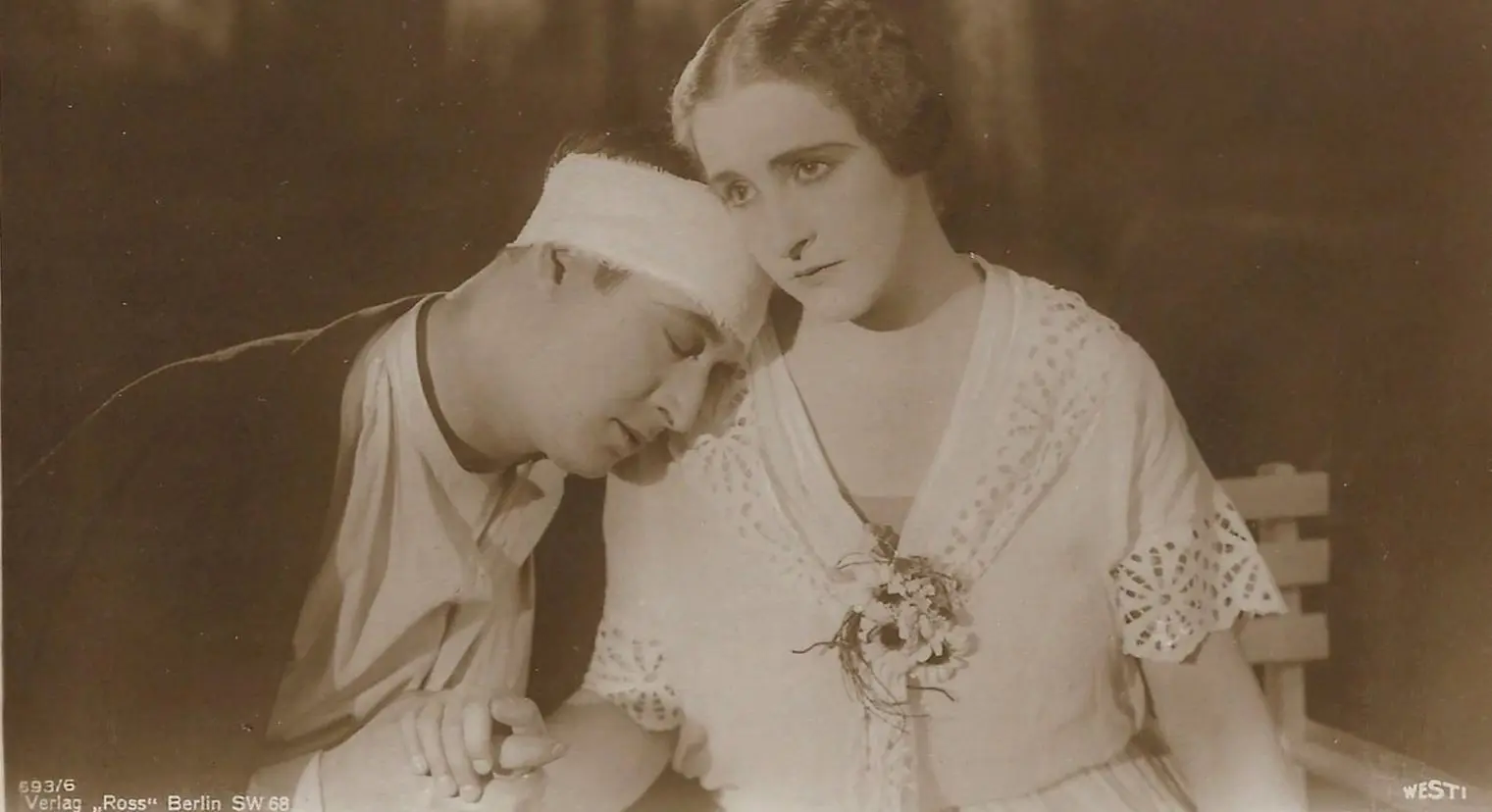
Is “Das goldene Kalb” a silent film worth unearthing and watching today? Short answer: yes, absolutely, but with significant caveats. This 1920 German drama, directed by Peter Paul Felner and written by Ferenc Herczeg, is a fascinating time capsule, a potent moral fable, and a testament to the expressive power of early cinema, yet it demands a certain patience and appreciation for its historical context.
It is a film crafted for devotees of silent-era storytelling, those who appreciate overt thematic declarations and the grand, often theatrical, performances characteristic of the period. Conversely, it is decidedly not for viewers accustomed to rapid-fire pacing, subtle character development, or contemporary narrative structures; those seeking modern cinematic thrills will find it a challenging watch.
“Das goldene Kalb” (The Golden Calf) is less a subtle character study and more a sweeping, allegorical examination of unchecked ambition and the corrupting influence of wealth. It's a film that doesn't shy away from its didactic purpose, presenting a stark morality play through the rise and fall of its protagonist, Franz. The writers, Ferenc Herczeg and Peter Paul Felner, craft a narrative that, while perhaps familiar in its beats, remains remarkably effective due to its clarity and conviction.
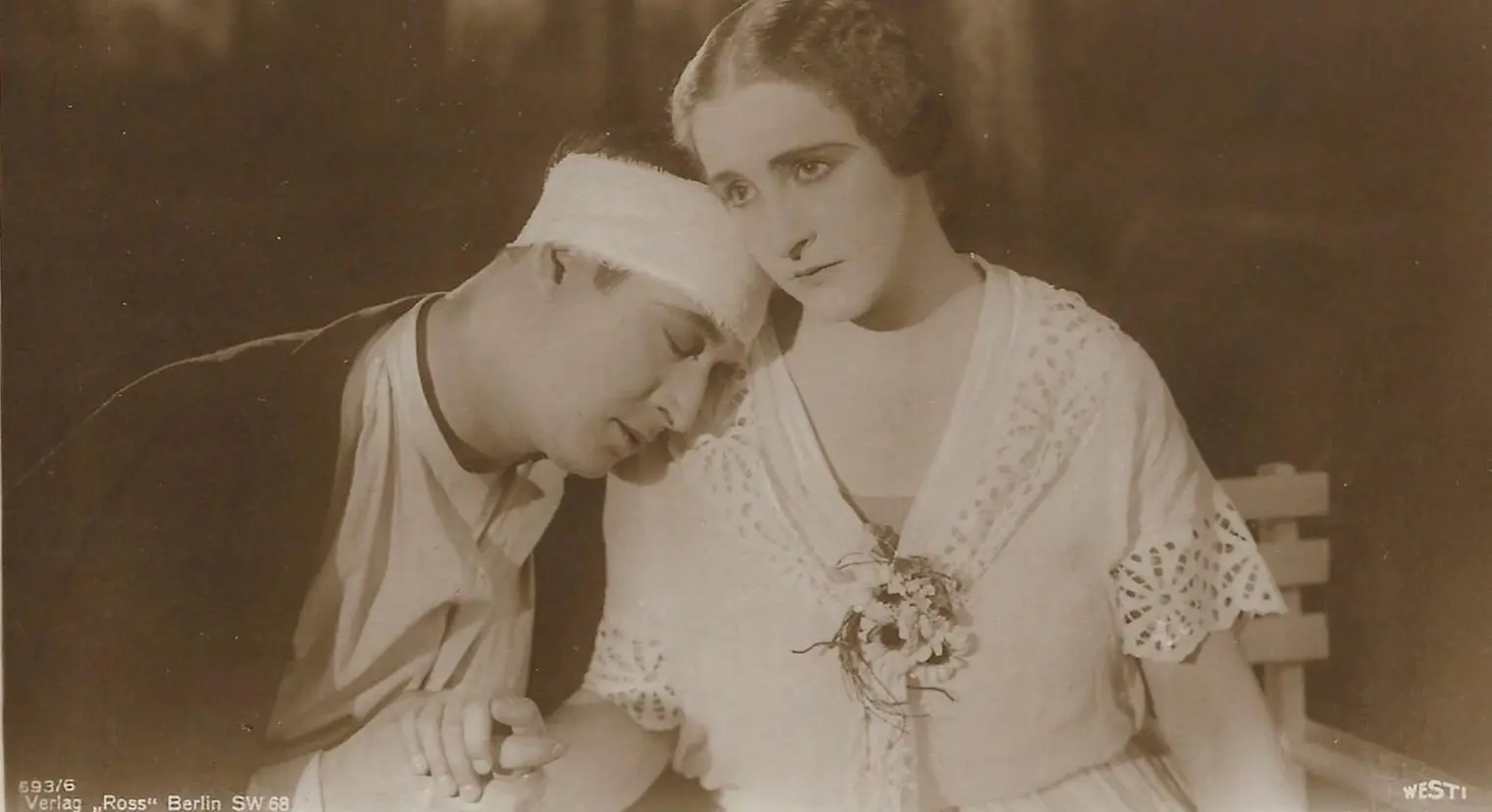
The film works because it commits wholeheartedly to its central metaphor. The “golden calf” isn't just a title; it’s the very heart of the story, manifesting in every lavish set piece and every increasingly desperate decision made by Franz. This unwavering focus gives the film a thematic strength that transcends its silent-era limitations.
However, this film fails because its characters, while well-acted, often serve more as archetypes than fully realized individuals. Their arcs, particularly Franz's descent, can feel predetermined, sacrificing psychological nuance for the sake of the overarching moral message. The swiftness of some pivotal character shifts, especially Franz's abandonment of Maria, can feel jarring to a modern sensibility.
You should watch it if you are fascinated by the socio-economic anxieties of post-World War I Europe, appreciate the theatricality and visual storytelling of early German cinema, or simply seek a compelling, if somewhat heavy-handed, moral fable about the dangers of greed.
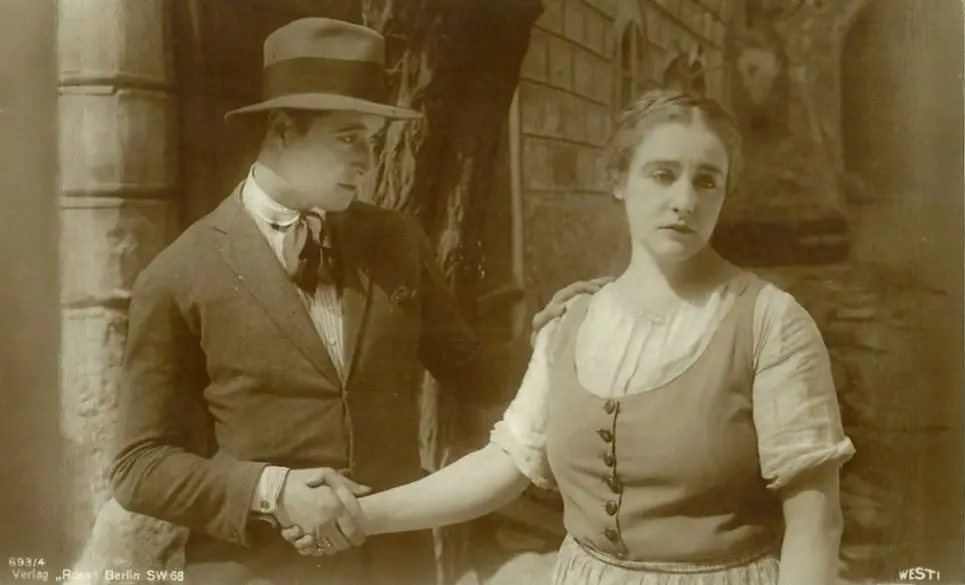
The ensemble cast of “Das goldene Kalb” delivers performances that range from subtly poignant to gloriously over-the-top, a hallmark of silent film acting. Johannes Riemann, as Franz, carries the weight of the film's moral journey on his shoulders, portraying a man initially earnest and full of hope, then gradually consumed by avarice. His transformation is conveyed through increasingly hardened facial expressions and a more aggressive physicality, particularly evident in his dismissive gestures towards Maria during their later encounters. Riemann's performance anchors the film, making Franz's eventual downfall feel earned, even if his initial corruption seems too rapid.
Henny Porten, a colossal star of the era, brings a quiet dignity and heartbreaking vulnerability to Maria. Her expressive eyes and restrained gestures communicate a profound sense of betrayal and enduring love. In a pivotal scene where Maria confronts Franz in his lavish new office, Porten's ability to convey sorrow and strength simultaneously, without a single spoken word, is a masterclass in silent acting. Her portrayal serves as the film's moral compass, a stark contrast to the superficiality that surrounds Franz.
Olga Engl, as Countess Vera, embodies the glamorous, yet ultimately hollow, allure of Franz's new world. Her performance is one of calculated charm and cold ambition, her elegant costumes and aloof demeanor perfectly encapsulating the seductive power of high society. Albert Steinrück, as the manipulative financier Herr von Hagen, is suitably menacing, his piercing gaze and authoritative posture projecting an aura of ruthless control. Together, these performances create a vivid tapestry of human ambition and despair, even within the confines of silent cinema's expressive language.
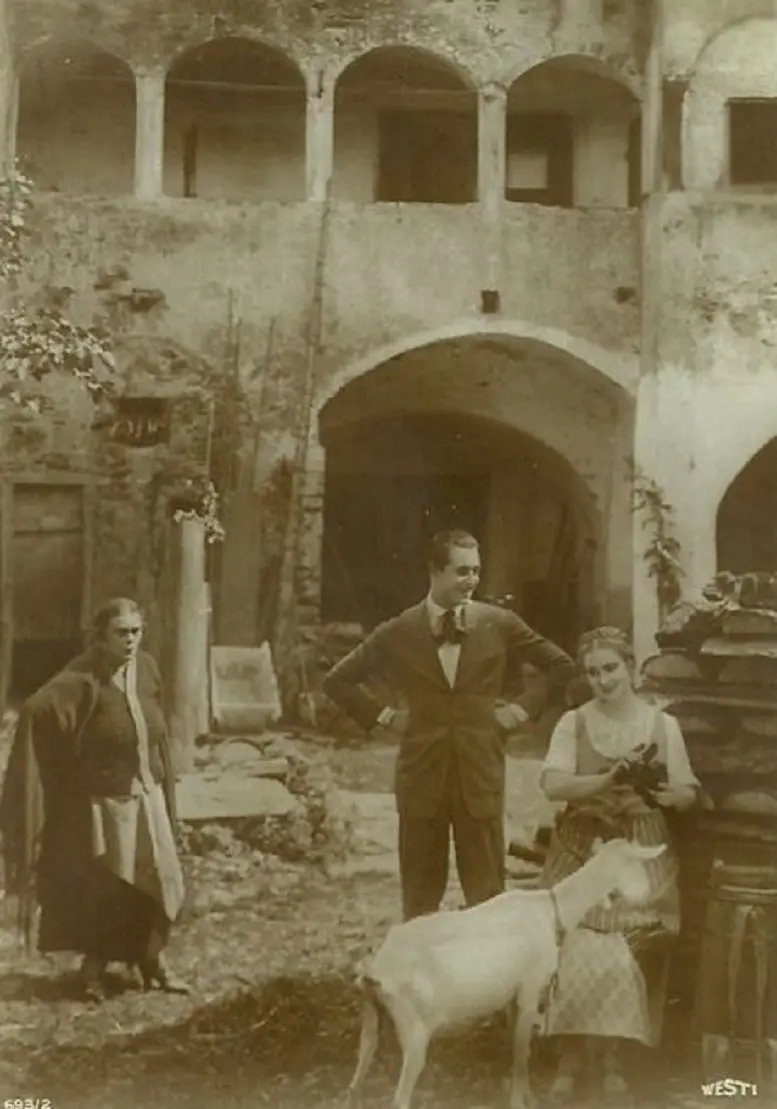
Peter Paul Felner's direction of “Das goldene Kalb” is characterized by a strong visual sense and a clear commitment to the film's thematic core. Felner, along with his cinematographer, utilizes deep focus and striking compositions to enhance the narrative. The contrast between the cramped, humble settings of Franz's early life and the sprawling, ornate mansions he later inhabits is not just a backdrop but a character in itself, actively commenting on his moral trajectory. The visual language is direct, almost like a sermon delivered through light and shadow.
One particularly effective visual choice is the recurring motif of mirrors and reflective surfaces in Franz's opulent surroundings. They initially suggest self-reflection and increasing vanity, but by the film's climax, they distort his image, hinting at his fractured self and the hollowness of his achievements. Felner also employs dramatic lighting to great effect, often casting characters in stark chiaroscuro, emphasizing their internal struggles and moral ambiguities. This can be seen in the shadowy corridors of von Hagen's office, which visually communicate the dubious nature of his dealings. The film's reliance on intertitles is minimal, a testament to Felner's confidence in visual communication, allowing the actors' expressions and the set design to carry much of the exposition.
The pacing of “Das goldene Kalb” is deliberate, building slowly towards Franz's inevitable downfall. This measured approach allows the audience to witness the gradual erosion of his character, though some might find the initial stages of his corruption a bit too swift. The film's tone is consistently serious, almost melancholic, reflecting its tragic subject matter. There are few moments of levity, which reinforces the weighty moral message at its heart. This unwavering tone, while effective for its purpose, can make for a heavy viewing experience, demanding sustained engagement from the audience.
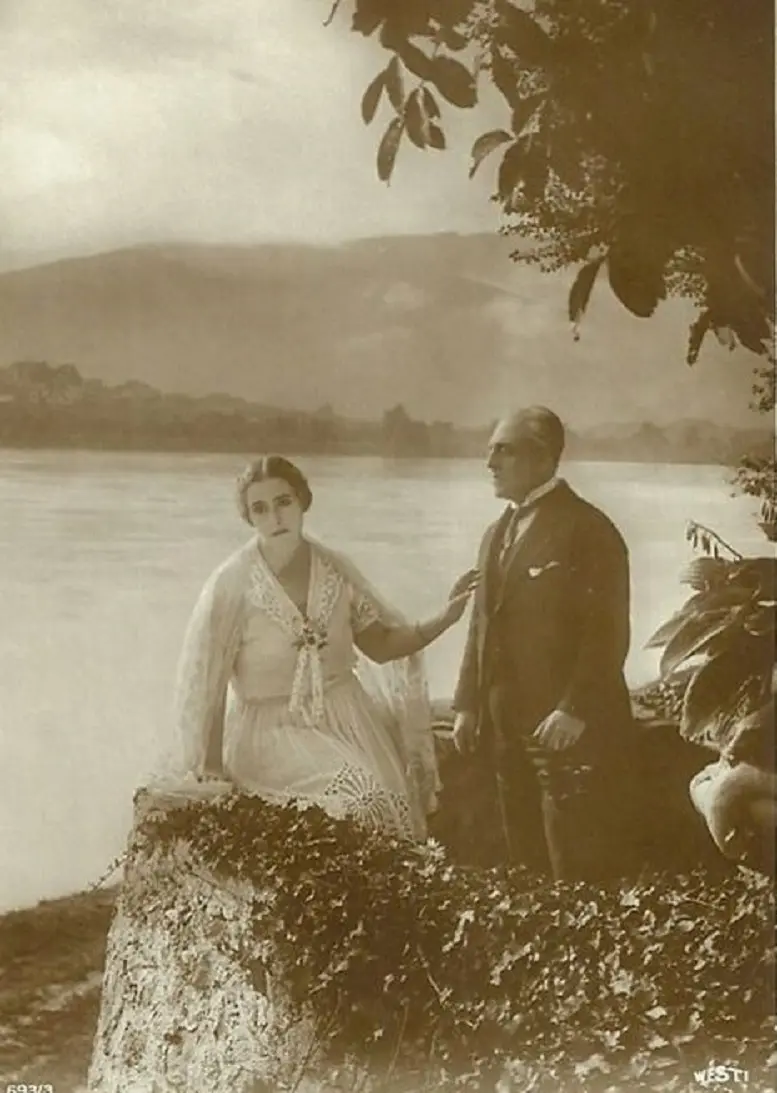
The narrative structure, moving from innocence to corruption and eventually to reckoning, is classic, but Felner imbues it with a certain urgency through the use of montage sequences depicting the frenetic pace of the stock market. These moments, though brief, effectively convey the intoxicating chaos that draws Franz deeper into its grasp. The film does not rush its ending; instead, it allows Franz's consequences to unfold with a tragic inevitability, making the final scenes resonate with a profound sense of loss and regret.
Yes, “Das goldene Kalb” is absolutely worth watching today for specific audiences. It offers a valuable glimpse into early German cinema and its powerful social commentary. The film's themes of greed, ambition, and moral decay remain strikingly relevant. It serves as an excellent example of silent-era acting and visual storytelling techniques. However, prepare for a slower pace than modern cinema and a more overt, less subtle narrative style. It’s a historical document as much as it is entertainment.
Beyond the overt moralizing, “Das goldene Kalb” can also be read as a commentary on the societal shifts occurring in Germany during the Weimar Republic. The rapid economic changes, the rise of new money, and the erosion of traditional values are all subtly woven into the fabric of the story. The film's critique of unchecked capitalism resonates strongly with the anxieties of a nation grappling with post-war recovery and hyperinflation. It’s not just a story about one man; it’s a reflection of a society at a crossroads.
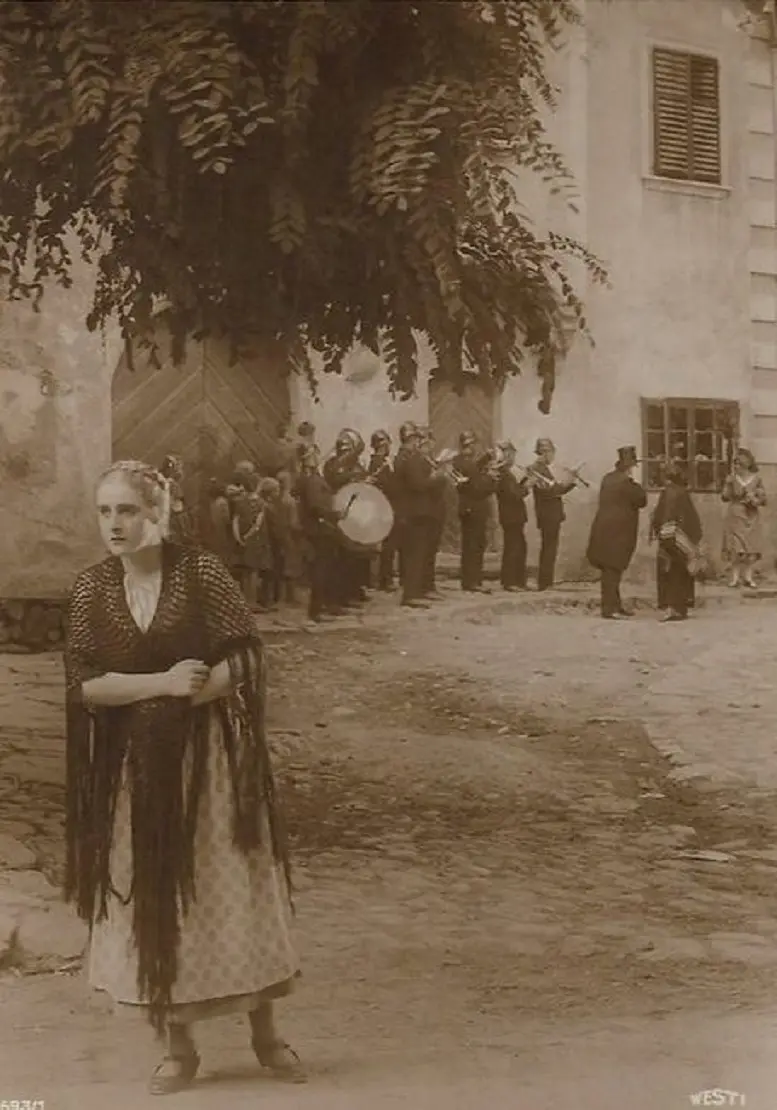
Consider the contrast between Maria's simple, honest existence and the hollow grandeur of Countess Vera's world. This isn't just a romantic dilemma; it's a clash of ideologies. The film suggests that true wealth lies not in material possessions but in integrity and human connection, a message that feels surprisingly radical for its time, especially given the allure of prosperity. The film's portrayal of the stock market as a chaotic, almost predatory entity, is also a fascinating insight into public perception of finance in the early 20th century. It feels surprisingly modern in its cynicism.
While not as widely known as some of its contemporaries like F.W. Murnau's The Avalanche or the later Expressionist works, “Das goldene Kalb” holds its own as a compelling drama. It shares thematic DNA with other films exploring moral compromise, perhaps even predating some of the more famous Hollywood cautionary tales of the 1930s. Its directness sets it apart from the more fantastical elements often found in German Expressionism, grounding its critique in a more realistic, albeit still dramatic, setting.
The film lacks the experimental flair of something like Rapax, or the lighthearted charm of Kohlhiesel's Daughters, but its strength lies in its unwavering commitment to its message. It's a film that knows exactly what it wants to say and says it with conviction. This singular focus, while occasionally leading to a lack of subtlety, ultimately makes it a powerful and memorable viewing experience for those attuned to its wavelength. It works. But it’s flawed.
“Das goldene Kalb” is a robust, if somewhat heavy-handed, moral drama that serves as a powerful testament to the storytelling capabilities of early German cinema. Directed with a strong visual hand by Peter Paul Felner and anchored by compelling performances, particularly from Henny Porten, it delivers a timeless critique of ambition and greed. While its didactic tone and deliberate pacing might not appeal to every contemporary viewer, its historical significance and the sheer emotional power of its silent performances make it a valuable watch for those willing to engage with its particular language.
It's a film that asks profound questions about the cost of success and the value of integrity, questions that remain just as pertinent today as they were a century ago. It’s not merely a relic; it’s a resonant, if flawed, piece of cinematic history that deserves to be seen.
IMDb —
1918
Community
Log in to comment.