DbcultAccessing Vault...
Cult Review
Senior Film Conservator
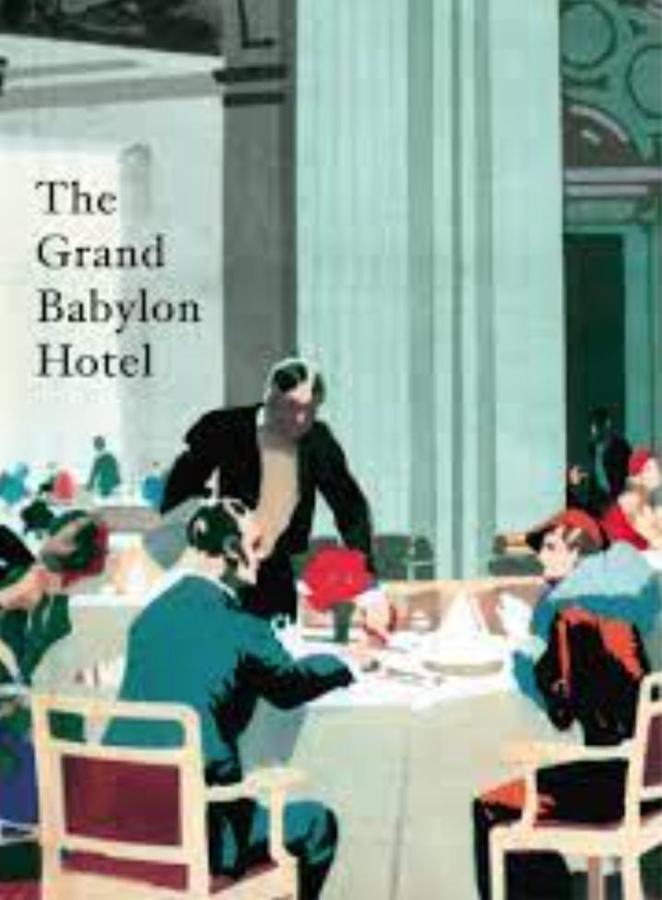
The year 1920 stood as a pivotal juncture for German cinema, a period where the burgeoning Expressionist movement began to seep into the more traditional frameworks of the Spielfilm. E.A. Dupont’s Das Grand Hotel Babylon is a superlative example of this transition, taking Arnold Bennett’s sensation novel and transmuting it into a visual feast of shadow, light, and social commentary. It is a film that ostensibly deals with the whims of the ultra-wealthy, yet it quickly descends into a labyrinthine mystery that mirrors the precarious stability of post-war Europe.
The narrative spark—a millionaire buying a hotel because his daughter was denied a steak—might seem, at first glance, like the setup for a lighthearted romp akin to The Secretary of Frivolous Affairs. However, Dupont treats this act of financial profligacy with a gravity that borders on the revolutionary. Theodore Racksole, played with a stoic yet commanding presence by Karl Falkenberg, represents the American 'New Money' that was beginning to overshadow the crumbling dynasties of the Continent. His purchase of the Grand Babylon is not merely a gesture of paternal affection; it is a hostile takeover of a lifestyle that refused to adapt to the shifting tides of the 20th century.
As we watch the transaction occur—for the idiosyncratic price of four hundred thousand pounds and a guinea—there is a palpable sense of unease. The 'guinea' itself feels like a nod to a dying era of British mercantile tradition, a vestige of a world that Racksole is effectively dismantling. This scene sets the tone for a film that is as much about the power of the purse as it is about the shadows lurking in the service elevators.
Visually, the film is a masterclass in spatial storytelling. The Grand Babylon is not just a setting; it is an antagonist in its own right. Its sprawling lobbies and claustrophobic kitchens create a dichotomy of public opulence and private rot. While it lacks the sheer, overwhelming scale of D.W. Griffith’s Intolerance, it compensates with an intimate, voyeuristic intensity. The camera lingers on the polished surfaces of the dining room before diving into the murky, subterranean depths where the hotel’s real secrets are kept.
The cinematography captures the essence of Weimar-era ingenuity. The use of mirrors and long hallways creates a sense of infinite regression, suggesting that for every door Racksole opens, ten more remain locked. It is this architectural anxiety that elevates the film above contemporary domestic dramas like He Couldn't Fool His Wife. Here, the stakes are not merely matrimonial; they are existential.
Hanni Weisse, as Nella Racksole, provides a necessary emotional anchor. Her performance escapes the melodramatic trapping of many silent-era heroines. She is not a damsel in distress but a catalyst for the unfolding mystery. Her curiosity mirrors the audience’s own, as she navigates a world where waiters vanish into thin air and princes plot in the shadows. The chemistry between the cast members, particularly the tension between the new owner and the established staff, creates a friction that drives the plot forward even during its more deliberate sequences.
Max Landa, playing the enigmatic detective figure, brings a level of sophistication that predates the more famous sleuths of the talkie era. There is a precision to his movements that suggests a man who is always three steps ahead of the conspiracy, yet even he seems dwarfed by the hotel's sheer capacity for concealment. This sense of being overwhelmed by one's environment is a theme often explored in more somber works like The Millstone, though here it is dressed in the velvet and gold leaf of a five-star establishment.
As the plot thickens, the film pivots from a social comedy into a proto-noir thriller. The disappearance of Jules, the head waiter, and the involvement of Prince Eugen of Posen transform the hotel into a microcosm of European geopolitics. The Grand Babylon becomes a neutral ground where the lines between crime and statecraft blur. In this regard, it shares a thematic DNA with Il mistero di Osiris, where ancient secrets and modern greed collide.
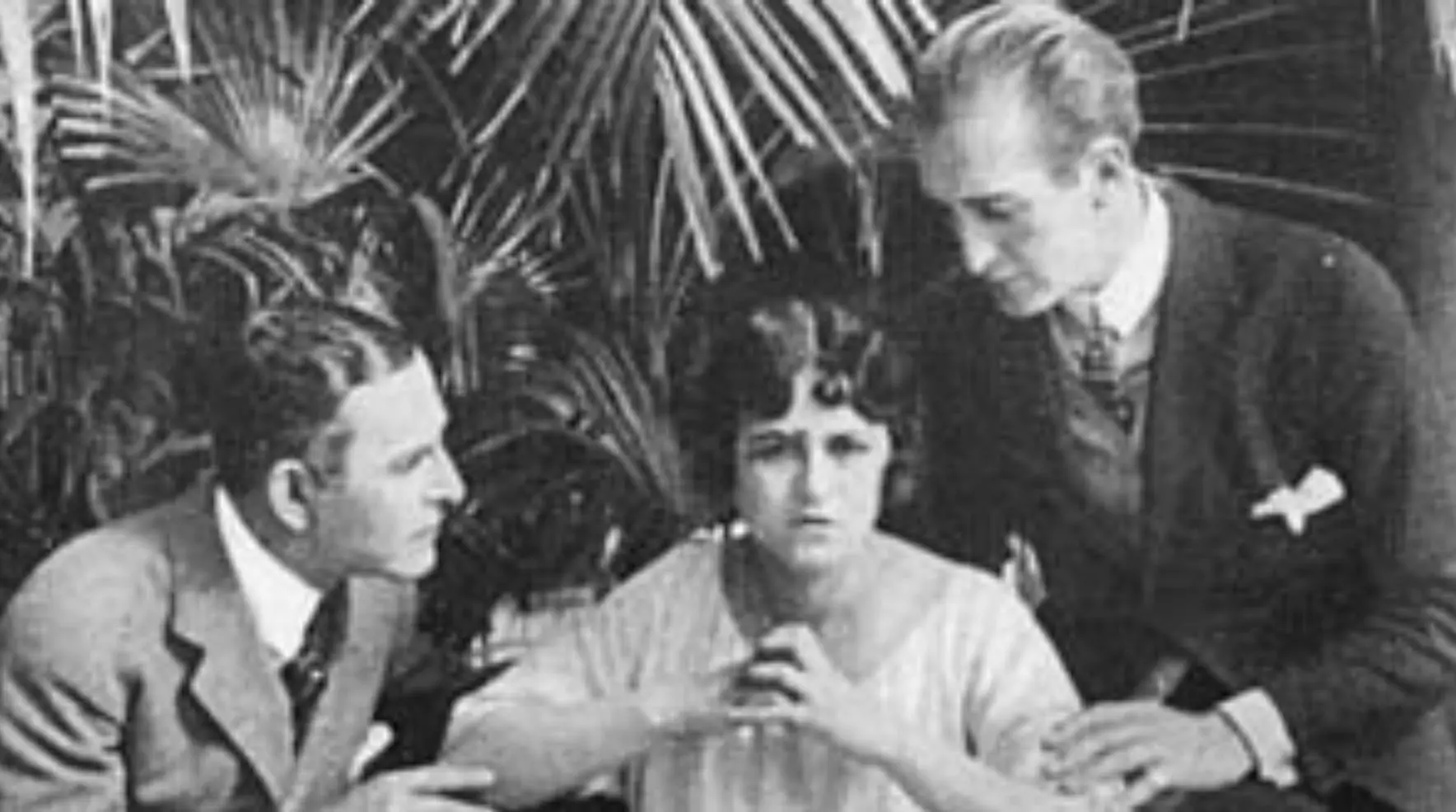
The conspirators are not merely villains; they are remnants of a social order that views Racksole’s purchase as an existential threat. Their machinations—involving kidnappings and secret passages—are a desperate attempt to reclaim a world that is being bought out from under them. This gives the film a layer of subtext that remains relevant today: the fear of the 'Other' and the destabilizing power of immense wealth.
When comparing Das Grand Hotel Babylon to other films of the period, its versatility becomes apparent. It possesses the adventurous spirit found in The Raiders, yet maintains a sophisticated, urban veneer. Unlike the rural ruggedness of The Pendleton, Oregon, Round-Up, Dupont’s work is obsessed with the refinements of civilization and the savagery that lies just beneath the surface of a tuxedo.
In terms of its dramatic weight, it rivals the emotional complexity of La verdad or Iris. However, it avoids the heavy-handed moralizing often found in those films, opting instead for a brisk, engaging mystery that rewards the attentive viewer. It even manages to incorporate a sense of joy and optimism reminiscent of The Habit of Happiness, particularly in the scenes where Racksole and Nella revel in their new-found dominion over the hotel's staff.
E.A. Dupont, who would later gain international acclaim for Varieté, shows early signs of his genius here. His ability to move the camera—not just physically, but through the editing rhythm—creates a sense of kinetic energy that was rare in 1920. The way he cuts between the silent, brooding corridors and the frantic energy of the kitchen is masterful. He understands that the 'Grand Hotel' is a machine, and he shows us every gear and piston, even as they begin to grind to a halt.
The lighting, too, deserves special mention. While not fully embracing the distorted shadows of Expressionism, there is a clear intention to use light as a narrative tool. The bright, high-key lighting of the initial purchase scenes slowly gives way to more contrast-heavy, moody compositions as the mystery deepens. It is a visual journey from the clarity of a business transaction to the obscurity of a criminal underworld.
To view Das Grand Hotel Babylon today is to witness the birth of a genre. The 'Hotel Movie'—where a diverse group of characters is brought together in a confined, luxurious space—finds one of its earliest and most compelling ancestors here. It predates the more famous Grand Hotel (1932) by over a decade, yet it feels in many ways more daring and stylistically adventurous.
The film balances its various tones with a dexterity that is truly impressive. It is a mystery that actually mystifies, a social satire that actually stings, and a thriller that actually thrills. Whether it is the tension of the missing waiter or the sheer audacity of Racksole’s £400,000 whim, the film never loses its grip on the audience’s imagination. It stands as a testament to a time when cinema was discovering its power to not only reflect the world but to reconstruct it in the image of our most opulent and terrifying dreams.
In the pantheon of Weimar cinema, it may sometimes be overshadowed by the monsters and madmen of more overtly Expressionist works, but its influence is undeniable. It is a sophisticated, multi-layered work that demands to be seen by anyone interested in the evolution of visual storytelling. It is, quite simply, a five-star experience in every sense of the word.
For those who enjoy the intricate plotting and high-society tensions of this era, I also recommend exploring The Bishop's Emeralds or the rhythmic grace of Der Tänzer. Each offers a unique perspective on the intersection of wealth and morality in early 20th-century cinema.
IMDb —
1926
Community
Log in to comment.