DbcultAccessing Vault...
Cult Review
Senior Film Conservator
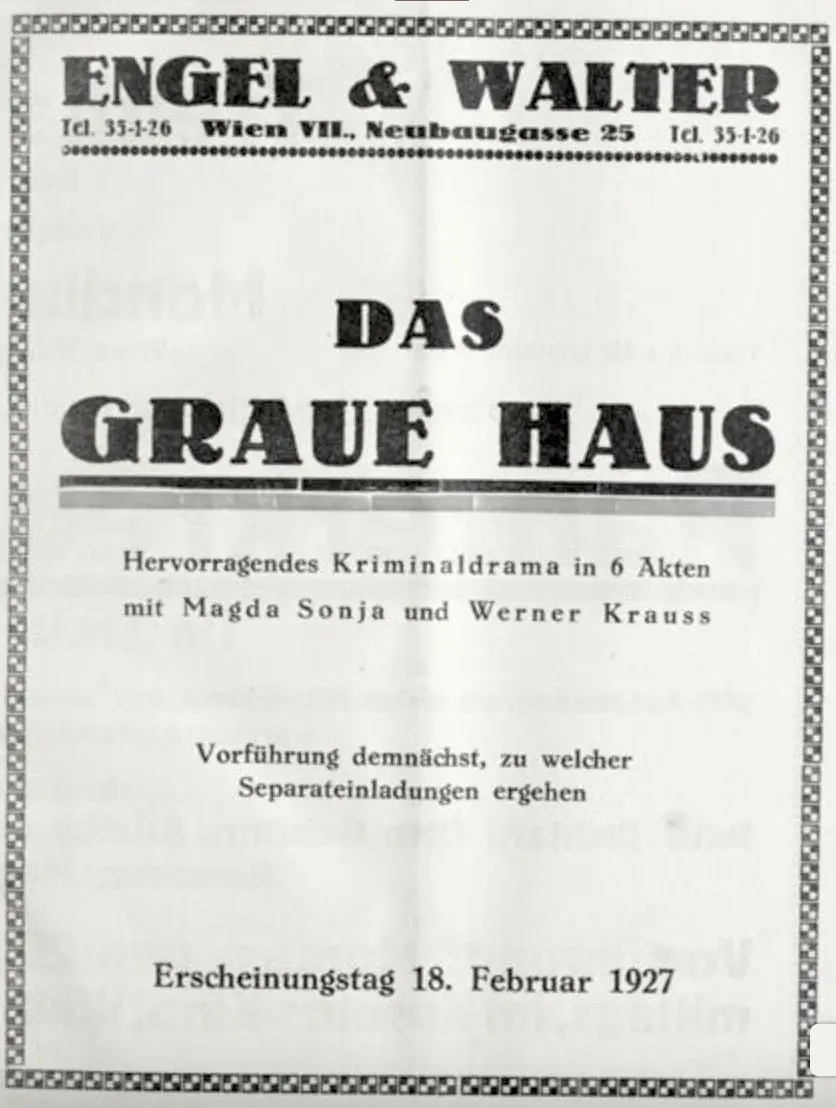
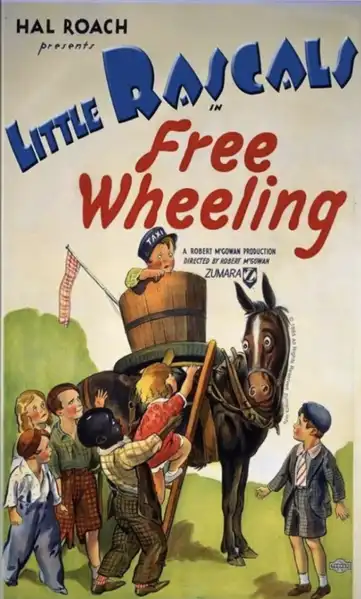
Is 1926’s Das graue Haus a film that demands your attention in the modern era? Short answer: yes, but only if you are willing to endure a heavy, unflinching descent into the psychological toll of incarceration and social shame. This film is for the dedicated cinephile and the historian of German Expressionism; it is certainly not for those seeking the escapist levity found in contemporary works like Mighty Like a Moose.
1) This film works because it utilizes its claustrophobic setting to amplify the internal rot of its characters, rather than relying on external action.
2) This film fails because its pacing can feel glacial to a modern audience, occasionally wallowing in its own misery without offering a narrative release valve.
3) You should watch it if you want to see Werner Krauss at the height of his powers, delivering a performance that redefined how authority is portrayed on screen.
The title 'The Grey House' refers to a prison, but the film treats this location as more than a backdrop. It is a living, breathing entity that swallows the light. Director Friedrich Feher (uncredited but widely associated) and the cinematographers create a world where every shadow feels intentional. Unlike the whimsical sets of Shoe Palace Pinkus, the sets here are designed to make the viewer feel the weight of the stone walls.
Consider the scene where the prison director first walks through the main cell block. The way the light hits the bars creates a rhythmic, strobe-like effect that suggests a heartbeat. It is a chilling visual metaphor. The film doesn't need sound to convey the oppressive silence of the institution. It is a masterclass in atmosphere. The 'grey' of the title isn't just a color; it is a moral state. Everyone in this film is a shade of ash.
Werner Krauss is often remembered for his more flamboyant roles, but in Das graue Haus, he exhibits a terrifying restraint. His portrayal of the prison director is a study in rigidity. When he discovers his daughter’s involvement in a scandal, his face doesn't break into a typical silent-film sob. Instead, he hardens. It is a performance of micro-expressions that feels surprisingly modern.
The supporting cast, including Georg John and Erna Morena, provide a necessary human counterpoint to Krauss’s granite presence. While Frou Frou might lean into the melodrama of the era, this film keeps its emotions bottled up until they explode. The interaction between the prisoners and the guards is depicted with a gritty realism that predates the 'New Objectivity' movement in German cinema. It is brutal. It is honest.
The writing team of Herbert Juttke and Georg C. Klaren tapped into a very specific post-war anxiety. There is a deep-seated fear of the system failing the individual. This wasn't just a story about a prison; it was a critique of the rigid social structures of 1920s Germany. The plot doesn't shy away from the idea that the 'good' people are often the most broken.
For example, the subplot involving the wrongfully accused man isn't played for cheap suspense. It is treated as an inevitability of a flawed machine. This cynicism is a stark contrast to the more hopeful narratives of the time, such as The Miracle of Life. In the Grey House, miracles are in short supply. The script is lean, focusing on the intersection of three different social classes within the prison walls.
Yes, Das graue Haus is worth watching if you want to understand the roots of the modern psychological thriller. It provides a blueprint for how to use a single location to tell a sprawling story of moral decay. While it lacks the kinetic energy of A One Cylinder Love Riot, it replaces speed with depth. It is a slow-burn experience that rewards those who pay attention to the visual cues.
The film is a significant entry in the Weimar canon because it refuses to offer easy answers. It challenges the viewer to look at the criminal and the judge and see the same human frailties. This was a bold stance in 1926, and it remains a provocative one today. It is a film that lingers in the mind long after the final intertitle fades.
Pros:
The performance by Werner Krauss is monumental. The visual storytelling is sophisticated, using shadows to convey complex emotional states. It offers a fascinating historical perspective on the German legal system of the 1920s. It avoids the over-the-top acting tropes often found in lesser silent films.
Cons:
The pacing is very deliberate, which might frustrate some. The narrative is relentlessly bleak. Some restored versions vary in quality, which can occasionally pull the viewer out of the experience.
When comparing Das graue Haus to other films of the period, like The Mystery of No. 47, you see a clear divide in intent. While the latter focuses on the 'whodunnit' aspect of crime, the former is obsessed with the 'why.' Why does society build these houses? Why do we allow ourselves to be governed by such rigid, unyielding laws? It is a much more philosophical approach to the genre.
The film also shares some DNA with The Lamb and the Lion in its exploration of power dynamics, but it strips away any sense of allegory in favor of a cold, hard look at reality. There are no lions here, only men who think they are lions and the lambs they have locked away. This lack of metaphor makes the film feel more dangerous. It’s a direct punch to the gut.
"The Grey House is not just a place where criminals go; it is where the soul of the city is weighed and found wanting."
Technically, the film is a marvel of the mid-20s. The camera movement, though limited compared to modern standards, is used with surgical precision. There is a shot where the camera pans slowly across a row of cell doors, and the timing is so perfect it creates a sense of mounting dread. This is the kind of technical craftsmanship that influenced directors for decades.
The editing is also worth noting. It doesn't use the rapid-fire cuts of the Soviet montage style but instead lets the scenes breathe. This allows the tension to build naturally. In many ways, it feels like a precursor to the film noir movement of the 1940s. The DNA of the 'Grey House' can be found in the rain-slicked streets of 1940s Hollywood.
Das graue Haus is a difficult, demanding, and ultimately rewarding piece of cinema. It doesn't care if you like it. It only cares that you see it. It is a stark reminder that the problems of 1926—justice, class, and the weight of the law—are still with us today. It works. But it’s flawed. The ending might feel too tidy for some, but the journey there is impeccable. If you can handle the silence, this house has many stories to tell. It is a vital piece of the Weimar puzzle that deserves to be seen by more than just film students.
IMDb —
1928
Community
Log in to comment.