DbcultAccessing Vault...
Cult Review
Senior Film Conservator
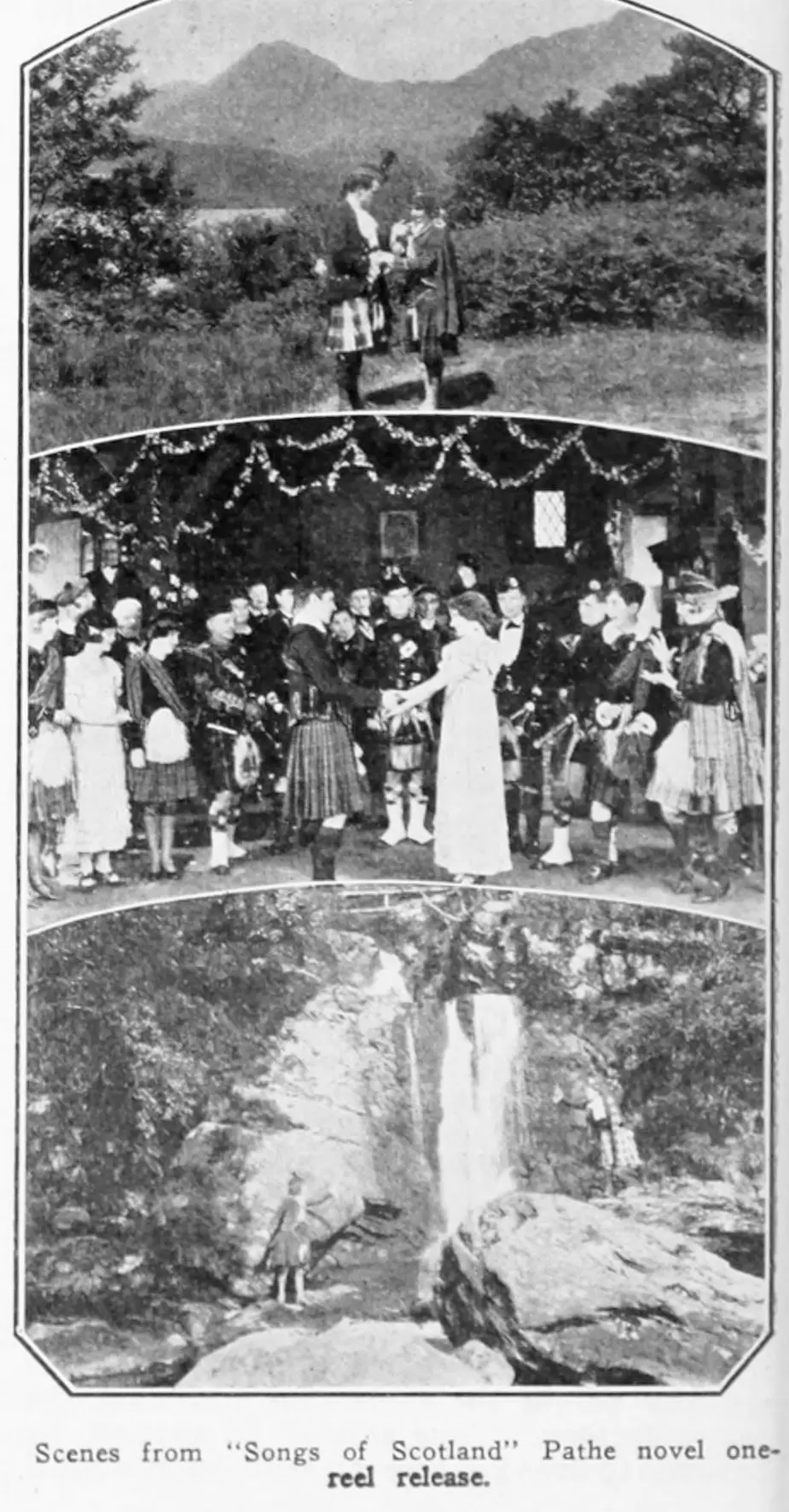
Is Songs of Scotland worth your time in the modern era? Short answer: yes, but only if you have an appetite for the slow-burn sentimentality of early 20th-century silent cinema. This film is for the patient historian and the romantic who finds beauty in grainy, flickering frames; it is certainly not for those seeking the high-octane pacing of contemporary drama.
James A. FitzPatrick, better known for his later 'Traveltalks' series, delivers a narrative that feels like a folk song translated to celluloid. It is simple. It is earnest. It is occasionally clunky. But it possesses a soul that many higher-budget productions of its era lacked.
This film works because it understands the universal anxiety of leaving home and the fear of 'what if' that haunts every ambitious young person.
This film fails because its secondary plot involving the old man and the mother feels rushed compared to the primary romance, leaving the final act feeling slightly unbalanced.
You should watch it if you enjoy exploring the roots of cinematic storytelling and want to see Peggy Shaw and James Knight at the height of their silent-era charisma.
Before James A. FitzPatrick became the man who showed the world to the world, he was refining his eye for location and atmosphere. In Songs of Scotland, the setting is more than a backdrop; it is a character. The way the light hits the rugged terrain during the parting scene creates a sense of isolation that dialogue would only diminish. Unlike the more staged feeling of The House Built Upon Sand, this film feels grounded in its environment.
The cinematography, though limited by the tech of 1923, manages to capture a specific type of melancholy. There is a shot where the lad looks back at his sweetheart’s cottage from a distance. The framing is tight, almost claustrophobic, symbolizing the emotional weight of his departure. It is a moment of pure visual storytelling that requires no intertitles to explain the conflict between greed and love.
Compare this to the grander, more operatic scale of I promessi sposi, and you see that Songs of Scotland is a much more intimate affair. It doesn't aim for the epic; it aims for the heart. It succeeds by keeping its stakes personal. The lad isn't trying to save a kingdom; he's trying to save his own future from the bitterness of regret.
Peggy Shaw carries the emotional weight of the first act. Her performance is subtle for the era. She avoids the wild gesticulations common in 1920s melodramas, opting instead for a quiet, simmering sadness. When she parts with James Knight, her eyes do the heavy lifting. It’s a masterclass in silent expression that rivals the work seen in Breaking Home Ties.
James Knight plays the lad with a stoic resolve that eventually cracks under the weight of the old man's wisdom. Their encounter on the road is the film's turning point. The old man, played with a weary dignity, serves as a literal ghost of Christmas future. He represents the path of the lonely traveler who prioritized the 'mark in the world' over the warmth of the hearth. It’s a bit on the nose. But it works.
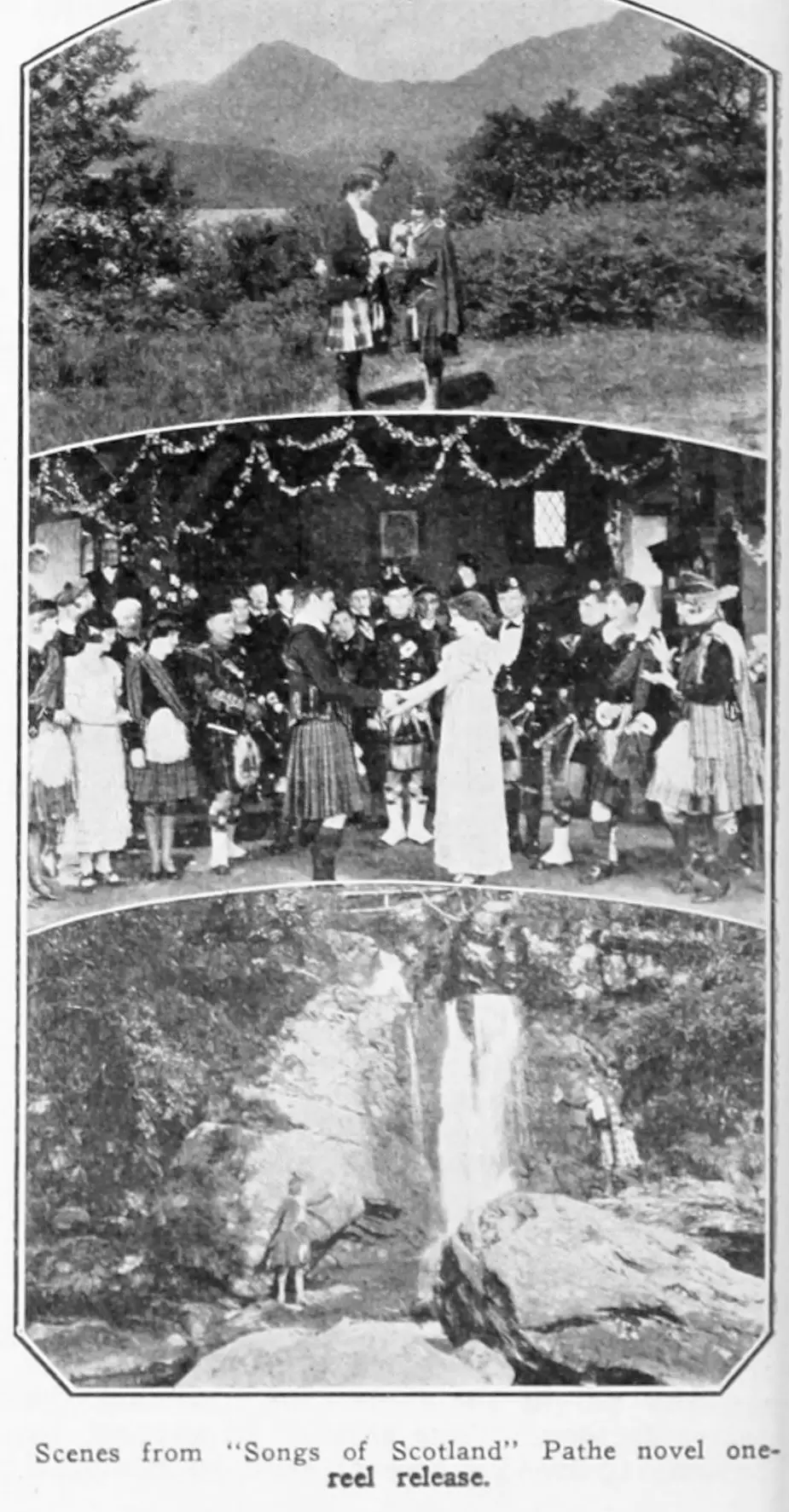
The chemistry between the leads is palpable, even through the haze of a century-old print. When they finally reunite, the relief is earned. However, the film takes a strange turn by introducing the second marriage. This is where the narrative loses some of its momentum. While the thematic link—that love is timeless—is clear, the execution feels like a separate short film tacked onto the end.
Songs of Scotland is worth watching if you are a fan of early 20th-century romantic dramas. It offers a unique look at the early career of James A. FitzPatrick and features strong performances from Peggy Shaw and James Knight. While the double-marriage plot may feel dated to modern audiences, the film's core message about the value of love over ambition remains relevant.
For those who have seen Jamestown or '49-'17, you will recognize the evolving language of cinema here. The editing is tighter than many of its contemporaries, and the use of the 'old man' figure as a narrative catalyst is a clever, if traditional, device. It’s a quiet film. It’s a short film. But it’s a meaningful one.
Most critics focus on the young lovers. I find the old man’s pursuit of the mother far more compelling. In 1923, cinema was obsessed with youth. To show an elder man actively seeking companionship and the mother figure as a woman with her own romantic agency was surprisingly progressive. It breaks the mold of the 'sacrificial mother' seen in films like The City of Silent Men.
This subplot challenges the viewer to think about the longevity of desire. It suggests that the lad's return wasn't just a happy ending for him, but a catalyst for the entire community to re-evaluate their priorities. The old man isn't just a plot device; he’s a man seeking redemption for his own missed opportunities. That is a heavy theme for what is essentially a folk-drama.
"The lad leaves. He regrets it. He comes back. It is a simple cycle, but FitzPatrick imbues it with a sense of cosmic inevitability that makes the small-town stakes feel like a matter of life and death."
The pacing of Songs of Scotland is its greatest hurdle. The middle section, where the lad contemplates his journey, feels stretched. Yet, this slowness allows the atmosphere of the Highlands to seep in. You can almost smell the peat and the rain. The film doesn't rush because the life it depicts doesn't rush.
The intertitles are kept to a minimum, which is a blessing. FitzPatrick trusts his actors to convey the subtext. This is a significant leap forward from the dialogue-heavy silent films of the previous decade. It shows a director beginning to understand that the power of film lies in the image, not the word. It’s a lesson some modern directors could still stand to learn.
Pros:
- Peggy Shaw’s nuanced and modern-feeling performance.
- Beautifully captured Scottish atmosphere.
- A touching, multi-generational perspective on love.
- Concise runtime that doesn't overstay its welcome.
Cons:
- The 'old man's warning' is a bit of a cliché.
- The secondary romance lacks the screen time to feel fully developed.
- Some surviving prints suffer from significant age-related degradation.
Songs of Scotland is a fascinating artifact. It works. But it’s flawed. As a piece of storytelling, it is a bit naive, but as a piece of cinema, it is a vital link in the chain of James A. FitzPatrick’s career. It captures a world that was already disappearing in 1923—a world of slow decisions and deep roots.
The film doesn't need to be a masterpiece to be valuable. Its value lies in its sincerity. While it may not have the technical bravado of something like Pasteur, it has a warmth that is hard to manufacture. If you can look past the flickering light and the occasional trope, you’ll find a story that still has something to say about the choices we make and the people we leave behind.
IMDb 6.4
1923
Community
Log in to comment.