DbcultAccessing Vault...
6.8/10
Senior Film Conservator
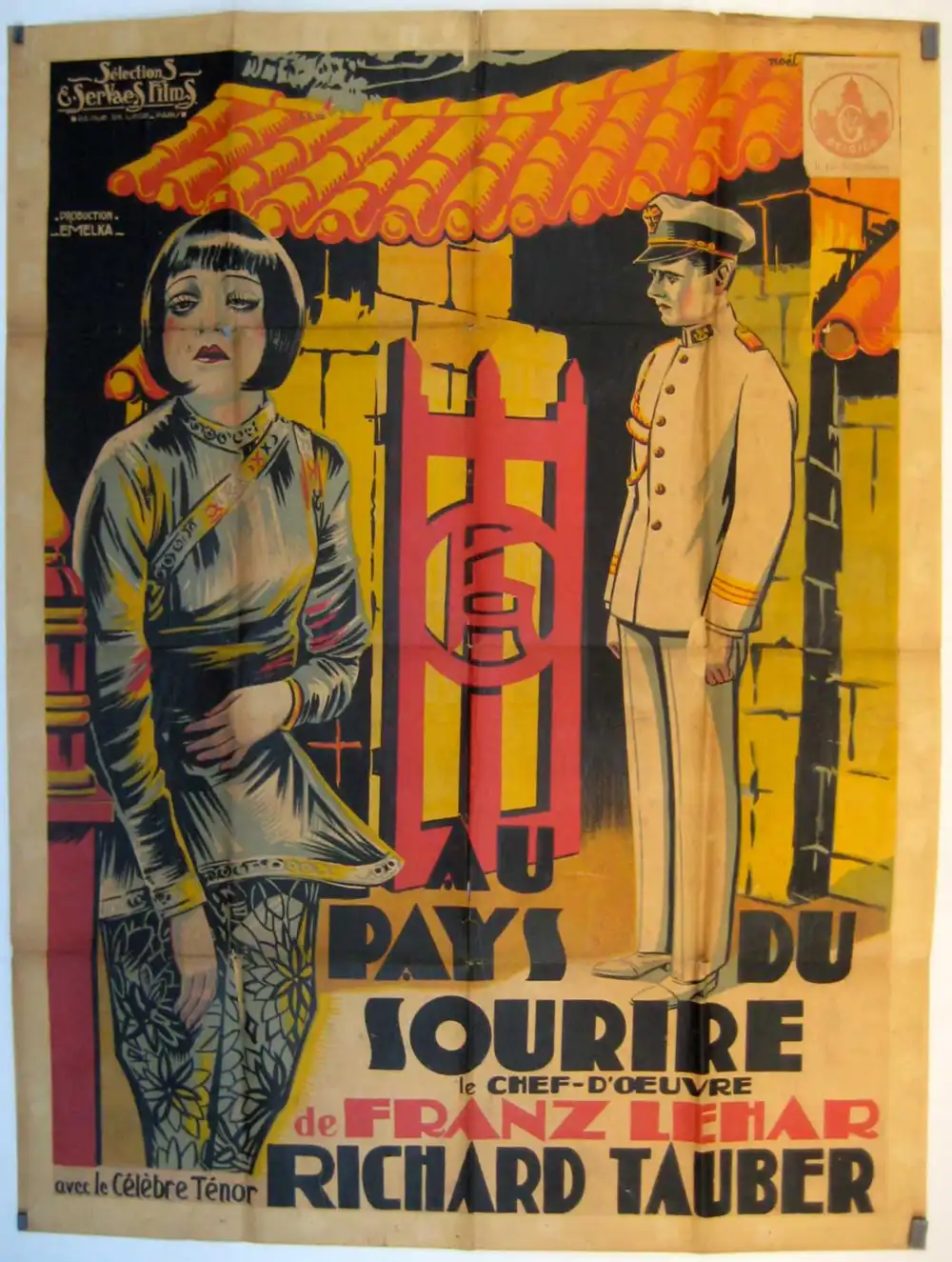
A definitive 6.8/10 rating for a film that redefined the boundaries of cult cinema. Das Land des Lächelns remains a cornerstone of transgressive art.
Alright, so Das Land des Lächelns isn't going to be everyone's cup of tea today. If you're really into old operettas or, specifically, a huge fan of tenors like Richard Tauber, you'll probably find some real gems here. But if you're hoping for something with a modern pace or intricate plot twists, you might find yourself a little… patient.
This film is from 1930, right? So you’re getting early sound cinema. And that means a lot of the camera work is pretty static. It really does feel like you’re watching a stage play that someone just happened to point a camera at. Which, honestly, for an operetta, kinda works.
The movie starts with this whole scene at a diplomat's mansion. Lisa, the hostess, has an exotic guest from India. They talk a bit about their cultures, and it's all very polite.
This whole preamble feels a bit like a warm-up act, really. It's supposed to set the mood for the main operetta, drawing parallels between their chat and the story to come. It does that, I guess, but it also means a good chunk of the film before the actual operetta kicks in.
Once we get into the operetta proper, that’s where Richard Tauber comes in. He plays Prince Sou-Chong, and look, his voice is just something else. It really carries the entire production.
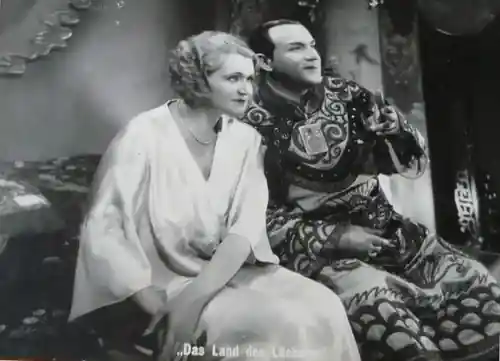
Every time he sings, the film just… stops. And you listen. The camera often just sits on his face, letting you soak in every note. It’s clear why he was such a big deal.
The famous 'Dein ist mein ganzes Herz' (Yours is my whole heart) number? That’s the absolute highlight. It’s just Tauber doing what he does best, and it feels pretty timeless, actually. 💖
The core story, about Prince Sou-Chong and Viennese Countess Lisel (played by Margit Suchy), explores this East meets West theme. Lisel falls for Sou-Chong, and she goes to China with him. Predictably, cultural differences cause, well, problems.
Some of the cultural clashes feel a bit clunky now, sure. It’s a very 1930s take on 'exotic' cultures, you know? But for its time, it probably felt quite dramatic.
Margit Suchy as Lisel is quite charming. Her operatic voice blends well with Tauber's, though he really does overshadow everyone a bit.
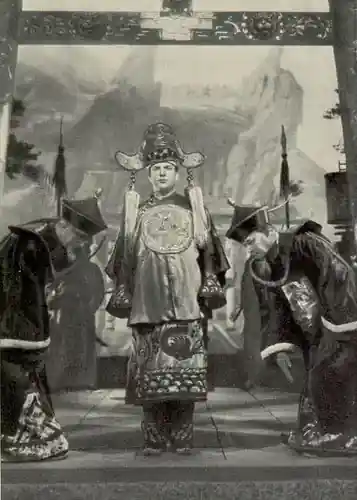
And then there's Max Schreck. Yes, *that* Max Schreck, from Nosferatu. He pops up in a small role, barely there, really. It’s almost a blink-and-you-miss-it kind of thing.
It’s such an odd little historical detail, seeing him in an operetta like this. He doesn't get to do much, certainly no vampire antics. Just a reminder of how varied early film careers could be. 🤔
The whole 'Land of Smiles' idea itself gets explored, but it's more about hidden feelings behind polite expressions. Sou-Chong keeps a lot bottled up, trying to maintain composure. You can almost feel the tension in his rigid posture sometimes.
The ending, without giving too much away, is pretty bittersweet. It wraps things up in a way that feels very much like an operetta: grand, a little tragic, and full of big emotions, even if they're sung rather than spoken.
So, is it worth watching? If you're curious about early sound films, or a classical music buff, absolutely. It's a piece of history, and Tauber's voice is genuinely beautiful. For everyone else? Maybe put it on in the background while you're doing something else, and just really listen when Tauber opens his mouth. You won’t regret that part.
IMDb 3.8
1930
Community
Log in to comment.