DbcultAccessing Vault...
Cult Review
Senior Film Conservator
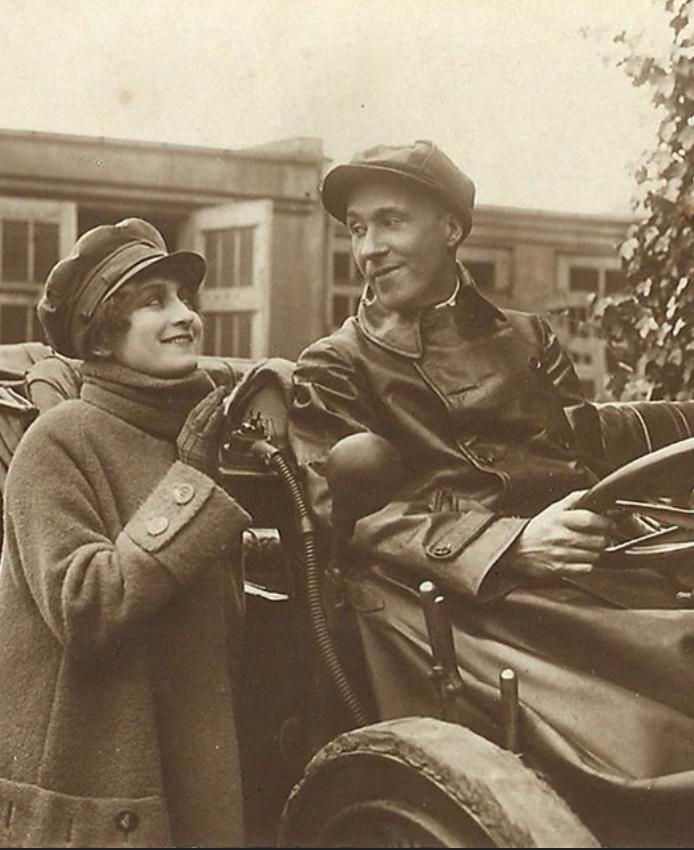
Ah, the silent era. A time when emotions spoke through exaggerated gestures, the flicker of an eye, and the evocative power of light and shadow. Among the countless gems that emerged from this period, particularly from the rich tapestry of German cinema, 'Das törichte Herz' (The Foolish Heart) stands as a poignant testament to the human condition, a drama that, even without spoken dialogue, resonates with a profound understanding of love, illusion, and the often-painful journey from innocence to experience. Directed with a meticulous eye for psychological nuance, this film, penned by the insightful Ruth Goetz, invites us into a world where a young woman's dreams clash violently with harsh realities, leaving an indelible mark on her soul.
The narrative, as crafted by Goetz, is a delicate yet robust exploration of youthful idealism. We are introduced to Elfriede, brought to life with breathtaking vulnerability by Eva May, a performance that truly anchors the film's emotional core. Elfriede isn't just a character; she's an archetype – the small-town girl yearning for something more, her spirit untamed by the mundane rhythms of her provincial life. Her days are spent in a milliner's shop, a setting that itself symbolizes a world of delicate beauty and crafted illusions, much like the dreams she harbors. Her guardian, Frau Schmidt, portrayed with a formidable blend of sternness and underlying affection by Olga Engl, serves as a grounded counterpoint, a voice of caution born from a lifetime of observed human folly. Engl's performance is a masterclass in subtlety, her expressions conveying volumes of unspoken wisdom and concern for her niece's burgeoning romantic inclinations.
Into this carefully balanced world strides Walter, embodied by the effortlessly charming yet ultimately duplicitous Hermann Thimig. Thimig imbues Walter with an irresistible magnetism, a bohemian allure that is both captivating and inherently dangerous. His arrival from the bustling, sophisticated metropolis of Berlin acts as a catalyst, igniting Elfriede's already romantic imagination. He speaks of art, of freedom, of a life far removed from the quiet confines of her town – promises that, to Elfriede's 'foolish heart,' sound like the very essence of destiny. It's a classic tale, certainly, reminiscent of the romantic entanglements and societal critiques found in films like The Whirlpool of Destiny, where personal desires often collide with external pressures and the harsh realities of human nature. Yet, Goetz's script elevates it beyond simple melodrama, delving into the psychological underpinnings of Elfriede's susceptibility and Walter's calculated charm.
Elfriede's journey to Berlin, following Walter's grand pronouncements, is not merely a change of scenery; it is a descent into a crucible of experience. The city, initially envisioned as a wonderland of artistic freedom and romantic fulfillment, quickly reveals its true, unforgiving face. Walter, stripped of his provincial mystique, emerges as a struggling artist, his promises hollow, his affections fleeting. This urban disillusionment is a powerful theme, echoed in many silent era dramas where the city often represented both opportunity and moral decay. The contrast between Elfriede's naive expectations and the stark reality of Walter's precarious existence – his casual betrayals, his manipulative tendencies – is painted with agonizing clarity. Eva May's transformation from wide-eyed optimism to profound, heart-wrenching despair is nothing short of masterful. Every tremor of her lip, every downcast glance, communicates the crushing weight of her awakening. It’s a performance that demands empathy, drawing the viewer into her emotional turmoil with an intensity that transcends the silent medium.
Ruth Goetz's writing shines brightest in these moments of stark realization. She doesn't shy away from the ugliness of betrayal, nor does she offer easy answers. Instead, she meticulously charts the psychological landscape of a young woman confronting the wreckage of her dreams. The film subtly introduces Karl Platen as Herr Gruber, a local shopkeeper whose quiet, steadfast admiration for Elfriede serves as a poignant counterpoint to Walter's flashy superficiality. Gruber represents the genuine, albeit unglamorous, affection Elfriede overlooked in her pursuit of an idealized romance. Platen's portrayal is understated but effective, embodying the simple decency that often gets overshadowed by more flamboyant attractions. His presence highlights the 'foolishness' of Elfriede's heart, not in its capacity to love, but in its initial inability to discern true value from captivating illusion. This thematic depth, exploring the nature of authentic connection versus transient infatuation, gives the film a timeless quality, making its lessons as relevant today as they were a century ago.
Beyond its compelling narrative and powerful performances, 'Das törichte Herz' is a fascinating artifact of German silent cinema. While perhaps not as overtly Expressionistic as films like The Eyes of the Mummy, it certainly leverages the period's advancements in cinematography and set design to enhance its emotional impact. The visual language is rich, with carefully composed shots that emphasize Elfriede's isolation in the sprawling city, or the suffocating intimacy of her provincial life. The director expertly uses close-ups to capture the nuanced expressions of May and Engl, allowing their faces to tell entire chapters of their characters' inner lives. The contrast between the quaint, sun-drenched settings of Elfriede's hometown and the shadowy, often oppressive urban environments of Berlin is stark, serving as a visual metaphor for her journey from innocence to a more somber understanding of the world.
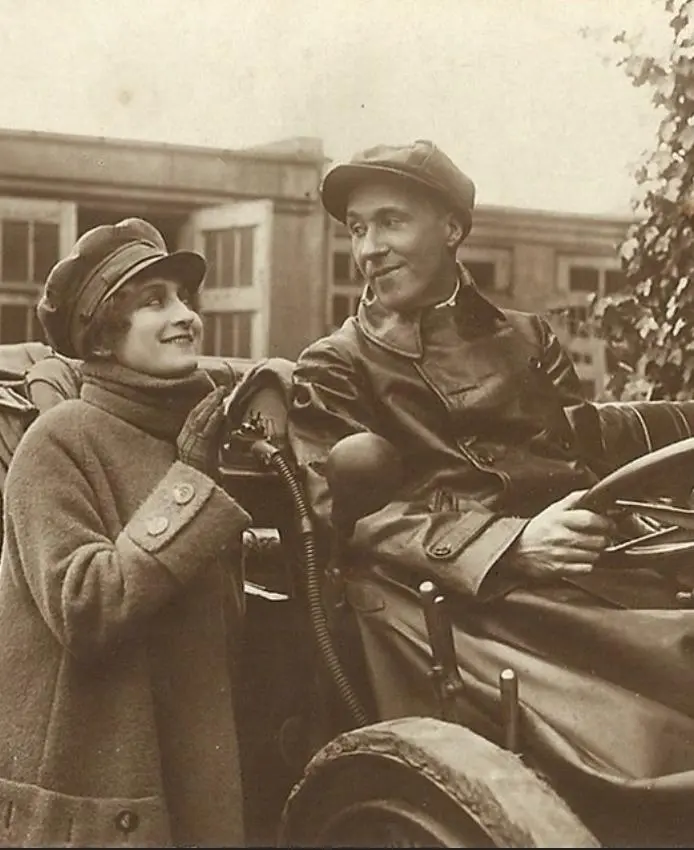
The film's pacing is deliberate, allowing the emotional beats to fully resonate. There's a certain elegance in how the story unfolds, avoiding sensationalism in favor of psychological realism. This approach aligns with a broader trend in German cinema of the time, which often prioritized introspective drama and character studies over purely action-driven narratives. Ruth Goetz’s screenplay is a masterclass in building tension through character interaction and internal conflict rather than external events. Her ability to craft dialogue (or rather, intertitles) that feels authentic and illuminating is remarkable. One can almost feel the weight of Frau Schmidt's unspoken concerns or the manipulative charm in Walter's pronouncements through the succinctness of the written word on screen.
When considering 'Das törichte Herz' within the broader context of silent cinema, its thematic resonance with films exploring societal pressures and personal growth becomes evident. One might draw parallels to the earnest simplicity and moral dilemmas found in The Small Town Guy, where a protagonist navigates the complexities of a world larger than their immediate experience. Or perhaps the poignant exploration of relationships and self-discovery seen in My Partner. Goetz's script here, however, particularly excels in its focus on the internal journey of a female protagonist, a narrative thread that often provided some of the most compelling dramas of the era, much like the intense emotional landscapes depicted in films such as Fanatics or The Reason Why, which often delved into the moral and social complexities faced by women.
The film’s examination of urban versus rural life, and the inherent dangers of unchecked romanticism, is a theme that has permeated cinematic history, from early silent features to contemporary dramas. It speaks to a universal human experience: the yearning for something grander, the susceptibility to charm, and the inevitable lessons learned when reality intrudes upon fantasy. The 'foolish heart' isn't just Elfriede's; it's a metaphor for all of us who, at some point, have allowed our desires to overshadow our better judgment. The film’s power lies in its ability to evoke this universal sentiment with such specificity and emotional depth, without resorting to overly dramatic contrivances. It’s a quiet tragedy, perhaps, but one that leaves a lasting impression.
The performances, particularly from Eva May and Olga Engl, are crucial to this enduring appeal. May’s ability to convey a spectrum of emotions – from innocent joy to crushing despair – without a single spoken word is a testament to her remarkable talent and the power of silent acting. Engl, in turn, provides a gravitas and groundedness that prevents the film from descending into mere sentimentality. Her character's prescient warnings, initially dismissed, gain weight and pathos as Elfriede's plight worsens, underscoring the timeless wisdom of experience. Karl Platen's understated portrayal of Herr Gruber further enriches the emotional landscape, providing a silent, steady counterpoint to the volatile world Elfriede finds herself in. It's a reminder that sometimes the truest affections are the least ostentatious.
'Das törichte Herz' doesn't just tell a story; it allows the audience to feel it. It's a masterclass in emotional storytelling, a reminder of the potent artistry that defined the silent film era. Ruth Goetz's screenplay, with its keen psychological insights, elevates what could have been a simple cautionary tale into a profound character study. The film's legacy lies in its unvarnished portrayal of a young woman's journey through love, loss, and the hard-won wisdom that comes from a heart led astray. It’s a film that speaks volumes in its silence, a timeless exploration of the human spirit's capacity for both vulnerability and resilience. For aficionados of classic cinema, and indeed anyone interested in the enduring power of narrative, 'Das törichte Herz' remains a compelling, deeply moving experience, a testament to the fact that true emotion needs no words to be understood, only a 'foolish heart' willing to listen and learn.
The film's ability to transcend its historical context and speak to contemporary audiences is a measure of its artistic success. It asks fundamental questions about perception, trust, and the often-painful process of self-discovery. Is true love found in grand gestures or quiet devotion? How do we distinguish genuine affection from manipulative charm? These are questions that resonate across generations, making Elfriede's journey not just hers, but a reflection of universal human struggles. It’s a powerful narrative about growth, about the scars that shape us, and the quiet strength found in picking up the pieces of a broken dream. The film, in its quiet dignity, asserts that even a 'foolish heart' can, through suffering, become wise.
In a cinematic landscape often dominated by spectacle and overt messaging, the understated profundity of a film like 'Das törichte Herz' is a refreshing reminder of the enduring power of character-driven drama. It's a film that doesn't just entertain; it invites contemplation, urging us to reflect on our own 'foolish hearts' and the journeys they've taken. The meticulous attention to detail in the performances, the thoughtful direction, and the timeless quality of Goetz's narrative make this film an essential viewing for anyone seeking to understand the emotional depth and artistic sophistication of silent German cinema. It’s a quiet masterpiece, its echoes reverberating long after the final frame fades to black.
IMDb —
1924
Community
Log in to comment.