DbcultAccessing Vault...
6.1/10
Senior Film Conservator
A definitive 6.1/10 rating for a film that redefined the boundaries of cult cinema. Blonde or Brunette remains a cornerstone of transgressive art.
Is Blonde or Brunette a silent film that warrants a modern viewing? Short answer: yes, but primarily for those who enjoy watching the crumbling of 1920s patriarchal expectations through a comedic lens.
This film is for the cinephile who appreciates the subtle facial acting of the silent era and the historical transition into the 'flapper' lifestyle. It is not for those who demand high-octane action or a plot that adheres to modern moral sensitivities regarding marriage and divorce.
This film works because it leans into the absurdity of its protagonist's rigid moral code, allowing the audience to laugh at his inevitable hypocrisy.
This film fails because the final act relies on a convenient 'grandmother' trope that feels slightly detached from the biting social satire established in the first half.
You should watch it if you want to see a masterclass in 'the debonair fool' archetype, perfectly embodied by the incomparable Adolphe Menjou.
Yes, Blonde or Brunette is worth watching today. It offers a fascinating window into the 1927 mindset regarding gender roles and the 'scandalous' nature of the Jazz Age. The film manages to be both a product of its time and a critique of it.
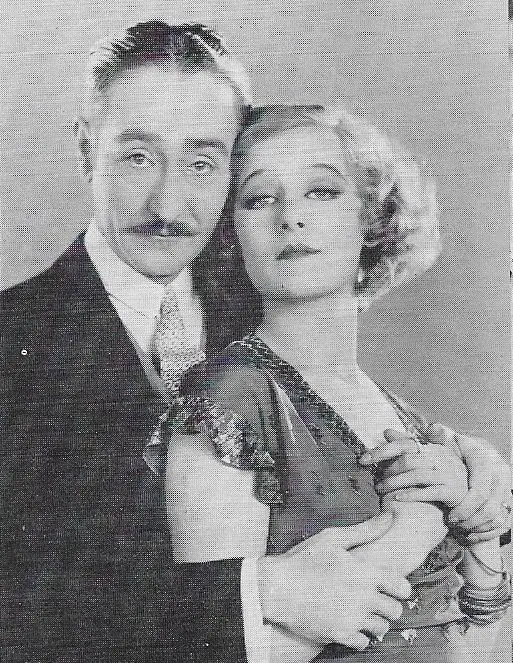
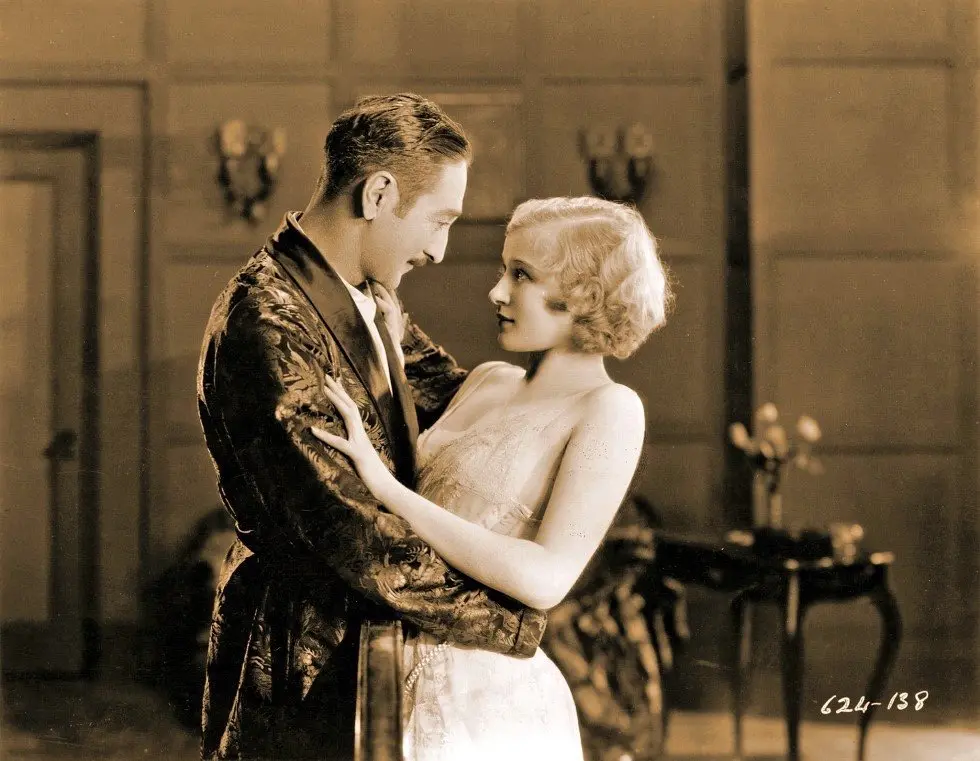
Adolphe Menjou plays Henri Martel with a stiff-backed arrogance that is begging to be punctured. Menjou was often cast as the sophisticated gentleman, but here, he is the straight man in a world that is rapidly turning crooked. His reaction shots when he first sees Fanny dancing the Charleston are gold.
He doesn't just look angry; he looks like his entire world view has been set on fire. It is a performance of micro-expressions. A twitch of the mustache says more than a three-page monologue in a modern talkie.
Compare this to the more dramatic tone found in films like Shame. While that film dealt with heavy moral burdens, Blonde or Brunette treats the 'fall from grace' as a rhythmic, almost musical transformation. It is lighter, yet somehow more cynical about the stability of the male ego.
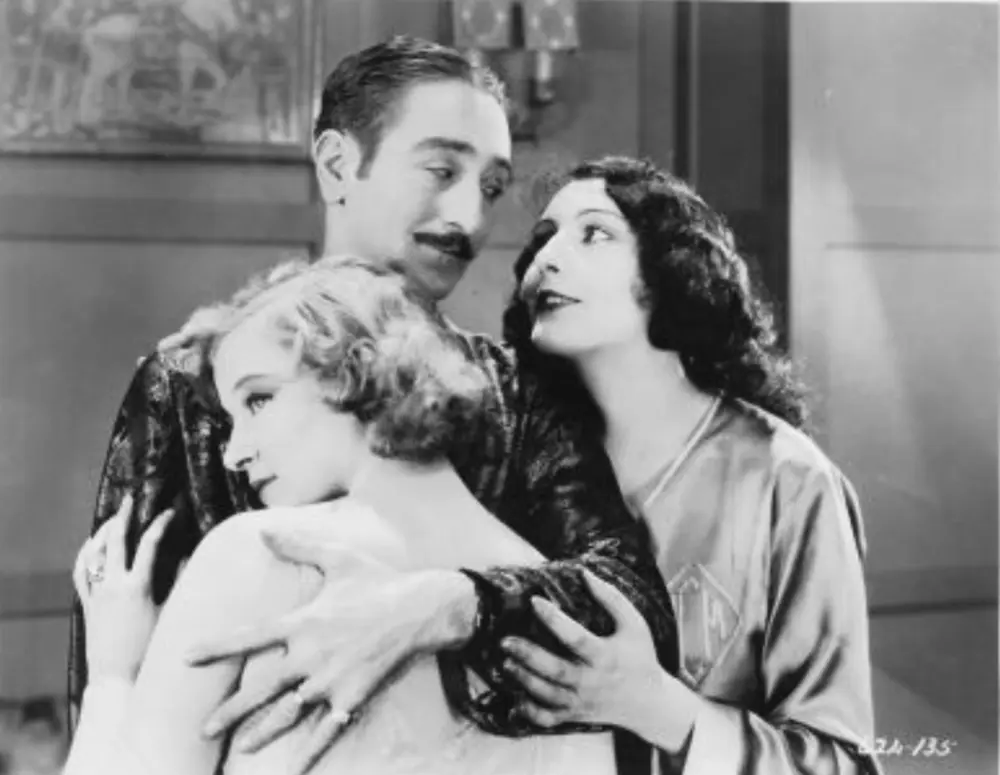
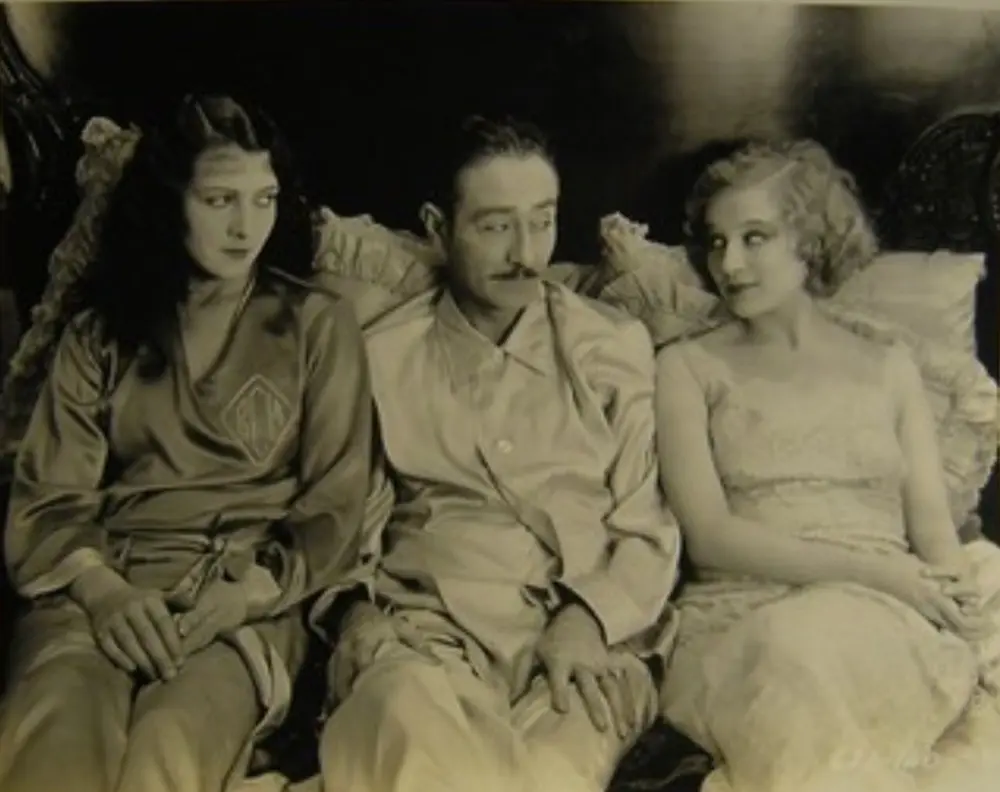
Director Richard Rosson uses the contrast between the 'Blonde' (Greta Nissen) and the 'Brunette' (Arlette Marchal) to illustrate the duality of the 1920s woman. The cinematography by Peverell Marley captures the smoke-filled rooms with a hazy, dreamlike quality that makes the 'vices' look enticing.
There is a specific scene where Blanche teaches Fanny how to hold a cigarette. The camera stays tight on their hands and faces. It feels like a heist movie. They aren't just smoking; they are stealing back Fanny's autonomy from her absent husband.
This focus on domestic rebellion is far more interesting than the melodrama found in contemporary pieces like The Night Cry. While that film relied on external threats, this movie finds the threat inside the living room. The enemy is boredom and the cure is the Charleston.
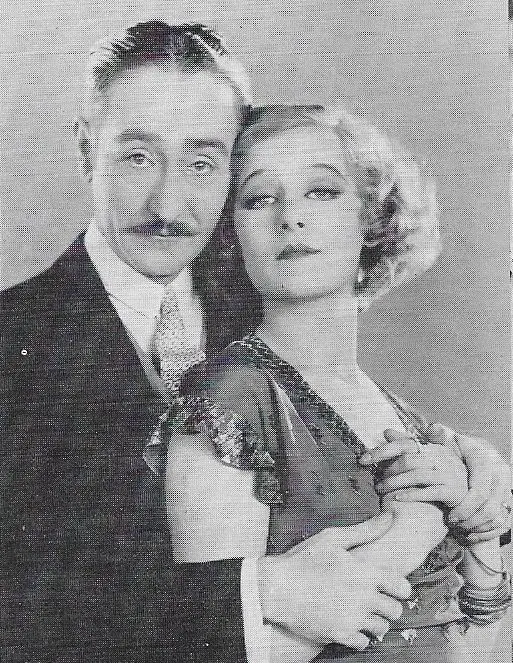
The speed at which Henri divorces Fanny and marries Blanche is breathtaking. It is a brutal observation of how quickly men of that era would discard a 'broken' ideal for a new one. The film doesn't judge Henri for his impulsiveness, but the audience certainly should.
His marriage to Blanche is a classic case of 'be careful what you wish for.' He wanted the worldly woman, but he can't handle the reality of a woman who actually has a personality. It’s a recurring theme in silent comedies, yet here it feels particularly sharp.
The pacing in this middle section is brisk. Unlike the slow-burn tension in The Last Chance, Blonde or Brunette moves with the frantic energy of the very music Henri claims to hate. It is an ironic structure that works beautifully.
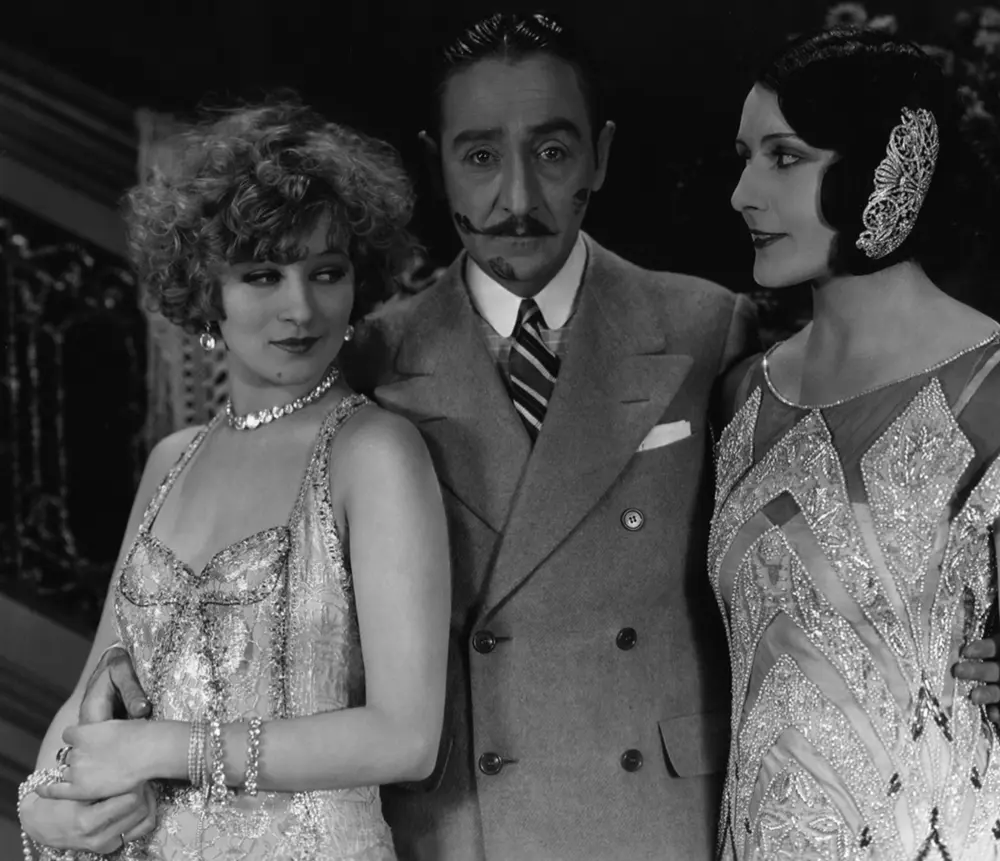
The arrival of the grandmother (Mary Carr) shifts the film into a classic farce. The trope of 'pretending to still be married' is as old as time, but here it serves a deeper purpose. It forces Henri and Fanny into a forced intimacy where they have to drop their new personas.
In the middle of the deception, they find their original connection. It’s a bit sentimental, but the film earns it by showing how miserable they were in their 'new' lives. The deception becomes the only place where they can be honest.
"The film argues that marriage is a performance, and sometimes, you just need a better script."
Pros:
Cons:
One thing most critics miss is that Blanche isn't really a villain. In any other film, the woman who 'corrupts' the wife would be the antagonist. Here, Blanche is just a woman living her life. She is honest about who she is, while Henri is the one constantly lying to himself about what he wants. The film is secretly on Blanche's side.
It works. But it’s flawed. The ending attempts to restore the status quo, but you can’t un-ring the bell of Fanny’s awakening. Even as they reunite, you know Fanny is still going to want to dance the Charleston when the grandmother leaves.
Blonde or Brunette is a delightful, if slightly uneven, exploration of the friction between tradition and modernity. It avoids the heavy-handed moralizing of films like Gossip and instead opts for a playful cynicism. Adolphe Menjou is the anchor that keeps the farce from floating away into total absurdity. While the plot relies on age-old contrivances, the character dynamics feel remarkably fresh. It is a stylish, witty, and essential piece of late-silent cinema that proves some marital problems are timeless.
IMDb —
1929
Community
Log in to comment.