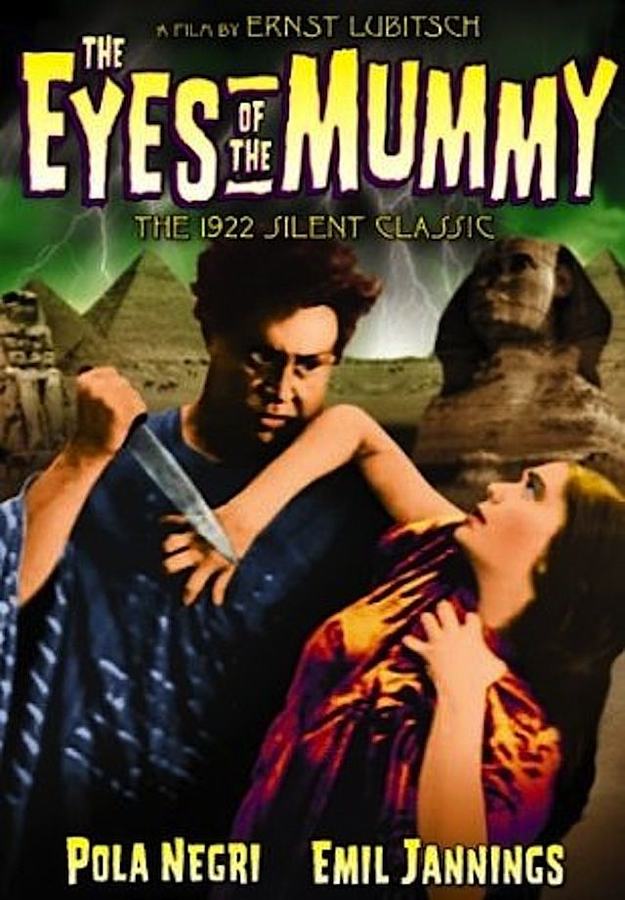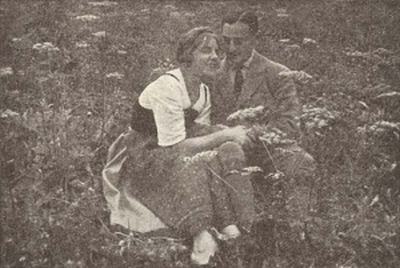
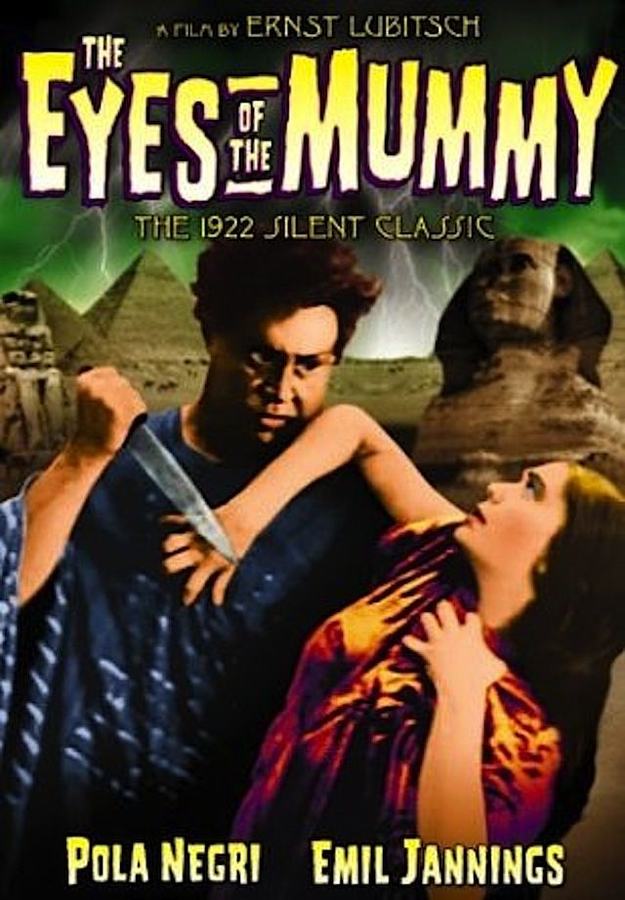
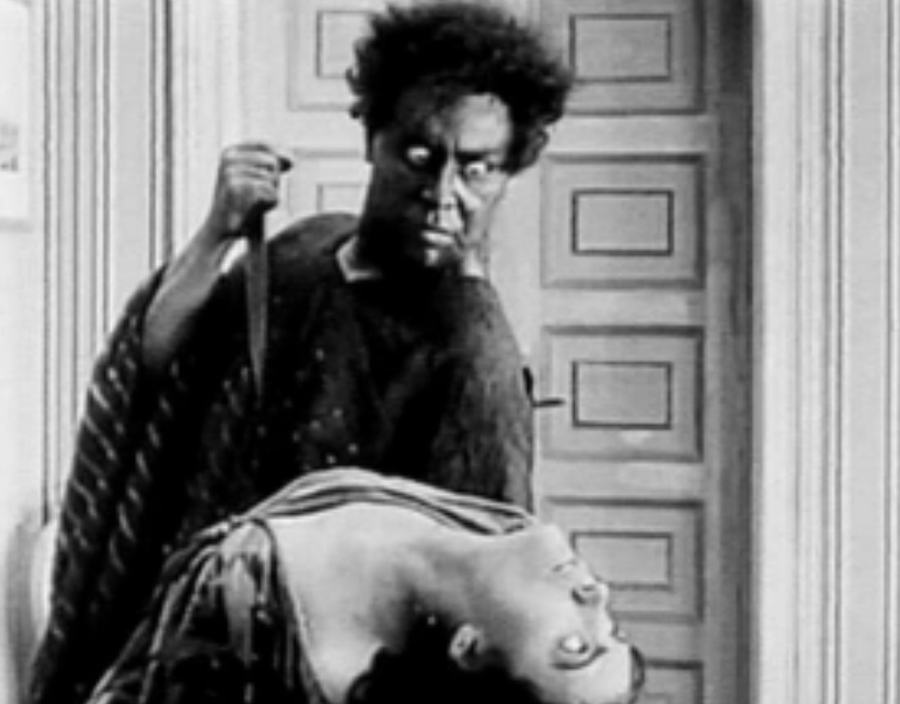
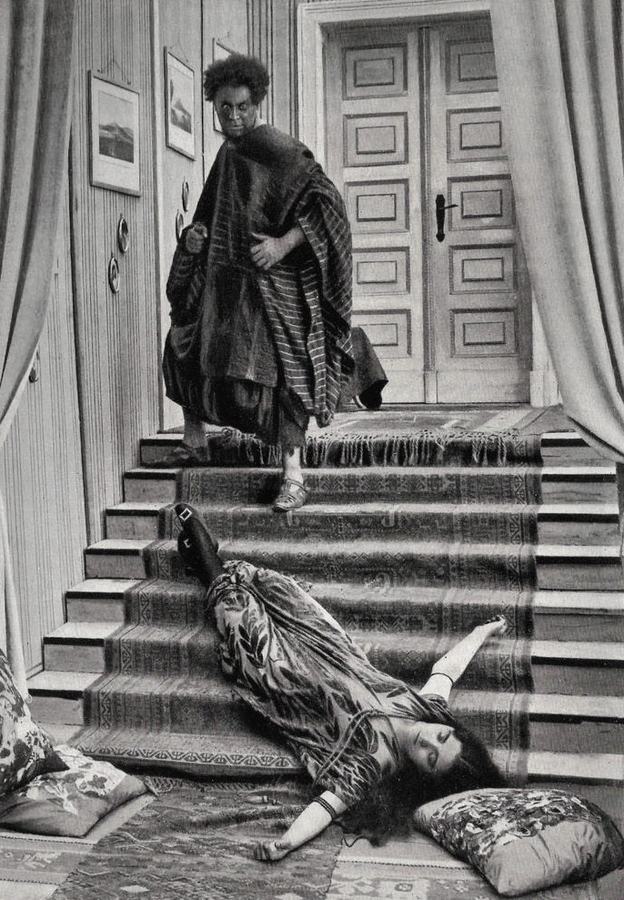
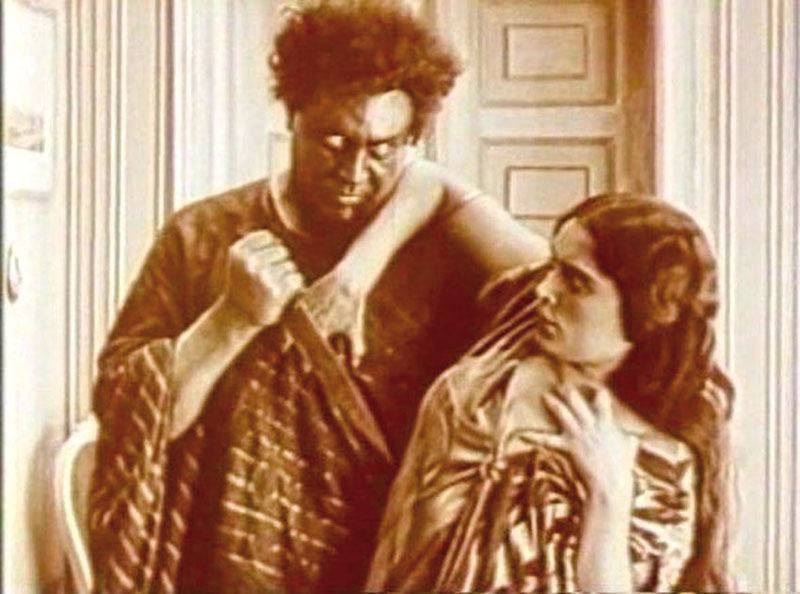
A girl is kidnapped and held captive in an ancient Egyptian temple. She is rescued and flees to England, but soon finds that her mysterious captor is still haunting her.
Emil Rameau, Hanns Kräly
Germany
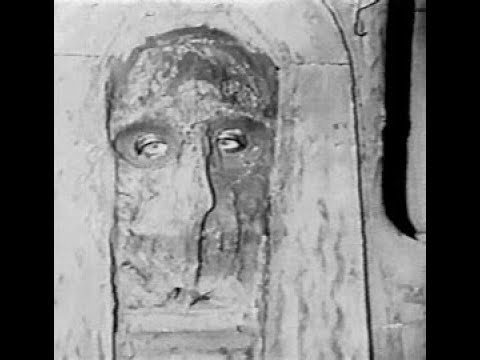
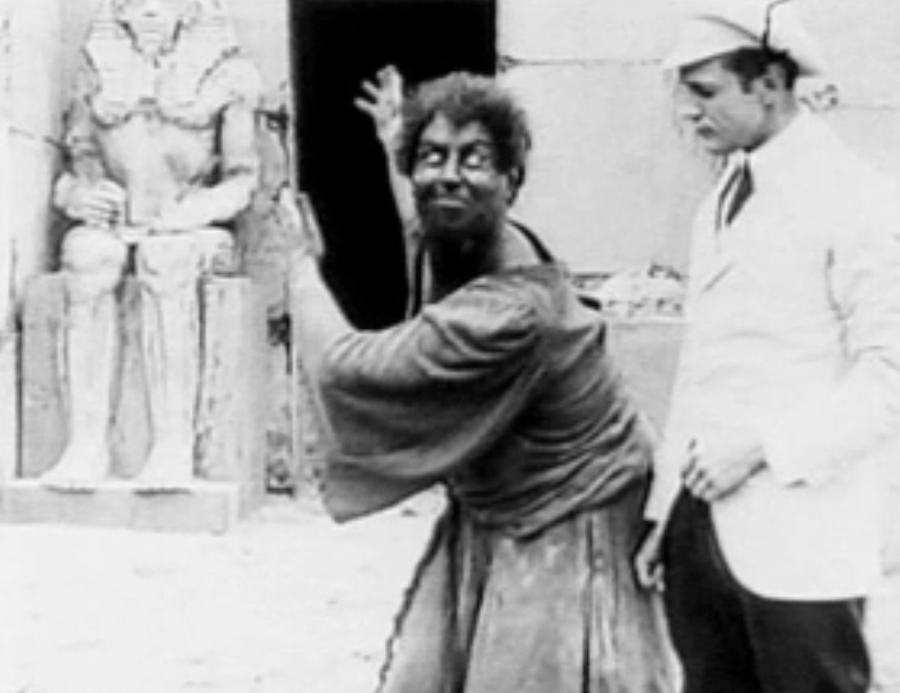
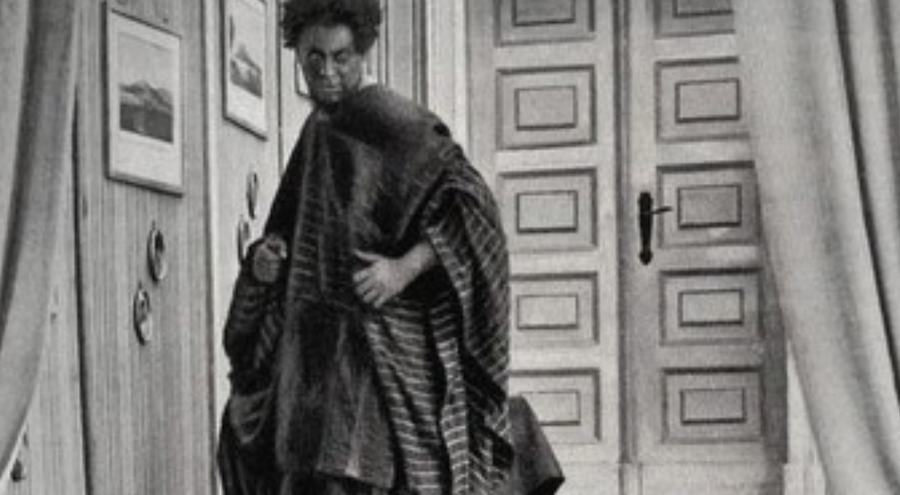
German Expressionism exhumed a corpse in 1918 and decided the corpse should star in a love story. If you approach The Eyes of the Mummy expecting gauze-wrapped ghouls lurching down corridors, recalibrate: Lubitsch’s earliest surviving thriller is a diaphanous fever of pigment, possession, and geopolitical vertigo. T...


Comparing the cinematic DNA and archive impact of two defining moments in cult history.
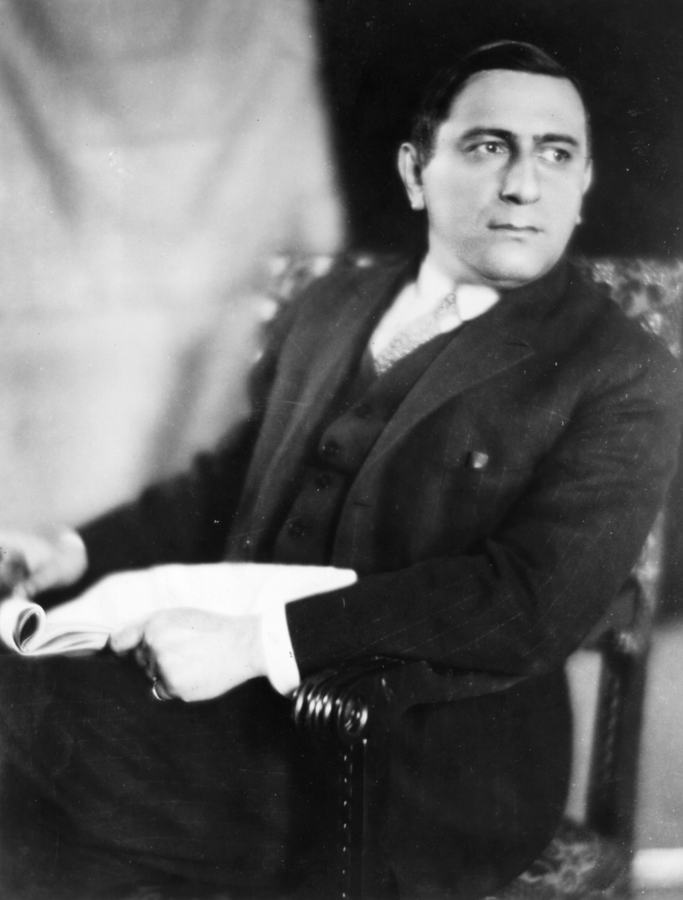
Ernst Lubitsch

Ernst Lubitsch
Community
Log in to comment.
" German Expressionism exhumed a corpse in 1918 and decided the corpse should star in a love story. If you approach The Eyes of the Mummy expecting gauze-wrapped ghouls lurching down corridors, recalibrate: Lubitsch’s earliest surviving thriller is a diaphanous fever of pigment, possession, and geopolitical vertigo. The true monster is the gaze itself—those lacquered, unblinking eyes of an Egyptian high priest that metastasize onto canvas, then onto celluloid, then onto you. In 59 brittle minut..."
product
still_frame
still_frame
still_frame
still_frame
still_frame