DbcultAccessing Vault...
7.5/10
Senior Film Conservator
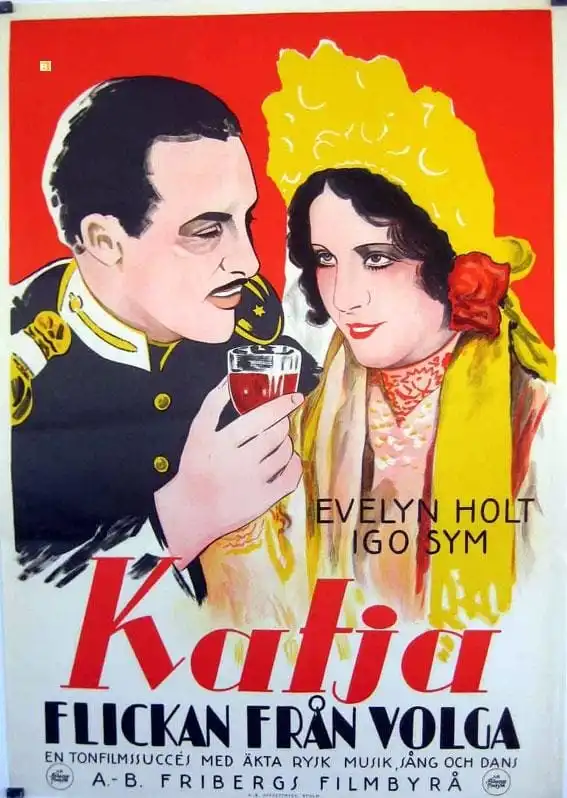
A definitive 7.5/10 rating for a film that redefined the boundaries of cult cinema. Das Wolgamädchen remains a cornerstone of transgressive art.
So, Das Wolgamädchen. It’s a silent film from 1929, obviously. Is it worth tracking down and watching today? Absolutely, if you're into that sort of thing. If you find yourself drawn to the expressive faces of early cinema or the sheer craft of visual storytelling without sound, you’ll probably find something to appreciate here. But if you need quick pacing, dialogue, or stories that feel super modern, this one will likely feel like a chore. Don’t go in expecting a Hollywood blockbuster, you know?
The film, which translates to 'The Volga Girl,' has this quiet charm. It centers on a young woman, played by Toni Natzler, who leaves her rural Volga home. She goes off to the big city, probably seeking something more. It's that classic 'innocence meets big bad world' setup, done in a way that feels both timeless and very much a product of its time. You can almost feel the ambition, or maybe just the longing, in her early scenes.
One scene, early on, really got me. Natzler's character is by the river, and the way the camera just *lingers* on her face. You see her eyes, scanning the horizon, and even without words, you get this strong sense of a dream brewing. It’s a bit melodramatic, sure, but it works. You feel it.
Later, there's a particular shot of a city street that's just… chaotic. So many people, so much going on. It’s a lovely contrast to the wide-open, almost empty landscapes of the Volga. The way the director, Siegfried Bernfeld, cuts between these two worlds is pretty effective. He shows, not tells, how overwhelming this new life must be.
Nikolai Malikoff, as the mysterious 'gentleman' who appears, has this intense gaze. He doesn't need to do much; his eyes convey so much. There’s a scene where he just watches Natzler from across a crowded room. That stare? It tells you everything you need to know about his intentions, good or bad.
Sometimes, the intertitles feel a little clunky. They're trying to convey so much in a few words, and a couple of times, I found myself thinking, 'Did they really need to spell that out?' It almost pulls you out of the moment. But then you get a truly great one, sharp and poetic, and you remember why these films worked.
There's a specific bit with a lost locket. It’s such a tiny plot point, but the way Natzler reacts to losing it… 💔 It's like her whole world crumbles. It’s such a universal feeling of loss, even for something small. That's when silent films really shine, when they capture those raw human reactions.
The film has this great sense of scale. From the intimate close-ups on faces to sweeping shots of bustling markets. The market scenes, especially, feel *real*. You can almost hear the noise, even in silence. It's a testament to the cinematography, honestly.
Igo Sym, playing a rival or maybe a suitor, has this really distinctive smirk. You just know he's up to no good. It’s a bit on the nose, but effective for a silent villain. He's not subtle, but then, few silent film antagonists were. It's all about the _gestures_.
The pacing is… well, it’s silent film pacing. It takes its time. There are moments where a scene feels like it goes on just a little too long, where the emotion is already clear, but the director lets the actors hold it. For some, this will be frustrating. For others, it’s part of the meditation, you know?
You can almost feel the movie trying to convince you this moment matters during some of the more dramatic reveals. It’s not always subtle, but the earnestness is there. It’s trying its best to pull you in, even with its limitations.
The ending, without giving too much away, feels earned. It's not a huge, flashy finish, but it leaves you with a certain feeling. A bit melancholic, a bit hopeful. It's a quiet resolution, much like the film itself. It doesn't scream for your attention, it just *is*.
So, yeah, Das Wolgamädchen. It’s a slice of cinema history. A look back at how stories were told before sound took over everything. It’s got its flaws, sure, but there’s an honesty to it. A real human touch. If you have a quiet evening and an open mind, give it a shot. You might be surprised. It’s not All at Sea, but it has its own quiet power.
IMDb 6.4
1931
Community
Log in to comment.