DbcultAccessing Vault...
8.2/10
Senior Film Conservator
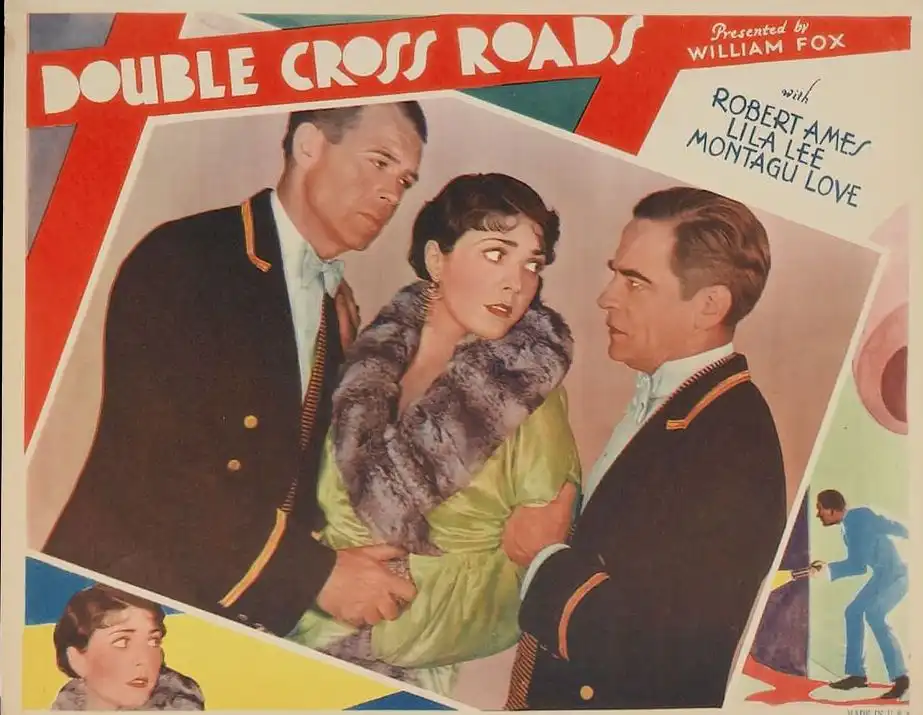
A definitive 8.2/10 rating for a film that redefined the boundaries of cult cinema. Double Cross Roads remains a cornerstone of transgressive art.
Okay, so Double Cross Roads from 1930. Is it worth watching today? Look, if you’re someone who genuinely loves digging into film history, especially the early talkie era, then absolutely. You’ll probably get a kick out of it. 🎬
If you're expecting anything like a modern thriller or even a tightly-paced classic from, say, the late 30s, you’re gonna have a bad time. This one's for the patient crowd, the ones who appreciate the *effort* more than the polished result.
The sound. Oh, the sound! It’s just so thin, isn't it? Like everyone’s talking through a tin can, but your ears do adjust after a bit.
George MacFarlane, playing the lead, has this sort of earnestness about him. He’s got that silent film gravitas still clinging, but you can see him trying to settle into the rhythm of spoken dialogue. It's fascinating to watch that transition happen right on screen.
There's a scene, early on, where someone’s trying to convince him of something *really* important, and the camera just... doesn’t move. It’s a fixed shot for what feels like an eternity. You can almost feel the director thinking, “Right, dialogue, important! Don't move the mic!”
Lila Lee, though. She brings a certain sparkle to the proceedings. Her character feels a bit more natural, less like she's on a stage, and you kinda root for her, even when things get murky.
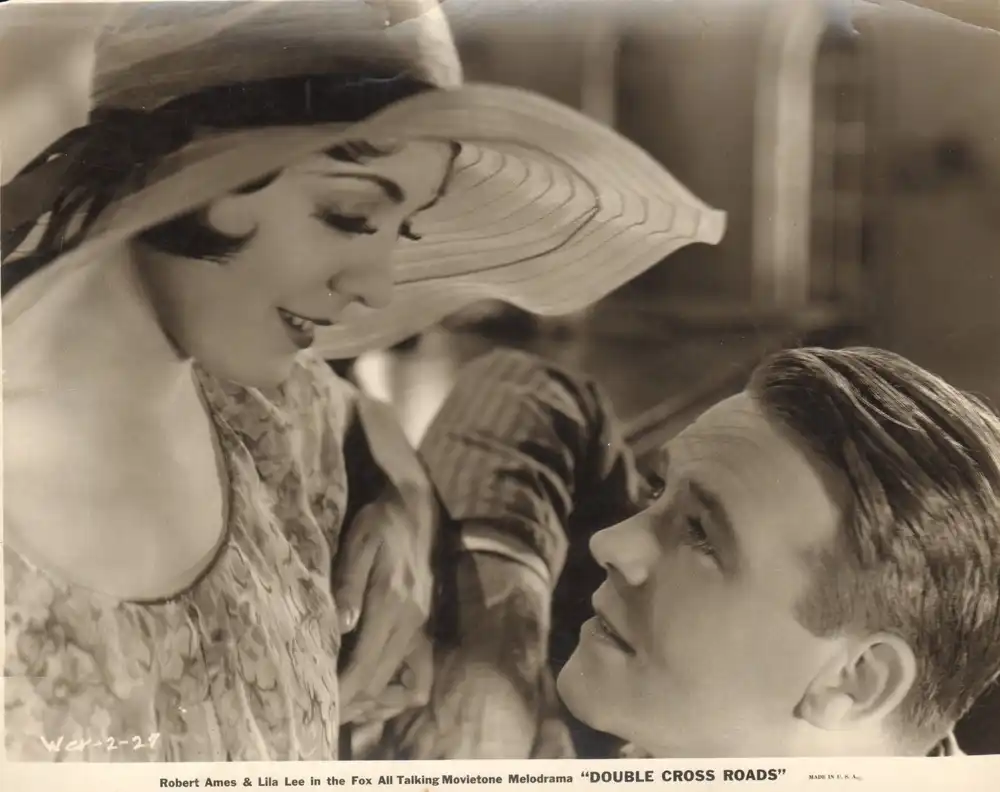
The plot itself, it’s a tangle, right? Someone makes a bad choice, then another, and then they're just kinda stuck. It's not *complicated*, but the emotional weight of those choices, for the time, feels pretty heavy.
Montagu Love shows up, and he just *oozes* villainy. Not subtle, mind you. You know he's the bad guy the second he walks in, all smirky and sharp-suited. He doesn’t need much dialogue; his presence does a lot of the work.
Some of the transitions are… abrupt. Like someone just slammed the scene button. One moment you're in a smoky room, the next, suddenly, bright daylight. It’s kinda jarring, but also, hey, it’s 1930. What did we expect?
There's a bit where the hero is supposedly in real danger, but the *action* itself is so understated. It’s more about the tension in their faces than any actual fight choreography. A quick punch, then a fade. Very efficient storytelling for the era.
I liked seeing J. Carrol Naish in a smaller role. He’s got this nervous energy, even when he’s just standing there. You remember him from so many other things later, so it's cool to see him here, just starting out, really.
The overall *mood* is surprisingly effective. It’s got this gritty, almost desperate feel to it. Not quite noir yet, but you can definitely see the seeds of it. The shadows are doing a lot of heavy lifting in a lot of scenes.
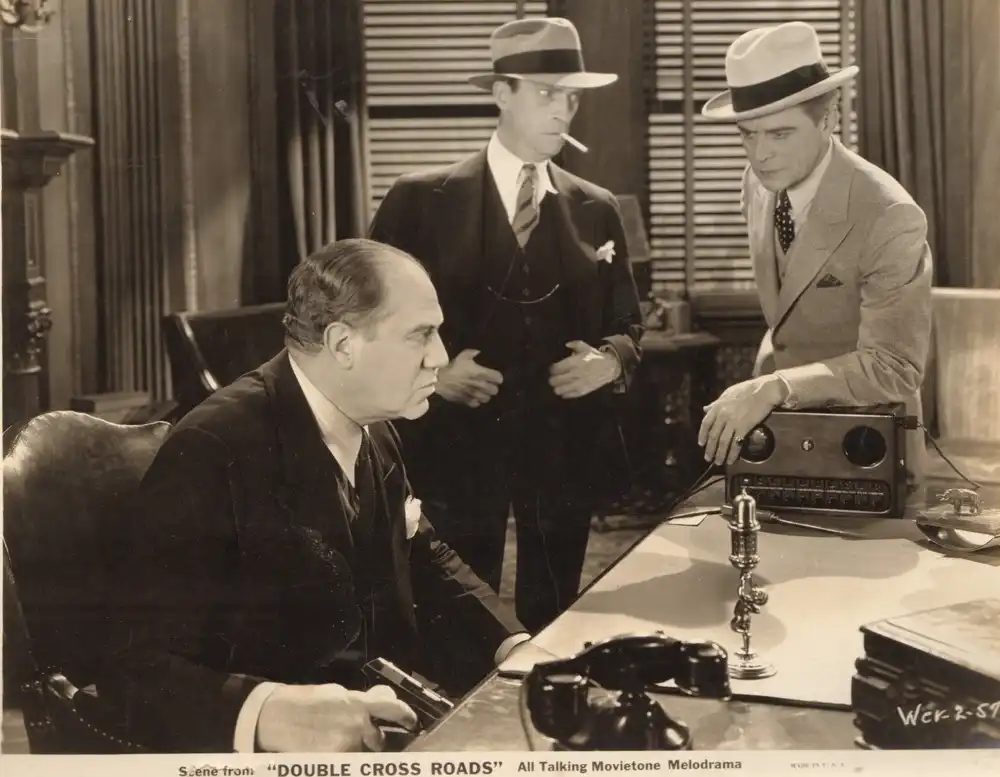
You can tell they were still figuring out how to direct for sound. Sometimes a character will whisper something crucial, and you have to really strain to hear it. Other times, a door slam sounds like a cannon going off. A little uneven, to say the least.
There's a courtroom scene that feels obligatory, but it does deliver a few good moments. The way the judge looks, like he’s seen it all a thousand times. A nice touch, that.
Honestly, it’s refreshing how *unflinching* it is about the consequences. No easy outs. People mess up, and they pay the price. It makes the ending, whatever you think of it, feel earned.
The pacing, yeah, it definitely slows down in the middle. You kinda zone out for a bit, then something happens, and you're pulled back in. It’s not a roller coaster; more like a slow, steady train ride with occasional bumps. 🚂
The lighting in some of those interior shots is just beautiful, though. Really stark, dramatic. Someone knew what they were doing with those lamps, no doubt.
IMDb —
1920
Community
Log in to comment.