DbcultAccessing Vault...
6.2/10
Senior Film Conservator
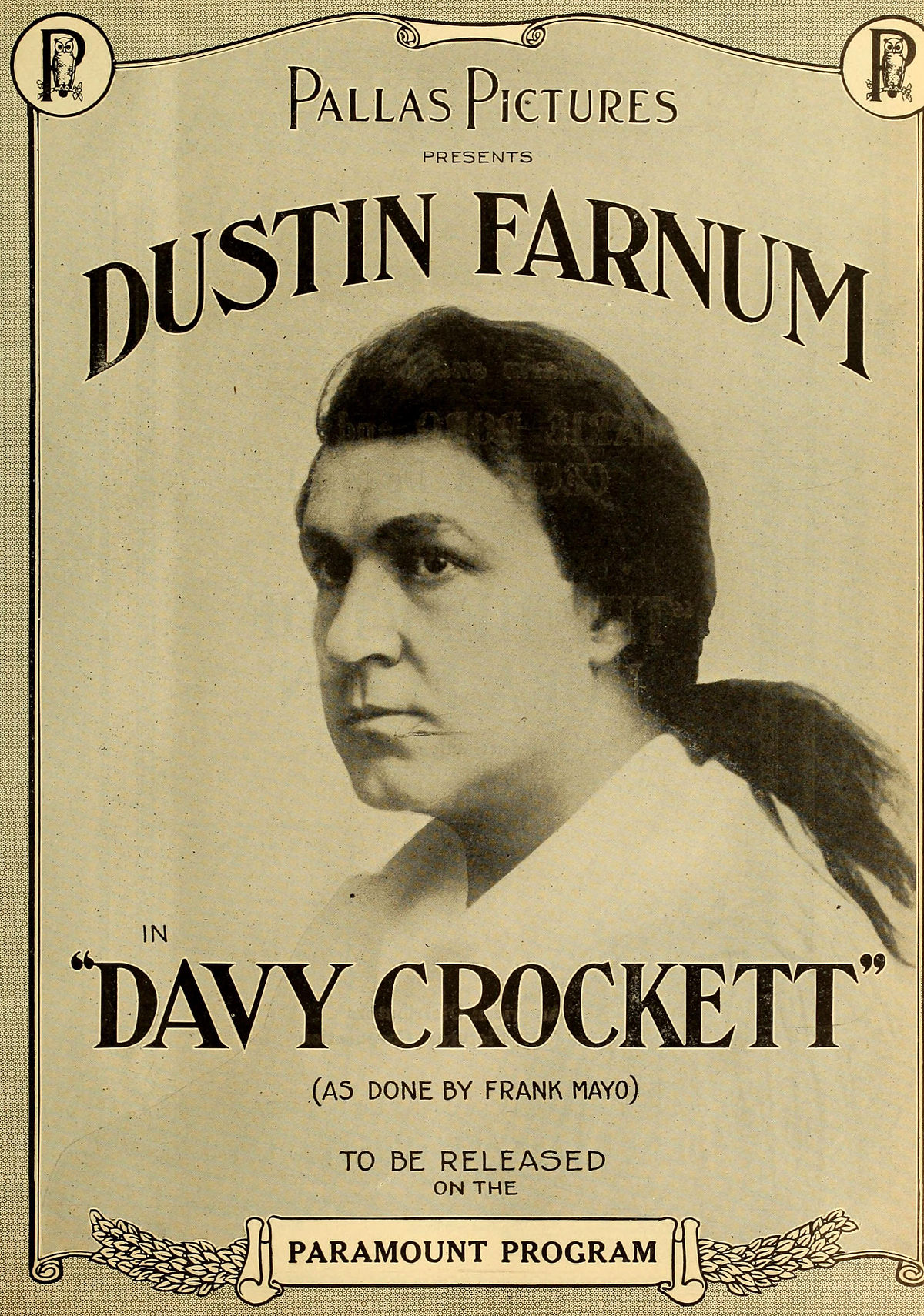
A definitive 6.2/10 rating for a film that redefined the boundaries of cult cinema. Davy Crockett remains a cornerstone of transgressive art.
Stepping into the flickering glow of early 20th-century cinema, William Desmond Taylor's 1916 production of Davy Crockett arrives not just as a film, but as an artifact of American myth-making. In an era where national identity was still very much under construction, and heroes were being minted in both print and on celluloid, Crockett stood as an archetypal figure: the rugged individualist, the frontiersman legislator, the ultimate sacrificial patriot. This silent epic, starring Dustin Farnum in the titular role, endeavors to capture the sprawling, almost unbelievable trajectory of a man whose life story became inextricably woven into the fabric of the nation's foundational narrative. It’s a bold undertaking, attempting to distill the essence of a larger-than-life character onto the nascent cinematic canvas, and its success lies not merely in its narrative fidelity, but in its evocative power to sustain a legend.
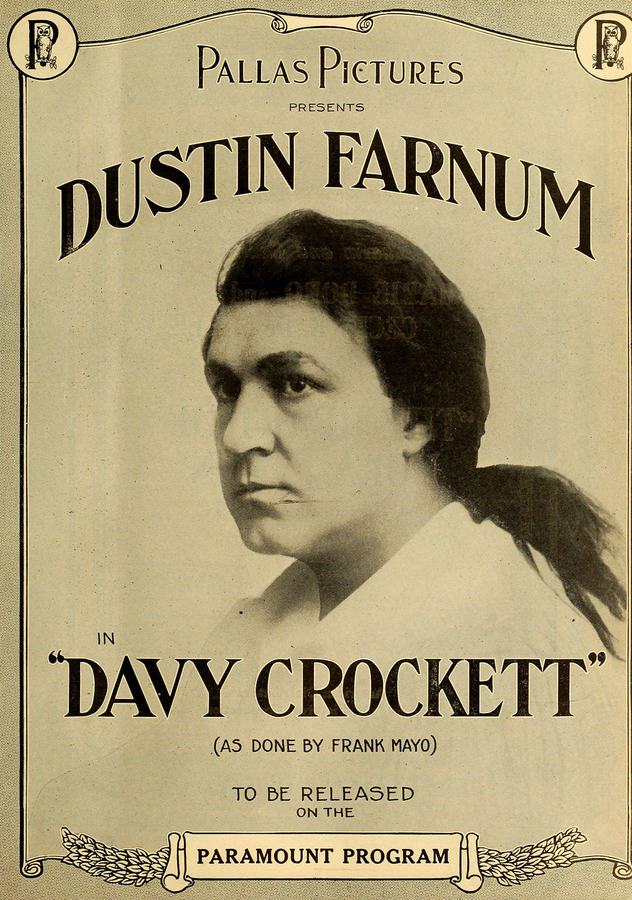
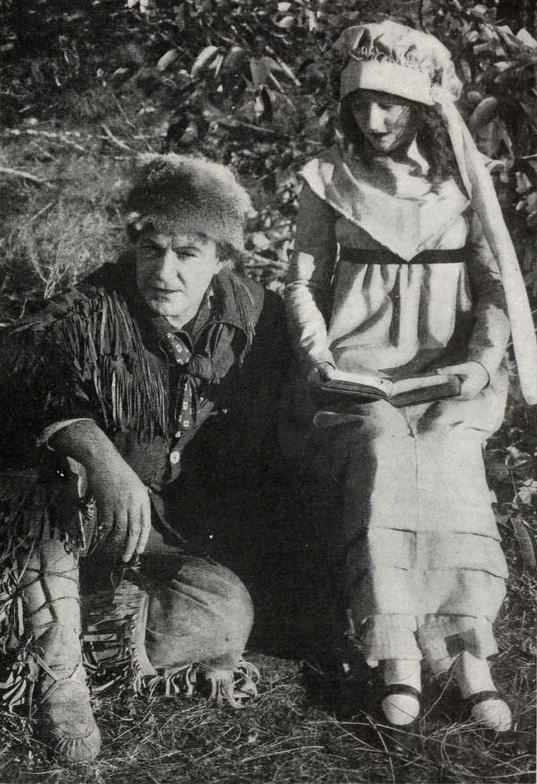
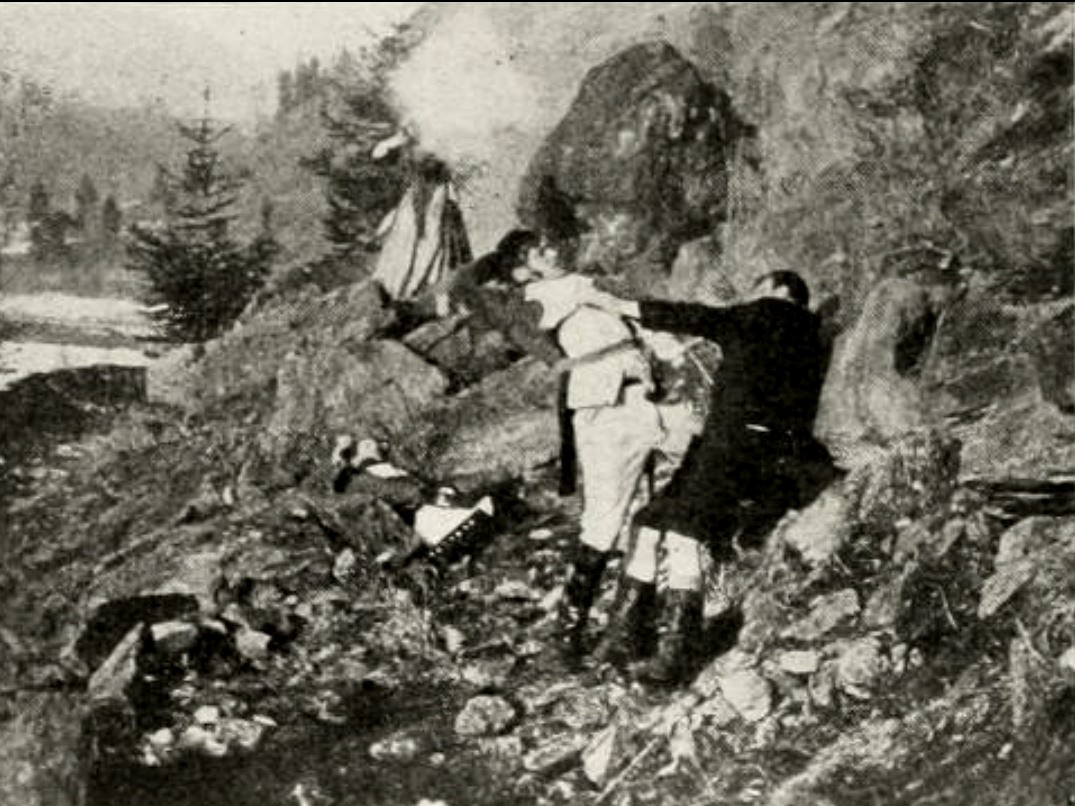
The film begins, as Crockett's legend often does, deep within the untamed American wilderness. Here, we encounter Davy not as a historical figure burdened by the weight of future martyrdom, but as a man of the earth, a hunter whose keen senses and unwavering resolve are honed by the unforgiving demands of frontier life. Farnum, with his robust physicality and earnest gaze, embodies this primal Crockett with a compelling earnestness. His performance, while necessarily broad for the silent era, conveys a genuine connection to the land and its people. This initial depiction is crucial, establishing the bedrock of authenticity from which Crockett’s later political and military endeavors spring. The film skillfully portrays his transition from a celebrated local figure to a representative in the Tennessee legislature, and subsequently, to the halls of the United States Congress. This journey is not merely a geographical one, but a symbolic passage from the simplicity of nature to the complexities of governance, a narrative arc that resonates deeply with the American ideal of self-made success and democratic participation. The challenges he faces in this new environment – the political machinations, the sophisticated societal norms – are juxtaposed against his inherent integrity and common-sense wisdom, making his character all the more endearing and heroic to contemporary audiences.
Inevitably, the narrative steers towards the Alamo, the crucible where Crockett's legend would be forever seared into American consciousness. The film treats this pivotal event with a reverence that borders on the mythic. It's not just a siege; it's a spiritual reckoning, a moment where individual courage confronts overwhelming odds. The tension builds perceptibly as the small band of defenders prepares for their final stand against Santa Anna's colossal army. While historical accuracy in early cinema was often a secondary concern to dramatic impact, Taylor's direction here focuses on the emotional gravitas of the situation. Farnum’s Crockett, by this point, is no longer just a frontiersman; he is the embodiment of defiant liberty, a symbol of unwavering commitment to a cause greater than himself. The scenes depicting the Alamo's final moments are imbued with a tragic grandeur, showcasing the stoicism and bravery of the defenders. It’s a powerful cinematic portrayal of sacrifice, designed to stir patriotic fervor and solidify Crockett’s place in the pantheon of American heroes. The visual storytelling, relying on dramatic staging and expressive acting, had to carry the weight of this profound historical moment without the aid of spoken dialogue, a testament to the era's unique artistic challenges and achievements.
William Desmond Taylor, a prolific director of the silent era whose career would later be tragically cut short, demonstrates a clear understanding of the epic scope required for a story like Davy Crockett’s. His direction, while perhaps lacking the kinetic dynamism of later action epics, focuses on clear narrative progression and the emotional resonance of the characters. He orchestrates large crowd scenes and battle sequences with a commendable degree of clarity for the period, ensuring that the audience remains engaged with the unfolding drama. The cinematography, though limited by the technology of the time, captures the sweeping landscapes of the frontier and the stark, claustrophobic intensity of the Alamo siege. Taylor’s approach to storytelling is direct and earnest, allowing the inherent heroism of Crockett’s journey to shine through. He understood the power of visual symbolism in a silent medium, using imagery to convey themes of freedom, sacrifice, and national identity. The film's pacing, while perhaps deliberate by modern standards, allows for a comprehensive exploration of Crockett's varied life experiences, from his humble beginnings to his ultimate, iconic end. This methodical approach ensures that the audience fully appreciates the transformation of a man into a legend. The collaborative efforts of writers Frank Murdock and William Desmond Taylor are evident in the well-structured narrative, which balances historical events with dramatic license to create a compelling cinematic experience.
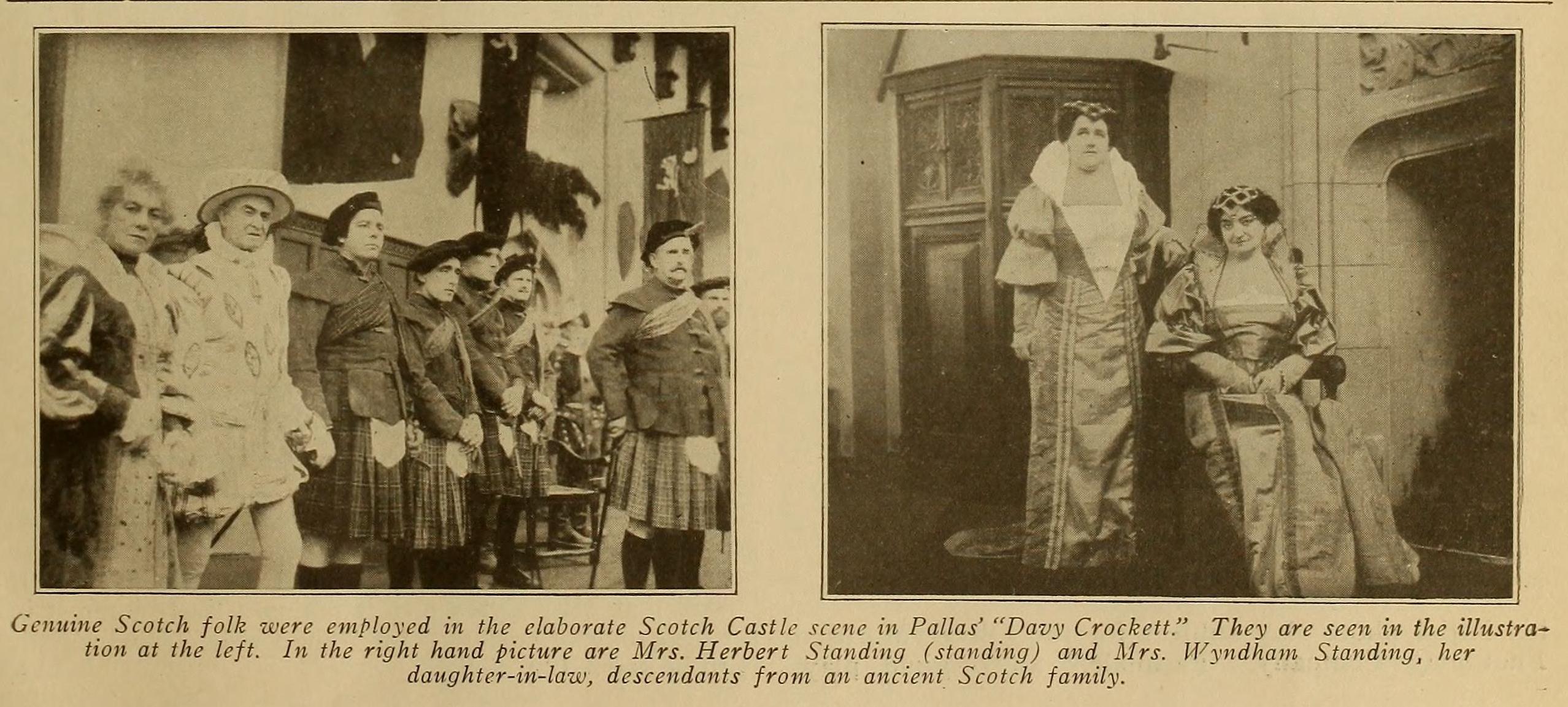
Dustin Farnum’s portrayal is undoubtedly the anchor of Davy Crockett. As a prominent star of the era, his presence alone lent significant weight to the production. His acting style, characterized by strong gestures and expressive facial movements, was perfectly suited for the silent screen, conveying emotion and intent without dialogue. He brings a certain gravitas and authenticity to Crockett, making the character feel both larger-than-life and deeply human. The supporting cast, including Winifred Kingston, Howard Davies, and Herbert Standing, provides solid performances that contribute to the film’s overall texture. Winifred Kingston, in particular, offers a nuanced portrayal that adds depth to the personal aspects of Crockett’s life, grounding the epic narrative in relatable human relationships. Lydia Yeamans Titus and Harry De Vere also deliver memorable turns, helping to populate Crockett's world with distinct personalities. It’s fascinating to observe the acting conventions of the period – the theatricality, the emphasis on pantomime – and how they were employed to communicate complex emotions and plot points. This ensemble work, under Taylor’s guidance, successfully crafts a believable world, albeit one filtered through the dramatic lens of early Hollywood. Their collective efforts ensured that the historical figures felt alive and engaging, not merely static representations. Comparing this to the character-driven narratives of films like The Immigrant, where Chaplin’s nuanced physical comedy conveyed volumes, one sees a different but equally effective approach to silent storytelling, focusing more on dramatic heroism than comedic subtlety.
Beyond the biographical details, Davy Crockett is deeply entrenched in themes central to American identity in the early 20th century. It celebrates individualism, the pioneering spirit, and the idea of manifest destiny, albeit through the lens of personal sacrifice. Crockett embodies the rugged American ideal: self-reliant, courageous, and fiercely independent. His journey from the wilderness to political office highlights the democratic ideal that any man, regardless of background, can rise to prominence and serve his nation. His ultimate stand at the Alamo, however tragic, transforms him into a martyr for liberty, a symbol of unwavering commitment to American ideals. The film taps into a collective yearning for heroes who embody these virtues, reinforcing a sense of national purpose and exceptionalism. This narrative thread of national identity and the struggle for freedom can be seen in other films of the era, such as A Maori Maid's Love, which, while culturally distinct, similarly explores themes of loyalty and belonging within a specific national or ethnic context. The stark choices faced by Crockett, echoing existential dilemmas, can even find resonance with the moral quandaries explored in films like Der letzte Tag, albeit in vastly different settings.
The 1916 Davy Crockett, while perhaps overshadowed by later, more technologically advanced portrayals of the frontiersman, holds significant historical value as an early cinematic attempt to immortalize a foundational American hero. It contributed to the ongoing cultural construction of Crockett’s myth, cementing his image in the public consciousness at a crucial time. For silent film aficionados and historians, it offers a fascinating glimpse into the narrative techniques, acting styles, and thematic concerns of early Hollywood. It showcases how nascent cinema grappled with grand historical narratives, transforming them into accessible and emotionally resonant spectacles for a mass audience. While its pacing and stylistic choices might seem archaic to contemporary viewers, its earnestness and ambition are undeniable. It stands as a testament to the enduring power of American storytelling and the nascent medium’s capacity to capture and perpetuate national legends. The very act of taking such a sprawling life and condensing it into a visual narrative was a feat of cinematic ambition, much like the intricate plotting seen in contemporary mystery films such as The Mystery of the Black Pearl, though with vastly different narrative aims. The film’s commitment to its subject matter, even within the technical constraints of the period, is admirable. It’s a foundational piece in the long lineage of American historical dramas, influencing how future generations would perceive and depict figures like Crockett. Its importance lies not just in what it shows, but in what it represents: a burgeoning nation’s desire to see its history, its heroes, and its values reflected grandly on the silver screen. In its own way, it’s as much a cultural document as it is a motion picture, revealing the popular imagination of its time. The sense of adventure and resilience, much like the themes explored in Northern Lights, highlights a universal human spirit of perseverance against formidable odds, albeit in different geographical and historical contexts. Ultimately, this silent film about a loud legend carved a quiet but significant niche in cinematic history, proving that even without sound, the echoes of a hero can reverberate across generations.
IMDb —
1914
Community
Log in to comment.