DbcultAccessing Vault...
Cult Review
Senior Film Conservator
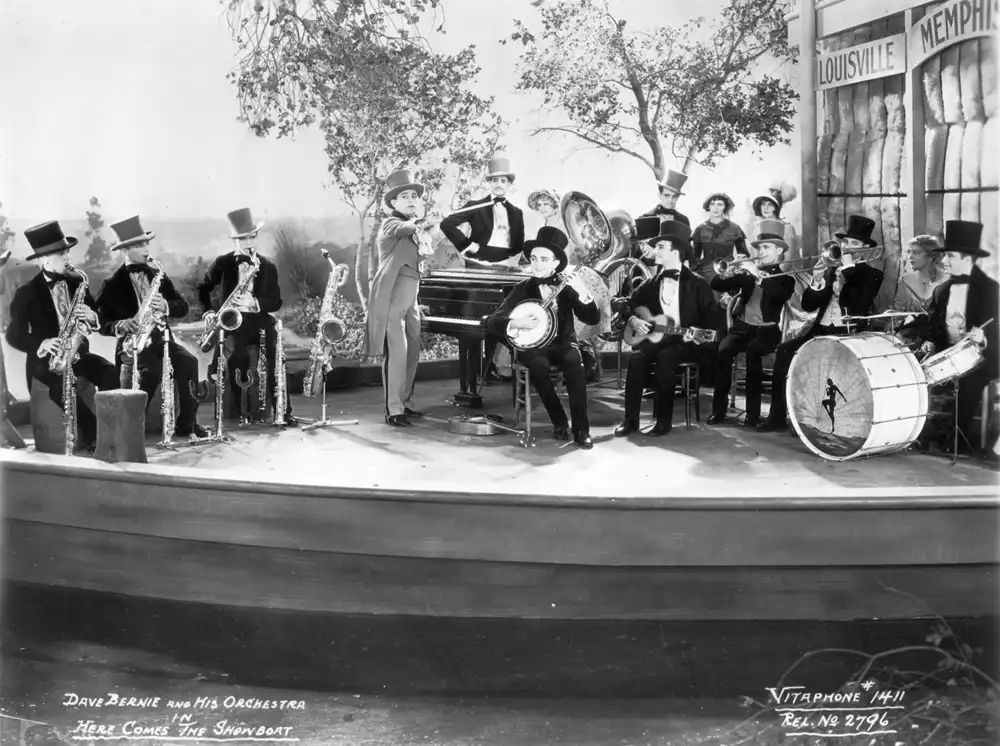
Alright, so you’re thinking about diving into something like Dave Bernie's Orchestra in Here Comes the Showboat. Look, it’s not for everyone. If you’re into early sound films, the kind where you can practically hear the limitations of the era, then yes, it's worth a peek. Anyone expecting a sleek, modern musical will probably hate it, or at least be very confused. It’s more of a historical curiosity, really. 🚢
The film opens with the titular orchestra, Dave Bernie himself looking quite pleased with things. The sound mix here, it’s a *lot*. Sometimes the brass just swallows everything else. You can tell they were still figuring out how to balance live music with film recording technology. It’s a messy joy, honestly.
The 'plot,' if you can call it that, centers around a showboat getting ready for its big performance. It’s thin, like tracing paper. Mostly, it’s just an excuse to string together a bunch of musical numbers and some truly earnest comedic sketches. You can almost feel the movie trying to convince you this moment matters.
Murray Roth is in it, and he’s got this one bit where he plays a clumsy deckhand who keeps dropping things. It gets a laugh the first time, maybe the second. By the third, it feels less like comedy and more like he just forgot his lines and decided to fall over again. But hey, it’s a certain kind of charm.
There's a number called 'Riverboat Rhapsody,' which is probably the most ambitious piece. The ensemble tries to do some synchronized dancing. It’s… energetic. Not perfectly in step, mind you, but everyone’s really putting their heart into it. You see a few people almost trip, and it just makes you root for them more.
The sets are what you’d expect for the time, a bit painted-on. The showboat interior looks pretty grand in certain shots, then you notice the backdrop wiggling a little bit when someone walks too close. It’s a good reminder of how far things have come.
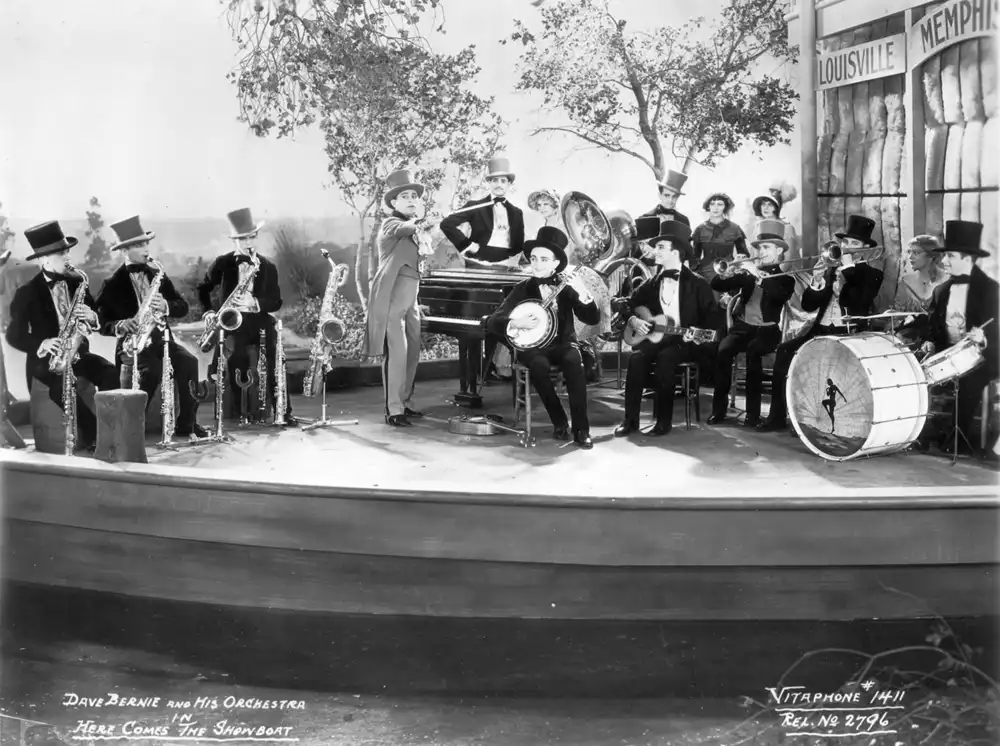
One scene lingers on a close-up of a banjo player’s hands, just for a few extra seconds. It feels oddly specific, like the director was really proud of that banjo player or something. It’s a small, easy-to-overlook moment, but it stuck with me.
The pacing is a little all over the place. Sometimes a song ends abruptly, then it’s just a beat of silence before the next thing starts. It's not smooth. But that’s part of its character, I guess. It feels like they were rushing to get everything onto the reel.
There’s a part where someone tries to sing a ballad, and the microphone placement must have been bad because their voice keeps dipping in and out. You almost have to lean in to catch the lyrics. It's a bit frustrating, but also kinda sweet in its imperfection. It’s not polished, it’s *raw*.
Is it a forgotten gem? Probably not. Is it a testament to early filmmaking guts? Definitely. You watch it and you think, 'Man, they really tried.' And that’s something. It reminds me a bit of the raw energy you get from some of those early musical shorts, even if they aren’t as flashy as, say, The Romance of Seville.
It’s not a film to study for its narrative depth or incredible performances. It’s a film to just experience, to put on when you want to feel a connection to a very different time in cinema. Maybe with a cup of tea. Or something stronger. ☕
Community
Log in to comment.