DbcultAccessing Vault...
4.5/10
Senior Film Conservator
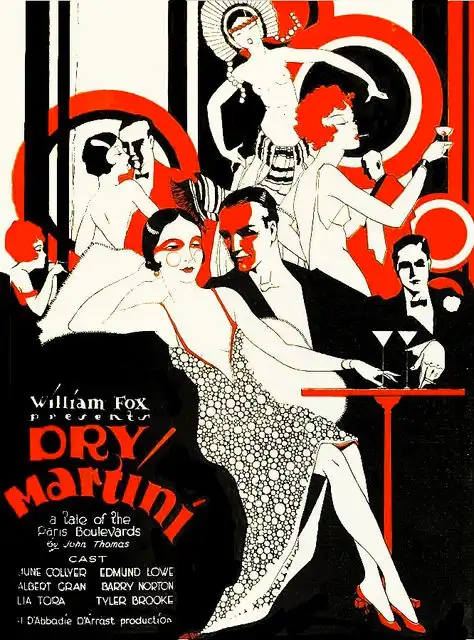
A definitive 4.5/10 rating for a film that redefined the boundaries of cult cinema. Dry Martini remains a cornerstone of transgressive art.
Alright, let's be upfront: Dry Martini is one of those old films you might stumble upon late at night, and honestly, if you're not already a fan of early talkies or the peculiar rhythms of cinema trying to find its voice, you can probably give it a miss. But for those of us who get a kick out of seeing how movies used to stumble along, finding their footing, there’s a certain clumsy charm to its almost-elegance. It’s for the patient, the curious, and anyone who appreciates a good period-specific awkward pause.
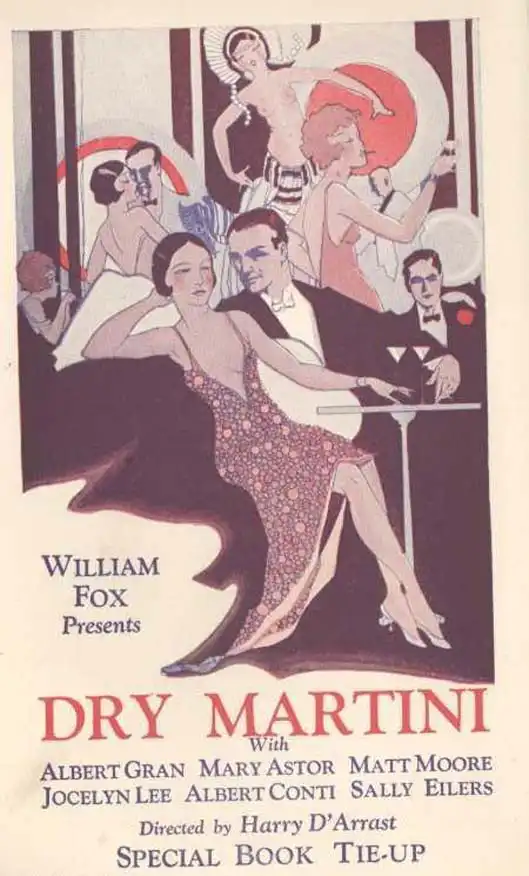
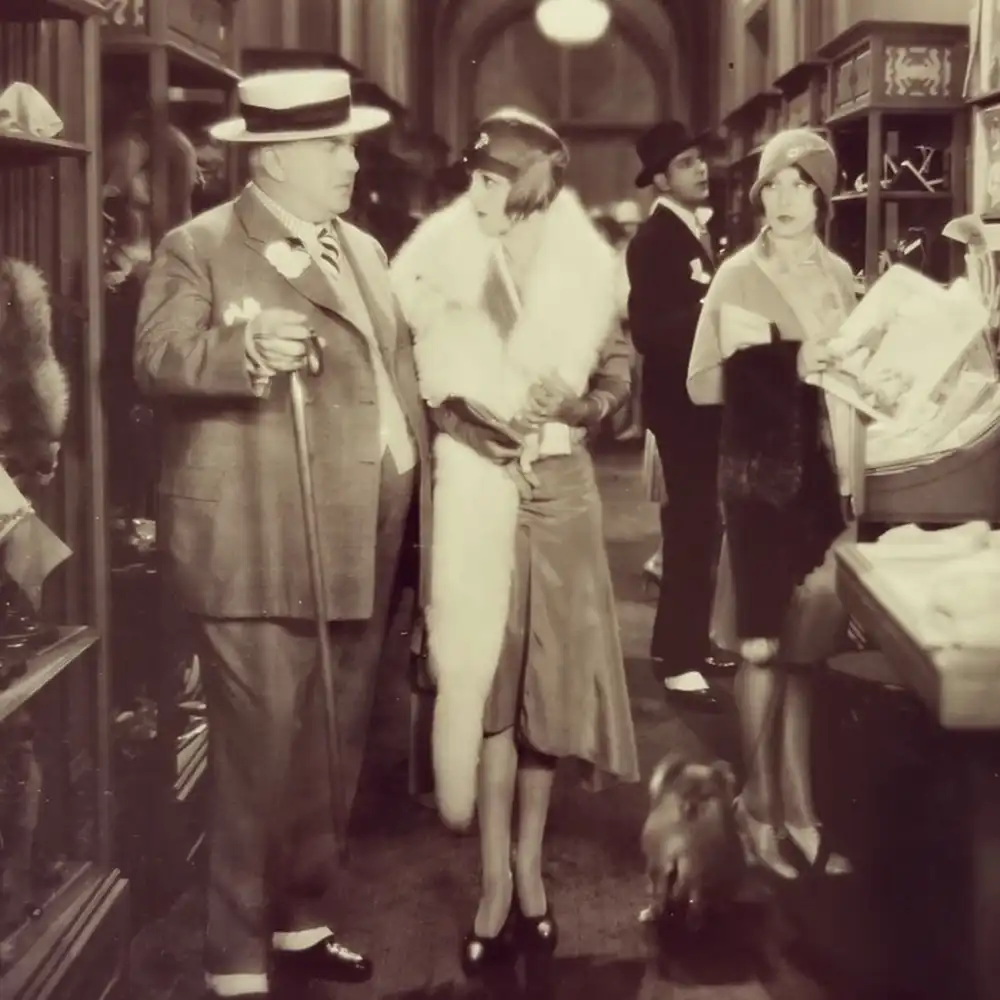
The premise itself feels like it was scribbled on a cocktail napkin: Willoughby Quimby, a man of means and apparently questionable habits, decides to go straight. No more martinis, no more ladies of the evening, all because his daughter, Elizabeth, is coming to Paris. This sudden moral pivot feels less like character development and more like the scriptwriters just needed a reason to get the plot rolling. Tom Ricketts, as Willoughby, plays it with a kind of resigned weariness that almost sells it, but you can practically hear the gears grinding.

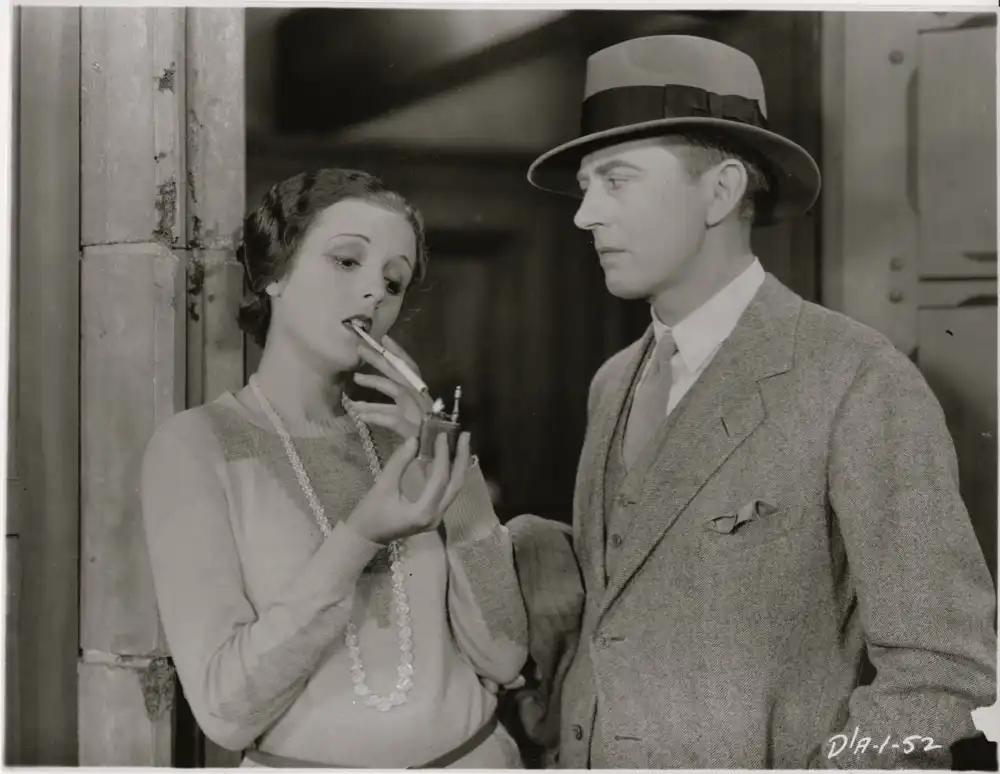
Elizabeth, played by Sally Eilers, arrives from America and immediately throws a wrench into Willoughby’s newfound sobriety. She’s supposed to be wild, you see. Her idea of wild in 1920s Paris, however, mostly involves a lot of spirited giggling and a certain casual disregard for social niceties. It’s not exactly breaking taboos by today's standards, but for the era, it’s meant to signify a modern, uninhibited spirit. Her energy is infectious in some scenes, particularly when she’s bantering with Freddie, the father's ne'er-do-well drinking buddy. There’s a spark there, a genuine lightness that feels less forced than some of the other interactions.
Speaking of Freddie, Matt Moore brings a wonderfully disheveled charm to the role. He’s the kind of character you know is trouble, but you can’t help but like him. The chemistry between him and Eilers is probably the film’s strongest suit. Their scenes together often have a spontaneity that cuts through the more stilted dialogue elsewhere. You see them exchange a look, a tiny smirk, and you think, “Okay, they actually get it.”
The pacing is… well, it’s of its time. Some scenes drag on, particularly early on when Willoughby is making his earnest, somewhat pathetic attempts at reform. There’s a sequence where he tries to explain his new lifestyle to his butler, and the camera just sits there, letting the silence stretch, almost as if waiting for a laugh that doesn’t quite land. It’s a good example of how early talkies were still figuring out how to balance dialogue and visual storytelling, sometimes leaning too heavily on the former.
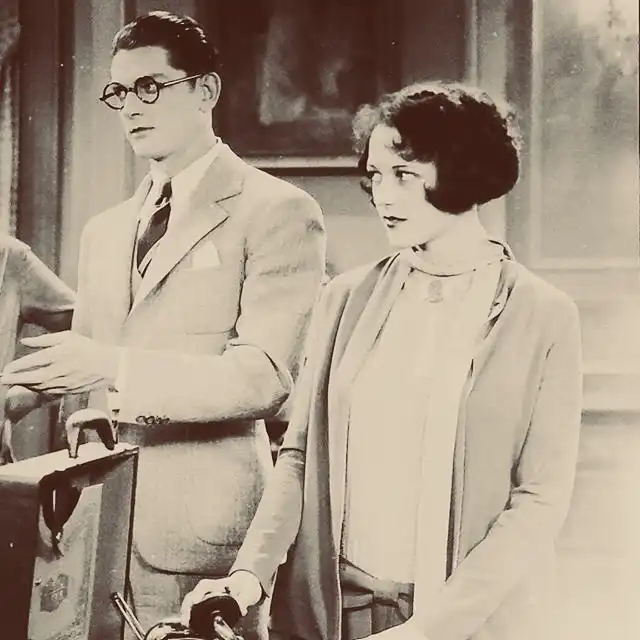
The crowd scenes have this oddly empty feeling, like half the extras wandered off for a cigarette. It’s almost charming in its sparseness, a reminder of the budget and the scale of filmmaking back then.
The Parisian setting is mostly conveyed through painted backdrops and a few sparse props. You can almost feel the stagehands waiting just out of frame. There’s one shot of a cafe terrace that holds for a good fifteen seconds, trying its best to evoke a bustling European atmosphere, but the limited depth of field and static camera make it feel more like a diorama than a living city. It’s a little endearing, honestly, to see the effort.
There are some truly awkward acting moments. A few of the supporting players seem to be struggling with the transition to sound, delivering lines with a theatrical stiffness that feels out of place even for the period. One character, a society matron, over-enunciates every single word, as if speaking to a deaf audience. It’s not bad acting, per se, but it’s a fascinating historical artifact of a medium in flux.
The tonal shifts can be a bit jarring too. One moment, it’s a lighthearted comedy of manners, the next, Willoughby is having a genuinely melancholic moment about his perceived failures, only for it to be undercut by a sudden, almost slapstick entrance by another character. The film never quite commits to one mood, which makes for an unpredictable, if sometimes uneven, viewing experience. You just have to roll with it.
By the time Elizabeth makes her choice, which feels inevitable from the moment she meets Freddie, Willoughby’s return to his beloved dry martinis feels less like a tragedy and more like a comfortable homecoming. The final shot of him, glass in hand, is perfectly pitched – a quiet acceptance, a shrug of the shoulders. It’s a nice, understated end to what is, at its heart, a pretty simple story about people stubbornly being themselves.
So, is it a masterpiece? No. But is it worth a look if you’re into the strange, wobbly charm of early sound pictures? Absolutely. It’s a film that reminds you that even with a thin plot and some clunky execution, there’s still something compelling about watching actors navigate the changing landscape of cinema. You can almost feel the movie trying to figure out what it wants to be, and that, in itself, is pretty cool.
IMDb —
1920
Community
Log in to comment.