DbcultAccessing Vault...
6.5/10
Senior Film Conservator
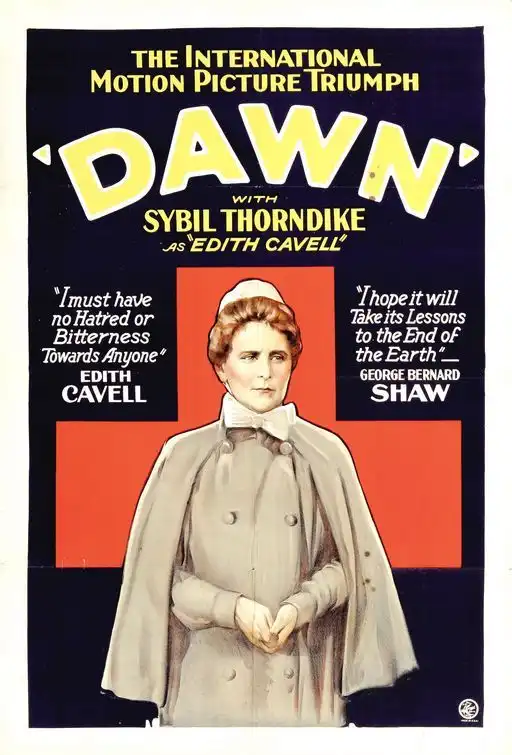
A definitive 6.5/10 rating for a film that redefined the boundaries of cult cinema. Dawn remains a cornerstone of transgressive art.
You should probably watch Dawn if you have any interest in how movies used to handle real, heavy history before everything became a CGI mess. It is a silent film from 1928 about Nurse Edith Cavell.
If you need things to blow up every ten minutes, go watch The Gasoline Buckaroo instead. This one is for when you're in the mood to actually sit still and feel something uncomfortable.
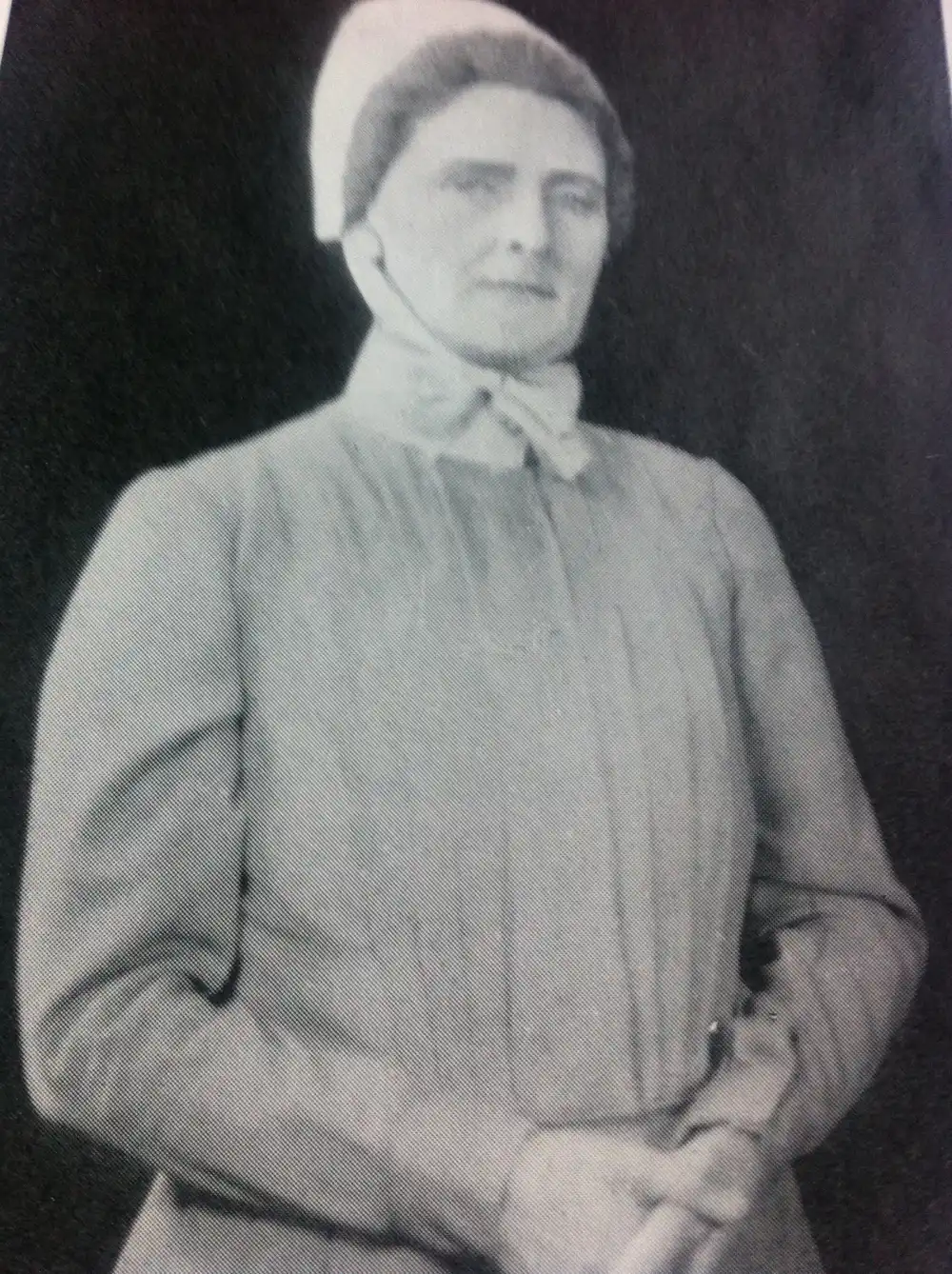
The movie stars Sybil Thorndike as the nurse. She has this way of looking at the camera that feels like she’s seeing right through the lens and into your living room.
Most silent actors do that weird thing where they wave their arms around like they are trying to land a plane. Not Sybil. She is very still.
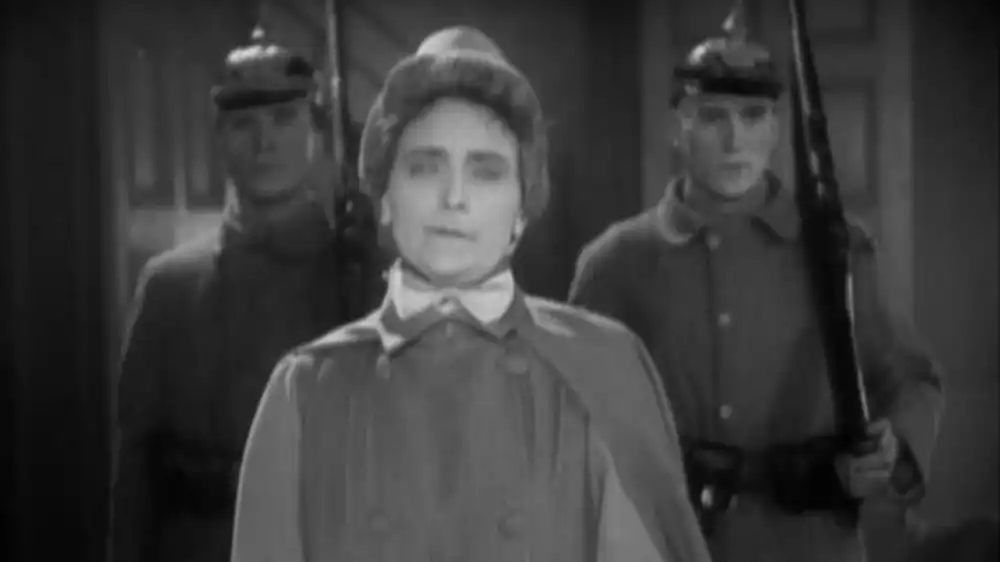
She plays a nurse in Belgium during World War I. She helps over 200 men escape to England.
There is a scene early on where she is just pouring tea. It feels like it lasts forever, but you notice how steady her hands are.
I kept looking at the background extras. Some of the soldiers look like they just walked off the street and put on a uniform that was two sizes too big.
One guy has a mustache that looks like it might fall off if he sneezes too hard. It’s these little things that make the movie feel like a real document of the time.
The pacing is a bit clunky in the middle. There is a lot of reading letters and looking at documents.
I found myself checking the time during the scenes where the Germans are arguing about military law. It gets a bit dry, like a school textbook.
But the atmosphere is thick. You can almost smell the damp stone in the prison cells. 🕯️
The lighting is actually really impressive for 1928. They use these massive shadows that make the hospital hallways look like a maze.
It reminded me of the mood in The Despoiler, but without the flashy stuff. Just plain, grim reality.
There is this one dog that shows up in a scene. He looks very confused about why everyone is being so quiet and serious.
The Germans aren't portrayed as total monsters, which was surprising for a movie made so soon after the war. Some of them look like they really don't want to be there.
There is one officer who looks physically ill when he has to sign the death warrant. That felt very human.
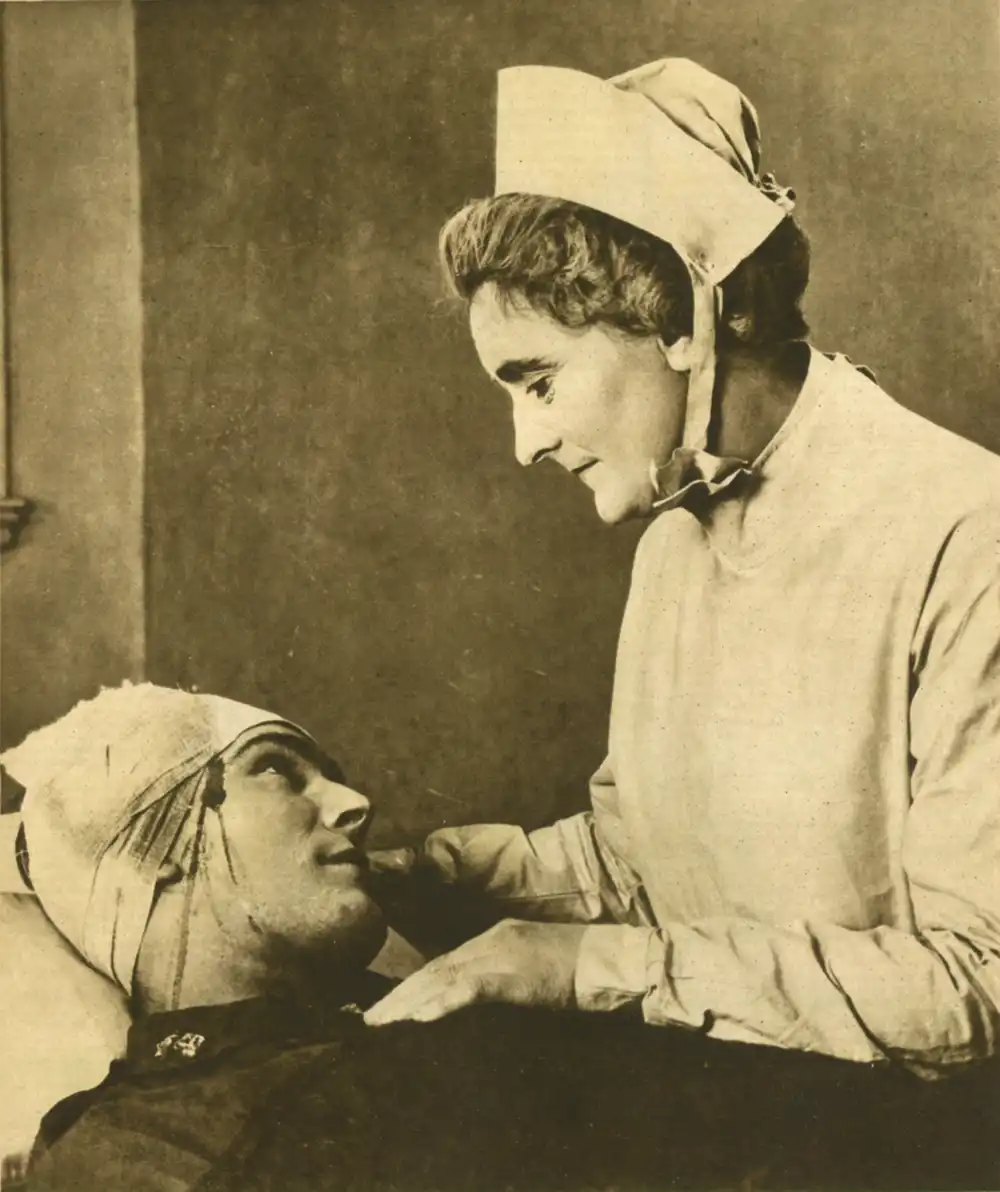
The ending is the reason to watch this. We all know she gets caught because, well, history.
But the way they film the execution is just... wow. It’s not graphic, but the way the camera stays on the feet of the firing squad is haunting.
I noticed one soldier in the back row who keeps shifting his weight. He looks like he’s about to pass out.
It’s much more effective than the weird comedy bits in something like The Perfect Clown. Obviously, different genres, but you get what I mean.
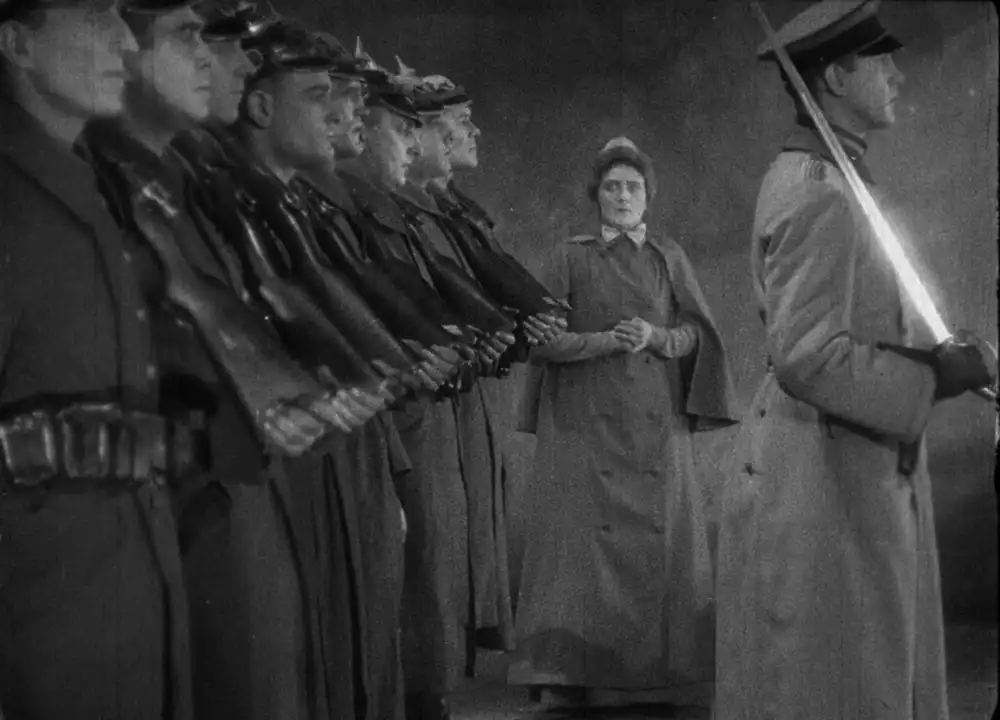
The movie was actually banned in some places when it first came out. People thought it was too political or would make the Germans look bad—or maybe too good?
Watching it today, it just feels like a very sad story about a lady who did what she thought was right. It’s simple.
The intertitles—the text cards—are a bit wordy sometimes. I think they could have cut half of them and we still would have gotten the point.
Sybil Thorndike’s face tells the whole story anyway. You don't need a card to tell you she's brave.
The print I watched was pretty scratchy and had some bits missing. Honestly, the graininess made the prison scenes feel even more authentic.
It isn't a "fun" movie for a Saturday night with popcorn. It’s a movie for a rainy Tuesday when you want to remember that people can be incredibly brave for no reward.
I think the director, Herbert Wilcox, really cared about this one. You can tell because he doesn't try to make it look pretty.
It’s just gray and cold and quiet. And then it ends. 🎬
It stayed in my head for a few hours after I turned it off. That doesn't happen often with movies this old.
IMDb —
1927
Community
Log in to comment.