DbcultAccessing Vault...
Cult Review
Senior Film Conservator
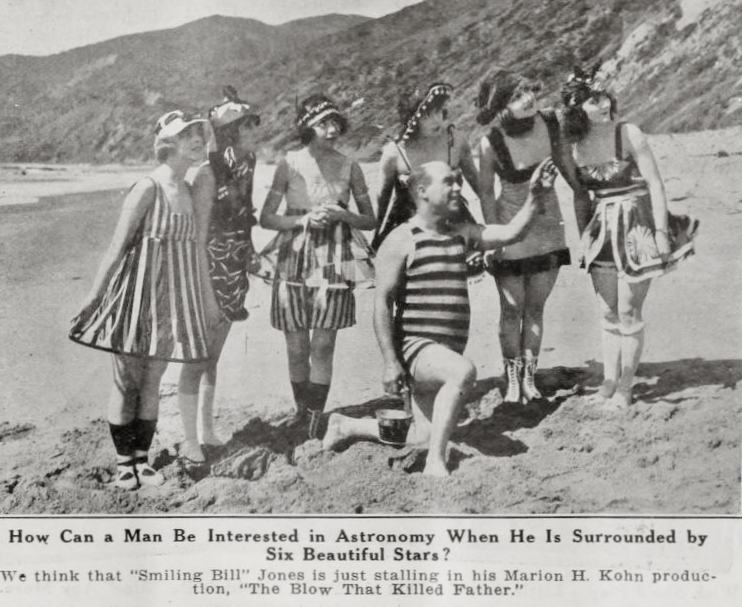
There is a peculiar, almost haunting resonance in the primitive frames of 1914 cinema that modern high-definition digital captures simply cannot replicate. The Blow That Killed Father is a stark testament to this era of raw, unvarnished storytelling. Directed by and starring the enigmatic Billy Jones, this film isn't merely a historical curiosity; it is a psychological excavation of guilt that predates the sophisticated noir tropes of the 1940s by decades. While many films of this period leaned heavily into the theatrical, Jones manages to find a pocket of quiet, devastating realism that feels startlingly contemporary.
The plot centers on a domestic dispute that escalates with frightening speed. Unlike the grand, operatic tragedies found in Mazeppa, der Volksheld der Ukraine, where the stakes are national and the scale is epic, Jones keeps the camera—and the conflict—tightly bound to the household. The 'blow' of the title is a moment of pure, unadulterated impulse. It is the kind of kinetic energy that once released, cannot be retrieved. This sense of the irrevocable is what gives the film its weight. When the father falls, it isn't just a body hitting the floor; it's the collapse of an entire moral structure.
Billy Jones delivers a performance that is remarkably restrained for the silent era. Often, silent film acting is criticized for its pantomimic excess, yet Jones utilizes his eyes and his posture to convey a soul-crushing realization of his own lethality. He doesn't need to scream to the heavens; his stillness speaks volumes. This nuanced approach to internal conflict is something we see mirrored in the complex character studies of The Forbidden Path, yet here it feels more intimate, less burdened by the moralistic preaching common in early 20th-century screenplays.
Technically, the film navigates the limitations of its time with surprising agility. The lighting—while not as overtly expressionistic as the later German works like Das Skelett—uses shadow to segment the room into zones of innocence and guilt. The framing is deliberate, often placing the protagonist in the corner of the frame, visually suggesting he is being squeezed by the very walls of his home. This claustrophobia is essential to the film's impact; there is no escape from the crime because the crime happened in the sanctuary of the domestic sphere.
Comparing this to the sprawling landscapes of The Squaw Man, one realizes that Jones was experimenting with a different kind of scale—the scale of the human conscience. The pacing is staccato, mirroring the heartbeat of a man in the throes of panic. Every cut feels like a ticking clock, a countdown to the inevitable arrival of the law or, perhaps more terrifyingly, the realization of his mother's grief. It lacks the whimsical charm of Hearts and Flowers, replacing it with a grim, industrial-age grit that feels honest.
One cannot discuss The Blow That Killed Father without touching upon the proletarian anxieties of 1914. The father and son dynamic is steeped in the stresses of the working class. The friction that leads to the blow is not born of a grand betrayal, but of the mundane, grinding pressure of survival. In this way, it shares a thematic DNA with On the Fighting Line, where the struggle for dignity is a constant battle. The film suggests that violence is the byproduct of a world that offers no other outlet for frustration.
The female characters, though secondary, provide a crucial counterpoint. Their reactions are not the histrionic outbursts of The Green-Eyed Monster; they are the quiet, devastating collapses of women whose entire economic and emotional security has been annihilated in a single second. The film portrays the family unit as a fragile ecosystem, easily disrupted by the masculine urge to dominate. This is a far cry from the more lighthearted social maneuvering in The Gentle Intruder.
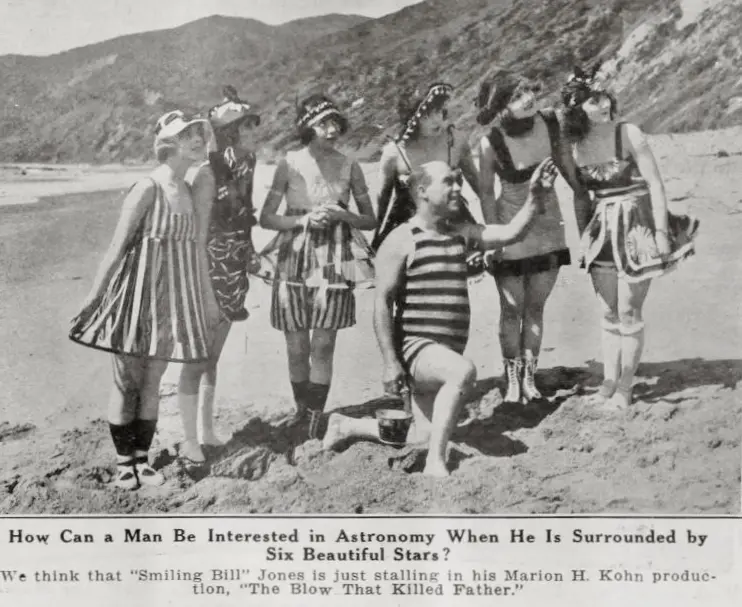
When we look at the trajectory of early cinema, The Blow That Killed Father stands as a bridge between the simple morality plays and the complex psychological dramas that would follow. It lacks the exoticism of Die Herrin der Welt 4. Teil - König Macombe, but it gains a visceral power through its plainness. It doesn't need the artifice of a 'hidden world' because the horror it explores is universal and terrifyingly accessible. It is the horror of the 'self'—the realization that we are all capable of a blow that could end our world.
The film’s resolution is particularly striking. There is no easy redemption. Unlike the somewhat contrived endings of The Third String, where narrative threads are neatly tied, Jones leaves the audience in a state of moral suspension. The protagonist is not a villain, but he is certainly no hero. He is a man caught in the Whirlpool of Destiny, spinning toward a fate he cannot control. This ambiguity is what makes the film stay with you long after the final title card has faded.
Billy Jones’ character represents a fascinating study in the crumbling of Victorian masculinity. The patriarch is dead, not by some external force or illness, but by the hand of the next generation. This subversion of the 'pater familias' is a radical move for 1914. While The Gun Woman explored the agency of the female in a violent world, Jones explores the impotence of the male when faced with the consequences of his own strength. The son’s hands, once tools of labor, have become instruments of destruction.
The film also avoids the comedic tropes of something like Baron Olson, maintaining a somber, almost liturgical tone. There is a sense of ritual in the son's mourning, a penance that feels deeply rooted in a pre-modern sensibility. Yet, the film’s directness—its refusal to look away from the body—is modern. It forces the viewer to confront the physicality of death, much like the gritty realism found in M'Liss, but without the softening effect of a frontier romance.
Ultimately, The Blow That Killed Father is a masterpiece of economy. In a short runtime, it manages to convey a lifetime of regret. It is a film about the weight of the hand—the physical manifestation of our darkest impulses. Billy Jones proves himself to be a filmmaker of immense empathy, refusing to judge his protagonist even as he chronicles his downfall. He understands that the blow was an accident, but he also knows that in the eyes of the world—and the eyes of the law—accidents are rarely forgiven.
For those interested in the evolution of cinematic narrative, this is essential viewing. It provides a missing link between the stage-bound dramas of the late 19th century and the psychological depth of the mid-20th. It is a film that demands to be seen not just as a relic, but as a living, breathing piece of art that still has the power to shock and move. It reminds us that while technology changes, the human capacity for error, and the subsequent agony of guilt, remains eternally, painfully constant. It is as powerful and as immovable as The Seats of the Mighty, yet far more intimate in its execution.
A haunting, essential piece of early silent cinema that proves guilt is the loudest sound of all.
IMDb 6
1921
Community
Log in to comment.