DbcultAccessing Vault...
6.3/10
Senior Film Conservator
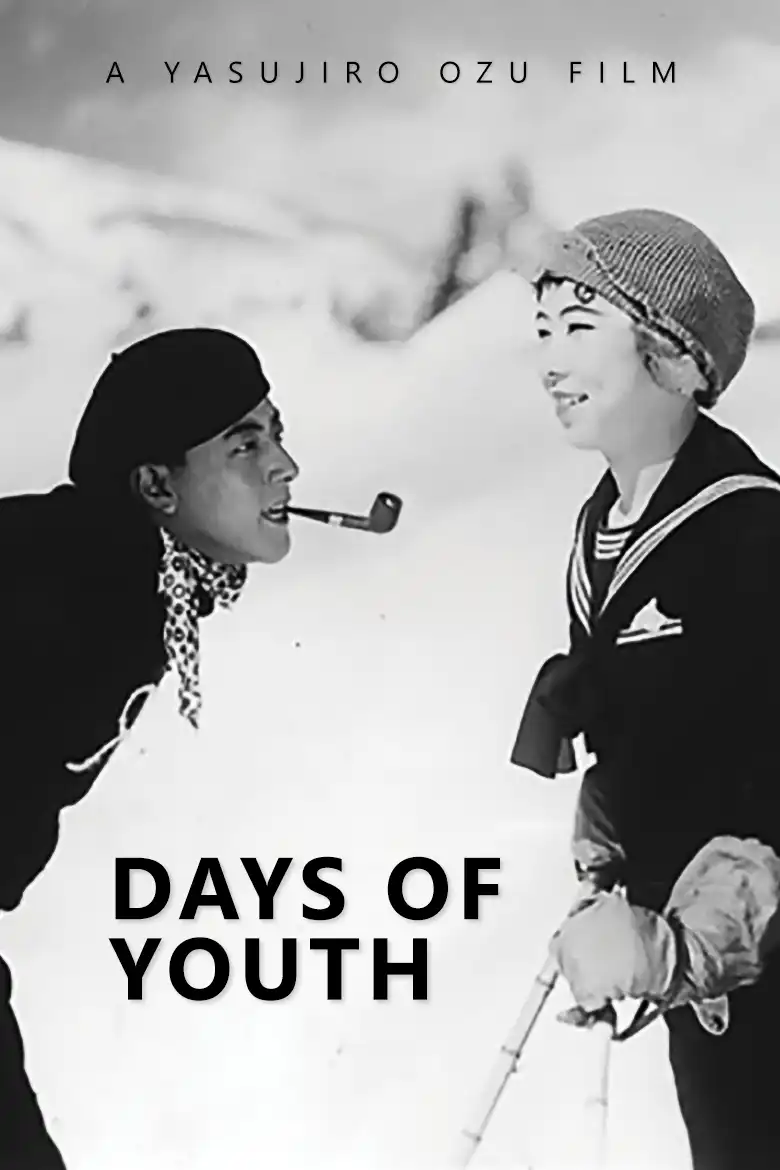
A definitive 6.3/10 rating for a film that redefined the boundaries of cult cinema. Days of Youth remains a cornerstone of transgressive art.
Alright, so we're talking about Days of Youth, a silent film from 1929 by Yasujirō Ozu. Is it worth watching today? Yeah, but with a big asterisk. If you’re already into Ozu or classic Japanese cinema, absolutely. It’s a neat look at his early work. If you need explosions or even just talking, probably give this a pass. It’s slow, quiet, and really just wants you to *feel* things.
The story is simple enough: two buddies, Ryōichi and Tetsuo, both working at the same office, both get crushes on the new typist, Chieko. You just know where this is going, right? But Ozu finds all these little ways to make it interesting without saying a word.
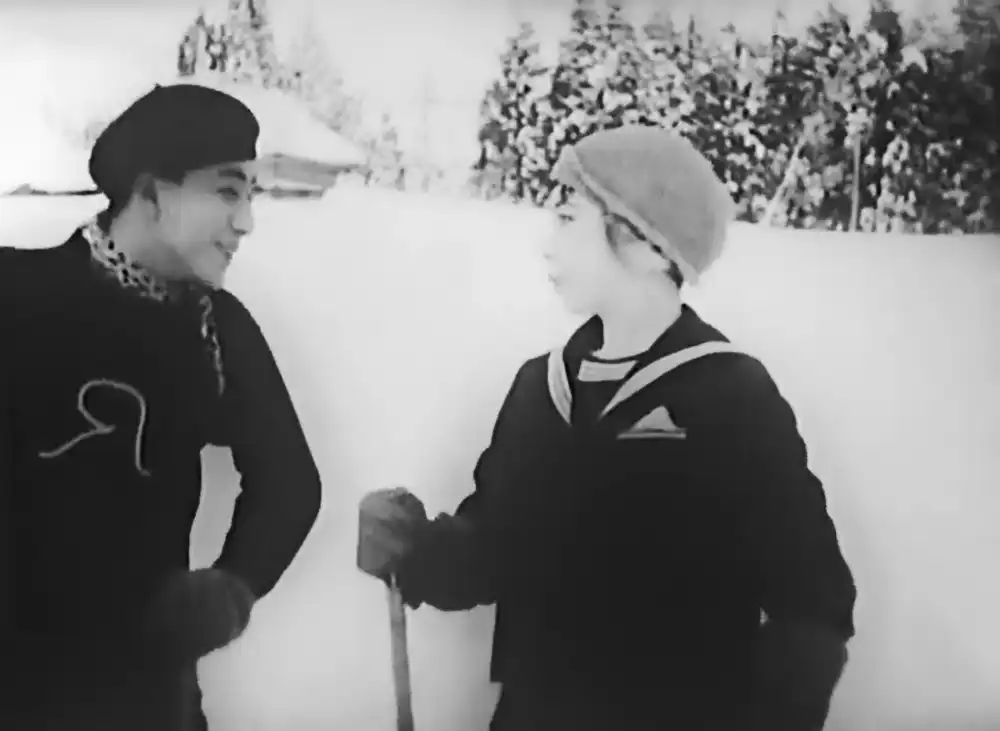
What really stuck with me was the way these guys, Ryōichi and Tetsuo, act around each other. There’s this constant, almost invisible, competition. One scene, they're walking home, and they both spot Chieko. They immediately start trying to act cool, walking a bit straighter. It’s so subtle, but you see it.
And Chieko, played by Junko Matsui, she's got this quiet grace. She’s not some big dramatic figure. She’s just a person, trying to get by. Her reactions to their clumsy attempts at affection are often just a slight tilt of the head or a quick smile. It felt very real.
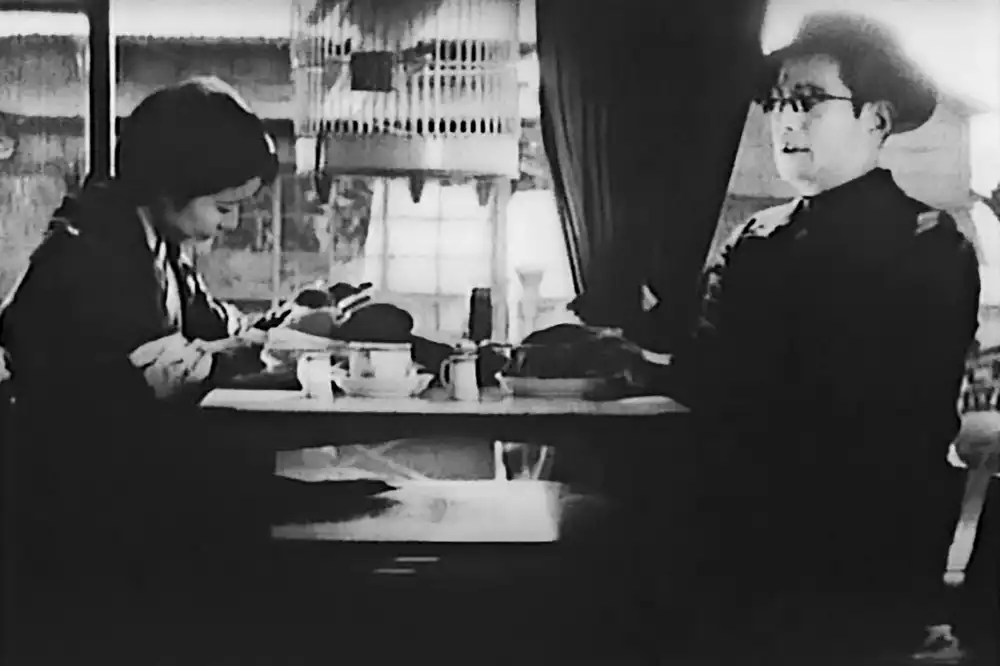
The film picks up a lot once they all decide to go on a ski trip. That whole sequence is just *packed* with little moments. The slapstick of them falling down the slopes, the way Ryōichi tries to show off, and Tetsuo just being a bit more awkward about it.
There’s this one shot of Chieko, she’s sitting alone, watching the boys struggle. Her expression there is just… you feel what she’s thinking. A mix of amusement, maybe a little pity. It really makes you lean in.
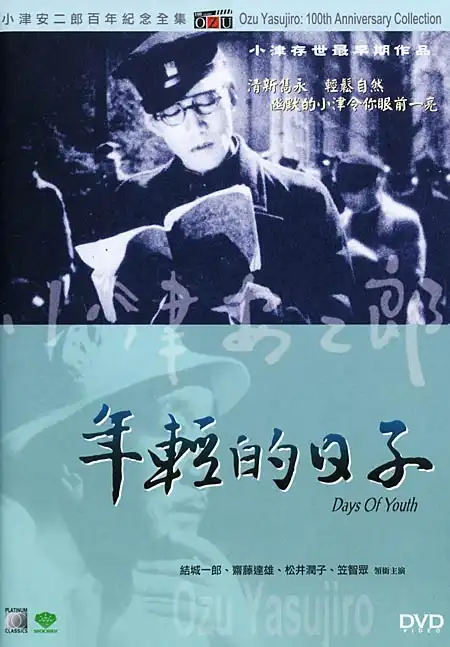
I found myself noticing the costumes, too. Especially the ski outfits. They look so clunky and formal compared to what we’d wear today. You can practically feel how cold they must have been out there. Not a big thing, but it added to the period feel.
Ozu’s camera work, even this early, has that touch. He holds shots for a beat longer than you expect. You're just watching people exist. The scene where they're all back in the city, back to their office life, after the trip, feels almost like a different movie. The energy shifts.
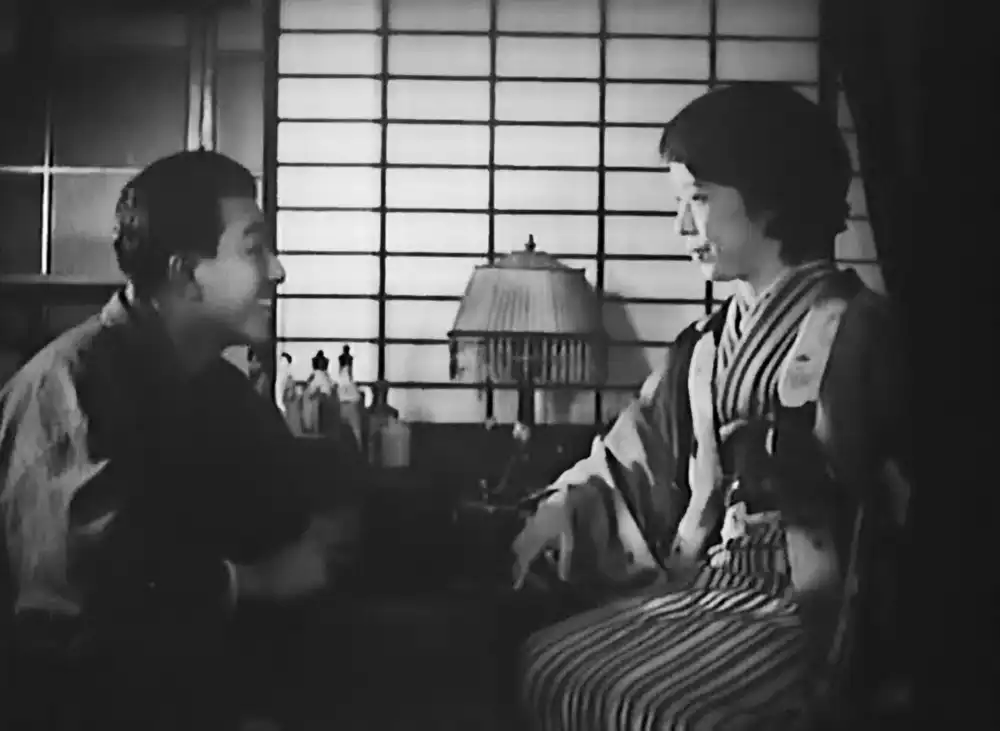
The intertitles, of course, are a big part of it. Some are just dialogue, but others give you a little peek into their thoughts. They don’t over-explain, which is good. You still have to do some of the work yourself.
The ending isn’t some grand resolution. It’s quite understated. A little melancholic, maybe. But that’s Ozu, isn't it? He gives you life, not necessarily a neat bow on top. It made me think about how some crushes just… fade, or turn into something else.
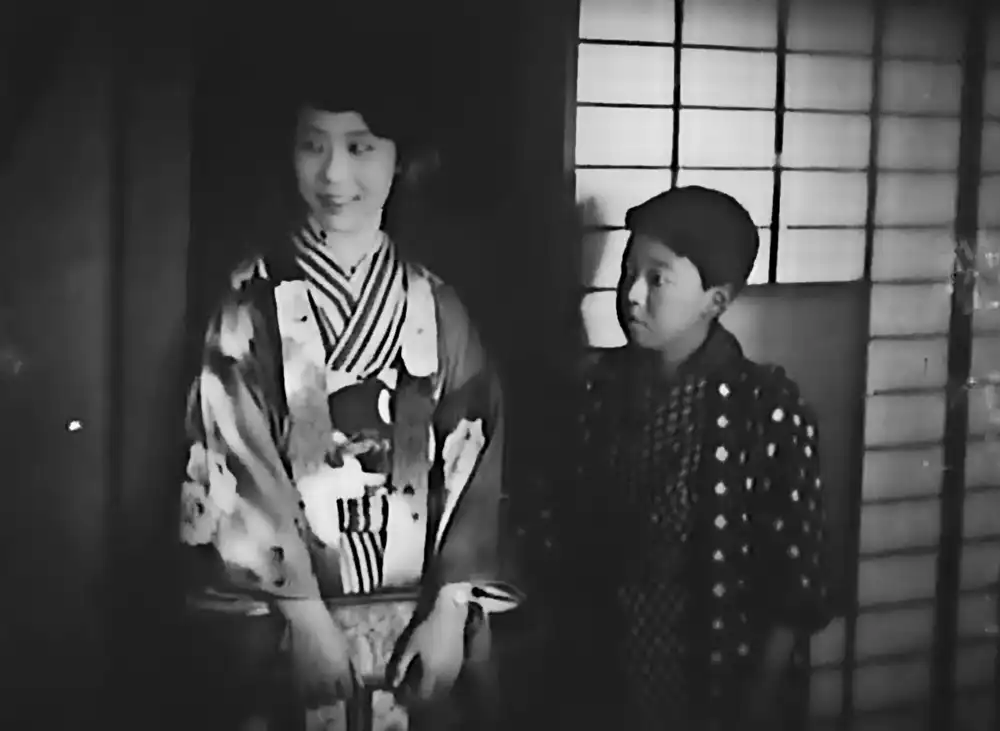
You can see glimpses of the master he’d become. The focus on everyday life, the small gestures. It’s not as polished as his later work, but it has a certain *youthful* energy, which is fitting. A bit rough around the edges, sure, but that’s part of its charm.
Honestly, watching Days of Youth is like stepping back in time. Not just to 1929 Japan, but to a different way of telling stories. It makes you slow down. And sometimes, that’s exactly what you need. 😌
IMDb 4.4
1927
Community
Log in to comment.