DbcultAccessing Vault...
5.8/10
Senior Film Conservator
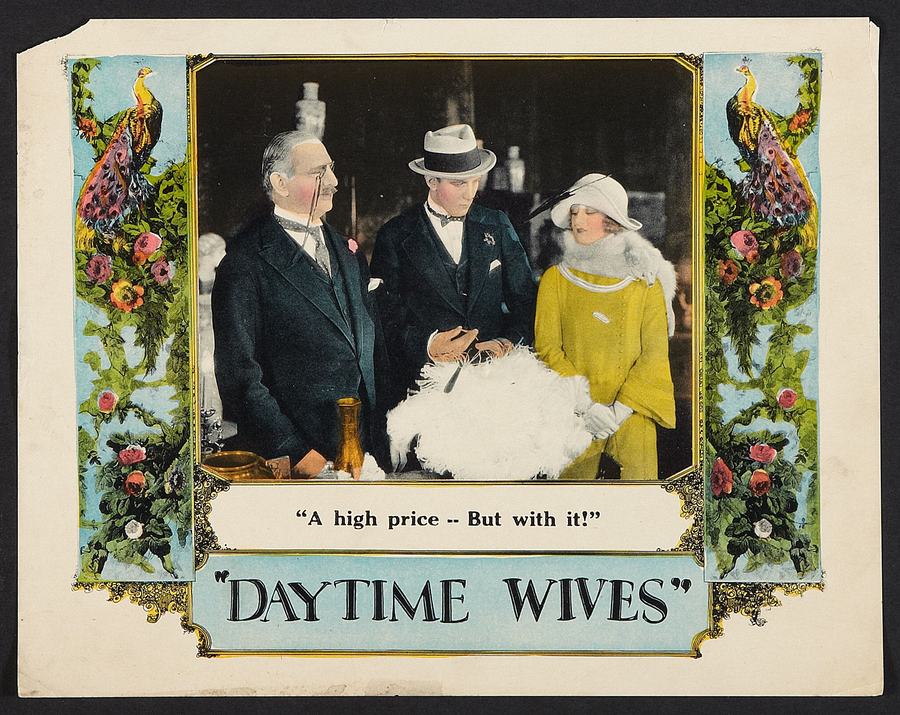
A definitive 5.8/10 rating for a film that redefined the boundaries of cult cinema. Daytime Wives remains a cornerstone of transgressive art.
The opening frames of Daytime Wives establish a visual dichotomy that mirrors its central conflict: Ruth Holt, rendered in crisp, tailored attire, moves with the precision of a well‑oiled drafting table, while Mrs. Adams drifts through opulent rooms like a languid wisp of perfume. Director Wyndham Standing, though better known for his acting, employs static compositions that allow the audience to linger on the subtle gestures that betray each character’s inner calculus. Ruth’s eyes, constantly scanning ledgers, contrast starkly with the idle flicker of Mrs. Adams’ gaze, which lingers on silk scarves and glittering chandeliers.
Elwood Adams, portrayed by Kenneth Gibson, is the archetype of the idealistic architect whose designs aspire to lofty heights while his personal foundations crumble beneath him. Gibson’s performance oscillates between earnest optimism and a bewildered helplessness that feels almost tragicomic. He loves his wife with a devotion that borders on naiveté, a love that blinds him to the fiscal hemorrhaging that threatens his practice. The script, penned by John F. Goodrich and Lenore J. Coffee, cleverly embeds architectural metaphors: contracts become blueprints, and the looming business crisis is depicted as a building whose supports are being quietly eroded.
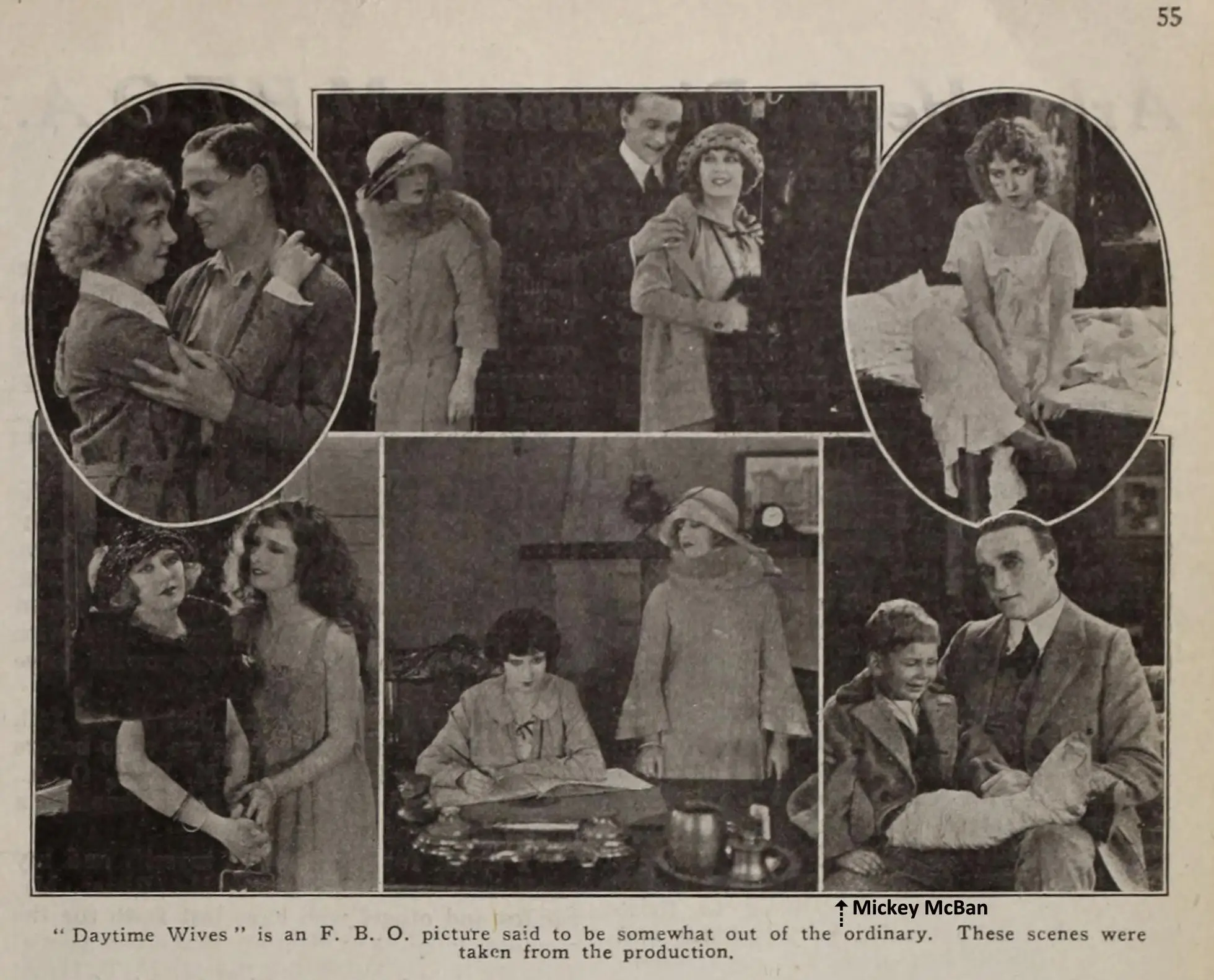
Enter the lounge lizard, a suave interloper whose very name conjures images of neon‑lit nightclubs and whispered conspiracies. Played with oily charm by Mickey McBan, he becomes the catalyst that propels the narrative from domestic discord to public scandal. His friendship with Mrs. Adams is less camaraderie than a strategic alliance, and his jealousy toward Ruth is both personal and professional. The lizard’s whispered accusations to Mrs. Adams about Ruth’s alleged deception serve as the narrative fulcrum that tips the story into a cascade of misunderstandings.
The pivotal scene where Elwood introduces Ruth to banker Amos Martin—portrayed with stoic gravitas by Wyndham Standing himself—under the pretense of marital unity is a masterclass in dramatic irony. The camera lingers on Ruth’s composed façade as she navigates the banker’s probing questions, while the audience is acutely aware of the charade. This deception, however, is not merely a plot device; it reflects the era’s preoccupation with appearances and the lengths to which individuals would go to preserve reputations in a society where financial credibility could be as fragile as a paper ledger.
Derelys Perdue’s portrayal of Mrs. Adams is a study in subtle decadence. She never resorts to melodramatic outbursts; instead, her disdain is conveyed through a languid sigh, a dismissive flick of a hand, or the way she lets a glass of champagne linger untouched. This restraint makes her eventual denunciation of Ruth feel both inevitable and deeply human. Christina Mott, as Ruth, balances competence with an undercurrent of suppressed yearning. Her eyes, often downcast, hint at an internal conflict between professional duty and personal desire—a tension that resolves only in the film’s denouement when she chooses love over loyalty to her employer.
Amos Martin, the banker, serves as the moral compass of the story. His sea‑blue attire—mirrored in the film’s occasional palette of cool tones—contrasts with the warm, oppressive hues that dominate the Adams household. Martin’s measured dialogue, delivered with a quiet authority, underscores the film’s thematic emphasis on integrity. When he learns of the ruse, his reaction is not one of anger but of contemplative disappointment, a reaction that elevates him beyond a mere plot obstacle and into a figure of ethical steadiness.
Cinematographer Jack Carlyle employs chiaroscuro lighting to accentuate the moral chiaroscuro within the narrative. The black‑background sets a somber tone, allowing the occasional splash of dark orange (#C2410C) in set décor to draw the eye to moments of tension—most notably during the confrontation between Mrs. Adams and Ruth. Yellow accents (#EAB308) appear during scenes of fleeting happiness, such as the brief interlude when Ruth and Martin share a quiet dinner, suggesting hope amidst the surrounding gloom.
The editing, overseen by Craig Biddle Jr., favors long takes that let performances breathe, a decision that feels daring for a 1930s studio picture. This pacing grants the audience the space to absorb the subtext in each exchange, particularly in the climactic courtroom‑like scene where Ruth lays out the truth before a gathering of creditors and socialites.
When placed alongside contemporaneous works such as The Kaiser's New Dentist or the more melodramatic Whispers, Daytime Wives distinguishes itself through its restrained melodrama and its focus on professional ethics rather than pure romantic entanglement. Unlike the slapstick of With the Moonshine on the Wabash, which relies on overt comedy, this film opts for a quieter, more introspective tone that rewards patient viewers.
At its core, Daytime Wives interrogates the gendered expectations of the late 1930s. Ruth’s competence challenges the era’s archetype of the submissive female secretary, while Mrs. Adams embodies the consequences of a woman whose identity is tethered solely to consumption and aesthetic indulgence. The film does not vilify either woman; instead, it presents them as products of a patriarchal system that values women primarily for their utility or their ability to adorn a household.
Redemption arrives not through punitive measures but through an act of agency. Ruth’s decision to reconcile the Adams couple—despite her own feelings for Martin—demonstrates a nuanced understanding of sacrifice. Her eventual marriage to the banker signifies a triumph of personal authenticity over professional obligation, suggesting that true fulfillment lies in aligning one’s inner values with outward choices.
The screenplay adheres to a classic three‑act structure, yet it subverts expectations by allowing the protagonist’s arc to resolve not with a triumphant victory over the antagonist, but with a conciliatory gesture that restores equilibrium. The pacing, measured and deliberate, mirrors the methodical nature of Ruth’s work as a secretary. Each plot point unfolds like a ledger entry, precise and purposeful.
Though Daytime Wives slipped into relative obscurity after its initial release, its exploration of workplace dynamics and marital fidelity resonates with contemporary audiences. Modern viewers attuned to discussions about women’s agency in professional settings will find Ruth’s character both a relic and a precursor to today’s narratives about empowerment.
The film’s modest budget is evident in its restrained set design, yet this limitation becomes a virtue, directing focus toward performance and dialogue. The subtle interplay between dark orange and sea blue in the mise‑en‑scene serves as a visual metaphor for the clash between passion and reason—a dichotomy that remains relevant across eras.
In sum, Daytime Wives offers a richly textured portrait of 1930s domestic turbulence, rendered with a visual palette that underscores its emotional currents. The film’s strengths lie in its layered characters, its deft use of lighting to highlight moral ambiguity, and a script that balances wit with gravitas. While some pacing moments feel languid, they ultimately reinforce the film’s thematic emphasis on deliberation over impulsivity. For cinephiles seeking a forgotten gem that marries classic storytelling with nuanced social commentary, this title is an essential addition to any curated watchlist.
For further exploration of period dramas that navigate similar thematic terrain, consider viewing Filling His Own Shoes and A Law Unto Herself, both of which echo the intricate dance between personal ambition and societal expectation.
IMDb 5.9
1932
Community
Log in to comment.