DbcultAccessing Vault...
Cult Review
Senior Film Conservator
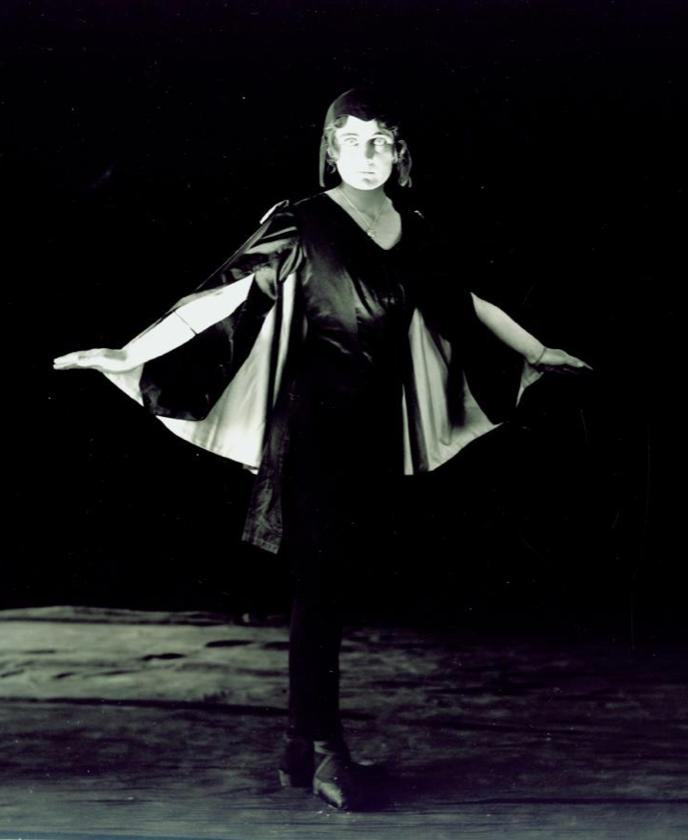
Stepping back into the nascent years of the 20th century, where the flickering images of cinema were still finding their voice, we encounter a remarkable Danish production, De mystiske z straaler (The Mysterious Z-Rays). Directed by the visionary George Schnéevoigt, this 1916 silent film isn't merely a historical artifact; it's a fascinating testament to the burgeoning imagination of early filmmakers, a bold foray into the then-unexplored territories of science fiction. It's a film that, despite its age and the inherent limitations of its era, manages to pose questions about human desperation, scientific ethics, and the very nature of perception that resonate even today.
At its heart, Schnéevoigt's narrative begins not with a grand scientific discovery, but with a deeply human struggle. We are introduced to Karsakow, portrayed with nuanced vulnerability by Anton de Verdier, a circus dancer whose world is abruptly upended. The big top, his stage and his livelihood, has cast him out, leaving him adrift in a harsh urban landscape. This isn't just a loss of employment; it's an erosion of identity, a severing of the ties that anchor a man to his purpose. The weight of his predicament is amplified by the presence of his younger brother, Vladir, whose survival now rests squarely on Karsakow's shoulders. The silent era, often characterized by its melodramatic flourishes, here grounds its emotional core in a stark realism of poverty, a theme echoed in films like The Undesirable, where societal neglect and economic hardship drive much of the narrative tension. Karsakow's desperation is palpable, a silent scream of a man pushed to the brink, contemplating the impossible in the face of an unforgiving world.
His plight is not merely a plot device; it's a profound exploration of human resilience and vulnerability. How does one maintain dignity when the very means of survival are stripped away? De Verdier, through his expressive physicality and poignant gaze, conveys this internal turmoil without a single spoken word. The early scenes establish a powerful dichotomy: the vibrant, almost magical world of the circus, now a distant memory, contrasted with the grim, unforgiving reality of the streets. This abrupt transition forces Karsakow to confront not only his external circumstances but also the moral compass that guides him. What lines will he cross to ensure Vladir's safety? This moral quandary forms the bedrock upon which the more fantastical elements of the plot are built, giving them a human anchor that prevents the film from devolving into mere spectacle.
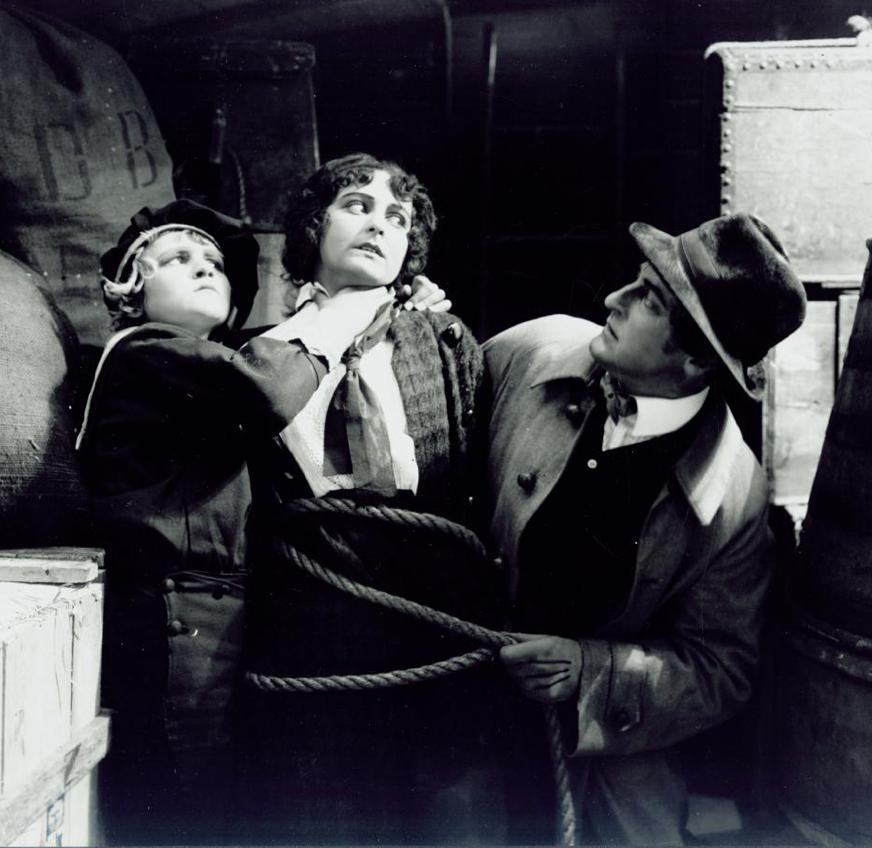
The turning point arrives, as it so often does in narratives of this kind, through an unlikely discovery. A newspaper, typically a mundane purveyor of daily events, becomes a harbinger of the extraordinary. Karsakow reads of inventor Berg, a figure shrouded in mystery, who has constructed a revolutionary device: a light beam, the 'Z-straaler,' capable of penetrating all matter. This concept, simple yet utterly profound, taps into a primal human desire – the ability to see beyond the surface, to uncover hidden truths, to negate physical barriers. In 1916, this would have been nothing short of astounding, a cinematic prophecy of X-rays and other forms of invisible light that were still largely confined to scientific laboratories or the realm of speculative fiction.
The inventor, Berg, likely portrayed by either Fridjof von Kaulbach or Johannes Ring, embodies the archetypal 'mad scientist' figure, yet with a crucial distinction. His invention, while powerful, is presented as a neutral force; its moral implications arise from its potential application. This echoes the enduring debate surrounding scientific advancement: is knowledge inherently good, or does its value depend entirely on the hands that wield it? The 'Z-straaler' represents ultimate transparency, a tool that could revolutionize medicine, industry, or, in the wrong hands, become an instrument of unprecedented intrusion. The film, through this invention, subtly probes the very definition of privacy and the ethics of absolute perception, themes that feel incredibly prescient in our surveillance-heavy modern age.
George Schnéevoigt, a name perhaps less familiar to modern audiences than his German or American contemporaries, demonstrates a remarkable directorial sensibility in De mystiske z straaler. Tasked with visualizing an invisible force and its effects in a pre-CGI world, Schnéevoigt had to rely on ingenuity, practical effects, and the power of suggestion. The portrayal of the Z-rays themselves, while perhaps rudimentary by today's standards, would have been groundbreaking. How does one show something that sees through everything? The film likely employed clever lighting, matte shots, and perhaps even rudimentary animation to create the illusion of penetration, pushing the boundaries of what was cinematically possible at the time. This pioneering spirit is what makes early sci-fi so compelling; it's a testament to human creativity overcoming technological limitations.
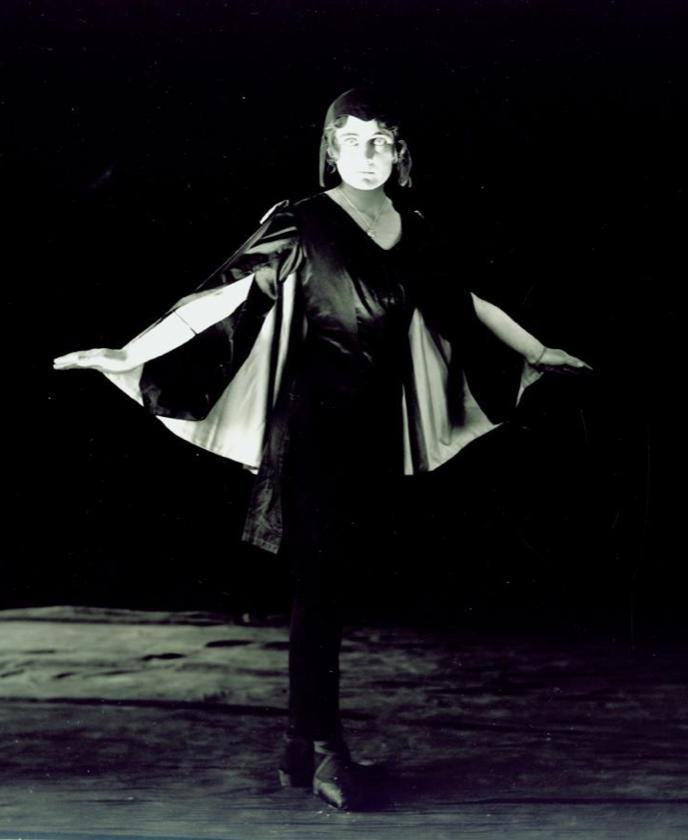
The visual language of the film, even in its surviving fragments or descriptions, speaks volumes. Schnéevoigt, who also penned the screenplay, understands the power of contrast: the grim interiors of Karsakow's poverty, the stark lines of Berg's laboratory, and the implied chaos that could ensue from the Z-rays' misuse. He crafts a world where the fantastical intrudes upon the mundane, forcing ordinary characters to grapple with extraordinary circumstances. This blend of the everyday and the speculative is a hallmark of effective science fiction, inviting the audience to consider 'what if' in a relatable context.
The cast, including Anton de Verdier, Alma Hinding, Fridjof von Kaulbach, and Johannes Ring, navigates the silent film landscape with the expressive gestures and facial nuances typical of the era, yet with a distinct Danish restraint that lends authenticity. De Verdier's Karsakow is particularly memorable, conveying a complex emotional arc from despair to desperate ambition. His transformation, fueled by the Z-rays' potential, becomes the central psychological drama of the film. Alma Hinding, whose role's specifics are less detailed in the provided plot, undoubtedly contributes to the emotional texture, often representing innocence or a moral counterpoint in such narratives. The interplay between these characters, particularly between Karsakow and the enigmatic Berg, would have been crucial in driving the film's thematic explorations.
In silent cinema, the actor's body is the primary tool of communication. Every gesture, every tilt of the head, every wide-eyed stare carries immense narrative weight. The performers in De mystiske z straaler would have been masters of this art, capable of conveying terror, wonder, greed, and desperation through their physical presence alone. The challenge of portraying the awe and fear inspired by an unseen scientific marvel must have been considerable, relying on their ability to project internal states onto the screen. This demands a level of artistry that often goes underappreciated in our sound-saturated cinematic world.
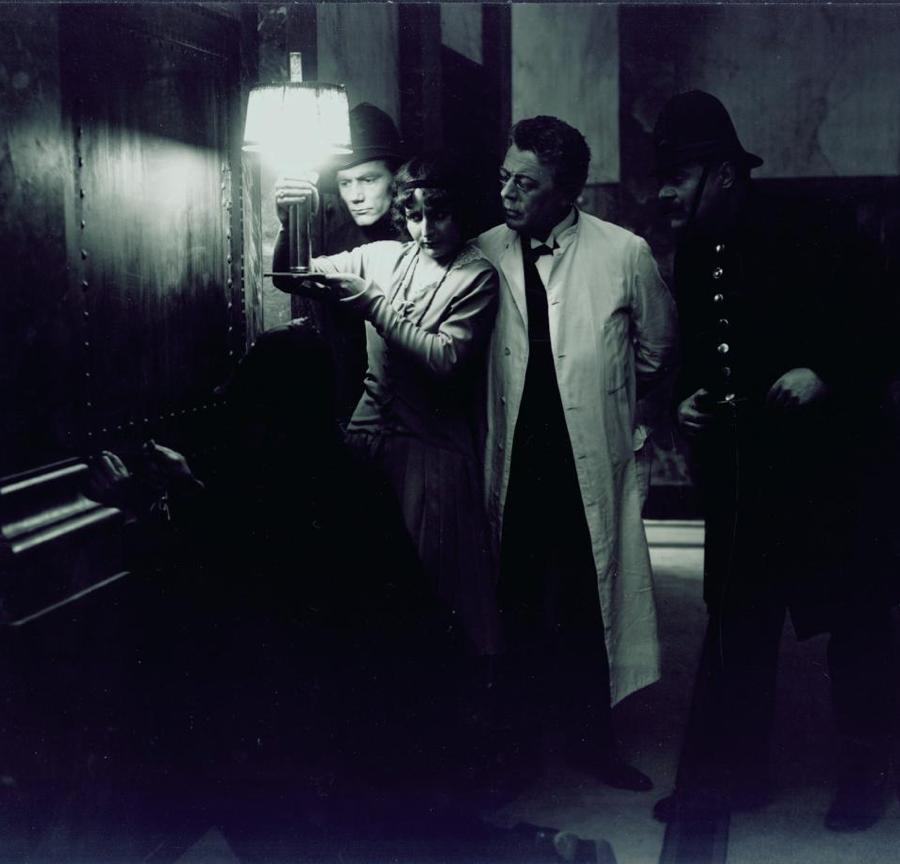
Beyond the surface-level plot, De mystiske z straaler delves into profound ethical dilemmas. What happens when a desperate man gains access to an ultimate power? The Z-rays, with their ability to penetrate all barriers, are not just a scientific curiosity; they are a metaphor for absolute knowledge and control. The film implicitly asks: is there a point where scientific advancement becomes a moral hazard? This question, far from being confined to early sci-fi, is a perennial concern, echoing in contemporary debates about AI, genetic engineering, and surveillance technologies. One might draw parallels to the Faustian bargains explored in films like The Student of Prague, where a protagonist's ambition for power or knowledge leads to unforeseen and often tragic consequences. The temptation to exploit such a discovery for personal gain, especially when driven by dire circumstances, forms the core of Karsakow's moral struggle.
The narrative, in its elegant simplicity, forces us to confront the thin line between innovation and intrusion. If nothing can remain hidden, what becomes of trust, of personal space, of the very fabric of society? The film, through its silent gaze, invites us to ponder these questions, a testament to Schnéevoigt's foresight. It's not just about a beam of light; it's about the philosophical implications of seeing everything, everywhere. This makes it more than just an early genre piece; it's a thoughtful commentary on human nature and the societal impact of radical technological shifts. The film, like its central invention, seeks to reveal what lies beneath the surface, not just of objects, but of human morality itself.
De mystiske z straaler, while perhaps not as widely known as some of its German or American contemporaries, holds a significant place in the history of Danish cinema and the nascent genre of science fiction. It represents an early, confident stride into speculative storytelling, proving that the silent film era was far from creatively stifled. It's a reminder that the foundational questions of sci-fi – humanity's relationship with technology, the ethical boundaries of discovery, the consequences of power – were being explored almost from the very beginning of cinema itself. The film serves as a fascinating precursor to countless narratives involving invisible rays, mind-reading devices, and the perils of omniscience.
For film historians and enthusiasts, rediscovering such works is akin to uncovering a hidden gem. It provides invaluable insight into the evolutionary trajectory of cinematic language and thematic concerns. It showcases the inventive spirit of filmmakers like George Schnéevoigt and the compelling performances of actors like Anton de Verdier, who, without the aid of dialogue, managed to convey complex human emotions and societal critiques. The film, in its quiet power, encourages us to look beyond the superficial, much like the Z-rays themselves, and appreciate the depth and foresight present in these early cinematic experiments. Its enduring appeal lies not just in its pioneering special effects, but in its timeless exploration of the human condition when confronted with the extraordinary. It asks us to consider the burden of knowledge and the seductive pull of absolute power, themes as relevant today as they were over a century ago. This film stands as a testament to the fact that groundbreaking ideas can emerge from unexpected corners, and that the foundations of modern genre cinema were laid in the most ingenious and often overlooked ways. It invites us to ponder what other mysteries might be revealed if only we had the right light to shine through the annals of film history.
IMDb —
1924
Community
Log in to comment.