DbcultAccessing Vault...
Cult Review
Senior Film Conservator
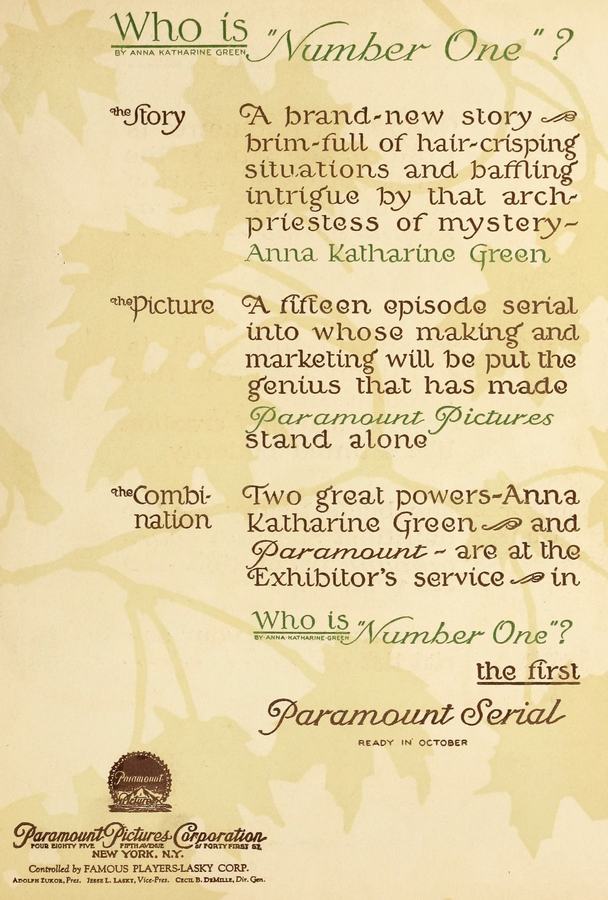
Step back in time with me, dear readers, to an era when flickering images on a silver screen held audiences spellbound, when the power of suggestion and the nuance of a glance conveyed more than a thousand spoken words. We're journeying to 1917, a year of global upheaval, yet also one that saw the burgeoning art form of cinema truly come into its own. And in that vibrant landscape, a film emerged from the literary brilliance of Anna Katharine Green, a name synonymous with the very genesis of detective fiction: 'Who Is Number One?' This cinematic adaptation, a masterclass in silent era suspense, plunges us headfirst into a world of clandestine societies, shadowy figures, and a central mystery that keeps the intellect piqued and the heart pounding.
To truly appreciate the genius of Who Is Number One?, one must first acknowledge its formidable literary heritage. Anna Katharine Green was no ordinary writer; she was a pioneer, forging the very blueprint for the modern detective novel with characters like Ebenezer Gryce and Amelia Butterworth. Her intricate plotting, psychological depth, and penchant for red herrings were revolutionary, and the challenge for any filmmaker adapting her work would be immense: how to translate such intricate cerebral puzzles into a visual medium, particularly one still in its nascent stages? The answer, as this film deftly demonstrates, lies in embracing the unique strengths of silent cinema – its reliance on visual storytelling, exaggerated expressions, and the power of atmosphere.

The narrative itself is a tightly wound spring of intrigue. We are introduced to a society in the grip of fear, terrorized by an enigmatic figure known only as 'Number One,' the supreme leader of a ruthless criminal syndicate. This shadowy organization operates with chilling precision, executing audacious crimes that defy conventional explanation and leaving a trail of baffled authorities in their wake. The film skillfully establishes this pervasive dread, using stark contrasts in lighting and artful camera angles to suggest the unseen forces at play. It's a testament to the director's vision that even without dialogue, the audience feels the oppressive weight of 'Number One's' influence, a palpable sense of unease that permeates every frame.
Our protagonist, the intrepid Neil Hardin, portrayed with a compelling blend of gravitas and determination, steps into this maelstrom of deceit. Hardin is not merely a passive observer; he is an active participant, driven by a personal connection to the unfolding chaos. His pursuit of 'Number One' becomes an obsessive quest, a journey into the heart of darkness that tests his courage, his intellect, and his very soul. Neil Hardin's performance is a masterclass in silent acting, conveying layers of thought and emotion through subtle gestures, piercing gazes, and a physicality that speaks volumes. He embodies the classic detective archetype, a man of unwavering moral compass navigating a world devoid of easy answers.
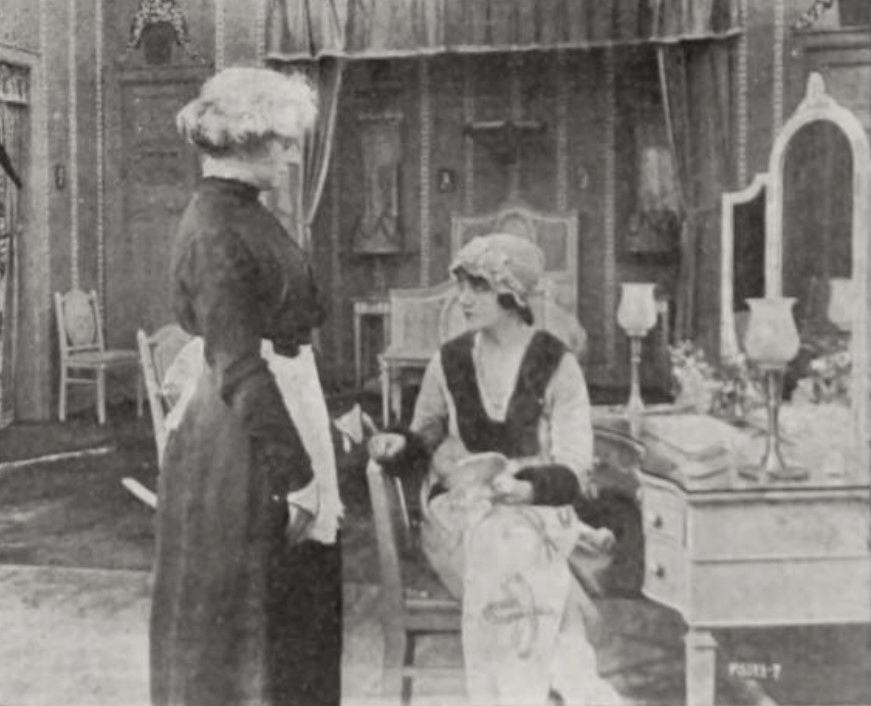
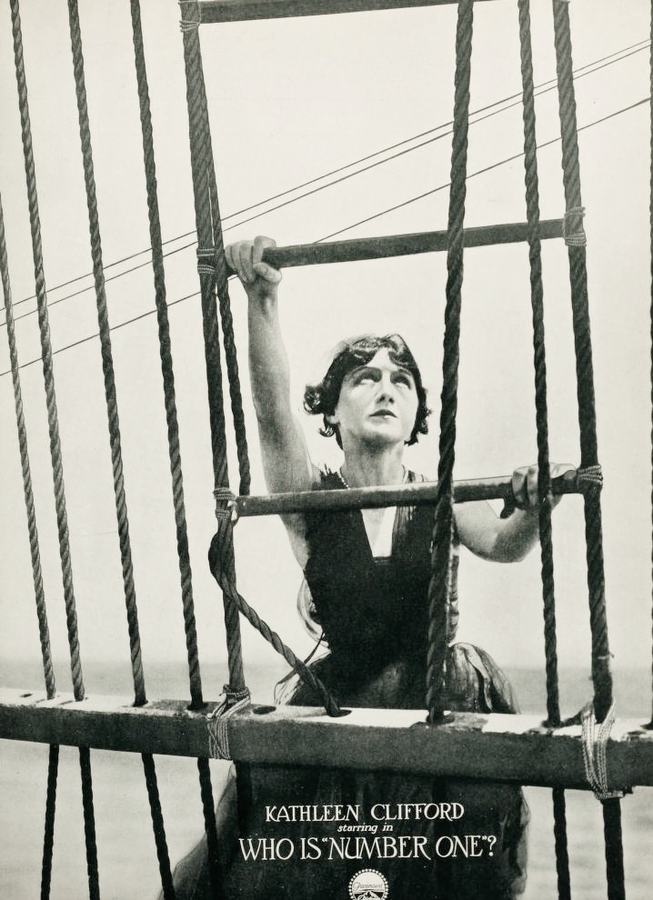
The supporting cast is equally instrumental in weaving this complex tapestry. Cullen Landis, known for his versatility, delivers a performance that keeps the audience guessing. Is he an ally, a victim, or something far more sinister? Landis expertly navigates the ambiguities of his character, adding another layer of suspicion to the already dense plot. Kathleen Clifford, a captivating presence on screen, brings a magnetic allure to her role. Her character, often caught between conflicting loyalties or enmeshed in the syndicate's machinations, serves as a crucial emotional anchor and a source of perpetual fascination. Clifford's expressive eyes and graceful movements communicate a rich inner life, making her character's fate feel genuinely significant.
Ethel Ritchie, Gordon Sackville, Bruce Smith, and Corinne Grant round out an ensemble that is uniformly strong, each actor contributing to the film's immersive atmosphere. Their collective performances underscore the era's acting sensibilities – a blend of theatricality and nascent cinematic realism, where gestures are amplified but never feel entirely gratuitous. The film's success hinges on the audience's ability to connect with these characters, to feel their fear, their suspicion, and their fleeting moments of hope, all conveyed through the silent language of the screen.
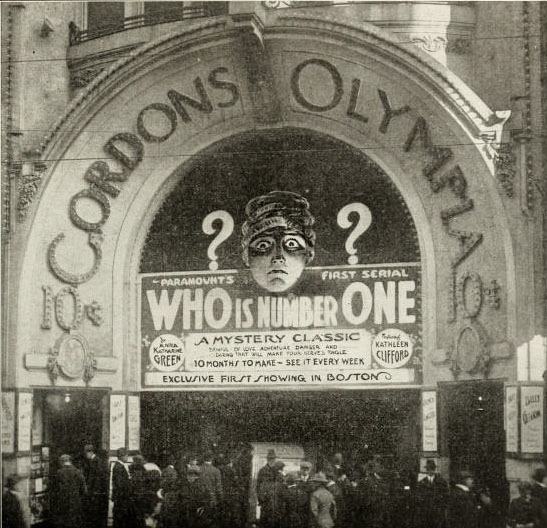
What truly elevates 'Who Is Number One?' beyond a mere genre exercise is its sophisticated approach to suspense. Unlike some contemporary thrillers that relied on overt melodrama, this film adopts a more psychological approach, building tension through inference and suggestion. The identity of 'Number One' is meticulously guarded, with clues dispersed sparingly and red herrings aplenty, a hallmark of Green's literary style. The viewer is actively engaged in the process of deduction, constantly re-evaluating suspects and piecing together fragments of information. This interactive quality, even in a passive viewing experience, is a testament to the film's enduring power.
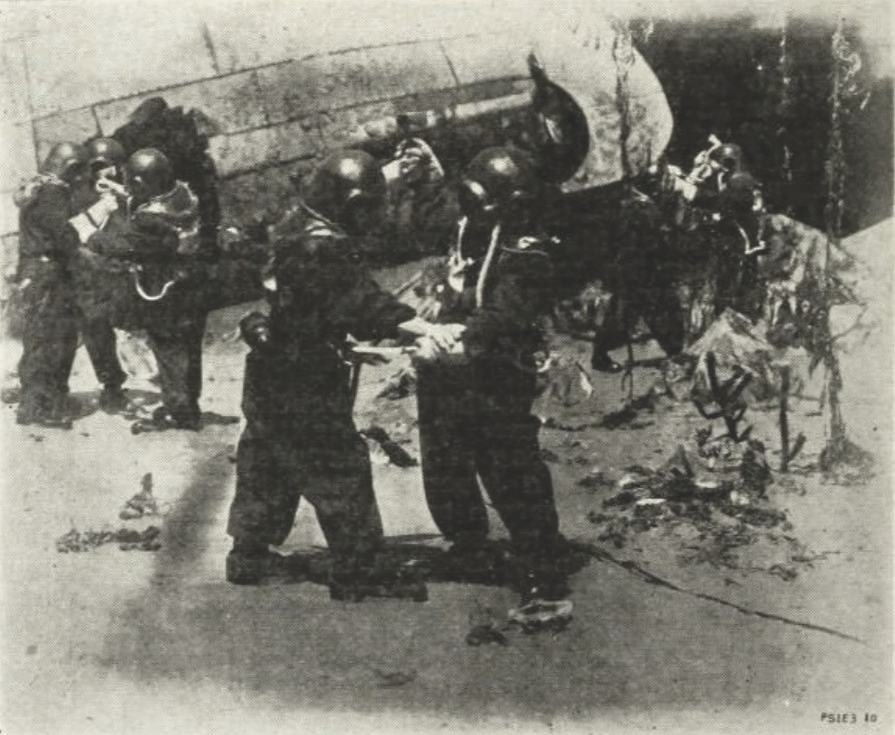
The direction is remarkably fluid for its time, employing a range of cinematic techniques that were still evolving. The use of close-ups to emphasize a character's internal turmoil or a crucial piece of evidence, the strategic deployment of shadow and light to create mood and obscure identities, and the dynamic editing that propels the narrative forward without sacrificing clarity – all these elements coalesce to create a visually engaging experience. There are moments of genuine cinematic brilliance, particularly in the sequences depicting the syndicate's shadowy meetings, where the interplay of light and darkness transforms mere figures into archetypal representations of menace.
Comparatively, 'Who Is Number One?' stands distinct from some of its more overtly melodramatic peers. While a film like A Fool There Was revelled in the cautionary tale of a man undone by a siren, and The Vixen explored themes of social rebellion with a certain fiery passion, 'Who Is Number One?' leans into intellectual suspense. It shares a thematic kinship with other early crime dramas, perhaps echoing the moral ambiguities hinted at in The Taint, but its focus remains steadfastly on the intricate mechanics of a criminal enterprise and the painstaking process of uncovering its architect. It's less about the grand, sweeping gestures of historical epics like The Heart of Lincoln or the social commentary found in Les Misérables, Part 2: Fantine, and more about the psychological chess match at its core.
The film's pacing is another noteworthy aspect. It avoids the sometimes lumbering narrative structures of other early features, maintaining a brisk, engaging tempo that keeps the audience invested. Each scene serves a purpose, either advancing the plot, developing character, or deepening the mystery. There's a lean efficiency to the storytelling, a directness that belies the complexity of the plot. This economy of storytelling is crucial in silent cinema, where every visual cue must carry significant weight. One could even draw a parallel to the focused intensity seen in films like Immediate Lee, though the genres diverge significantly.
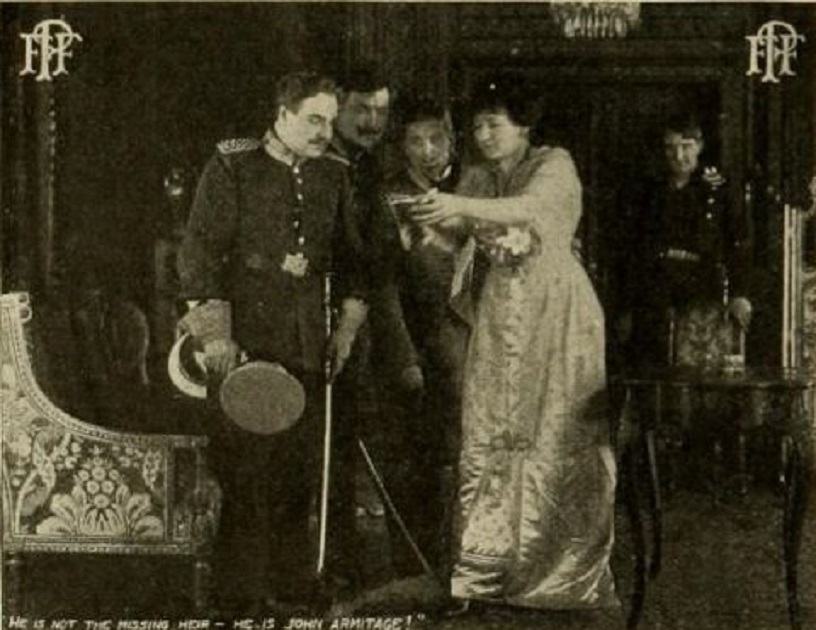
The thematic undercurrents of 'Who Is Number One?' are also rich for exploration. It delves into questions of identity, the corrupting influence of power, and the blurred lines between justice and vengeance. 'Number One' is not just a villain; they are a symbol of societal anxieties, a reflection of the fears of a world grappling with modernity and its discontents. The film subtly critiques the hidden hierarchies and moral compromises that can fester beneath the veneer of civility, a theme that resonates even today. This exploration of societal decay, albeit within a thrilling framework, sets it apart from simpler tales of good versus evil, perhaps aligning it with the more nuanced character studies found in The Conscience of John David or The Black Chancellor.
The climax, when it finally arrives, is a masterstroke of dramatic tension and narrative payoff. The unmasking of 'Number One' is genuinely surprising, a testament to Green's original plotting and the filmmakers' faithful adaptation. It avoids simplistic resolutions, instead opting for a reveal that feels earned, logically consistent, and impactful. The emotional fallout for the characters, particularly Neil Hardin, is palpable, leaving a lasting impression long after the final fade to black. This kind of meticulous plotting and satisfying resolution is what distinguishes truly great mystery narratives, whether in literature or on screen.
For enthusiasts of early cinema, 'Who Is Number One?' offers a fascinating glimpse into the evolution of the thriller genre. It demonstrates how silent films, through ingenuity and artistic vision, could craft narratives of profound complexity and visceral excitement. It's a reminder that the foundational elements of suspense – the slow build, the misdirection, the sudden revelation – were being honed and perfected even in cinema's formative years. Viewing it alongside a documentary like All for the Movies: Universal City, California, the Wonder City of the World provides valuable context on the industry's burgeoning infrastructure that made such ambitious productions possible.
In conclusion, 'Who Is Number One?' is far more than a historical curiosity; it is a vibrant, compelling piece of cinematic art that continues to resonate. It's a testament to Anna Katharine Green's enduring influence and the remarkable talent of its cast and crew. For those seeking a sophisticated mystery, a glimpse into the golden age of silent film, and a story that truly challenges the mind, this film is an absolute must-see. It's a journey into the shadows, a captivating dance with deception, and a thrilling quest to unmask the ultimate puppet master. It leaves one pondering not just who 'Number One' is, but the very nature of power, secrecy, and the human capacity for both good and ill. The legacy of such a film is not merely in its plot, but in its ability to transport, to provoke thought, and to remind us of the timeless appeal of a well-told mystery.
IMDb —
1914
Community
Log in to comment.