DbcultAccessing Vault...
Cult Review
Senior Film Conservator
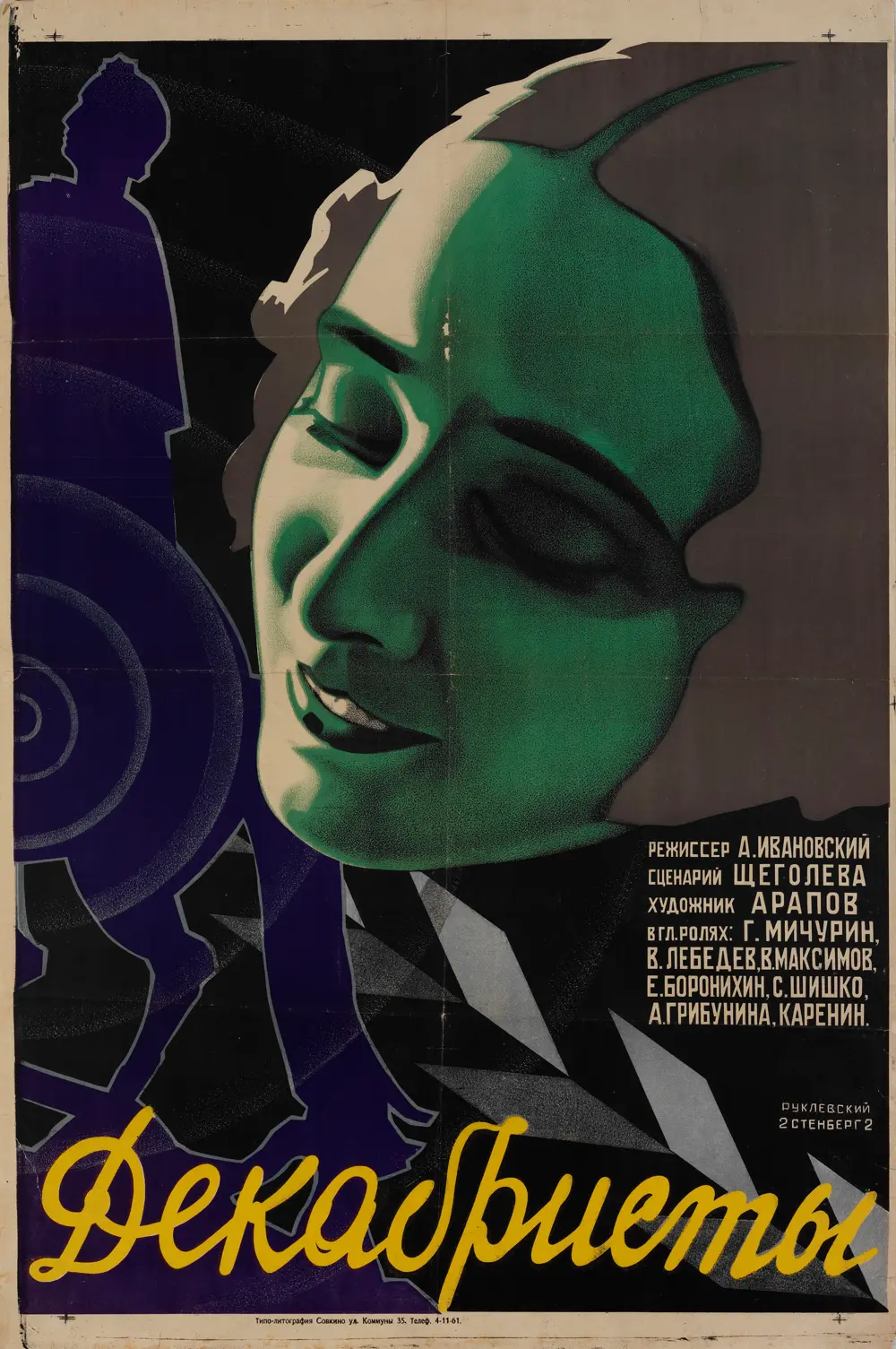
Dekabristy is a film of immense physical scale that frequently forgets to check its own pulse. If you are looking for the kinetic, jagged energy of the more famous Soviet montage school, you won't find it here. Aleksandr Ivanovsky’s 1926 epic is a more traditional, almost Victorian affair that prioritizes the recreation of history over the innovation of the medium. It is worth watching only if you have a specific interest in Russian history or the logistics of early silent epics; casual viewers will likely find the two-hour runtime a slog.
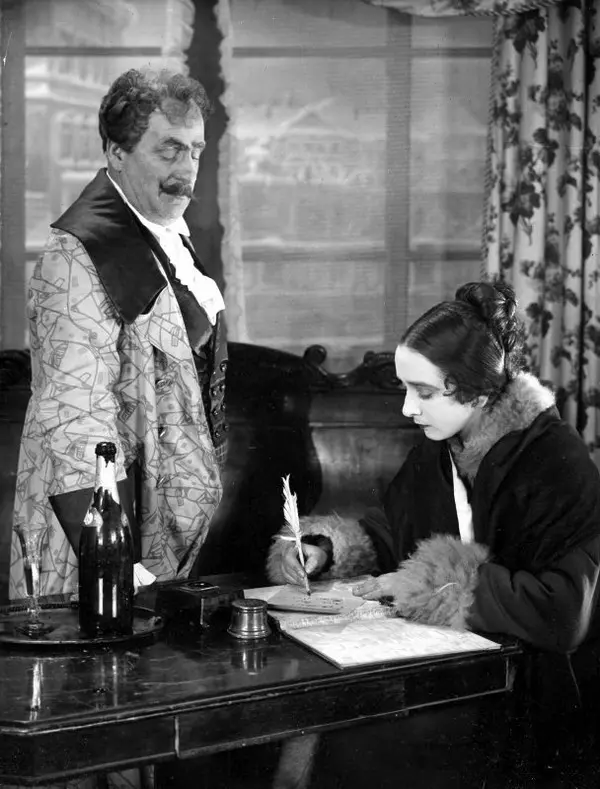
This film works because of its sheer ambition in staging. The scenes on Senate Square feel populated by real people rather than just a handful of extras, giving the uprising a sense of genuine, chaotic weight. However, it fails because the central romance between Annenkov and Polina Gebl feels like a secondary thought, despite being the supposed emotional anchor of the film. You should watch it if you enjoy large-scale historical reconstructions; you should skip it if you require psychological depth or brisk pacing.
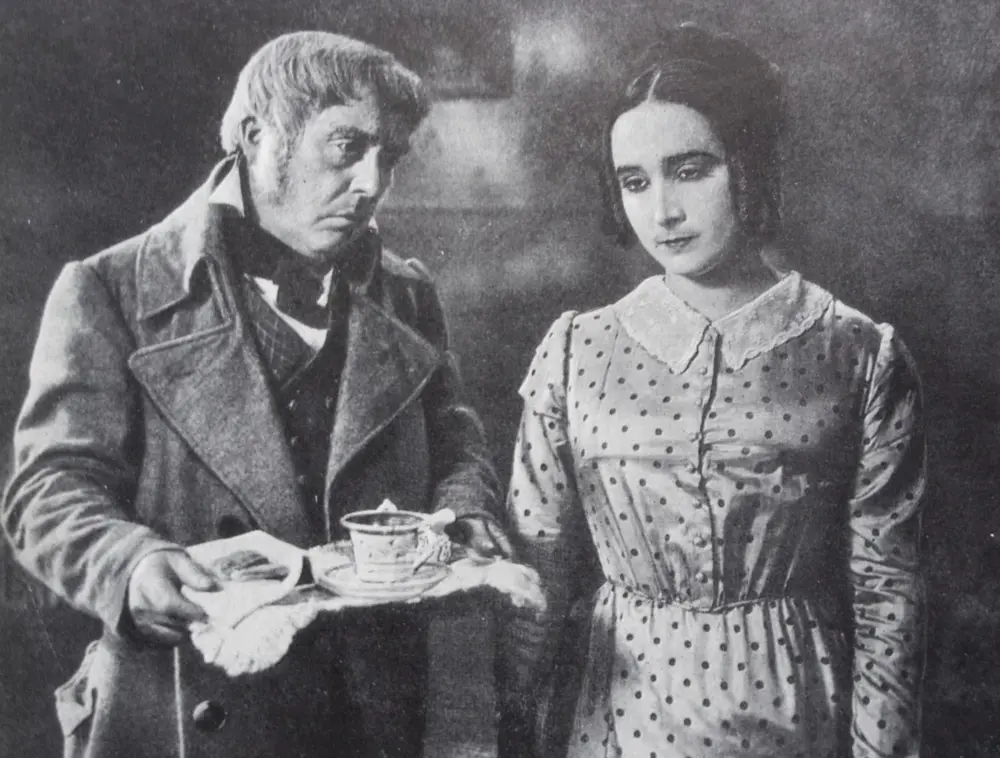
Ivanovsky clearly had the keys to the kingdom when it came to resources. The costumes, the architecture, and the sheer number of bodies on screen are impressive. There is a sequence involving the charging cavalry that carries a genuine sense of danger, a far cry from the sanitized historical dramas of the era. The camera mostly stays back, acting as a witness to the geometry of the military formations. It’s a cold way to shoot a revolution, but it effectively communicates the power of the state against the disorganized rebels.
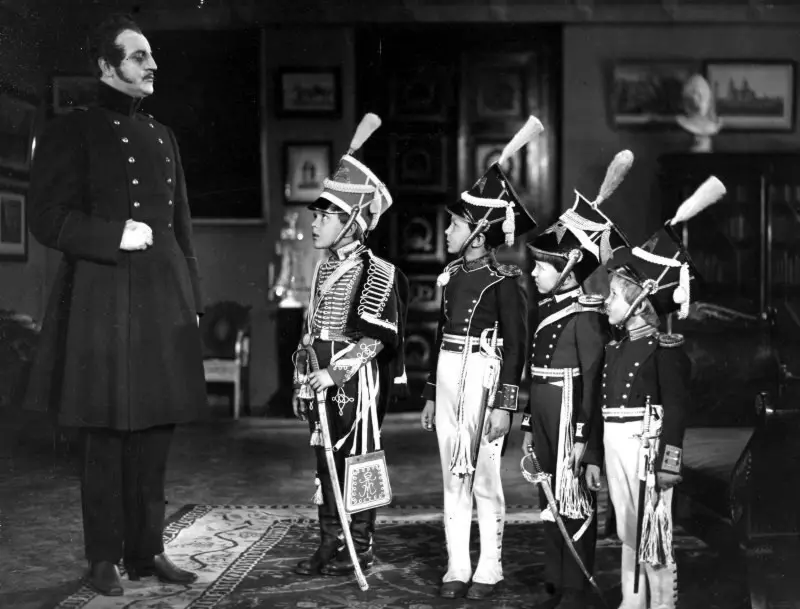
The problem is that the film treats its characters like museum pieces. Sergei Shishko as Annenkov plays the role with a perpetual, glassy-eyed stoicism that makes it hard to care about his fate. When he is on screen, the film slows to a crawl. Contrast this with the more intimate melodrama found in films like Two Women, where the personal stakes feel lived-in. In Dekabristy, the characters are symbols first and people second.
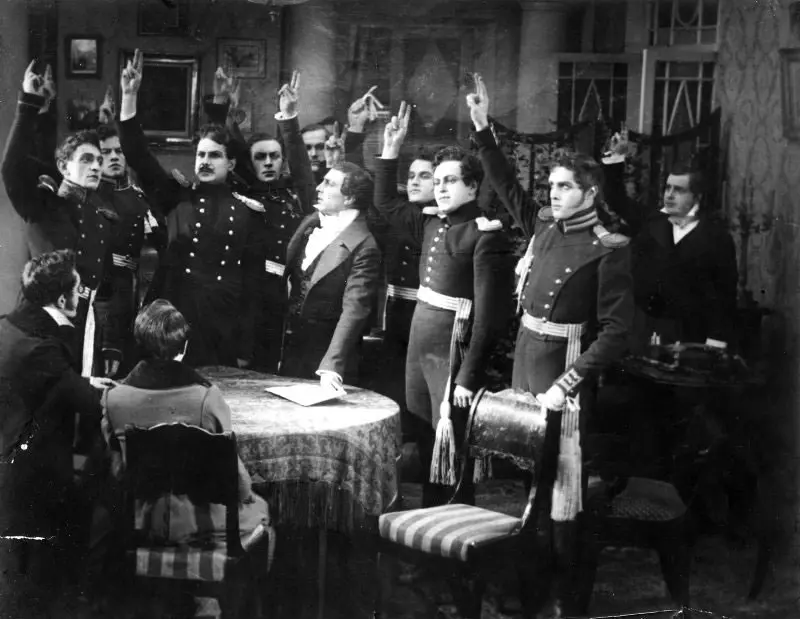
The second half of the film shifts focus to Polina Gebl’s journey to Siberia. Tamara Godlevskaya does what she can with the role, but the script gives her little to do other than look determined or distraught. The film positions her devotion as the ultimate sacrifice, yet the chemistry between her and Shishko is non-existent. Their reunion in the snow should be a high point of catharsis; instead, it feels like a mandatory plot beat being checked off a list.
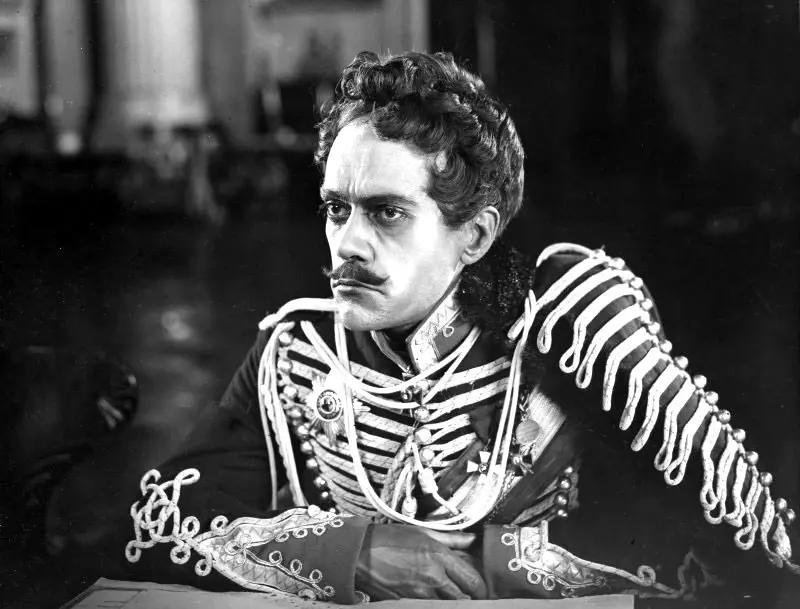
There is a debatable argument to be made that the film is actually better when it ignores the protagonists entirely. The scenes featuring the Tsar and his advisors have a certain venomous bite to them. The portrayal of the ruling class is expectedly villainous, but at least those scenes have a clear point of view. The romance feels like a concession to traditional storytelling that the director wasn't actually interested in filming.
Pros:
- High production value and authentic-feeling sets.
- Effective use of large crowds to simulate historical scale.
- A surprisingly bleak depiction of the Siberian exile.
Cons:
- Glacial pacing in the middle act.
- Lack of character development for the supporting rebels.
- The score (in modern restorations) often struggles to match the shifting moods of the film.
Dekabristy is a heavy, dutiful piece of filmmaking. It succeeds as a spectacle but fails as a drama. While it captures the broad strokes of a national myth, it loses the human element in the process. It is a respectable effort that remains firmly earthbound, lacking the spark that turns a history lesson into art. If you have two hours to spare, it’s a decent look at the machinery of early Soviet cinema, but don't expect it to stay with you long after the credits roll.
IMDb 5.6
1929
Community
Log in to comment.