DbcultAccessing Vault...
Cult Review
Senior Film Conservator
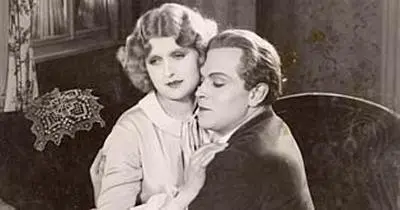
Is Die leichte Isabell worth watching today? Short answer: absolutely, but with crucial caveats. This film is a fascinating, if sometimes frustrating, window into early 20th-century German cinema, offering a unique blend of nascent cinematic technique and social commentary that still resonates. It's a film for those who appreciate the foundational artistry of silent movies, particularly those interested in the evolving depiction of female agency and the subtle, often melodramatic, dance of societal expectations.
However, it is decidedly not for viewers accustomed to the rapid-fire pacing and explicit dialogue of modern cinema, nor for those unwilling to engage with the unique storytelling language of the silent era. Its charm lies in its historical context and the earnest performances, not in its ability to compete with contemporary blockbusters.
To truly appreciate Die leichte Isabell, one must approach it not as a relic, but as a vibrant, albeit faded, snapshot of its time. The narrative, centered on a spirited young woman navigating societal judgment, feels surprisingly contemporary in its core themes, even if its execution is rooted in early cinematic conventions. It’s a film that asks us to consider the enduring struggle between individual expression and communal expectation.
The film's strength lies in its ability to sketch characters with broad, yet often compelling, strokes. Lee Parry, as Isabell, embodies a captivating blend of vulnerability and defiance. Her performance, largely reliant on exaggerated gestures and expressive eyes, manages to convey a complex inner world, even without spoken dialogue. It's a testament to the power of silent acting when done right.
The cast of Die leichte Isabell delivers performances that are, by turns, captivating and occasionally over-the-top, a hallmark of silent film acting. Lee Parry, in the titular role, is the undisputed heart of the movie. Her Isabell is not merely 'light-hearted' but possesses a fiery resilience. Observe her nuanced reactions during the garden party scene: her initial joy, the slow dawning of realization as she overhears the gossip, and the subsequent hardening of her resolve. It’s a masterclass in conveying complex emotions through physical performance alone, making her a standout even among the strong ensemble.
Gustav Fröhlich, as Ernst, provides a solid, if somewhat less dynamic, counterpoint. He embodies the earnest, well-meaning suitor, torn between duty and genuine affection. His internal conflict is palpable, particularly in scenes where he confronts his father, Herr Schmidt (Eugen Rex). Rex, in turn, delivers a wonderfully stern and imposing performance, a perfect foil for Isabell's free spirit. His disapproving glares and rigid posture are almost comically effective, defining the societal obstacles Isabell faces.
The direction, while not groundbreaking, is competent and serves the narrative well. The film utilizes classic silent film techniques: dramatic close-ups to emphasize emotional states, iris shots to focus attention, and effective use of intertitles to advance the plot and convey dialogue. There's a particular sequence involving Isabell's art exhibition, where the director cleverly juxtaposes the reactions of the art critics with Isabell's hopeful yet anxious expressions, building palpable tension without a single spoken word. It’s a simple technique, but powerful.
However, it’s not without its directorial flaws. Some scenes feel unnecessarily drawn out, particularly in the film's middle act, where the plot meanders slightly before regaining its focus. A tighter edit, by modern standards, might have sharpened its impact. Yet, even in these slower moments, there's a certain charm in witnessing the deliberate pace of early storytelling. It forces the viewer to slow down, to truly observe.
The cinematography in Die leichte Isabell, while not reaching the heights of true Expressionist masterpieces like The Society Bug or Dangerous Waters, is nonetheless effective in establishing the film's atmosphere and social milieu. The use of natural light in outdoor scenes, particularly the idyllic garden party, contrasts sharply with the more controlled, often darker, interiors of Herr Schmidt's mansion or the bustling fashion atelier. This visual dichotomy subtly underscores the tension between Isabell's desire for freedom and the constraints of her environment.
The set design is another unsung hero. The fashion house, with its meticulously arranged hats and bustling seamstresses, feels authentic and vibrant. It’s a world that clearly influenced Isabell's artistic eye. Equally impressive are the more intimate settings, like Isabell's modest artist's studio, adorned with her paintings and sketches. These details not only enrich the visual landscape but also provide crucial insight into her character and aspirations. The film’s aesthetic choices are largely grounded in realism, making the occasional foray into more theatrical framing all the more impactful.
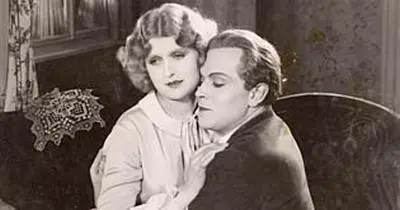
The film’s visual language is clean, if not revolutionary. It prioritizes clarity and narrative progression over abstract artistry. There are no jarring angles or extreme distortions, which might disappoint those seeking the more experimental elements of German silent cinema. Instead, it offers a grounded, often elegant, visual style that allows the performances and story to take center stage. This approach, while less flashy, ensures the narrative remains accessible and engaging.
The pacing of Die leichte Isabell is characteristic of its era – deliberate, sometimes slow, but ultimately building to a satisfying dramatic climax. Early silent films often allowed scenes to unfold at a more leisurely pace, giving audiences time to absorb the visual information and emotional beats. While modern viewers might find themselves reaching for the fast-forward button in certain moments, there's a meditative quality to this unhurried storytelling.
The tone shifts effectively from lighthearted romance and comedic misunderstandings to moments of genuine drama and social critique. The film never quite tips into full-blown tragedy, maintaining a hopeful undercurrent even in Isabell's darkest moments. This balance is crucial; it prevents the film from becoming overly didactic and keeps the audience invested in Isabell's ultimate triumph. The melodramatic elements, while present, are handled with a sincerity that makes them surprisingly effective rather than simply quaint.
Thematic resonance is where Die leichte Isabell truly shines. It grapples with themes of reputation, class distinction, artistic integrity, and female autonomy. Isabell's struggle to be taken seriously as an artist and as a woman, despite her 'light-hearted' reputation, is a timeless narrative. The film critiques the superficial judgments of society and champions the individual's right to self-definition. It’s a story about breaking free from the boxes others try to put you in, a message that remains profoundly relevant.
One particularly striking observation is how the film subtly critiques the male gaze, even within its early 20th-century context. Isabell is often judged by her appearance and perceived frivolity, rather than her talent or character. The narrative actively works to dismantle these perceptions, forcing characters (and the audience) to look beyond the surface. This makes the film feel unexpectedly progressive for its time, a quiet rebellion against prevailing norms.
Yes. It is. But be prepared for a different kind of cinematic experience.
For silent film aficionados, it's a delightful discovery. For those new to the genre, it's an accessible entry point, thanks to its compelling central performance and universally understood themes. The film offers a rich historical tapestry, showcasing the social anxieties and artistic aspirations of its era.
It’s a story that, despite its age, speaks to contemporary issues of identity and societal pressure. The acting is earnest, the story engaging, and the visual elements charmingly authentic. It works. But it’s flawed. Its slower pace and occasional reliance on silent film tropes might test the patience of some, but the rewards for those who persevere are genuine.
"Die leichte Isabell is a quiet triumph, a film that dares to champion the spirit of a woman who refuses to be confined by labels. Its imperfections are overshadowed by its heart."
Die leichte Isabell is more than just a historical curiosity; it’s a compelling, if imperfect, piece of early cinema that deserves to be seen. While its pacing and some narrative conveniences might test the patience of modern viewers, its core message and Lee Parry’s radiant performance elevate it beyond a mere period piece. It offers valuable insight into the social landscape and burgeoning artistic expressions of its time, all wrapped in an engaging human story.
For those willing to invest in the unique language of silent film, Die leichte Isabell provides a surprisingly resonant and ultimately uplifting experience. It reminds us that the struggle for authenticity and self-definition is a timeless one, and that even a 'light-hearted' spirit can possess profound strength. Seek it out, and allow yourself to be transported to a bygone era, where emotions were writ large and personal freedom was a hard-won prize.
IMDb —
1925
Community
Log in to comment.