DbcultAccessing Vault...
3.9/10
Senior Film Conservator
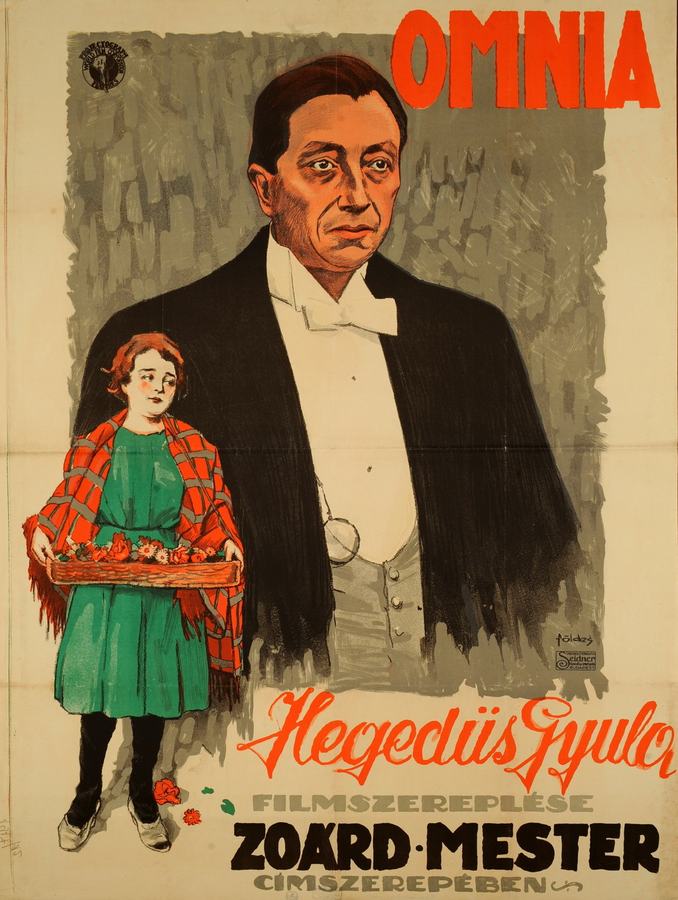
A definitive 3.9/10 rating for a film that redefined the boundaries of cult cinema. Zoárd mester remains a cornerstone of transgressive art.
In the annals of early Hungarian cinema, where flickering shadows often obscure more than they reveal, Zoárd mester emerges as a compelling, albeit largely unsung, dramatic triumph. This silent-era gem, with its intricate narrative and profound character studies, transcends the limitations of its nascent medium to deliver a saga steeped in artistic ambition, forbidden desires, and the often-brutal cost of creation. The film, a testament to the nascent film industry’s capacity for sophisticated storytelling, centers on the eponymous Zoárd mester (portrayed with a haunting gravitas by Gyula Hegedüs), a sculptor whose once-unassailable reputation now contends with the gnawing pangs of artistic stagnation. His studio, a sanctuary of classical forms, begins to feel like a relic, its grandeur overshadowed by the relentless march of modernity and the subtle, insidious whispers of irrelevance. It is into this melancholic tableau that Elara (Nelly Huszka), a vibrant and enigmatic figure from the city's bohemian fringes, arrives, seeking not just employment but perhaps a refuge from her own shadowed past. Her arrival is not merely an event; it is a seismic shift, igniting a forgotten spark within Zoárd, compelling him towards a radical new sculpture – a raw, almost confrontational piece that challenges his own established aesthetic. This magnum opus, however, becomes the crucible where passion, jealousy, and betrayal are forged, ultimately defining the fates of all involved.
The visual grammar of Zoárd mester is a masterclass in early cinematic expression. The filmmakers, though operating within the technical constraints of the period, demonstrate an astute understanding of composition and mise-en-scène. The studio, Zoárd's artistic sanctum, is rendered with meticulous detail, its dusty corners and monumental sculptures serving as silent witnesses to the unfolding drama. The interplay of light and shadow, often employed with stark chiaroscuro effects, is not merely decorative; it is deeply thematic, mirroring Zoárd's internal struggles and the moral ambiguities that permeate the narrative. Scenes of Elara's initial interactions with Zoárd are bathed in a soft, almost ethereal glow, symbolizing her invigorating influence, while later sequences, particularly those involving Károly's growing resentment, are plunged into deeper, more ominous shadows. This deliberate manipulation of light imbues the film with a palpable moodiness, enhancing the emotional resonance of each frame. The pacing, a crucial element in silent film, is handled with remarkable dexterity. There are moments of contemplative stillness, allowing the audience to absorb the visual poetry of a single shot, juxtaposed with sequences of escalating tension, driven by rapid cuts and dynamic camera angles (for its time). The use of intertitles, far from being mere plot exposition, often functions as a poetic counterpoint to the visuals, offering insights into characters' inner thoughts or providing a philosophical commentary on the unfolding events. For instance, an intertitle might declare a character's internal turmoil with a stark simplicity that would be lost in a more verbose dialogue. The film's ambitious scale, particularly in its depiction of the bustling city and the grand art exhibition, rivals that of contemporary epics like Atlantis, showcasing the burgeoning capabilities of the Hungarian film industry to craft visually rich and immersive worlds. The attention to historical detail in costuming and set design further immerses the viewer in its early 20th-century Budapest setting, lending an air of authenticity to its heightened drama. One could argue that the film's visual storytelling, its ability to convey complex emotional states without spoken dialogue, is its most profound achievement, a silent symphony of human experience.
The emotional core of Zoárd mester rests squarely on the shoulders of its exceptional cast, who, through nuanced gesture and expressive physiognomy, convey a spectrum of human emotion that belies the absence of spoken word. Gyula Hegedüs, as the titular sculptor, delivers a performance of profound depth. His Zoárd is not merely an artist; he is a man burdened by his own legend, struggling with the dual anxieties of creative sterility and encroaching age. Hegedüs masterfully portrays this internal conflict, his eyes conveying a weary wisdom that slowly rekindles with the arrival of Elara. His transformation, from a stoic, almost melancholic figure to one consumed by a newfound, almost dangerous, passion, is utterly convincing. Nelly Huszka, as Elara, is a revelation. Her portrayal radiates a captivating blend of vulnerability and defiant spirit. She is not merely a muse; she is an active force, a catalyst whose presence ripples through the lives of the men around her. Huszka’s expressive face, capable of conveying both innocent charm and profound sorrow, anchors the film’s emotional turmoil. Her chemistry with both Hegedüs and Géza Örvössy is palpable, lending credence to the complex romantic triangle that drives much of the narrative. One can draw parallels to the powerful female leads in contemporary serials like The Adventures of Kathlyn or Zudora, though Huszka’s Elara possesses a more tragic, internalised strength. Géza Örvössy, as the ambitious apprentice Károly, embodies the dangerous allure of youthful ambition and unrequited longing. His performance is a study in controlled intensity, his simmering jealousy and possessive affection for Elara slowly escalating into a destructive force. Örvössy avoids the trap of caricature, instead presenting Károly as a complex figure, driven by a mixture of genuine devotion and corrosive envy. The supporting cast, including Irma Tóth as the imperious Baroness Réthey and Lajos Réthey as the cynical art dealer, provide crucial texture to the narrative. Tóth’s Baroness is a formidable presence, her aristocratic demeanor masking a shrewd, almost calculating, judgment, while Réthey’s Lajos personifies the commercialism that often clashes with pure artistic intent. The ensemble’s collective ability to communicate such intricate emotional states through pantomime, subtle facial expressions, and body language is a testament to the power of silent acting, making Zoárd mester a powerful demonstration of the craft.
At its core, Zoárd mester is a profound meditation on the interplay between art and life, and the often-exorbitant price exacted by creative pursuit. Zoárd's struggle to create his magnum opus, a work that deviates wildly from his established style, speaks to the artist's eternal quest for relevance and authenticity. The film unflinchingly explores the notion that true art often demands personal sacrifice, sometimes even the destruction of the artist's own world. Elara, as the muse, is both inspiration and victim, her life irrevocably altered by her entanglement with artistic genius. This theme of art's demanding nature resonates deeply, echoing the struggles depicted in other artist biopics or dramas of the era, even if not explicitly about art, such as The Life and Works of Verdi, which portrays the personal cost of creative brilliance. Furthermore, the film delves into the corrosive power of love and obsession. Károly's unrequited love for Elara, intertwined with his reverence and envy for Zoárd, morphs into a destructive force, leading him to actions that shatter the lives of all involved. This triangular dynamic, fraught with jealousy and unfulfilled desire, provides a psychological intensity that elevates the drama beyond mere melodrama. The film also tackles the complex dynamics of legacy and succession. Zoárd, the aging master, represents the established order, while Károly embodies the ambitious, often ruthless, new guard. Their conflict is not just personal; it is a microcosm of the broader artistic and societal shifts occurring at the turn of the century. The film subtly questions what it truly means to leave a lasting mark, and whether artistic immortality is worth the human cost. The moral ambiguities presented are striking; there are no clear heroes or villains, only individuals driven by their passions, ambitions, and flaws. The tragic consequences that unfold serve as a stark reminder of the fragile nature of human connection and the unpredictable ripple effects of individual choices. This exploration of moral complexity and consequence could draw parallels with the difficult ethical choices presented in films like The Valley of Decision or Sin, though Zoárd mester grounds its ethical dilemmas firmly within the artistic realm.
Considering its place in the nascent years of filmmaking, Zoárd mester holds its own among the ambitious productions of its era, showcasing a narrative sophistication that belies its silent form. Its grand dramatic scope and tragic romantic elements invite comparisons with other significant European productions of the time. The film's exploration of a passionate, ultimately destructive love triangle, for instance, finds resonance in the intense emotional landscapes of films like Odette, where complex human relationships are dissected with raw intensity. The character of Zoárd, an aging master grappling with his legacy and the arrival of a disruptive new force, brings to mind the thematic struggles of protagonists in other period dramas that delve into societal shifts and personal crises. While not a direct comparison in plot, the overarching theme of a celebrated figure facing personal and professional challenges echoes the dramatic weight seen in historical epics such as King Charles II: England's Merry Monarch, where a monarch's personal life profoundly impacts his public persona. The film's ability to create a vivid, immersive world, despite the technical limitations, can be admired alongside the adventurous spirit of travelogues like A Trip Through China or the adventurous spirit of Treasure Island, though Zoárd mester focuses on an internal landscape rather than external exploration. The powerful portrayal of Elara by Nelly Huszka, a woman caught between two compelling forces, showcases a strong female protagonist, a theme explored in other serials or dramas of the time, such as The Rosary, which often featured women navigating challenging social conventions and personal dilemmas. The themes of betrayal and the shattering of innocence, central to Zoárd mester, can also be observed in the dramatic narratives of films like Katastrofen i Kattegat, which often explored human frailty in the face of overwhelming odds. Furthermore, the film's unflinching look at the darker side of human ambition and passion, where art and life become dangerously intertwined, positions it alongside more morally challenging narratives. The film's artistic merit, particularly its sophisticated character development and thematic richness, suggests that it was far from a simplistic production. It aimed for and largely achieved a depth that many contemporary films struggled to attain, solidifying its place as a work deserving of scholarly attention and renewed appreciation. It’s a compelling example of how early cinema, often dismissed as primitive, was capable of profound artistic statements, engaging audiences not just with spectacle, but with resonant human drama.
Even today, stripped of its original orchestral accompaniment and viewed through the haze of time, Zoárd mester retains a potent emotional resonance. Its story of an artist's struggle, the intoxicating power of a muse, and the destructive nature of jealousy are timeless themes that continue to captivate audiences. The performances, particularly by Hegedüs and Huszka, transcend the formalistic acting styles sometimes associated with the silent era, offering portrayals that feel remarkably modern in their psychological complexity. The film serves as a vital historical document, offering a glimpse into the burgeoning Hungarian film industry and its capacity for producing works of genuine artistic merit. It reminds us that cinematic excellence was not exclusive to the major European or American studios, but flourished in diverse cultural landscapes. The ingenuity displayed in its visual storytelling, its deliberate use of light and shadow, and its compelling character arcs stand as a testament to the creative spirit of early filmmakers. For film historians and enthusiasts, unearthing and appreciating a work like Zoárd mester is akin to discovering a forgotten masterpiece in an art gallery – it reshapes our understanding of the period and enriches the broader tapestry of cinematic history. While not as widely known as some of its contemporaries, its artistic ambition and emotional depth firmly establish it as a significant contribution to the silent film canon. It is a film that challenges us to look beyond the surface, to explore the often-darker currents that flow beneath the veneer of artistic brilliance and societal expectation. Its final, haunting image – Zoárd alone with his unfinished sculpture – lingers long after the credits have rolled, a poignant elegy to lost beauty, shattered dreams, and the enduring, often solitary, quest for meaning in a world perpetually in flux. It is a powerful, melancholic coda to a film that masterfully navigates the complexities of the human heart and the relentless demands of artistic creation, proving that even in silence, stories can scream with profound eloquence. The film, in its quiet power, demands a re-evaluation, a place in the sun for its profound artistry and its timeless narrative of human passion and its tragic aftermath. It’s a film that, despite its age, feels intensely personal and universally relatable, a true triumph of early cinematic expression.
IMDb 6.9
1932
Community
Log in to comment.