DbcultAccessing Vault...
Cult Review
Senior Film Conservator
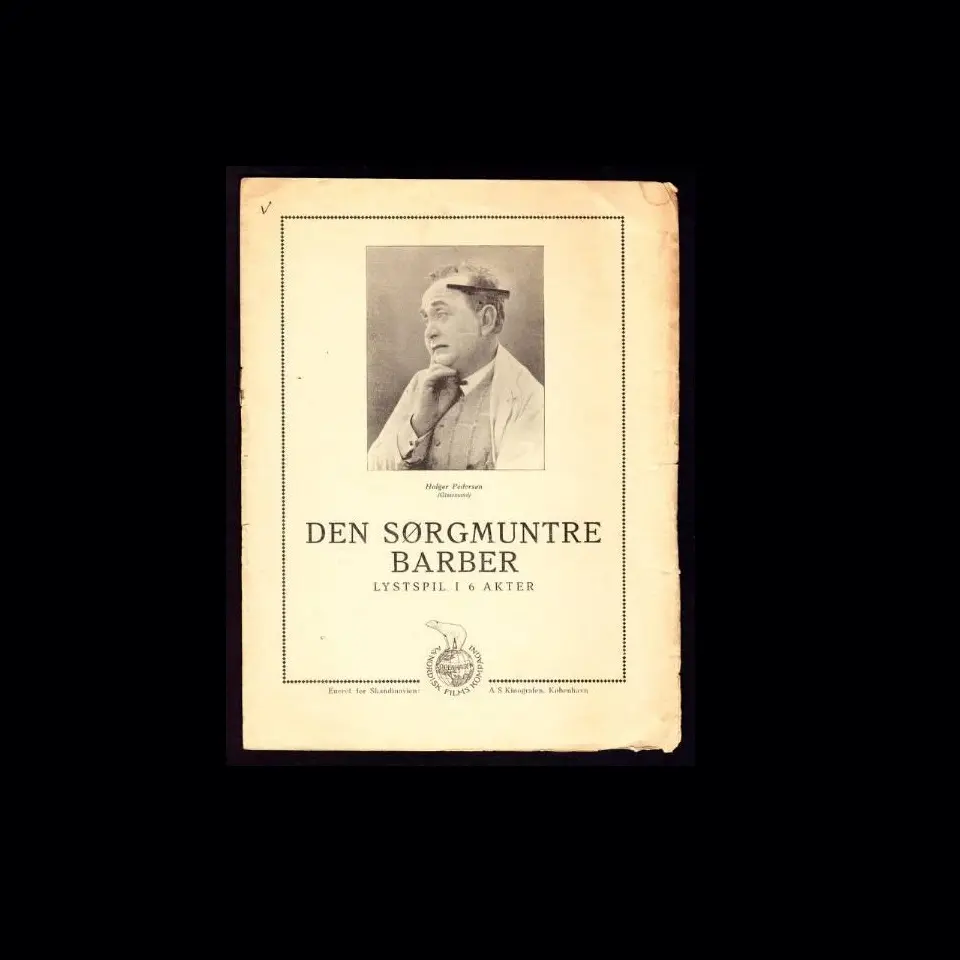
Den sørgmuntre barber is not a lost classic, and it is certainly not essential viewing for anyone outside of hardcore silent film completists. While it attempts to capture a specific brand of Danish provincial charm, the result is often stiff and over-rehearsed. It is a film for those who find comfort in the predictable rhythms of 1920s European studio comedies; it will likely bore anyone looking for the kinetic energy found in American contemporaries like A Broadway Cowboy.
Only if you have a specific academic interest in the transition of Danish comedy toward more sentimental territory. For the average viewer, the pacing is too sluggish to justify the thin plot. The film works best as a background piece for those studying the set design of the era rather than as a piece of engaging storytelling.
1) This film works because the physical space of the barber shop is realized with a tangible, cluttered detail that feels lived-in. 2) This film fails because it mistakes slow pacing for emotional depth. 3) You should watch it if you enjoy the specific, slightly theatrical acting style of Carl Fischer and Fridolf Rhudin.
The title translates to something like "The Bittersweet Barber," but the film rarely hits that sweet spot. Instead, it oscillates wildly between broad physical gags and a heavy-handed melancholy that feels unearned. Carl Fischer plays the lead with a weary face that fits the role, but the script doesn't give him enough to do beyond looking mildly disappointed. There is a scene involving a botched shave that should be tense or funny, but it drags on for several minutes too long, losing its edge before the punchline arrives.
Compared to the sharper social observations in films like The French Doll, this production feels trapped in a vacuum. The small-town atmosphere is thick, but it’s a generic thickness. We see the same streets and the same character archetypes—the gossiping neighbor, the disinterested love interest—without any fresh perspective. It’s a repetitive loop of provincial tropes that were already tired by 1927.
Fridolf Rhudin provides some much-needed levity, but his performance often feels like it belongs in a different, faster movie. His timing is superior to the material he is given. The direction by Lau Lauritzen Sr. (who is often associated with the Pat & Patachon films) is functional but uninspired. The camera stays largely static, observing the action like a disinterested bystander. There is no visual flair here to compensate for the lack of narrative drive.
The editing is particularly problematic. Transitions between the comedic vignettes and the more dramatic beats are abrupt. One moment we are meant to laugh at a clumsy interaction, and the next, we are expected to feel deep sympathy for the barber’s isolation. It doesn't work because the film hasn't built a bridge between those two moods. It’s a collection of scenes rather than a cohesive story.
Pros:
Cons:
Den sørgmuntre barber is a mediocre artifact. It isn't a disaster, but it lacks the wit and visual ingenuity that allowed other silent comedies of the era to survive the test of time. It’s a film that asks for your sympathy without doing the hard work of developing its characters. If you miss it, you haven't missed much. It’s a dry, occasionally charming, but ultimately forgettable experience that serves more as a footnote in Danish film history than a living piece of entertainment.
IMDb —
1921
Community
Log in to comment.