DbcultAccessing Vault...
5.7/10
Senior Film Conservator
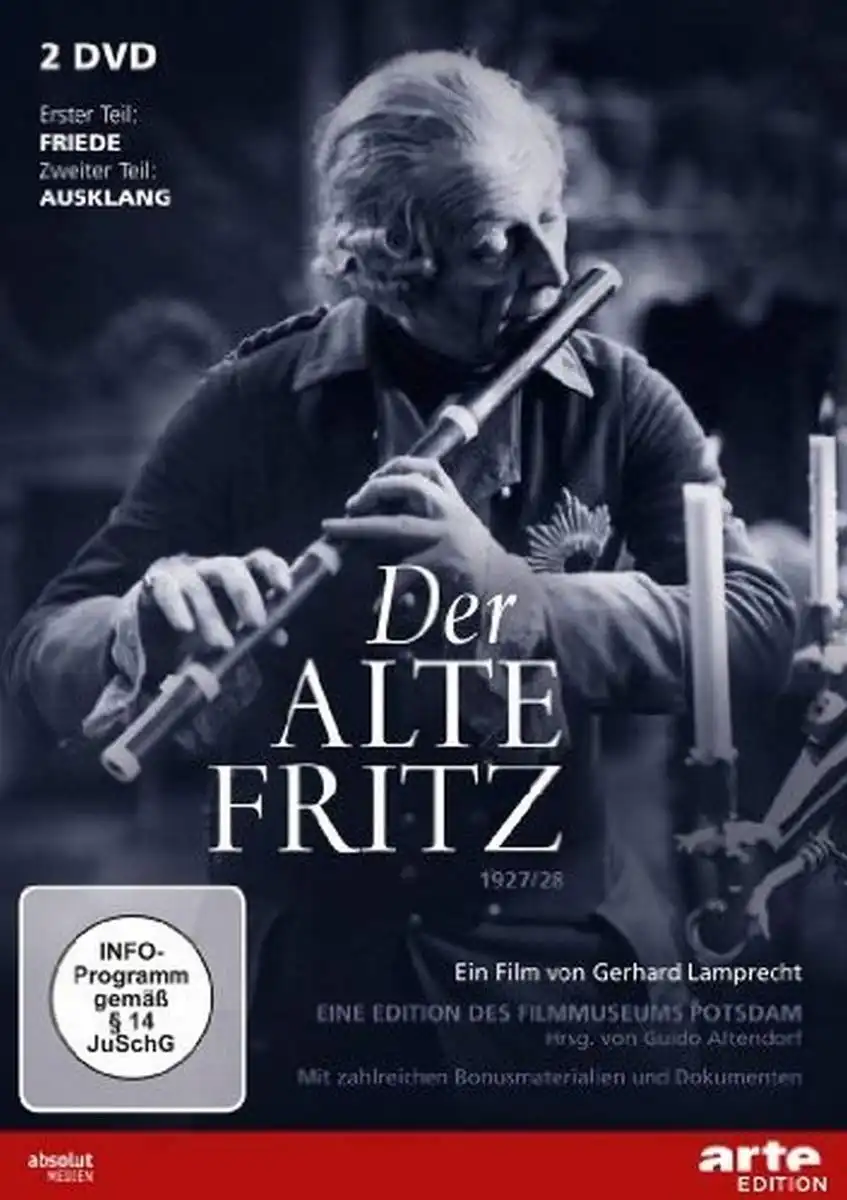
A definitive 5.7/10 rating for a film that redefined the boundaries of cult cinema. Der alte Fritz - 1. Friede remains a cornerstone of transgressive art.
Right then, Der alte Fritz - 1. Friede. Is it worth your time today? Look, if you’re a genuine silent film enthusiast, or someone who really, really digs German history – especially Frederick the Great – then yes, give it a go. For everyone else, or if the idea of a 1920s historical drama makes your eyes glaze over, probably best to skip this one. You’ll just be bored, and that’s fine. 🤷♀️
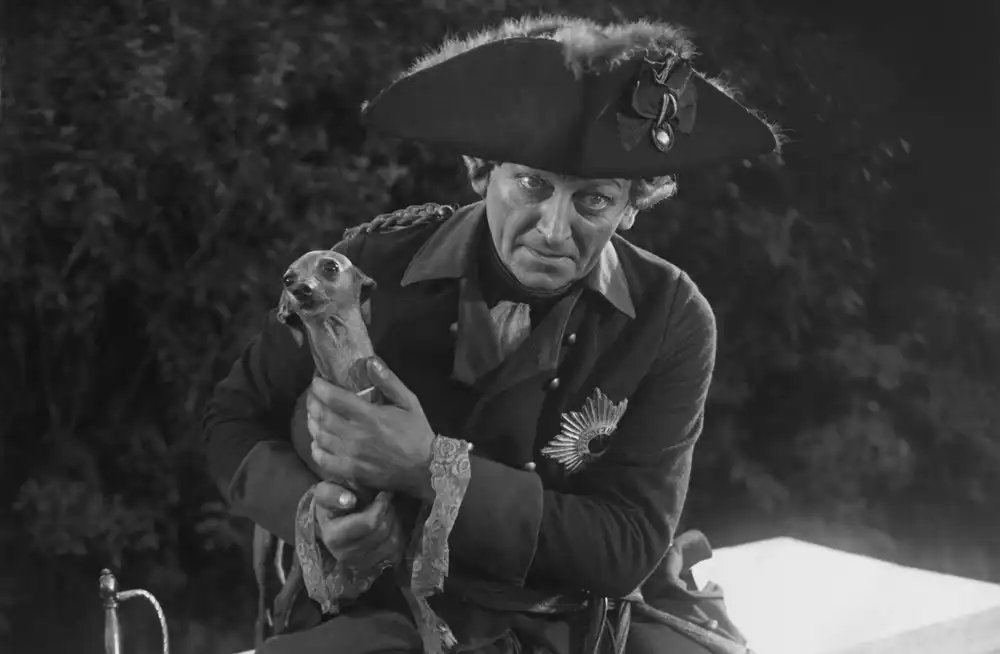
The film opens with a real sense of gravitas, you know? Like, immediately, you’re supposed to understand this is Important History. Otto Gebühr as Frederick is… well, he *is* Frederick. He doesn't just walk; he *strides* with purpose, even when he's just going from one room to another. It’s almost a performance in itself.
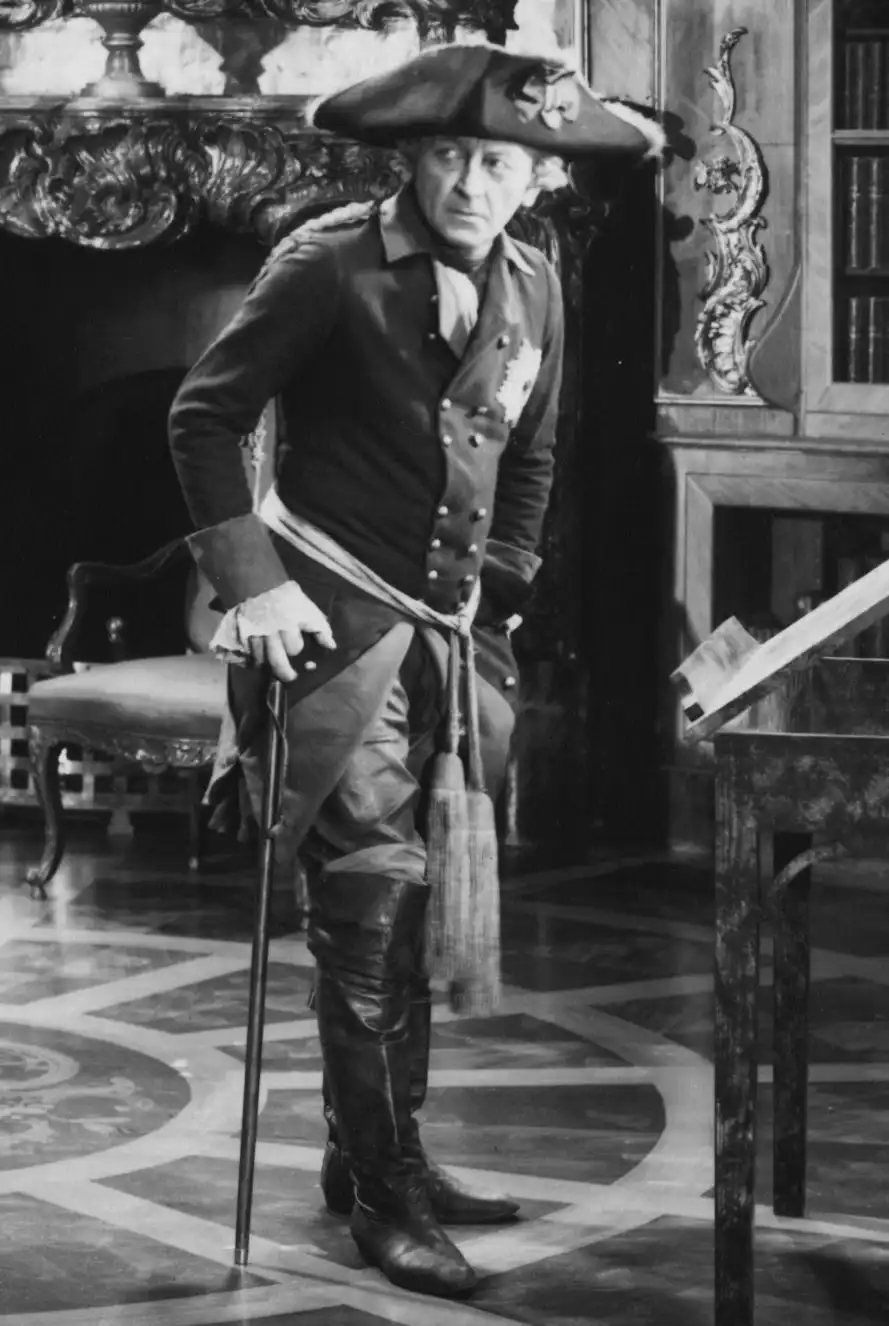
There’s this scene early on, a long shot of Frederick just looking out a window. It goes on a good 15 seconds, maybe more. You can feel the film trying to convey deep thought, the burden of leadership. But honestly, after a bit, I just started wondering what he was actually thinking about. Did he remember leaving his tea on the table?
The intertitles are pretty much what you’d expect for the era. Some are quite dense, explaining political situations with a *lot* of words. Others are just dialogue, which sometimes feels a bit clunky after a long visual pause. It’s a constant reminder you're watching a silent picture, if the lack of sound hadn't already tipped you off.
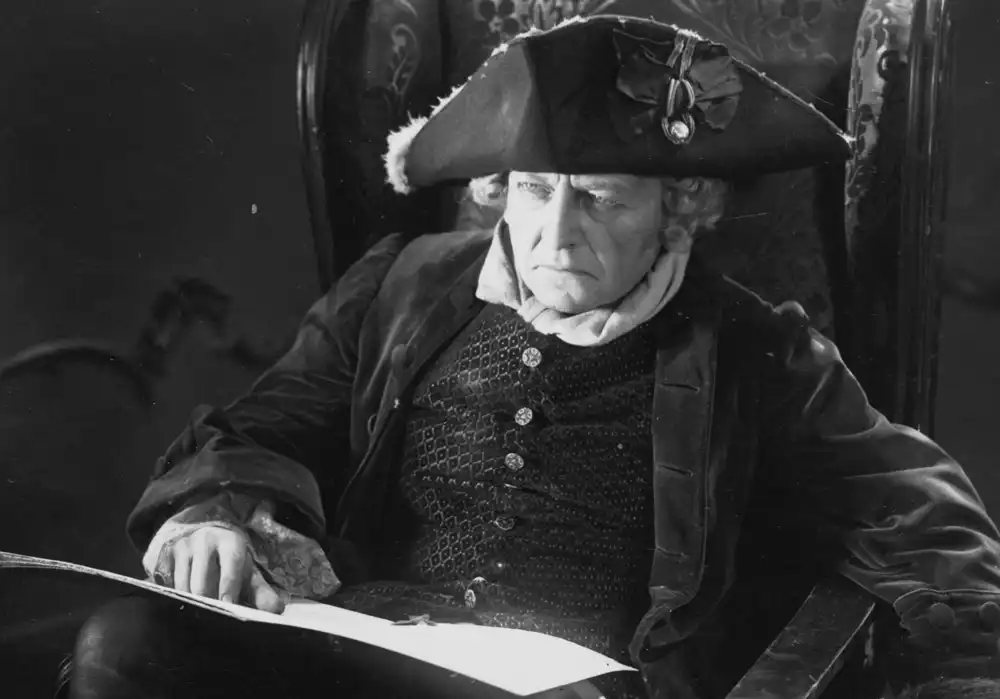
I did notice the costumes, though. They’re quite something. All the powdered wigs and ornate jackets look surprisingly authentic. You can tell they put effort into that. Though, one of the generals, I think it was Peter von Hahn's character, had a wig that seemed to be listing slightly to the left in a few shots. Just a tiny detail, but once you see it, you can't *unsee* it.
The pacing is very deliberate. There are long stretches where not a whole lot happens, or rather, things happen very slowly. A lot of people enter a room, they sit down, they look serious, they stand up, they leave. Repeat. It’s less about action and more about presence.
There's a particular moment where Auguste Prasch-Grevenberg, playing Queen Elisabeth Christine, has this *very* dramatic hand gesture she uses. Every time she’s meant to be distressed or making a point, her hand shoots up, palm outwards, almost like she’s trying to stop a runaway carriage. It’s *bold*.
The movie gets a bit lost in its own historical details sometimes. You’re presented with these grand declarations about peace and treaties, but the actual stakes don’t always land. It’s hard to feel the weight of it when the biggest conflict shown is usually a stern look from Gebühr.
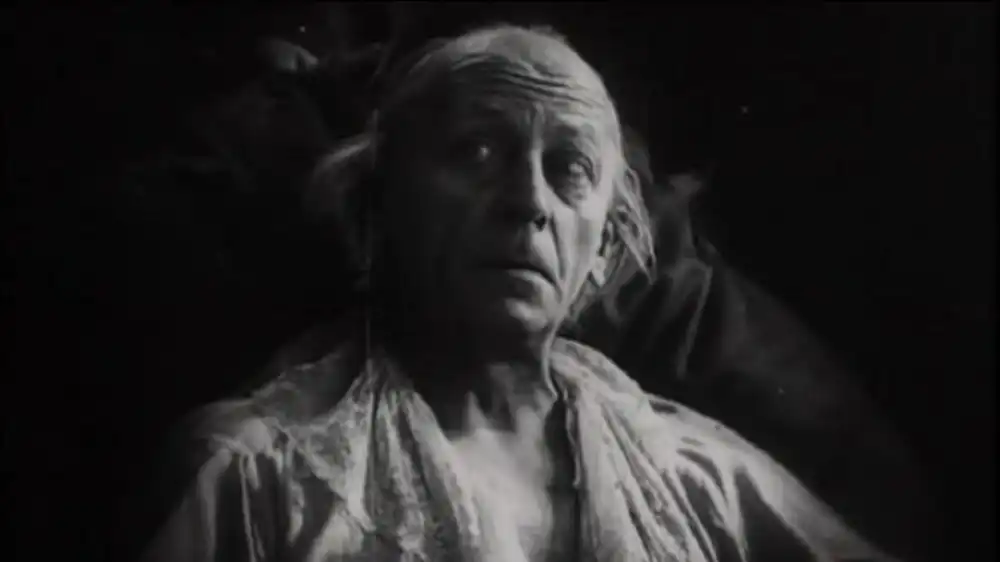
Also, the crowd scenes… they have this oddly staged feeling. Like everyone was told exactly where to stand and how to look vaguely concerned or impressed. Not quite natural, you know? It’s not a bustling metropolis; it’s more like a very polite gathering.
Gebühr’s performance really carries it, though. He has these moments where his eyes just convey so much. There's a scene where he's signing some papers, and the camera just holds on his face. *That* felt real. That felt like the *burden* of leadership, not just the idea of it.
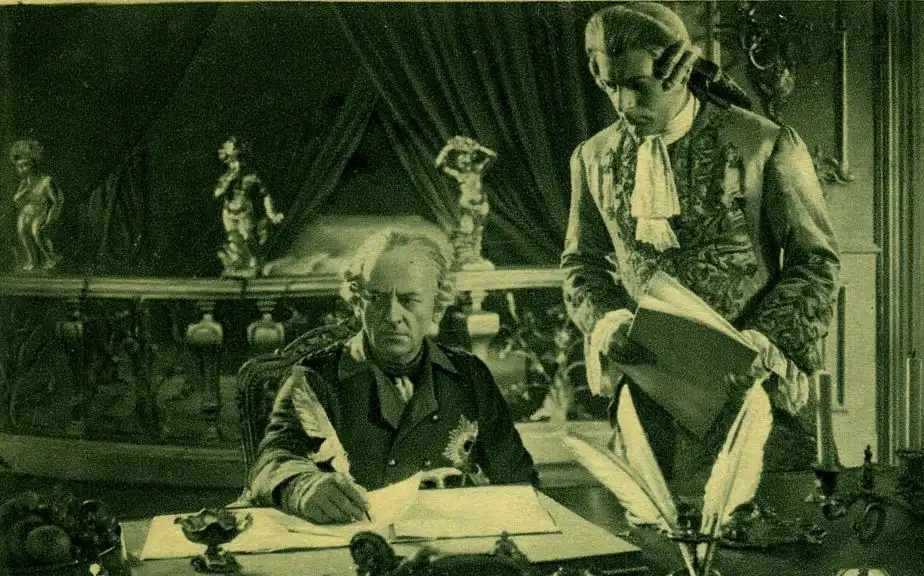
It's not a film you'd put on for a casual Friday night. This is for when you've got time, and you're in the mood for a historical deep dive, silent film style. It asks for your patience, and sometimes, it rewards it. Other times, you just wish someone would speed things up a touch. The commitment is real. 🧐
One thought that kept coming back: imagine being an actor in this. Trying to make a solemn nod feel genuinely meaningful for twenty seconds. That's a skill. A very specific, silent-era skill. It reminds you of how much more physically demanding silent acting could be.
I did quite like the sets for the palace interiors. They feel grand enough. Not quite Versailles, but certainly respectable. And the way they light some of those scenes, with shafts of light through windows – that’s a nice touch. Makes it feel a bit more alive, considering the lack of sound.
Beyond the main cast, you see so many faces flitting through court scenes. Charlotte Ander pops up in a few background moments, always with a very specific, slightly mischievous expression, even if she's not doing much. It's those little details that can make a difference in such a visually focused medium.
It’s definitely one for the archives, a real piece of German cinema history. But as for compelling drama? It has its moments, but you gotta dig for them. Don't expect “The King's Speech” level engagement. More like a very earnest, very quiet history lesson. A document of its time, really.
IMDb 7
1931
Community
Log in to comment.