DbcultAccessing Vault...
6.2/10
Senior Film Conservator
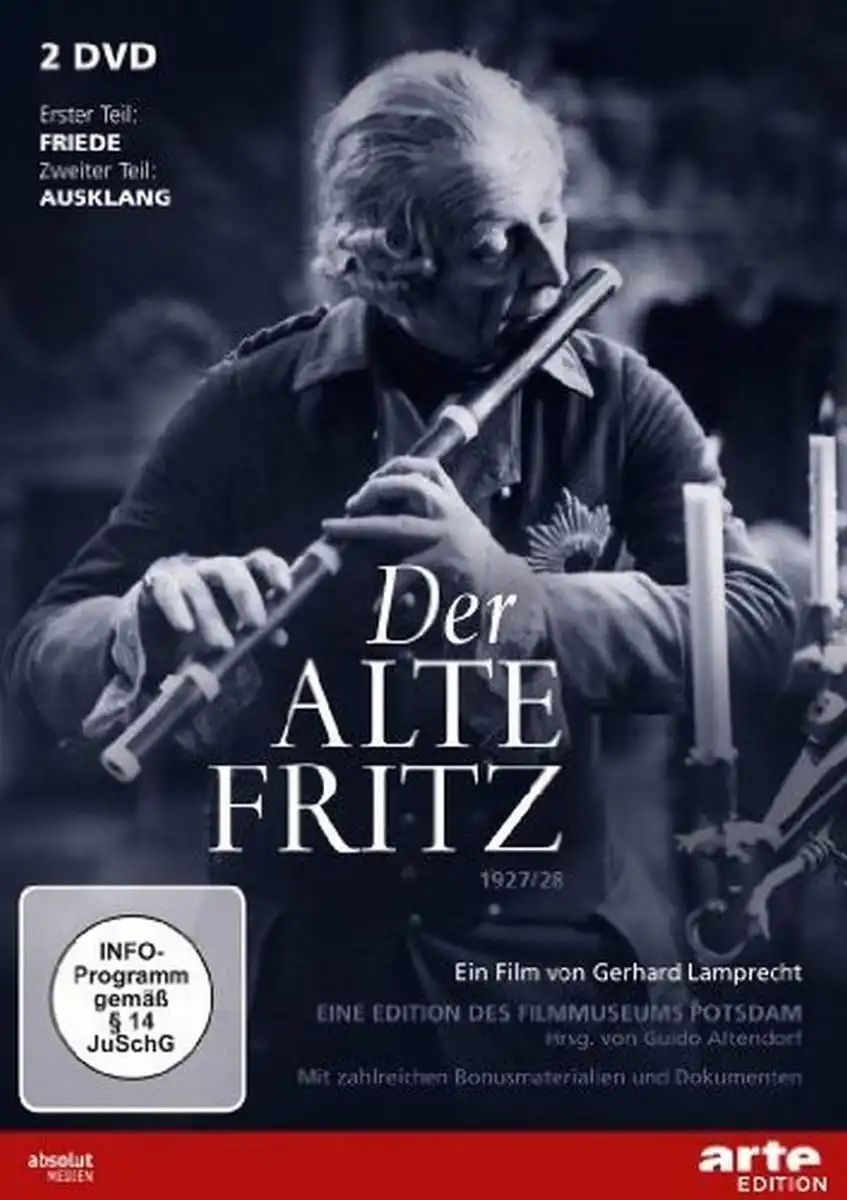
A definitive 6.2/10 rating for a film that redefined the boundaries of cult cinema. Der alte Fritz - 2. Ausklang remains a cornerstone of transgressive art.
If you’re looking for a quiet Sunday afternoon with some historical weight, and don't mind a film that truly takes its time, then *Der alte Fritz - 2. Ausklang* might just be your cup of tea. It's a fascinating window into an older way of storytelling, perfect for history buffs or anyone curious about early cinema. But if you need fast action, crisp dialogue, or anything that feels remotely modern, you’ll probably be checking your watch every five minutes. 🕰️
This film, the second part of a silent epic, picks up with Frederick the Great in his later years. It’s not about the younger, fiery king conquering lands. No, this one is about the old Fritz, the one who’s seen it all and is now contemplating his legacy.
What struck me first was the pacing. It’s… deliberate. Every scene feels stretched out, allowing you to really soak in the expressions and the meticulously crafted sets. There’s a long shot, maybe two minutes, of Peter von Hahn as Frederick just sitting by a window, staring out. You can almost feel the weight of his thoughts, even without a word being spoken. The way he sometimes just taps his fingers on the armrest, a small, weary gesture, really lands.
The intertitles are where a lot of the story is told, of course. Some are very poetic, describing Frederick’s wisdom or his bond with his dogs. Others are just plain exposition, moving things along a bit clunkily. There’s one that basically says, "Many years passed, and the king grew older," which feels a little on the nose after watching him visibly age for twenty minutes. But it’s part of the charm, I guess.
The acting, by today’s standards, is wonderfully theatrical. Peter von Hahn, in particular, carries the whole thing with these grand, sweeping gestures. When he’s angry, his whole body vibrates. When he’s sad, his slump is profound. You can’t miss what he’s feeling. It’s a very different kind of performance, less about subtlety and more about conveying emotion across a silent screen. Arthur Parth, who plays someone close to the king, has this nervous energy, always fidgeting a little. It’s a nice contrast.
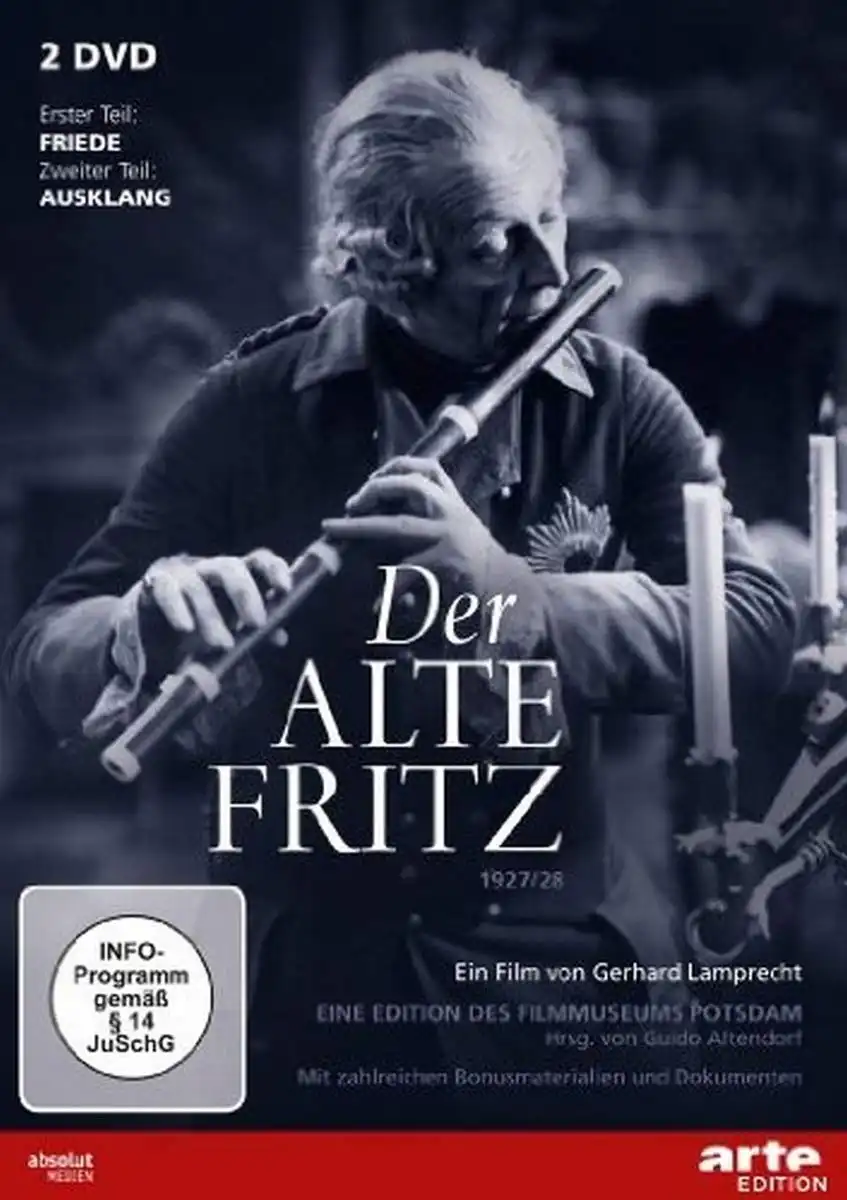
I found myself really drawn into the *look* of the film. The costumes are rich, lots of velvet and lace, and the wigs are truly something else. There’s a scene where Frederick is walking through his gardens, and the way the light catches the intricate details of his uniform… it’s beautiful. They clearly put a lot of effort into making it feel authentic, or at least how people in 1928 imagined it. The crowd scenes, though, sometimes feel a bit sparse, like they maybe ran out of extras for some shots. You'll see a 'busy street' with maybe six people crossing it.
One particular moment sticks with me: Frederick is playing his flute, and the camera just holds on his face. It’s a simple shot, but it tells you so much about his inner world, his escape from the burdens of kingship. It's a surprisingly intimate glimpse. There's another scene where he interacts with a commoner, a young boy, which feels a little staged but still tries to show his human side. It reminded me a bit of how historical figures are often idealized, even then.
The film doesn't shy away from showing Frederick’s solitude. There are many moments of him alone, reflecting. It really hammers home the idea of the "lonely king." You feel for him, even if you know he was a powerful figure. It tries to paint him as a _man_ first, which is an interesting choice for such a grand historical figure.
Now, about the sound. Or, well, the *lack* of it. If you're watching this without a proper score, it can feel incredibly quiet. I recommend finding a version with a good orchestral accompaniment; it makes a huge difference in how the emotional beats land. Without it, some scenes just kind of… float. It’s something to keep in mind if you decide to dive in.
This isn't a film that’s going to shock you with plot twists or break new ground in storytelling. It’s a period piece, a historical portrait painted with the brushstrokes of early cinema. It’s a bit of a slow burn, but there’s a quiet dignity to it that I appreciated. It's a different kind of watch, a different pace. It won't be for everyone, but if you let it wash over you, there’s something quite moving in its depiction of a life reaching its end. Maybe pair it with a cup of strong tea and a cozy blanket. ☕
IMDb 3.6
1913
Community
Log in to comment.