DbcultAccessing Vault...
6.7/10
Senior Film Conservator
A definitive 6.7/10 rating for a film that redefined the boundaries of cult cinema. Cytherea remains a cornerstone of transgressive art.
There is a particular brand of psychological rot that settles into the floorboards of a perfectly manicured American home. In the 1924 silent opus Cytherea, director George Fitzmaurice captures this decay with a precision that feels uncomfortably modern. We find ourselves peering into the life of Lee Randon, a man who has achieved the zenith of the American dream only to find it a hollow, echoing chamber. Unlike the sweeping dramatic gestures seen in Lost and Won, where the stakes are often externalized through plot mechanics, Cytherea is an internal autopsy of a soul in revolt. Randon is not a hero in the classical sense; he is a man drowning in the stillness of his own success, looking for a life raft in the form of a porcelain doll.
The central conceit of the film—the doll named Cytherea—is a stroke of symbolic genius that elevates the narrative beyond mere domestic melodrama. By naming the doll after Aphrodite’s epithet, Joseph Hergesheimer (the original novelist) and screenwriter Frances Marion establish a bridge between ancient mythic yearning and modern neurosis. This isn't the lighthearted, almost slapstick escapism found in Tootsies and Tamales. Instead, the doll acts as a silent witness to Lee's transition from a pillar of the community to a man possessed. It represents the 'Ideal Woman'—silent, unchanging, and entirely subject to his projection—a dangerous contrast to the living, breathing, and inevitably complicated women in his life.
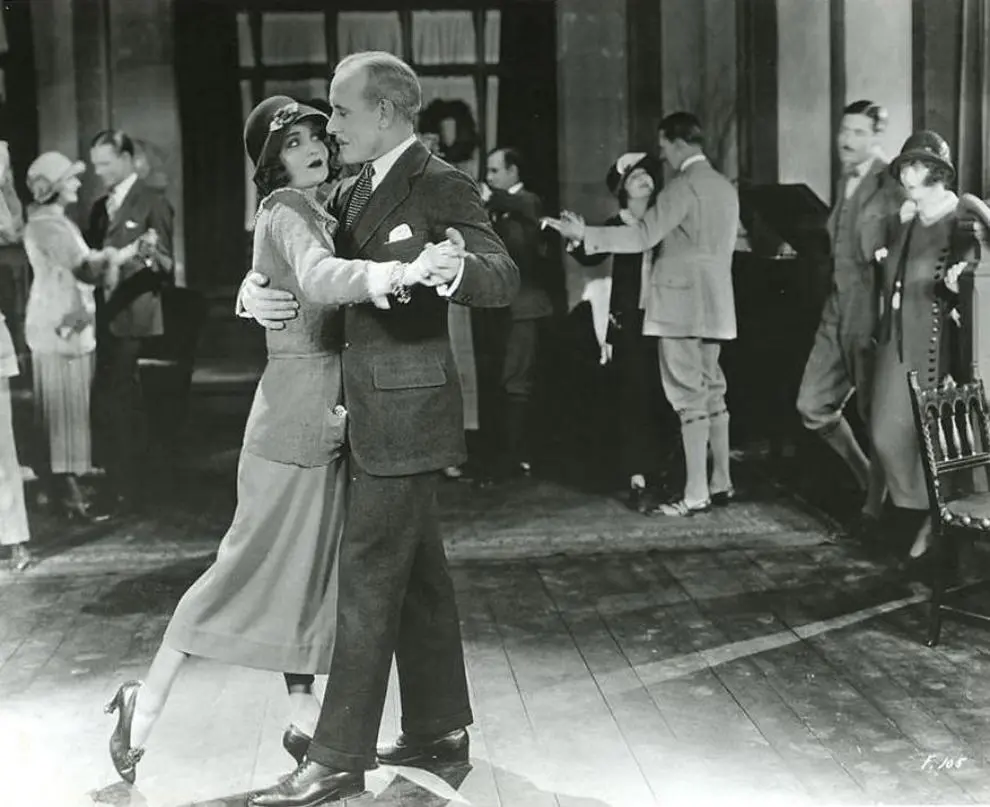
When Alma Rubens enters the frame as Claire Morris, the film shifts its tonal frequency. Rubens possesses a screen presence that is both ethereal and grounded in a gritty, post-war reality. She represents the 'New Woman' of the 1920s, a figure that was as much a source of terror as she was of fascination for the men of Lee’s generation. Her performance is a masterclass in subtlety; she isn't just a temptress, but a woman seeking her own form of liberation, however misguided. This dynamic is far more complex than the binary moralities often explored in films like The Woman God Sent. In Cytherea, there are no villains, only victims of a changing zeitgeist.
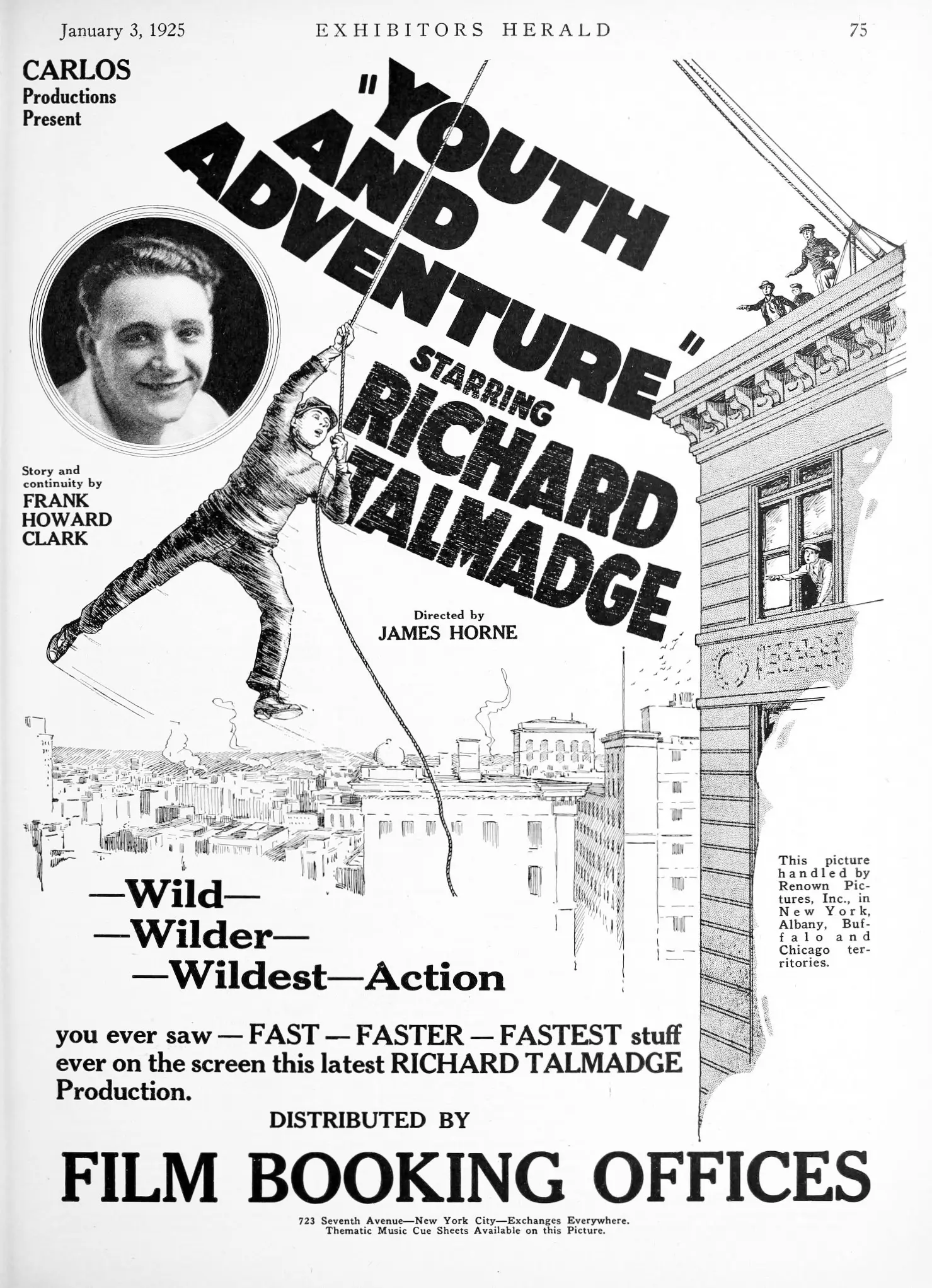
Constance Bennett, in an early role, provides a fascinating counterpoint, hinting at the burgeoning social shifts that would soon redefine the American landscape. The interplay between these characters creates a web of social obligation and personal desire that feels far more intricate than the straightforward conflict in Morgan's Raiders. Fitzmaurice uses the camera to isolate these characters, often placing them in opulent settings that feel more like gilded cages than homes. The set design is lavish, yet it carries a weight of expectation that underscores Lee's desire to burn it all down.
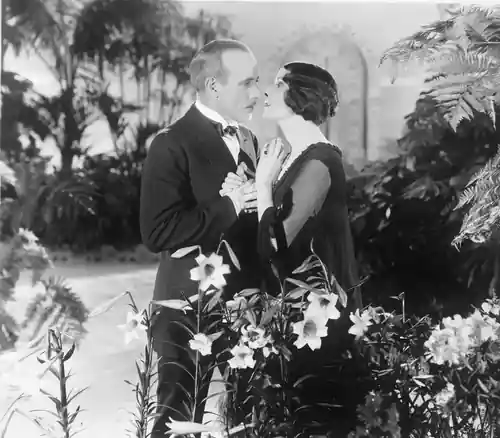
One cannot discuss Cytherea without addressing its technical bravado. The inclusion of the Prizma Color sequences for the Cuban dreamscape was, at the time, a staggering achievement. In an era dominated by monochrome, the sudden intrusion of color serves as a visual metaphor for Lee’s sensory awakening. It is a hallucinatory sequence that mirrors the emotional intensity found in European cinema of the period, such as the Swedish intrigue of Politik och brott or the Danish psychodrama of Skæbnesvangre vildfarelser. The color isn't just a gimmick; it is the manifestation of Lee’s internal landscape—vibrant, dangerous, and ultimately ephemeral.
As the narrative shifts to Cuba, the film’s atmosphere thickens. The heat is palpable, the shadows are longer, and the moral compasses of our protagonists begin to spin wildly. This segment of the film functions as a precursor to the noir sensibilities of later decades. It shares a thematic DNA with The Heart of a Gypsy in its exploration of exoticism as a catalyst for personal transformation. However, Fitzmaurice avoids the pitfalls of simple orientalism, focusing instead on the psychological disintegration of Lee and Claire. Their passion, once a bright flame, begins to consume them, proving that the 'excitement' Lee craved has a devastating cost.
Back in the states, the character of Fanny Randon (Irene Rich) represents the tragic collateral damage of Lee’s quest for 'romance.' Rich plays the role with a dignified heartbreak that prevents the character from becoming a mere caricature of a nagging wife. The film’s treatment of marriage is surprisingly cynical for 1924, suggesting that the institution itself might be a cage for both parties. This mirrors the domestic tensions explored in Woman and Wife, but Cytherea adds a layer of existential dread that is absent from more traditional dramas. The film asks: what happens when the social contract no longer provides meaning?
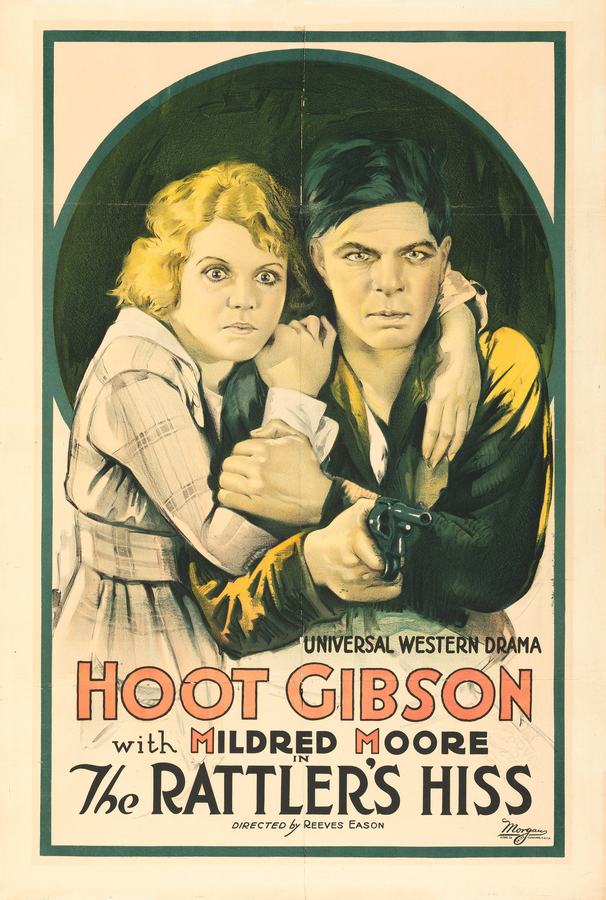
The comparison to Beyond the Rainbow is apt here, as both films attempt to peer behind the curtain of high-society respectability to find the simmering discontent beneath. However, where Beyond the Rainbow leans into the ensemble mystery, Cytherea remains laser-focused on the individual’s descent. It is a claustrophobic experience, despite its grand settings, because we are trapped within Lee’s increasingly erratic perspective.
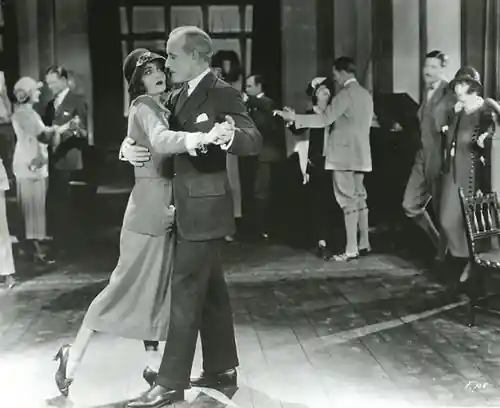
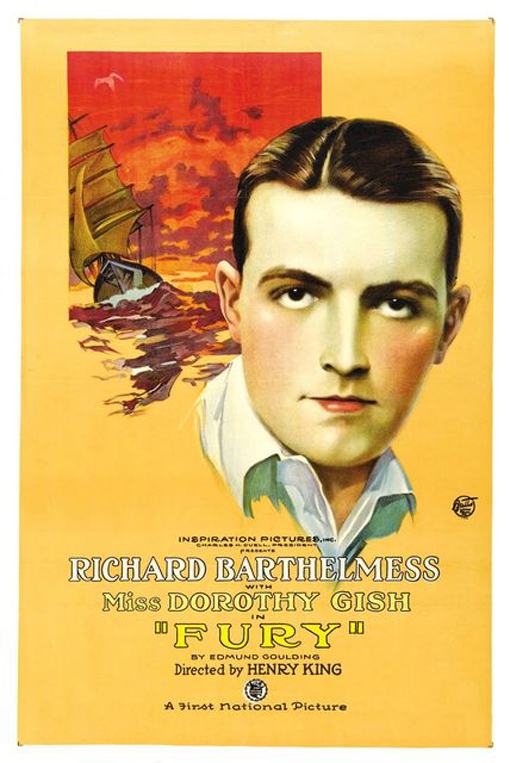
Lewis Stone, often remembered for his later, more paternal roles, is a revelation here. He captures the 'atavistic' urge of the middle-aged man with a chilling accuracy. There is a scene where he simply stares at the Cytherea doll, and in his eyes, you can see the collapse of twenty years of bourgeois stability. It is a performance of immense restraint, far removed from the broader theatricality of Manden med de ni Fingre IV. Stone makes Lee’s betrayal of his family feel not like a moment of sudden madness, but like the inevitable result of a long, slow erosion of the self.
Arthur Miller’s cinematography (not the playwright, but the legendary cameraman) uses light and shadow to create a sense of impending doom. The way the light catches the edges of the Cytherea doll makes it appear almost sentient, a silent provocateur in the Randon household. This visual storytelling is a testament to the sophistication of late-silent era filmmaking. It rivals the atmospheric depth of La fille des chiffonniers, using the environment to reflect the characters' internal states. Every frame is meticulously composed to emphasize the distance between characters, even when they are sharing the same bed.
In the grand tapestry of 1920s cinema, Cytherea stands as a monumental, if often overlooked, achievement. It doesn't offer the easy resolutions of Melting Millions or the broad comedy of O Villar eis ta gynaikeia loutra tou Falirou. Instead, it offers a mirror to the viewer, asking uncomfortable questions about the nature of desire and the cost of freedom. The film’s conclusion is not a homecoming, but an acknowledgement of loss—a realization that once the doll of Cytherea is broken, it can never be made whole again.
Frances Marion’s script deserves immense credit for maintaining the novel’s philosophical weight while translating it into a visual medium. She understands that the true drama isn't the affair itself, but the 'why' behind it. Like the intricate plotting in The Woman in the Web, the narrative of Cytherea is a series of traps, both social and psychological. It remains a haunting exploration of the Jazz Age’s darker undercurrents, a film that feels as much like a warning as it does a piece of entertainment. For the modern viewer, it is a window into a world that was just beginning to grapple with the concepts of mid-life crisis and the breakdown of the traditional family unit—themes that remain as potent today as they were a century ago.
Ultimately, Cytherea is a cinematic bridge. It bridges the gap between the Victorian moralism of the 19th century and the cynical realism of the 20th. It is a film about the danger of ideals and the messy, often painful reality of human connection. It is, quite simply, essential viewing for anyone who wishes to understand the soul of the 1920s. Like the elusive Die Tangokönigin, it captures a fleeting moment in time where everything seemed possible, and the price of that possibility was everything.
IMDb 6.4
1936
Community
Log in to comment.