DbcultAccessing Vault...
Cult Review
Senior Film Conservator
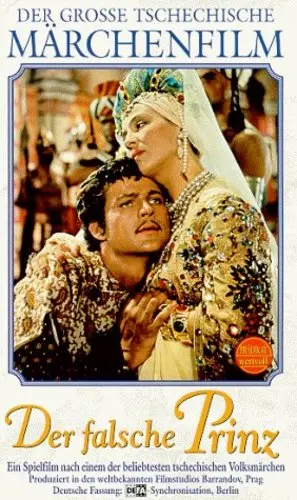
Is 'Der falsche Prinz' worth watching today? Short answer: yes, but with significant caveats. This 1927 German silent comedy, based on the real-life exploits of its star, Harry Domela, offers a fascinating glimpse into a bygone era, providing both genuine laughs and a potent dose of social commentary.
It's a film best suited for silent cinema enthusiasts, history buffs intrigued by the Weimar Republic, and those who appreciate a clever, character-driven satire. However, if your cinematic palate demands modern pacing, intricate plot twists, or high-fidelity sound, 'Der falsche Prinz' might prove a challenging watch.
At its core, 'Der falsche Prinz' isn't just a story; it's a social experiment captured on celluloid. The film plunges us into the world of Harry Domela, a man whose ambition outstrips his birthright. Instead of merely recounting his ruse, the narrative reinterprets it as a grand performance, a societal play where Domela is both the leading man and the unwitting director.
We witness his transformation from an ordinary individual into a figure of aristocratic allure, a process less about disguise and more about conviction. The plot highlights the almost eager complicity of the German elite, who, bruised by war and yearning for tradition, are all too willing to believe in the return of a 'prince'. This isn't just about one man's con; it's about a collective delusion, a society desperate for a symbol to cling to, making Domela's imposture less a crime and more a mirror held up to the times.
His journey through opulent estates, exclusive clubs, and high-society gatherings isn't merely a string of comedic encounters; it's a masterclass in psychological manipulation. The film smartly portrays the subtle shifts in posture, the practiced charm, and the carefully chosen words that cement his false identity. The eventual exposure isn't a simple reveal but a dramatic collapse of a carefully constructed fantasy, leaving a lingering question about who truly was deceived.
The true magnetic pull of 'Der falsche Prinz' lies squarely with Harry Domela himself. It’s an unusual cinematic feat: an individual playing a fictionalized version of his own real-life deception. This meta-narrative layer imbues his performance with an undeniable authenticity and a mischievous glint in his eye that no other actor could replicate.
Domela isn't just acting; he's reliving, almost winking at the audience from within the frame. His portrayal of the 'prince' is a masterclass in understated arrogance and effortless charm. He doesn't resort to broad, over-the-top gestures typical of some silent film comedians; instead, his humor often comes from subtle expressions – a knowing smirk, a perfectly timed nod, or a fleeting moment of self-doubt quickly masked by princely decorum.
Consider the scene where he is nearly exposed by a suspicious general. Domela doesn't panic; instead, he adopts an air of wounded dignity, subtly turning the tables on his accuser with a well-placed, indignant stare. This isn't just a gag; it’s a demonstration of his character's (and his own) psychological dexterity. His performance alone elevates the film from a simple comedy to a fascinating character study. It works. But it's flawed.
Heinz Paul, as director, faced the unique challenge of translating a real-life, often subtle, deception into the broad strokes required of silent cinema. His approach is commendable, if not always groundbreaking. Paul understands that the humor of 'Der falsche Prinz' isn't just in the visual gags, but in the unfolding social charade.
He employs a steady, observational camera, allowing scenes to play out, often emphasizing the reactions of the duped aristocracy more than Domela's actions. This directorial choice subtly shifts the focus from 'how he does it' to 'how readily they fall for it'. For example, a recurring motif involves showing the eager faces of various society figures as they listen intently to Domela's fabricated tales, their expressions a mix of reverence and desperate social climbing.
The pacing, while occasionally deliberate, serves to build the tension of the deception. Paul allows scenes of lavish parties and formal dinners to unfold at length, immersing the viewer in the world Domela has infiltrated. The use of intertitles is particularly effective; they don't just convey dialogue but often deliver witty asides or crucial plot points with a dry, satirical edge. While it lacks the frenetic energy of some American silent comedies, Paul's direction prioritizes character and social commentary over slapstick.
The visual language of 'Der falsche Prinz' is typical of its era, yet effective in conveying its themes. The cinematography, handled by Willy Goldberger, is straightforward but functional, often relying on clear, well-composed medium shots and close-ups to capture the nuances of silent acting. There are no groundbreaking camera movements or experimental techniques, but the clarity of the image allows Domela's performance to shine.
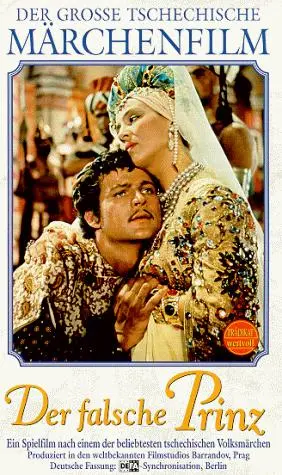
Where the film truly excels visually is in its set design and costuming. The opulent interiors of the aristocratic homes are meticulously recreated, brimming with period-appropriate furniture, intricate draperies, and grand ballrooms. These lavish settings serve as a stark contrast to Domela's true origins, visually emphasizing the chasm between his reality and his assumed identity. A particularly memorable visual is Domela, dressed in impeccably tailored suits and uniforms, standing confidently amidst the gilded splendor, a physical embodiment of his audacious lie.
Lighting is also used to good effect, often highlighting the faces of key characters during moments of suspicion or revelation, drawing the audience's attention to their subtle expressions. While not 'visually stunning' in a modern sense, the film's aesthetic is consistently strong, providing a rich backdrop for its satirical narrative. It’s a testament to the craftsmanship of silent era filmmaking, where every visual element had to carry significant narrative weight.
Absolutely, for the right audience. 'Der falsche Prinz' isn't just a historical curiosity; it's a vibrant piece of early German cinema that holds surprising relevance. It offers a unique window into the social anxieties and class structures of the Weimar Republic, a period ripe for satire.
Its humor, while broad in places, often lands with precision, particularly in its critique of societal vanity and gullibility. The central performance by Harry Domela himself is a compelling reason to seek it out; it's a rare instance of an individual re-enacting their own scandalous history for the screen. It is a historical document as much as an entertainment.
However, be prepared for the conventions of silent film: the reliance on intertitles, the lack of synchronized sound, and a pace that is decidedly more deliberate than contemporary cinema. If you approach it with an open mind and an appreciation for film history, you'll find a rewarding experience. It's a charming, insightful, and surprisingly sharp piece of work that transcends its age.
Der falsche Prinz stands as a captivating relic of Weimar German cinema, a film whose intrinsic value extends beyond mere entertainment. It's a bold, self-aware piece of satire, elevated immeasurably by the audacious presence of Harry Domela playing himself. While its silent film conventions and deliberate pacing might not appeal to every modern sensibility, its core themes of identity, class, and the human propensity for self-deception remain strikingly relevant. It might not be a 'masterpiece' in the conventional sense, but it is an undeniably important and engaging work. For those willing to immerse themselves in its historical context, it offers a rich, often humorous, and always thought-provoking experience. It's a relic. A charming one, undeniably flawed but eminently watchable for the right audience. It's a film that asks us to consider not just the impostor, but the society that so eagerly embraces him.
IMDb —
1917
Community
Log in to comment.