DbcultAccessing Vault...
6.8/10
Senior Film Conservator
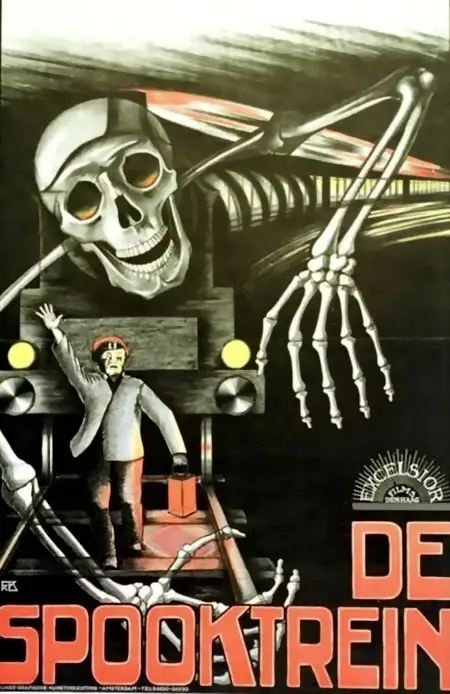
A definitive 6.8/10 rating for a film that redefined the boundaries of cult cinema. Der Geisterzug remains a cornerstone of transgressive art.
Short answer: Yes, but only if you possess the patience for the deliberate, architectural pacing of late-silent era suspense. This is not a film for the casual viewer seeking jump scares or rapid-fire editing; it is a meticulously crafted exercise in atmosphere designed for those who appreciate how cinema can turn a mundane location into a site of existential dread.
This film is for the cinephile who enjoys the 'locked-room' mystery trope and the visual language of German Expressionism. It is NOT for audiences who find the 'bumbling detective' archetype tiresome or those who require high-fidelity sound to feel engaged by a thriller.
1) This film works because it masterfully uses the physical limitations of its setting to amplify psychological tension, turning a drafty waiting room into a pressure cooker.
2) This film fails because the comedic relief provided by the protagonist's 'simpleton' persona occasionally overstays its welcome, threatening to derail the mounting dread.
3) You should watch it if you are fascinated by the transition of stage plays to the screen and want to see a masterclass in low-light cinematography.
Der Geisterzug (The Ghost Train) is a fascinating artifact of 1927, caught in the crosscurrents of British narrative structure and German visual flair. Based on Arnold Ridley’s wildly successful stage play, the film had the difficult task of making a 'ghost' feel tangible without the aid of modern CGI. It succeeds through the sheer power of suggestion. The railway station is not just a backdrop; it is a character. The flickering lanterns and the vast, oppressive darkness beyond the platform edges create a sense of isolation that feels modern even a century later.
Consider the scene where the station master recounts the legend of the ghost train. The camera lingers not on the tracks, but on the faces of the travelers. We see the skepticism in some and the creeping terror in others. This is where the film shines. It understands that the horror isn't the train itself, but the anticipation of its arrival. The lighting in this sequence is particularly sharp, using high-contrast shadows that wouldn't look out of place in a modern neo-noir.
The performance of William Biggs is the pivot point on which the entire narrative turns. For the first two acts, he plays the role of the 'silly ass'—a trope common in British fiction of the era. He is loud, distracting, and seemingly oblivious to the danger. This is a risky directorial choice. In many films of this period, such characters become unbearable. Here, the irritation is the point. We are meant to dismiss him just as the criminals do.
When the mask finally slips, the transformation is chilling. The shift in Biggs’ posture and the newfound coldness in his eyes provide a visceral payoff. It’s a subversion of the hero archetype that we see mirrored in later works like The Mysterious Mr. Tiller. The detective isn't a man of action in the traditional sense; he is a man of observation. He wins by being the least important person in the room until the exact moment he becomes the most dangerous.
Yes, Der Geisterzug is worth watching because it represents a pivotal moment in the evolution of the mystery genre. It successfully blends the 'old dark house' aesthetic with a gritty, rationalist crime plot. While some of the humor is dated, the core mystery remains tight and the reveal is satisfyingly earned. It is a foundational text for the 'rationalized supernatural' trope often seen in later detective cinema.
The pacing is where modern audiences might struggle. The film takes its time establishing the geography of the station and the dynamics of the group. It is a slow burn. But this slowness is calculated. By the time the 'ghost train' actually makes its appearance, the audience has been primed by nearly an hour of atmospheric buildup. The payoff is a sequence of mechanical terror—smoke, steam, and blinding light—that feels genuinely overwhelming.
Compare this to the more frantic energy found in The Collegians or the melodramatic thrust of Frontier of the Stars. Der Geisterzug is much more interested in the psychological toll of waiting. It’s a film about the sound of a ticking clock and the way a whistle in the distance can sound like a scream. The train is a lie. But the fear it generates is real. That is the film's greatest irony.
The cinematography by the UFA-trained crew is exceptional. They use the moving camera to create a sense of unease, often tracking slowly across the waiting room as if someone—or something—is watching the characters from the shadows. This level of technical sophistication was rare for standard mystery fare of the time. It elevates the material from a mere stage adaptation to a true cinematic experience.
There is a specific moment where a character stares into the darkness of the tunnel, and the camera pulls back slowly, making the character look smaller and more vulnerable against the black void. It’s a simple technique, but it’s executed with a precision that many modern directors fail to achieve. The film doesn't rely on gore or monsters; it relies on the frame. It works. But it’s flawed.
Pros:
Cons:
Der Geisterzug is a masterclass in the 'rationalized supernatural' mystery. While it lacks the sheer occult weirdness of something like The Mystic, it makes up for it with a grounded, gritty plot that rewards the attentive viewer. It is a film that understands the power of the silhouette and the sound of the unseen. Despite its age and the occasionally jarring tonal shifts between comedy and horror, it remains a potent reminder that the most effective ghosts are the ones we create to hide our own crimes. It’s a solid, shadows-and-fog thriller that deserves its place in the canon of early suspense cinema. If you can handle the silence, the train is well worth the wait.
IMDb —
1922
Community
Log in to comment.