DbcultAccessing Vault...
Cult Review
Senior Film Conservator
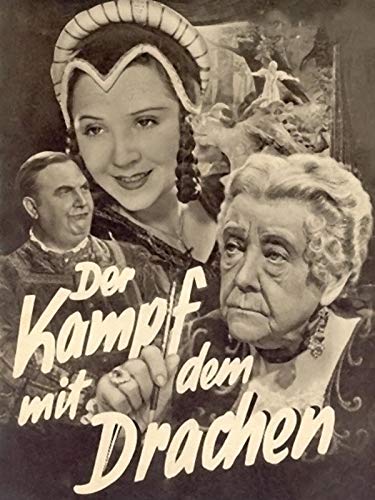
Stepping back into the nascent days of cinema, one occasionally uncovers a gem, a flickering testament to storytelling that transcends the limitations of its era. Der Kampf mit dem Drachen, or 'The Fight with the Dragon,' is precisely such a discovery. It’s a film whose very title evokes a grand, almost mythical struggle, yet its core narrative is rooted in a profoundly human, all-too-common predicament: the fight for financial survival. For a film with such a sparse plot description – 'The 'Sonnenbrauerei' is threatened with ruin. In desperation, he devises a plan.' – it invites an immense amount of conjecture and interpretation, a canvas upon which early audiences, and now we, the retrospective critics, can project a rich tapestry of human drama. The 'dragon' here is not a fire-breathing beast of legend, but the cold, relentless specter of insolvency, a foe arguably more terrifying in its mundane inevitability.
The Sonnenbrauerei, a name that conjures images of sun-drenched hops and golden brews, stands as more than just a business; it is a legacy, a symbol of heritage and community. Its impending ruin, therefore, isn't just an economic crisis but a cultural tragedy. This film, though brief in its extant details, speaks volumes about the anxieties of its time. The early 20th century, a period of immense industrialization and societal flux, saw many traditional enterprises grappling with modernization, competition, and economic downturns. The 'plan' devised by the brewery's protagonist, though unspecified, must be a desperate, ingenious, perhaps even morally ambiguous scheme, highlighting the lengths to which an individual will go to preserve what they hold dear. It’s a narrative that resonates with the timeless struggle against overwhelming odds, a theme explored in various forms across cinematic history, from the more overt criminal machinations in a film like Raffles, the Amateur Cracksman to the quiet desperation of individuals in Two-Bit Seats.
The cast, featuring names like Hilde Woerner, Gerhard Ritterband, Johanna Ewald, and Hermann Picha, represents a fascinating cross-section of early German cinematic talent. While specific roles are not detailed, one can infer their contributions to the unfolding drama. Hilde Woerner, likely portraying a central female figure, perhaps the wife, daughter, or even a key employee, would have been tasked with conveying the emotional weight of the brewery's plight. Her performance would have needed to articulate the fear, the hope, and the quiet strength often required of women in such trying circumstances, much like the stoic perseverance hinted at in films like A Woman's Fight. The silent era demanded a particular physicality and expressiveness from its actors, a mastery of gesture and facial nuance to communicate complex internal states without dialogue. Woerner's presence would have been crucial in grounding the narrative in human emotion, making the abstract concept of 'financial ruin' painfully personal.
Gerhard Ritterband, often known for his more youthful or even mischievous roles, might have embodied the younger generation, perhaps a son or apprentice, whose future is inextricably linked to the brewery's survival. His portrayal could have injected a sense of youthful optimism or, conversely, a profound disillusionment, acting as a foil to the older generation's weary resolve. The dynamic between youth and experience, tradition and innovation, would have been a rich vein for the filmmakers to explore, adding layers of intergenerational conflict and collaboration to the central struggle. Imagine the scenes where Ritterband’s character grapples with the desperate measures taken by the brewery owner, perhaps questioning the ethics or the sheer audacity of the 'plan.' This kind of internal struggle, conveyed through the subtle artistry of silent film acting, would have been pivotal.
Then there are Johanna Ewald and Hermann Picha, seasoned performers who often brought gravitas or a touch of characterful charm to their roles. Picha, known for his comedic timing and distinctive appearance, might have played a loyal, perhaps slightly bumbling, employee whose unwavering support provides moments of levity amidst the tension, or a rival whose machinations exacerbate the brewery's problems. Ewald, with her often dignified screen presence, could have been a matriarch, a stern financier, or a sympathetic neighbor. The interplay between these diverse personalities would have been essential in building a believable world around the struggling Sonnenbrauerei. The success of the 'plan' would not solely rest on its ingenuity but on the collective spirit and individual actions of all those involved, a testament to community resilience.
The absence of credited writers is typical for many early films, where the director often doubled as the primary creative force, or stories were adapted from popular stage plays or literature without explicit attribution. However, this lack of specific authorship doesn't diminish the narrative's potential depth. The very premise hints at a story that delves into themes of ingenuity, desperation, and the moral compromises sometimes necessitated by survival. It's a narrative that could easily veer into the territory of a dramatic thriller, a character study, or even a social commentary on the precariousness of business in an evolving industrial landscape. The silent film era, devoid of dialogue, relied heavily on visual storytelling, expressive acting, and often, a dramatic score to convey its narrative. One can only imagine the tension built through rapid cuts, dramatic close-ups, and perhaps even symbolic imagery of the 'dragon' itself, represented by ledgers, menacing creditors, or the very machinery of the brewery grinding to a halt.
What makes Der Kampf mit dem Drachen particularly compelling, even in its abstract form, is its capacity to speak to universal human experiences. Who among us hasn't faced a 'dragon' of our own, be it financial, personal, or professional? The film's enduring appeal lies in its exploration of the human spirit's capacity for innovation and resilience when pushed to the brink. This struggle for survival, not just of a business but of a way of life, is a narrative thread that weaves through many foundational cinematic works. Consider the societal pressures depicted in Maternity or the intense moral dilemmas in Love or Justice; these films, though different in their specifics, share a common ground in examining the human response to overwhelming circumstances. The 'plan' here, whatever its nature, is an act of defiance, a refusal to succumb to fate.
The visual aesthetic of early German cinema, often influenced by Expressionism, could have lent a powerful, almost dreamlike quality to the film's depiction of desperation and hope. Imagine stark contrasts of light and shadow, exaggerated sets, and a deliberate use of mise-en-scène to amplify the emotional stakes. The brewery itself, perhaps depicted as a labyrinthine structure, could become a character in its own right, a silent witness to the unfolding drama. The 'dragon' could be visualized not as a single entity but as a pervasive atmosphere of gloom, a creeping shadow that threatens to engulf the warmth and light of the Sonnenbrauerei. This kind of nuanced visual storytelling, characteristic of the era, would have transformed a simple plot into a profound cinematic experience.
One cannot help but muse on the specific nature of this desperate 'plan.' Was it a daring industrial espionage scheme? A clever marketing ploy that revolutionized the brewery's output? Perhaps an elaborate deception to secure a loan? Or even a secret family recipe, long forgotten, that promises to revitalize their fortunes? The ambiguity is, in itself, a strength, allowing the audience to engage actively with the narrative, filling in the blanks with their own imaginings. This interactive quality, where the viewer's imagination is as vital as the images on screen, is a hallmark of truly engaging early cinema. The film's title, 'The Fight with the Dragon,' suggests something grand and perhaps even heroic, implying that the 'plan' is not merely a technical solution but a monumental act of will.
The enduring legacy of films like Der Kampf mit dem Drachen lies not just in their historical significance but in their ability to evoke universal themes with remarkable economy. Even with limited details available, the core premise speaks to the entrepreneurial spirit, the weight of tradition, and the sheer grit required to navigate economic tempest. It’s a narrative that would have resonated deeply with audiences of its time, many of whom would have witnessed similar struggles in their own communities or even within their own families. The film serves as a poignant reminder that the struggles of humanity, while manifesting in different forms across centuries, remain fundamentally the same: the quest for security, dignity, and survival. It’s a testament to the power of cinema that even a century later, a simple plot summary can spark such a vivid imaginative journey, allowing us to connect with the anxieties and triumphs of a bygone era. The very act of watching, or even contemplating, such a film is a journey into the past, a dialogue with history, revealing how the foundational elements of storytelling have persisted and evolved.
In conclusion, while specific details of Der Kampf mit dem Drachen may be lost to the mists of time, its evocative title and compelling premise paint a picture of a potent dramatic work. It stands as a fascinating artifact of early German cinema, a silent testament to the resilience of the human spirit in the face of daunting adversity. The performances of Woerner, Ritterband, Ewald, and Picha, though unexamined in their specifics, undoubtedly contributed to the film’s emotional resonance, transforming a simple plot into a saga of survival. It reminds us that even the most seemingly straightforward narratives can carry profound weight, reflecting the anxieties and aspirations of an entire generation. This film, in its essence, is a celebration of the desperate gamble, the ingenious solution, and the unwavering hope that allows individuals and institutions to face their 'dragons' head-on, much like the courageous spirit embodied in tales of daring and perseverance. It’s a cinematic whisper from the past, inviting us to imagine a world where the fight for a brewery's soul was as epic as any mythological quest.
IMDb 7.6
1917
Community
Log in to comment.