DbcultAccessing Vault...
Cult Review
Senior Film Conservator
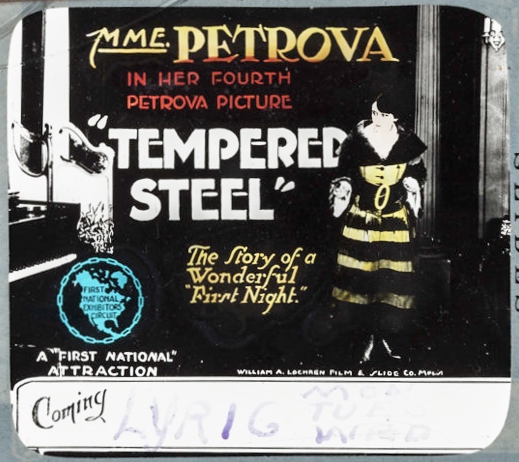
Stepping back into the flickering shadows of early cinema, one often finds narratives that, despite their age, resonate with timeless human struggles. Such is the case with Tempered Steel, a 1917 production that, even without the benefit of spoken dialogue, crafts a compelling and often unsettling portrait of ambition, mentorship, and the corrosive power of jealousy. It's a film that, like many of its era, relies heavily on the expressive power of its performers and the stark, dramatic contrasts inherent in its plot. The silent era, often dismissed as quaint, was in fact a vibrant laboratory of storytelling, where visual language was honed to a razor's edge, capable of conveying profound emotional depths without a single uttered word. This particular feature, with its high stakes and psychological complexity, stands as a testament to that artistry.
Our story commences with Lucille Caruthers, a young woman hailing from the tranquil, perhaps even stifling, embrace of the American South. Her spirit, however, is anything but tranquil; it burns with an incandescent desire to conquer the theatrical stage, a dream that pulls her inexorably towards the glittering, tumultuous heart of New York City. This journey from pastoral innocence to urban sophistication is a familiar trope in early cinema, often symbolizing a broader societal shift and the burgeoning independence of women. Think of the contrasting worlds presented in films like The Plow Girl, where rural life is depicted with a certain rustic charm, yet the allure of a different existence often proves too strong to resist. Lucille's migration isn't merely geographical; it's a profound transformation, a shedding of one identity for the pursuit of another, more thrilling one.
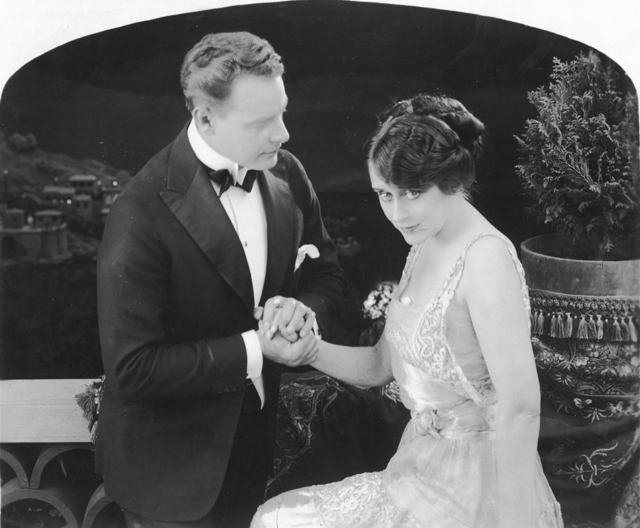
Upon her arrival in the metropolis, Lucille finds an unexpected benefactor in Serge Ratakin, a veritable titan of the stage whose influence is as pervasive as his talent is undeniable. Ratakin, recognizing a spark of genuine genius in Lucille, takes her under his wing, guiding her through the intricate labyrinth of theatrical performance. What follows is a swift and dazzling ascent. Lucille, under Ratakin's tutelage, doesn't just find a place on the stage; she becomes a star, her name emblazoned in lights, her performances captivating audiences. This meteoric rise is a classic rags-to-riches narrative, yet it's imbued with a certain fragility, a sense that such rapid success often comes with unseen costs. The relationship between mentor and protégé, especially when one is a powerful male and the other a burgeoning female talent, is ripe for dramatic tension, a theme explored with varying degrees of nuance across countless cinematic endeavors.
Herein lies the tragic pivot of Tempered Steel. The very success Ratakin so meticulously cultivated in Lucille begins to fester within him, transforming his admiration into a virulent, all-consuming jealousy. His initial pride curdles into a possessiveness that seeks not to uplift, but to control and ultimately, to destroy. This psychological descent is a masterstroke of silent film characterization, relying on nuanced gestures, facial expressions, and intertitles to convey the internal turmoil of a man consumed by his own ego. It’s a stark reminder that even the most benevolent intentions can be twisted by the darker impulses of human nature. Ratakin's character arc mirrors a classic tragic figure, one whose strengths ultimately become the instruments of his downfall. The narrative doesn't merely present him as a villain; it meticulously charts his transformation, making his eventual malice all the more chilling because it stems from a corrupted good.
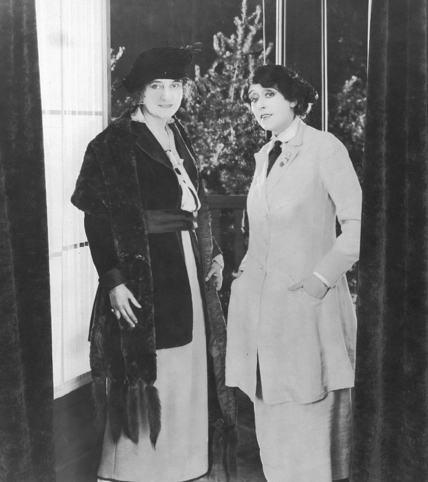
The attempts at sabotage are not merely physical obstructions; they represent a deep psychological warfare, a calculated effort to undermine Lucille's confidence and career. Ratakin, once her greatest ally, becomes her most formidable antagonist, a shadow lurking in the wings, pulling strings to orchestrate her demise. This shift in dynamic is profoundly unsettling, turning a relationship built on trust and shared ambition into a battleground of wills. The film brilliantly uses the theatrical setting to amplify this conflict. The stage, typically a place of artistic expression and collaboration, becomes a claustrophobic arena where personal animosities play out, thinly veiled beneath the veneer of performance. The tension is palpable, building slowly but inexorably, much like a fuse burning towards an explosive climax. One might even draw parallels to the insidious machinations depicted in films like Destruction, where personal vendettas lead to ruinous outcomes, though perhaps with a more intimate, psychological focus here.
The inevitable confrontation between Lucille and Ratakin is the film's dramatic apex, a raw and visceral clash that shatters the fragile peace. The exact nature of this violent conflict, rendered through the expressive, often exaggerated physicality of silent film acting, leaves a lasting impression. It’s a moment of desperate agency for Lucille, a reaction against relentless oppression. In the aftermath, Lucille is left with the harrowing belief that she has killed Ratakin. This conviction, born of trauma and self-defense, weighs heavily upon her, casting a long, dark shadow over her newfound stardom. The power of silent film in such scenes lies in its ability to externalize internal states, using dramatic lighting, close-ups, and rapid cuts to convey the emotional maelstrom.
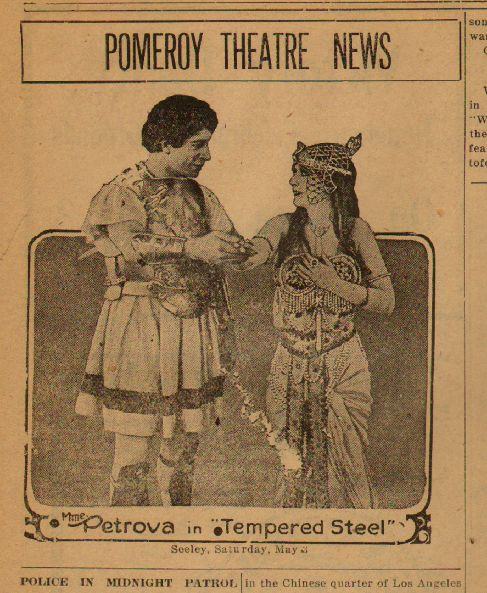
Yet, the narrative refuses to offer a clean resolution. The film's ultimate question—"But has she?"—is not merely a plot device; it's a thematic cornerstone. This ambiguity elevates Tempered Steel beyond a simple melodrama into something more psychologically complex. It forces the audience to ponder the nature of perception, guilt, and the elusive truth. Is Ratakin truly dead, or has he merely vanished, leaving Lucille trapped in a self-imposed prison of her own belief? This kind of open-ended conclusion was not uncommon in the era, allowing for deeper contemplation long after the final reel had spun. It challenges the conventional notions of justice and retribution, suggesting that sometimes, the most profound punishment is the doubt that festers within one's own mind. This unresolved tension is a testament to the sophistication of early screenwriting, which often dared to leave its audience with more questions than answers, much like the lingering psychological impact of films such as A Butterfly on the Wheel, which also explored moral dilemmas without clear-cut resolutions.
While the specific nuances of individual performances can be challenging to fully appreciate without direct access to the film, the cast list for Tempered Steel features names that were significant in their time. Olga Petrova, a prominent star of the era, brought a formidable presence to the screen, often portraying strong, complex women. Her involvement suggests a film with considerable dramatic weight and star power. The acting style of the silent era, often characterized by broader gestures and more overt emotional displays, was perfectly suited to convey the intense melodrama of this plot. Actors like Thomas Holding (who plays Ratakin, if we infer based on common casting patterns for leading male antagonists) and Lucille La Verne (likely Caruthers, given the name similarity, or another pivotal female role) would have been tasked with communicating intricate emotional states without the aid of dialogue, a true skill that demanded a profound understanding of body language and facial expression. The film's success would have hinged on their ability to make these internal struggles legible and compelling to an audience accustomed to a different mode of storytelling.
The writers, George Middleton and Lillian Case Russell, crafted a narrative that, while rooted in melodramatic conventions, ventured into psychological territory. Their collaboration likely brought a balance of dramatic flair and character depth. Silent film writing, far from being simplistic, required a meticulous understanding of visual storytelling, pacing, and the strategic deployment of intertitles to advance the plot and reveal character. The period itself, the cusp of the roaring twenties, was one of immense social change, particularly for women. Films like All Woman or The Richest Girl often explored themes of female agency, ambition, and the challenges faced by women navigating a rapidly evolving world. Tempered Steel, with Lucille's journey from aspiring ingenue to celebrated star, and her subsequent struggle against a possessive male figure, fits squarely within this cultural landscape, reflecting anxieties and aspirations pertinent to its time.
While specific details about cinematography or directorial style for Tempered Steel might be lost to the mists of time for the casual viewer, the narrative structure itself speaks volumes about the sophistication of early filmmaking. The gradual build-up of tension, the clear delineation of character arcs, and the use of a dramatic, ambiguous climax are all hallmarks of effective storytelling, regardless of the medium. The film's title itself, Tempered Steel, is remarkably evocative. It suggests a process of hardening, of refining through intense heat and pressure—a perfect metaphor for Lucille's journey, her spirit forged in the crucible of ambition and adversity. It implies resilience, but also the potential for brittleness if pushed too far. The choices made by early filmmakers, often under significant technical and financial constraints, were nonetheless bold and innovative, laying the groundwork for all cinematic grammar that followed. Their ability to convey complex emotions and intricate plots using only visuals and music is a continuous source of fascination and admiration.
The themes explored in Tempered Steel—the intoxicating allure of fame, the corrupting influence of power and jealousy, and the profound psychological impact of violence and guilt—are universal. They transcend the specific era of the silent film and remain relevant even today. The ambiguous ending, in particular, ensures that the film lingers in the mind, prompting reflection on moral choices and the subjective nature of truth. It's not just a story of theatrical ambition; it's a profound exploration of human frailty and resilience. For enthusiasts of classic cinema, or anyone interested in the foundational narratives that shaped the art form, delving into a film like Tempered Steel offers a window into a rich, expressive past. It reminds us that compelling drama isn't solely dependent on technological advancements, but on the enduring power of human stories, told with passion and ingenuity, even in the eloquent silence of a bygone era. The emotional resonance of such tales, whether in the grand tragedy of Romeo and Juliet or the intimate struggles of Tempered Steel, remains undiminished. It solidifies its place not just as a historical artifact, but as a compelling piece of dramatic artistry, its 'steel' truly tempered by the fires of human experience.
IMDb 7.2
1916
Community
Log in to comment.