DbcultAccessing Vault...
Cult Review
Senior Film Conservator
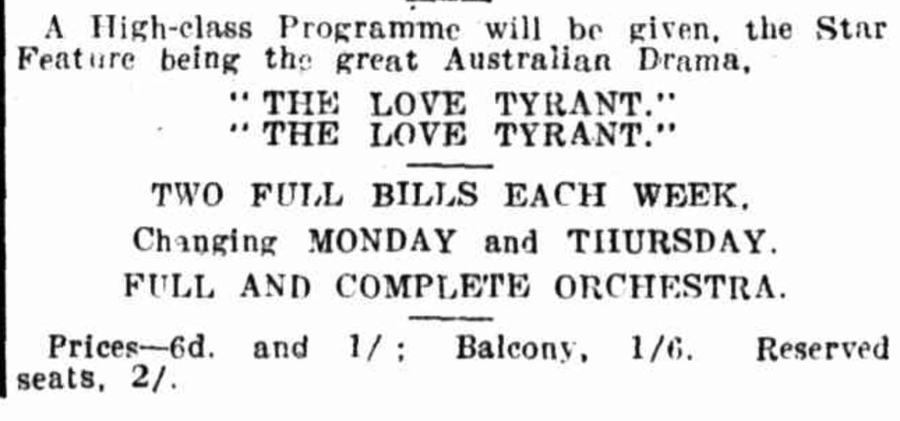
Stepping back into the nascent years of cinematic artistry, one encounters a fascinating tapestry of storytelling, where nascent techniques coalesced to forge narratives of profound human experience. Among these early gems, "The Love Tyrant" emerges as a particularly compelling artifact, a film that, despite its vintage, manages to explore timeless themes of power, obsession, and the insidious nature of control with remarkable nuance. This is not merely a historical curiosity; it is a testament to the enduring power of narrative and performance, particularly from its central figure, Charles Villiers.
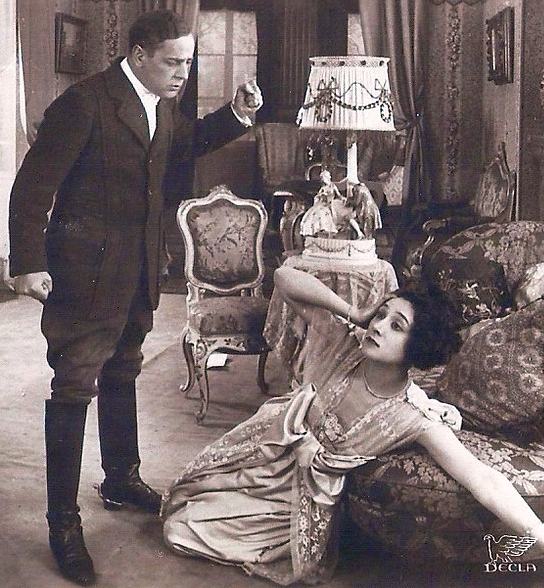
The film plunges us into a world where social hierarchies are rigid, and the will of the powerful often dictates the fate of the vulnerable. At its core lies the formidable presence of Baron Von Kessel, a character brought to life with an almost unsettling intensity by Charles Villiers. Villiers, a name synonymous with early dramatic prowess, imbues the Baron with a charisma that is as alluring as it is menacing. He is not a mustache-twirling villain in the simplistic sense, but a complex, multi-layered antagonist whose actions stem from a deeply ingrained sense of entitlement and a skewed perception of affection. His 'love' is less about genuine connection and more about possession, a grand performance of ownership designed to exert absolute dominion.
The plot, a meticulously crafted mechanism of escalating tension, revolves around the Baron's relentless pursuit of Elara, a young woman already betrothed and fiercely independent. The film's brilliance lies in its portrayal of his methods, which eschew overt violence for a more insidious form of psychological warfare. We witness the Baron's calculated manipulation of financial debts, his subtle poisoning of social perceptions, and his grand gestures of generosity that carry the chilling undertone of inescapable obligation. These tactics, rendered through the expressive silent film acting conventions of the era, speak volumes without a single spoken word, a testament to the directorial vision and the performers' ability to convey complex emotions through gesture and facial expression.
Villiers' performance as Von Kessel is nothing short of magnetic. He commands the screen with a gravitas that is both captivating and terrifying. His eyes, in particular, convey a chilling blend of desire and cold calculation. One can detect a flicker of almost childlike petulance beneath the veneer of aristocratic composure when his will is thwarted, quickly replaced by a steely resolve to overcome any obstacle. This nuanced portrayal elevates the character beyond a simple archetype, making him a truly memorable 'tyrant' of the heart. His nuanced expressions of frustration, barely contained rage, and triumphant self-satisfaction are masterclasses in silent film acting, allowing the audience to perceive the intricate workings of a disturbed mind.
The film's aesthetic, while constrained by the technological limitations of its time, is nonetheless evocative. The sets, likely painted backdrops and minimal practical furnishings, effectively convey the grandeur of the Baron's estate and the stark contrast with Elara's humble abode. The costuming further reinforces the class divide, with the Baron's impeccably tailored suits and Elara's simpler, yet elegant, attire speaking volumes about their respective stations. The use of light and shadow, rudimentary as it might have been, is employed to heighten dramatic tension, particularly in scenes where the Baron looms over Elara, casting a metaphorical as well as literal shadow over her aspirations for freedom.
Comparing "The Love Tyrant" to other films of its period offers valuable insight into its unique contribution. While films like Cleopatra or Les amours de la reine Élisabeth focused on historical figures and grand epic romance, "The Love Tyrant" delves into a more intimate, psychological drama, albeit with equally high stakes for its characters. It shares a thematic kinship with Anna Karenina in its exploration of love constrained by societal expectations and the destructive force of obsession, though its focus shifts from societal transgression to the malevolent assertion of power. The intensity of individual struggle against an overwhelming force can also be seen, in a different context, in a film like Der Eid des Stephan Huller, where an individual's fate is similarly entangled in a web of external pressures.
The narrative pacing, typical of early cinema, might feel deliberate to a modern audience accustomed to rapid cuts and kinetic action. However, this measured tempo allows for a deeper immersion into the emotional landscape of the characters. Each gesture, each lingering glance, is given space to resonate, building a palpable sense of dread as Elara's plight becomes increasingly desperate. The film capitalizes on the power of visual storytelling, using tableaux and carefully composed shots to convey significant narrative beats and emotional shifts. This deliberate rhythm allows the audience to truly absorb the escalating tension and the nuanced shifts in power dynamics between the Baron and Elara.
The supporting cast, while less prominent than Villiers, effectively contributes to the film's dramatic fabric. The portrayal of Elara, while largely reactive to the Baron's machinations, conveys a quiet strength and a deep-seated desire for autonomy. Her moments of defiance, though often fleeting, are powerful, offering brief glimpses of hope against the Baron's encroaching shadow. Her fiancé, a figure of earnest devotion, embodies the simple, honest love that the Baron's wealth and power cannot corrupt, highlighting the stark moral contrast at the heart of the story. The film's exploration of class differences and the inherent power imbalances within society is particularly poignant, reminding us that some struggles are timeless.
The climax, set against the backdrop of a lavish ball, is a masterclass in dramatic irony. The Baron, convinced of his imminent triumph, orchestrates a public spectacle designed to formalize his control over Elara. The grandeur of the setting, with its swirling dancers and glittering decor, provides a stark contrast to the quiet desperation unfolding beneath the surface. It is in this environment of forced celebration that the film delivers its most potent commentary on the hollowness of power devoid of genuine affection. The eventual act of defiance, whether a public rejection, a desperate plea, or a sudden intervention, shatters the Baron's carefully constructed facade, exposing his cruelty to the very society he sought to impress. This moment, though perhaps brief, is the narrative's fulcrum, a powerful assertion of human dignity against an oppressive force.
The film's resolution, typical of early dramatic works, might lean towards a moralistic conclusion, but it manages to avoid simplistic black-and-white portrayals. While the Baron's tyranny is exposed, the long-term consequences for all characters are left with a degree of ambiguity, allowing the audience to ponder the true cost of such an ordeal. Does Elara truly escape unscathed? Is the Baron's downfall absolute, or merely a temporary setback for a man accustomed to getting his way? These lingering questions imbue the film with a depth that transcends its era, making it a subject of thoughtful discussion even today. This open-endedness is a sophisticated touch, allowing the themes to resonate beyond the final frame.
The technical aspects, while primitive by today's standards, were revolutionary for their time. The camera work, though largely static, is employed with an eye for composition, framing characters in ways that emphasize their power or vulnerability. The editing, while lacking the rapid-fire pace of modern cinema, is effective in guiding the viewer through the narrative, building suspense and revealing plot points with clarity. The absence of synchronized sound necessitated a heightened reliance on visual cues, intertitles, and the emotional resonance of the actors' performances. This forced creativity often led to a unique visual language, where every gesture, every prop, and every shift in lighting carried significant weight.
Reflecting on the broader context of early cinema, "The Love Tyrant" stands as a significant example of how filmmakers were beginning to explore complex psychological narratives beyond simple spectacle or historical reenactment. While films like The Corbett-Fitzsimmons Fight or Jeffries-Sharkey Contest captured real-life events, and From the Manger to the Cross offered religious epics, "The Love Tyrant" ventured into the intricate landscape of human relationships and moral dilemmas. It paved the way for more sophisticated character-driven dramas, demonstrating the medium's capacity for emotional depth and social commentary.
The film's impact, though perhaps not as widely documented as some of its contemporaries, would have been considerable for audiences of its time. It offered a window into the darker aspects of human nature, presenting a cautionary tale about unchecked power and the devastating consequences of treating individuals as mere pawns. The dramatic tension, skillfully built through Villiers' performance and the unfolding narrative, would have undoubtedly captivated viewers, leaving them to ponder the morality of the Baron's actions and the resilience of the human spirit.
Beyond its immediate dramatic appeal, "The Love Tyrant" provides invaluable insight into the cultural and social anxieties of the era. It subtly critiques the rigid class structures and the patriarchal norms that often allowed men of power to exert undue influence over women and those of lower social standing. The film, therefore, functions not just as entertainment, but as a historical document, reflecting the societal concerns and moral debates prevalent at the turn of the 20th century. Its themes resonate with the burgeoning suffragette movement and early feminist thought, even if not explicitly endorsing them.
The enduring legacy of films like "The Love Tyrant" lies in their ability to transcend time, offering lessons and insights that remain relevant. Charles Villiers' portrayal of Baron Von Kessel is a performance that deserves recognition, a nuanced depiction of a man corrupted by power and a profound misunderstanding of love. It reminds us that even in the earliest days of cinema, artists were grappling with complex human emotions and societal structures, laying the groundwork for the rich and diverse cinematic landscape we enjoy today. It is a powerful reminder that compelling storytelling is not contingent upon cutting-edge technology, but on universal themes and resonant performances.
In conclusion, "The Love Tyrant" is a compelling journey into the heart of darkness, illuminated by the exceptional talent of Charles Villiers. It is a film that challenges its audience to consider the true nature of power and the resilience of the human spirit in the face of overwhelming oppression. For enthusiasts of early cinema, it offers a rich tapestry of historical context and dramatic innovation. For casual viewers, it presents a captivating story, skillfully told, that continues to resonate with contemporary relevance. This is a work that deserves to be rediscovered and appreciated for its artistic merit and its enduring thematic power. The bold choices in characterization and narrative push it beyond a simple period piece into something much more profound and impactful. A must-see for anyone interested in the foundational elements of dramatic cinema. It's a testament to the power of early filmmaking to capture and convey the complexities of the human condition. Indeed, the echoes of the Baron's tyranny can be heard in many modern narratives, making this a foundational text in the study of cinematic villainy and psychological drama. Its understated brilliance is a beacon for understanding the evolution of storytelling on screen. The film's ability to elicit genuine emotional responses without spoken dialogue is particularly noteworthy, a true mark of its artistic achievement. The director's (uncredited, but evident) skill in guiding performances and crafting a cohesive visual narrative is palpable throughout, making every frame count. The subtle ways in which the power dynamics shift and evolve are expertly handled, creating a compelling and often uncomfortable viewing experience. This film, far from being a mere relic, remains a vibrant example of early cinematic prowess, demonstrating that the ambition to tell profound stories has been present since the very beginning of the medium's history. It's a stark reminder that the human heart, with its capacity for both great love and tyrannical control, has always been a compelling subject for artistic exploration. The film's lasting impression is a testament to its powerful narrative and the unforgettable performance by Villiers.
IMDb 6.8
1928
Community
Log in to comment.