DbcultAccessing Vault...
6.2/10
Senior Film Conservator
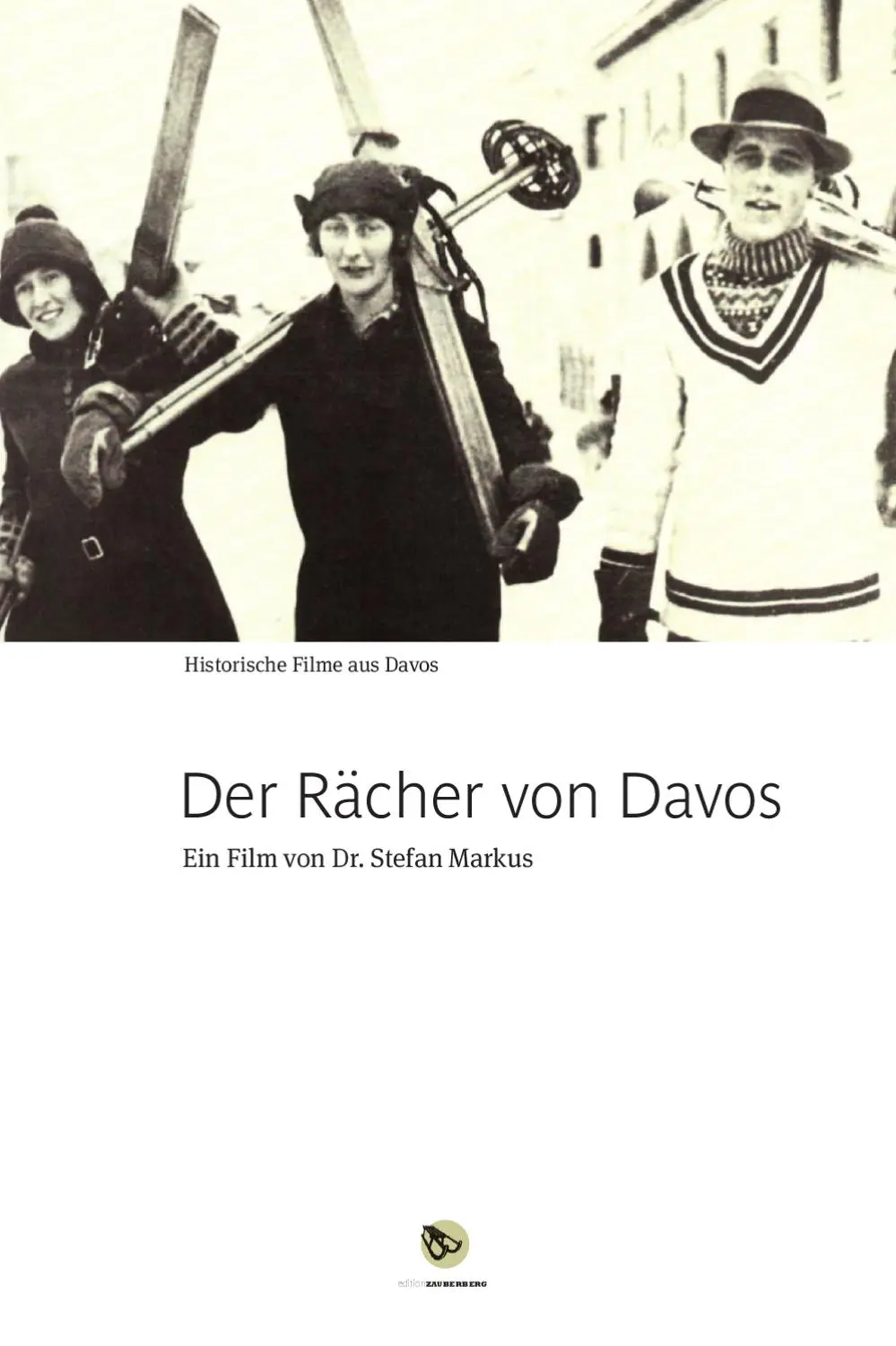
A definitive 6.2/10 rating for a film that redefined the boundaries of cult cinema. Der Rächer von Davos remains a cornerstone of transgressive art.
The silent era of cinema frequently sought solace and spectacle in the geographical extremes of Europe, and few locations offered as much atmospheric weight as the Swiss Alps. In Der Rächer von Davos, directors and writers Heinrich Brandt and Stefan Markus utilize the jagged peaks and sanitarium-chic of Davos not merely as a postcard setting, but as a silent witness to a drama of profound moral erosion. This film, a striking example of the 1920s crime genre, navigates the treacherous intersection of old-world nobility and new-world industrial wealth with a cynical eye that feels surprisingly modern.
At the heart of this icy machination is the Count of Milesco, portrayed with a chilling, serpentine grace by Eric Barclay. Milesco is the quintessential predator of the Belle Époque's twilight—a man who understands that in the corridors of power, a well-tailored suit and a dubious title are more effective than a skeleton key. His target, Marie Zente (Elena Lunda), represents the burgeoning class of industrial heiresses who, despite their father's immense financial fortifications, remain psychologically unguarded against the charms of a continental rogue. Lunda’s performance is a delicate study in burgeoning autonomy clashing with traditional romantic expectations, a theme we often see explored in contemporary works like Polly Ann, albeit with a significantly darker resolution here.
The dynamic between Milesco and Fred Zente, the industrialist, provides the film’s structural backbone. Zente is the architect of steel and progress, yet he is powerless against the intangible threat of a reputation-killer like Milesco. This tension between the physical power of industry and the ephemeral power of social standing is a recurring motif that elevates the film above a simple 'crook' story. It mirrors the psychological complexity found in Mortmain, where the past and one's identity become the ultimate bargaining chips.
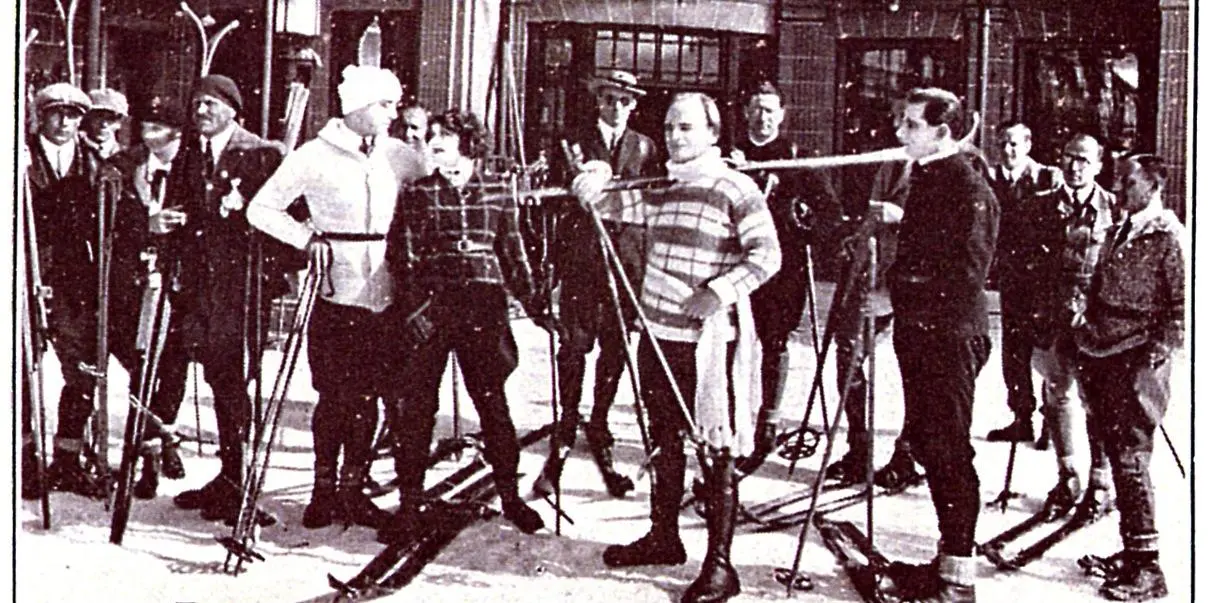
Visually, Der Rächer von Davos is a triumph of location-based storytelling. The cinematography captures the duality of the Swiss landscape—the blinding, pristine snow reflecting the supposed purity of the upper classes, and the long, sharp shadows cast by the mountains at dusk, mirroring Milesco’s hidden intentions. The film’s use of light is far more sophisticated than many of its contemporaries, avoiding the flat lighting of early studio productions for something more evocative and textured. This aesthetic choice reminds one of the atmospheric depth in Through the Dark, where the environment is inextricably linked to the protagonist's moral journey.
The editing, handled with a rhythmic precision by the Brandt-Markus team, emphasizes the isolation of the characters. Even in crowded ballroom scenes, Marie Zente appears framed by doorways or windows, a bird in a gilded, high-altitude cage. The pacing is deliberate, allowing the dread to accumulate like snowfall. It lacks the frantic energy of a film like Racing Hearts, opting instead for a slow-burn psychological pressure that makes the eventual confrontation feel inevitable rather than contrived.
Elena Lunda’s Marie is not merely a passive victim. Throughout the film, we see flashes of a woman attempting to navigate a world where her value is dictated by her father’s ledger and her suitor’s ambition. Her interactions with the supporting cast, including the likes of Hans Peter Peterhans and Walter Félix, reveal a social landscape that is as treacherous as a crevasse-filled glacier. The film subtly critiques the commodification of women in high society, a theme that resonates with the social commentary found in Sauce for the Goose, though Der Rächer von Davos strips away the comedic veneer to reveal a more skeletal, harsh reality.
The supporting performances by Marquisette Bosky and Angelo Ferrari add layers of texture to the Davos social scene. They represent the 'chorus' of the elite—those who watch, whisper, and inadvertently facilitate Milesco’s infiltration. Their collective presence creates a sense of suffocating surveillance, where every gesture Marie makes is scrutinized and every move Milesco makes is admired as the height of sophistication. This creates a fascinating parallel with the hypnotic, almost trance-like social manipulation seen in Ipnosi.
When comparing Der Rächer von Davos to other films of the era, its unique blend of 'Heimatfilm' aesthetics and crime thriller tropes becomes evident. Unlike the rugged, frontier justice of Keith of the Border or the raw, dusty survivalism of The Arizona Cat Claw, Brandt’s film deals in the currency of refinement. The violence is often psychological, and the 'revenge' mentioned in the title is a cold, calculated dish served amidst fine china and silk tapestries. It shares a certain thematic DNA with The Crimson Gardenia, where the floral and the beautiful are used to mask the rot of criminal intent.
Furthermore, the film’s exploration of guilt and the possibility of redemption—or the lack thereof—places it in conversation with Not Guilty. However, where Not Guilty might lean into the legalistic or moralistic, Der Rächer von Davos remains firmly rooted in the visceral experience of the hunt. Milesco is a predator who doesn't believe in the concept of guilt, only in the failure of the stratagem. This lack of a moral compass makes him a far more terrifying antagonist than the standard silent film villain who twirls his mustache in the shadows.
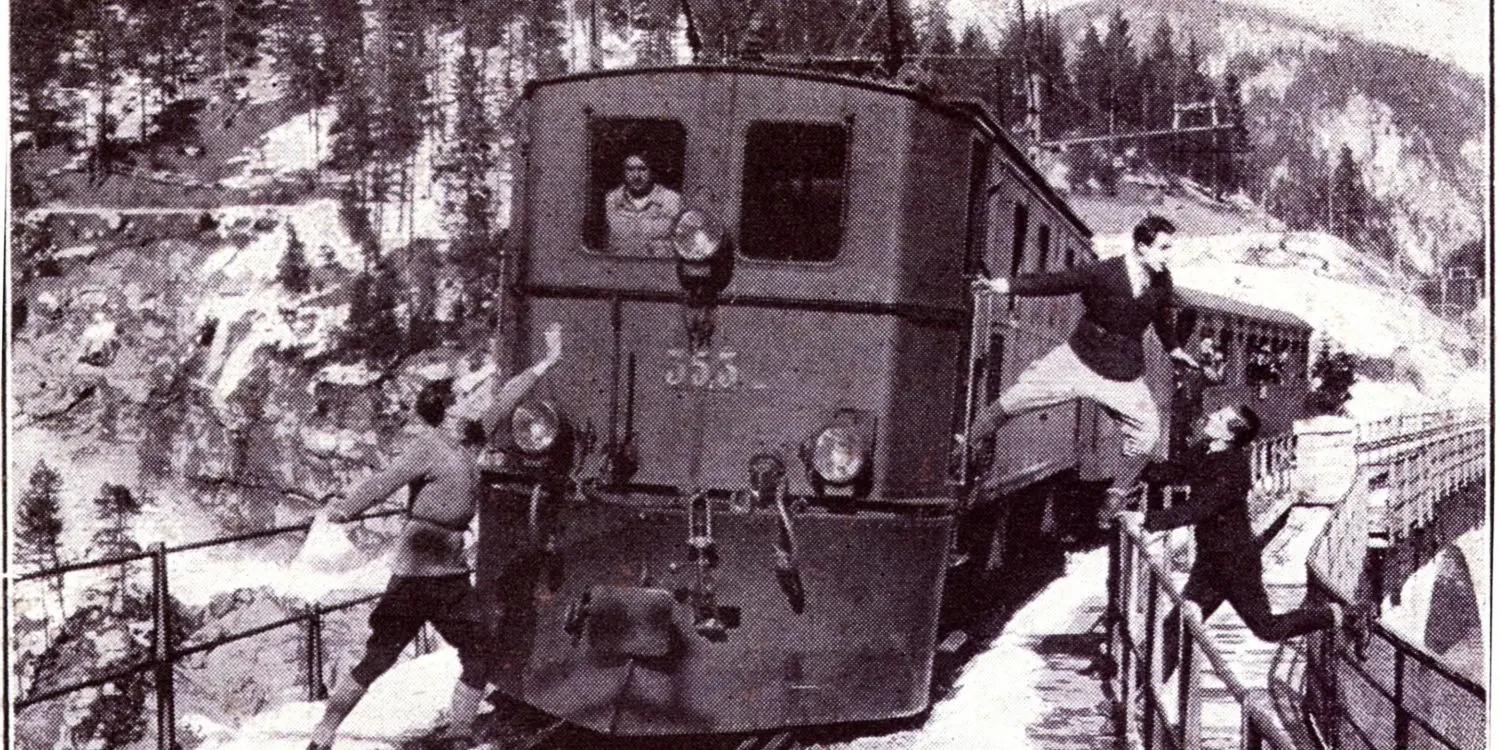
Heinrich Brandt’s direction is characterized by a remarkable restraint. He allows the camera to linger on the vastness of the Swiss landscape, making the human figures appear inconsequential. This sense of scale is reminiscent of the documentary-style awe found in Wonders of the Sea, though here the 'monsters' are human and the 'depths' are those of the soul. The interior sets are equally well-realized, dripping with the heavy, dark wood and plush fabrics of the era, providing a tactile contrast to the ethereal snow outside.
The writing by Brandt and Markus avoids the pitfalls of overly convoluted plotting, focusing instead on the tightening of the noose around Marie. Every scene serves to further isolate her or to further entrench Milesco within the Zente family’s trust. This narrative economy is a hallmark of great silent cinema, where the image must do the heavy lifting of the dialogue. It’s a stark contrast to the more whimsical or surrealist leanings of films like Seein' Things, favoring a grim, grounded realism that bites like the mountain air.
In the pantheon of 1920s European cinema, Der Rächer von Davos stands as a poignant reminder of the era's preoccupation with class fluidity and the fragility of wealth. It captures a moment in time when the old world was being dismantled by the new, yet the same ancient vices—greed, lust, and the desire for power—remained constant. The film’s conclusion, which I will not spoil, resonates with a haunting finality that leaves the viewer questioning the true cost of 'revenge.'
Comparing it to Outcast, one sees a similar fascination with those on the fringes of 'respectable' society, but Der Rächer von Davos offers a more polished, perhaps more cynical, take on the outsider. Milesco doesn't want to be accepted; he wants to own. Similarly, while Girl of the Sea or Love and Hate might trade in more overt emotionalism, Brandt’s work is a masterclass in emotional refrigeration. It is a film that demands to be watched with the same sharp, cold focus that its antagonist applies to his victims. For any student of the silent era or the development of the thriller genre, this Davos-set intrigue is an essential, albeit chilling, chapter in cinematic history.

IMDb —
1920
Community
Log in to comment.