Is "Der schwarze Pierrot" a silent film worth seeking out in the modern era? Short answer: yes, for specific audiences, but with significant caveats that demand a particular appreciation for historical cinema. This is not a casual watch; it's an archaeological dig into the foundations of storytelling, a glimpse at a world before synchronized sound dictated rhythm and pace.
This film is undeniably for cinephiles, historians, and those with a deep curiosity about the origins of narrative film, especially German Expressionism’s precursory whispers. It is absolutely not for viewers seeking fast-paced action, clear-cut resolutions, or the immediate gratification of contemporary blockbusters. Its rewards are subtle, requiring patience and an active imagination.
The Direct Answer: Works, Fails, and Who It's For
Let’s cut straight to it. Navigating the landscape of silent cinema, particularly one as elusive as "Der schwarze Pierrot," requires a clear understanding of its inherent strengths and challenges.
This film works because: It offers a rare, unfiltered window into the thematic and stylistic preoccupations of early 20th-century German cinema, showcasing the powerful, often exaggerated, emotional language required before the advent of sound.
This film fails because: Its historical context and the inherent limitations of the silent era (pacing, reliance on intertitles, lack of widespread restoration) can make it inaccessible or slow for modern audiences not accustomed to its rhythm.
You should watch it if: You are a dedicated student of film history, fascinated by the evolution of acting and visual storytelling, or possess a genuine desire to experience the raw, foundational power of silent dramatic performance.
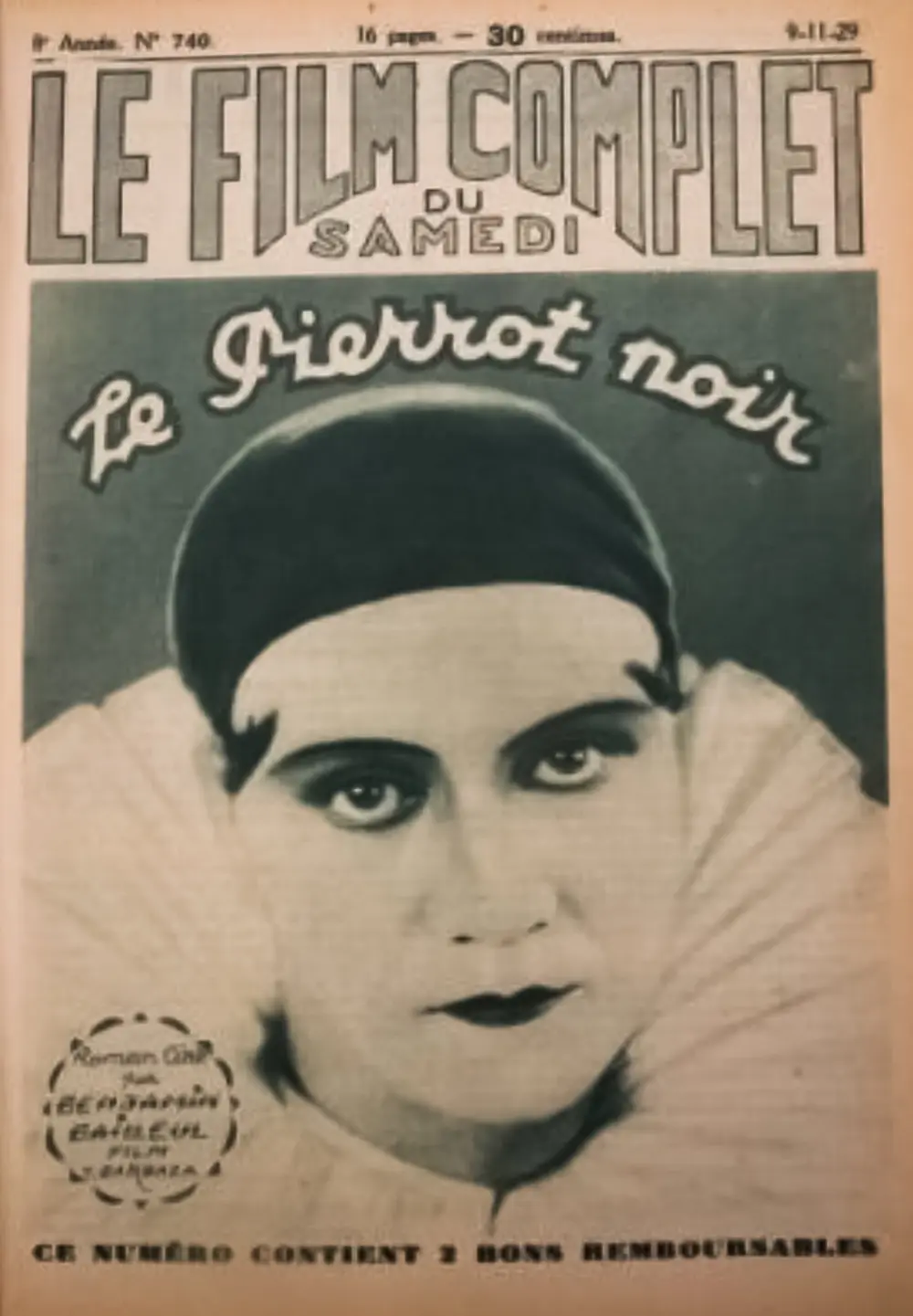
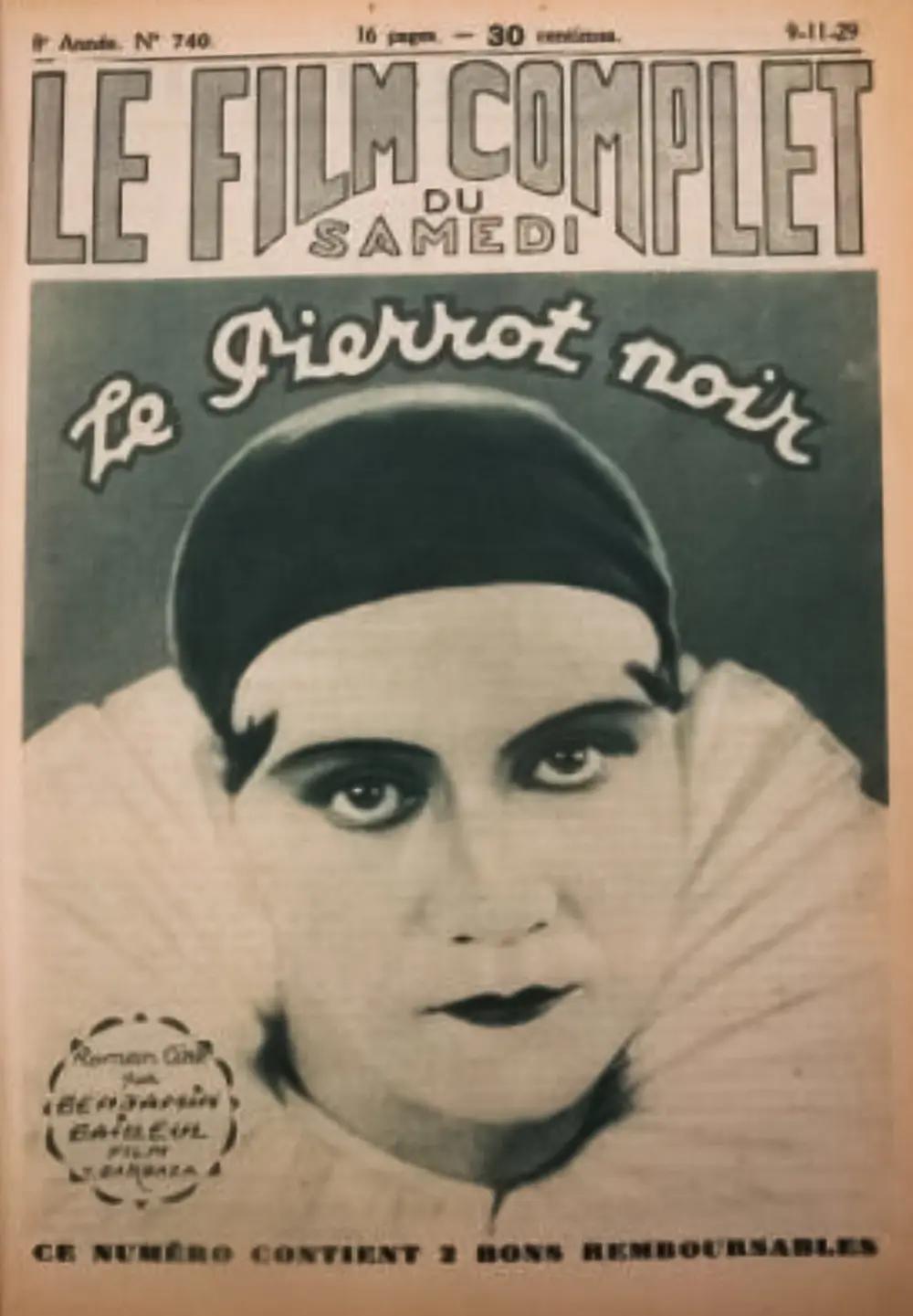
Scene from Der schwarze Pierrot
Cinematic perspective: Exploring the visual vocabulary of Der schwarze Pierrot (1926) through its definitive frames.
Unmasking the Enigma: The Black Pierrot Archetype
The title itself, "Der schwarze Pierrot" (The Black Pierrot), speaks volumes, even in the absence of a detailed plot synopsis. The figure of Pierrot, originating from the Commedia dell'arte, is a timeless symbol. He is the lovelorn, melancholic clown, often betrayed, always yearning. To prefix him with "black" immediately injects a darker, more tragic, perhaps even sinister, connotation. This isn't just a sad clown; this is a figure burdened by shadow, by fate, or by a hidden, potentially destructive, aspect of his being.
In early 20th-century art, particularly in Germany, the Pierrot figure was undergoing a reinterpretation. He moved beyond simple buffoonery to embody existential angst, the artist's struggle, and the inherent theatricality of human existence. "Der schwarze Pierrot" almost certainly leverages this rich symbolic tapestry, presenting a character, or perhaps a central theme, that grapples with duality, disguise, and the profound sorrow that often accompanies a life lived behind a mask.
One can imagine the film's narrative exploring the consequences of such a persona. Is the Pierrot literally a performer, or is it a metaphor for a character playing a role in society, hiding a devastating secret or a forbidden love? The power of silent cinema lies in its ability to externalize internal turmoil through exaggerated gesture and expression, and the Pierrot figure is perfectly suited for this.
The film, therefore, isn't just a story; it's an exploration of an enduring cultural icon, filtered through the dramatic sensibilities of its era. It asks us to consider what lies beneath the surface, what truths are too painful to speak aloud, and how the human spirit endures (or breaks) under the weight of its own performance.
A Glimpse into Early German Cinematic Craft
To appreciate "Der schwarze Pierrot," one must understand the unique artistic environment in which it was born. German cinema of the 1910s and early 1920s was a crucible of innovation, laying the groundwork for the Expressionist movement that would soon sweep through the nation's film industry. Directors were experimenting with light, shadow, and set design in ways that were revolutionary, moving beyond mere documentation to evoke mood and psychological states.
The direction by Harry Piel, known for his action and adventure films, here likely takes a dramatic turn, or perhaps infuses the drama with a certain kinetic energy. Piel’s experience with suspense and physicality would lend itself well to the visual storytelling demands of a silent drama, particularly one centered on a mysterious figure. One can surmise that his direction would have focused on dynamic compositions and careful staging to convey tension and emotion without dialogue.
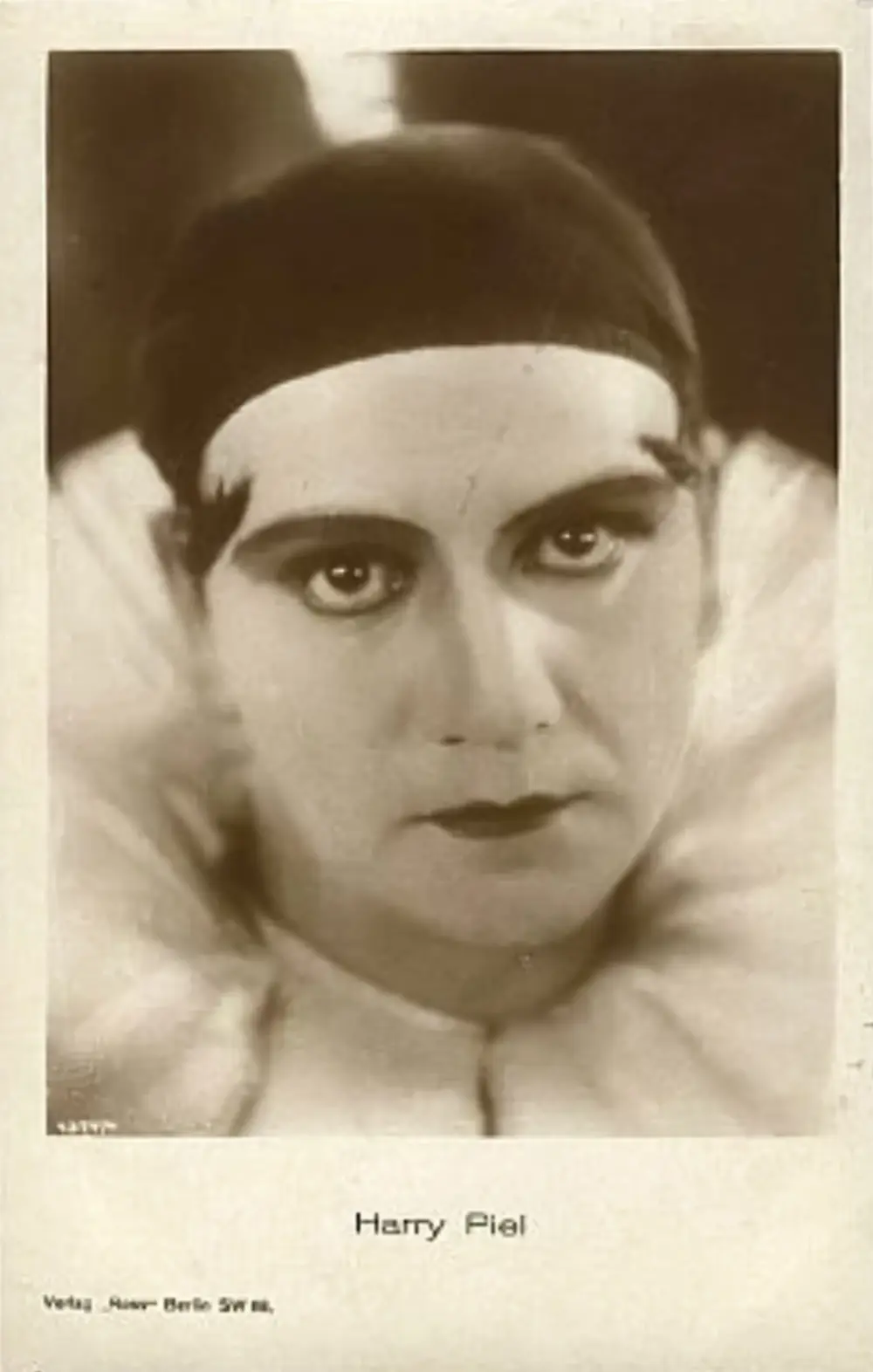
Scene from Der schwarze Pierrot
Cinematic perspective: Exploring the visual vocabulary of Der schwarze Pierrot (1926) through its definitive frames.
Cinematography in this era was still evolving, but the use of stark contrasts, deep shadows, and carefully composed frames would have been paramount. Imagine the visual impact of the Black Pierrot emerging from the darkness, his painted face a stark, almost haunting, beacon against a somber backdrop. This kind of visual poetry was the language of silent film, and German filmmakers were particularly adept at it.
The pacing, by modern standards, would undoubtedly feel deliberate. Silent films often relied on longer takes and slower cutting to allow audiences to absorb the visual information and the exaggerated expressions of the actors. This isn't a flaw; it's a feature, inviting a more contemplative viewing experience. It demands that the viewer lean in, interpret, and actively engage with the narrative unfolding on screen.
The Ensemble: Faces of an Era
The cast of "Der schwarze Pierrot" features names that, while perhaps unfamiliar to casual contemporary viewers, were stalwarts of early German cinema. Boris Michailow, Albert Paulig, Harry Piel (who also co-wrote and likely directed), Heinrich Peer, Jenny Marba, Dary Holm, Charly Berger, Fritz Greiner, and Ilona Karolewna represent a collective of performers who honed their craft in an era where the body and face were the primary instruments of expression.
Silent film acting is often misunderstood as merely 'over-the-top.' While certainly more theatrical than naturalistic contemporary performances, it was a highly nuanced art form. Actors had to convey complex emotions, character motivations, and narrative beats through pantomime, facial contortions, and grand gestures that transcended the absence of spoken dialogue.
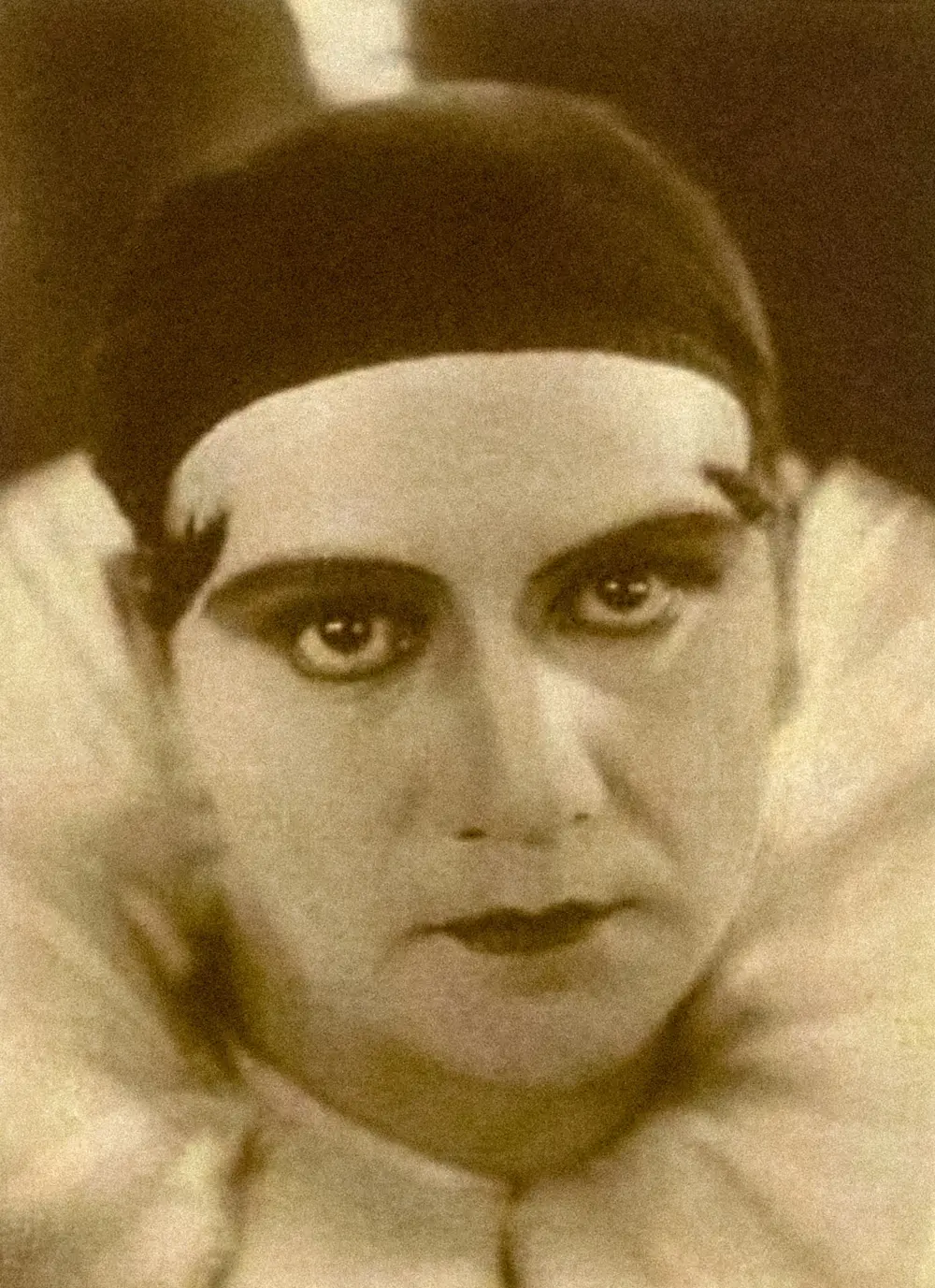
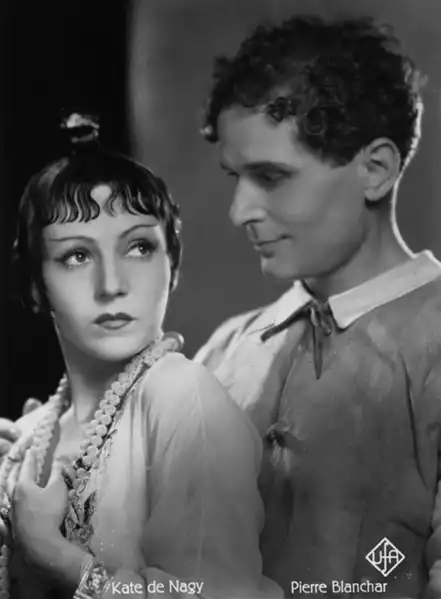
Consider the challenge: to portray the tragic yearning of a Pierrot figure without a single spoken word. This would require an actor of immense physical control and emotional transparency. Jenny Marba and Dary Holm, as leading ladies of the era, would have brought a delicate balance of vulnerability and strength to their roles, embodying the archetypal damsel or femme fatale with silent grace. Harry Piel himself, often a charismatic screen presence, would have brought a certain magnetism, whether in front of or behind the camera.
The chemistry between these performers, conveyed through knowing glances, desperate embraces, or subtle shifts in posture, would have been the bedrock of the film's emotional impact. Watching their performances today is like observing a master class in the lost art of physical storytelling, a testament to their skill in captivating audiences without the aid of sound.
Scene from Der schwarze Pierrot
Cinematic perspective: Exploring the visual vocabulary of Der schwarze Pierrot (1926) through its definitive frames.
Is This Film Worth Watching? A Deeper Dive
Absolutely. But the 'worth' here is defined by historical significance and artistic curiosity, not mainstream entertainment value. If you approach "Der schwarze Pierrot" as a historical document, a piece of living art from a bygone era, its value becomes immeasurable. It's a chance to witness the genesis of cinematic language, to see how filmmakers wrestled with the challenges of a new medium.
One unconventional observation is how much silent cinema, particularly a film like this, demands *more* from the viewer. It's not passive consumption. You are actively participating in the storytelling, filling in the gaps, interpreting the emotions, and allowing the visual rhythm to wash over you. This active engagement can be profoundly rewarding, fostering a deeper connection to the film than many modern blockbusters allow.
However, for those accustomed to the rapid-fire editing and explicit narratives of modern cinema, the experience can be trying. The film's reliance on intertitles to convey dialogue and plot points, while necessary, breaks the visual flow. The pacing, designed for an audience with different viewing habits, can feel excruciatingly slow. It works. But it’s flawed.
Furthermore, the availability and quality of silent films can vary wildly. A poorly restored print, or one lacking a compelling musical accompaniment, can severely diminish the experience. The true magic of silent cinema often lies in the quality of its restoration and the live or recorded score that breathes new life into its images. Without these, even a compelling narrative can fall flat.
Thematic Resonance and Legacy
The themes hinted at by "Der schwarze Pierrot" — identity, performance, fate, and tragic love — are universal and timeless. These are the narratives that cinema has explored since its inception, and seeing their early articulation is fascinating. The film likely serves as a precursor to the psychological dramas and Expressionist masterpieces that would define German cinema in the years to come, such as The Love Burglar or even more famously, The Cabinet of Dr. Caligari.
It's a reminder that even in its infancy, cinema was capable of plumbing the depths of the human condition. The film's legacy, even if its exact plot is elusive, lies in its contribution to the evolving grammar of film, demonstrating how powerful visual metaphor and physical acting could be in conveying complex emotional landscapes.
My strong opinion is that ignoring films like "Der schwarze Pierrot" is akin to ignoring the foundational texts of literature. You might not enjoy every page, but understanding where the art form began is crucial for truly appreciating where it is today. It challenges our contemporary notions of what makes a film 'good' or 'engaging,' forcing a re-evaluation of cinematic values.
Pros and Cons of Watching "Der schwarze Pierrot"
Pros:
Historical Insight: Offers invaluable insight into early 20th-century German filmmaking techniques and narrative conventions.
Masterclass in Silent Acting: Showcases the incredible skill of silent era performers in conveying complex emotions purely through physical expression.
Thematic Depth: Explores timeless themes of identity, disguise, and tragedy through a compelling, symbolic archetype.
Visual Storytelling: A testament to the power of cinematography and mise-en-scène to build mood and advance plot without dialogue.
Unique Experience: A truly different viewing experience that encourages active audience engagement and historical appreciation.
Cons:
Pacing Challenges: The deliberate pace and reliance on intertitles can be a hurdle for modern viewers.
Accessibility: Finding a high-quality, restored print with a suitable musical score can be difficult.
Exaggerated Acting: While skilled, the theatricality of silent acting may not resonate with all contemporary tastes.
Lack of Immediate Gratification: Requires patience and an appreciation for nuanced, slow-burn storytelling.
Key Takeaways
Best for: Film historians, silent cinema enthusiasts, and those curious about the roots of German dramatic filmmaking.
Not for: Viewers seeking modern pacing, explicit narratives, or purely escapist entertainment.
Standout element: The evocative power of the "Black Pierrot" archetype and the expressive silent performances.
Biggest flaw: Its inherent inaccessibility and slow pacing for audiences unfamiliar with the silent film idiom.
Verdict
"Der schwarze Pierrot" is more than just a film; it is a cultural artifact, a whisper from a foundational period of cinematic art. Its value lies not in its ability to compete with today's blockbusters, but in its capacity to transport us to an era where visual poetry and the raw power of human expression were paramount. It demands effort, patience, and a willingness to engage with a different kind of storytelling. For those prepared to meet it on its own terms, the rewards are substantial: a deeper understanding of cinema's lineage, a connection to a lost art form, and the enduring power of a tragic, enigmatic figure. It's a challenging watch, certainly, but a profoundly enriching one for the dedicated film lover. Seek it out, but prepare yourself for a journey, not just a viewing.