DbcultAccessing Vault...
Cult Review
Senior Film Conservator
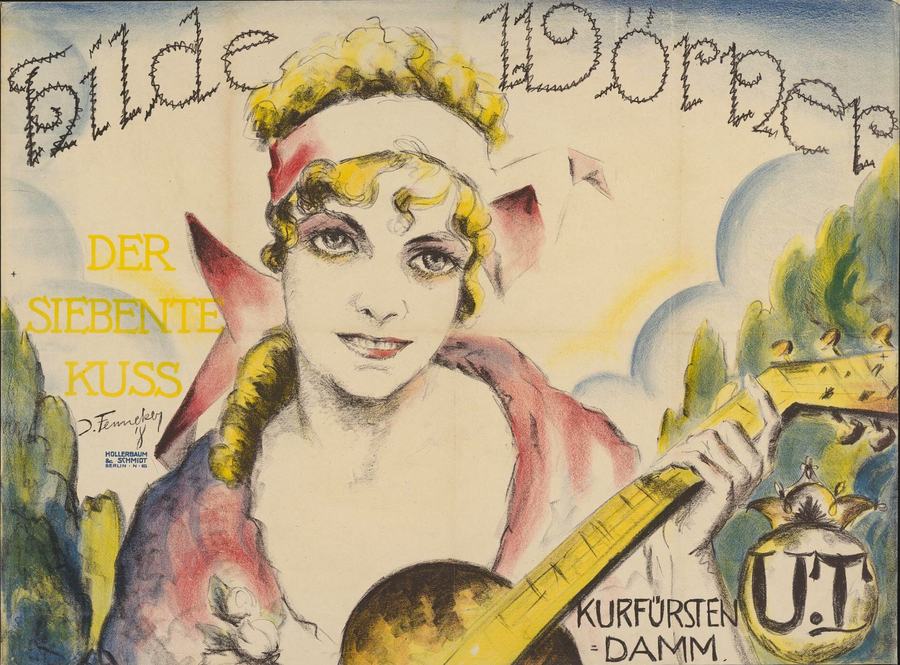
In the annals of silent cinema, where flickering shadows often spoke volumes more than any uttered word, there exists a curious, often overlooked gem: Marie Luise Droop’s Der siebente Kuß. This cinematic endeavor, a testament to the dramatic potency of early filmmaking, unfurls a narrative that is at once deeply personal and broadly allegorical. It is not merely a story of romance, but a profound meditation on destiny, self-discovery, and the elusive nature of true connection, all filtered through the lens of a prophecy that dictates a young woman's fate hinges upon a series of significant encounters.
The film introduces us to Marie, portrayed with a captivating blend of fragility and nascent strength by Hilde Woerner. Woerner's performance is a masterclass in silent film acting, her expressive eyes and subtle gestures conveying a spectrum of emotions that range from naive hope to profound disillusionment. Marie is burdened, or perhaps blessed, by a mysterious premonition – a prophecy that foretells her ultimate happiness, or perhaps a hidden inheritance, will only be unlocked by 'the seventh kiss'. This isn't the stuff of frivolous romantic comedy; rather, it’s a narrative device that propels Marie through a series of relationships, each a crucible designed to test her perception of love, worth, and authenticity. It’s a concept that, while seemingly straightforward, allows for immense emotional complexity, reminiscent in its thematic ambition to the grand journeys of self-realization found in works like The Daughters of Men, where societal expectations and personal desires clash with dramatic ferocity.
Marie’s journey is punctuated by a succession of suitors, each embodying a different facet of societal aspiration or personal failing. The first six kisses are, in essence, trials by fire. Bruno Eichgrün, with his characteristic gravitas, likely portrays a figure of considerable worldly influence, perhaps a wealthy industrialist whose affections are intertwined with promises of security and status. His kiss, while outwardly appealing, might conceal a calculating heart, a pragmatic arrangement rather than a passionate union. Eichgrün’s ability to project both charm and an underlying sternness would have made him an ideal choice for such a role, creating a compelling tension between what is offered and what is truly felt. This portrayal, in its exploration of material temptation versus genuine affection, subtly echoes the class dynamics and romantic choices often seen in films like The Clodhopper, where social standing often dictates the course of burgeoning relationships.
Then there is Charles Willy Kayser, whose screen presence often lent itself to characters of a more volatile or flamboyant nature. He might embody the artistic temperament, a charismatic but ultimately unreliable poet or musician, whose kiss is filled with fleeting passion and grand gestures, but lacks true depth or commitment. Kayser’s energetic performance would have provided a stark contrast to Eichgrün’s measured demeanor, showcasing the varied pitfalls of romantic entanglement. These early encounters are crucial, not for their romantic fulfillment, but for their educational value. Each kiss, each fleeting embrace, serves to peel back layers of Marie’s innocence, sharpening her discernment and deepening her understanding of what she truly seeks in a partner, and more importantly, in herself. It’s a narrative structure that allows for continuous character development, preventing Marie from becoming a passive recipient of fate.
Vilma von Mayburg’s role, while perhaps not directly involved in the 'kiss' prophecy, would undoubtedly add a crucial layer to the narrative. She could be a rival, a cynical socialite, or a wise, albeit world-weary, confidante. Her interactions with Marie would serve to highlight the protagonist’s evolving perspective, offering either a foil to Marie’s idealism or a mirror to her growing understanding of the world. The dynamics between women in silent films often provided some of the most nuanced dramatic tension, and Droop, as the writer, would have been keenly aware of this potential, using Mayburg’s character to enrich the social fabric of Marie’s journey.
Amidst this array of potential romantic missteps, Richard Kirsch emerges as the quiet anchor of the film. Kirsch, known for his ability to convey sincerity and inner fortitude, is perfectly cast as the potential true love. His character’s affection for Marie is likely not proclaimed with grand speeches or ostentatious displays, but rather conveyed through subtle acts of kindness, unwavering loyalty, and a deep, empathetic understanding. His presence throughout Marie’s trials, perhaps as a steadfast friend or a humble admirer, builds a foundation of genuine connection that stands in stark contrast to the superficiality of the preceding suitors. The build-up to the seventh kiss, therefore, is not merely a revelation of who the 'chosen' one is, but a culmination of Marie’s own growth and her capacity to recognize authentic love when it finally presents itself. It’s a powerful narrative arc that prioritizes inner wisdom over external allure, a theme that resonates profoundly even today. One might draw parallels to the steadfast, understated heroism found in characters from Cy Whittaker's Ward, where true devotion often blossoms from quiet observation and consistent support, rather than dramatic pronouncements.
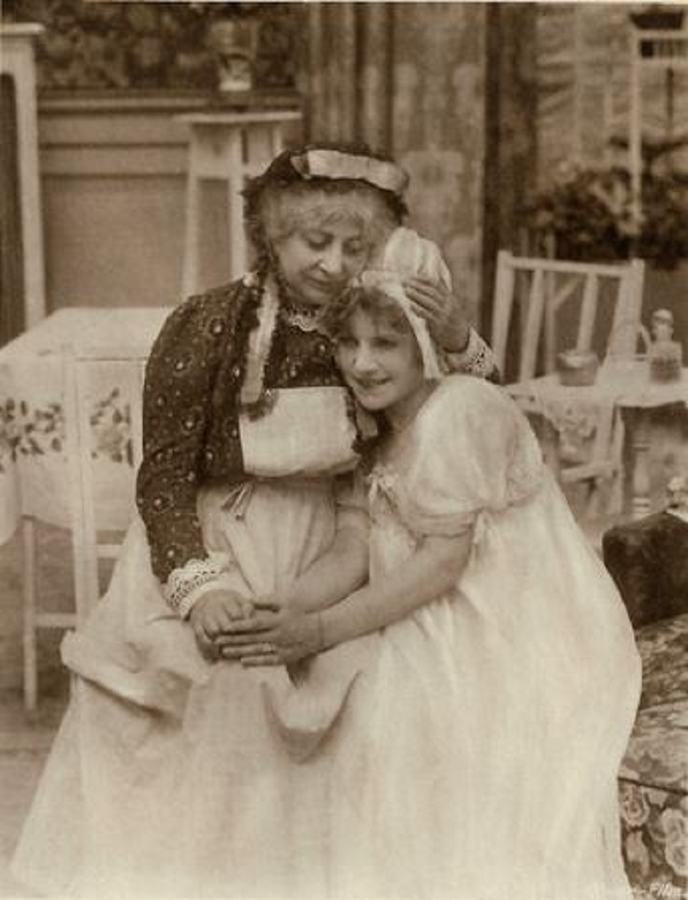
Marie Luise Droop’s screenplay for Der siebente Kuß is a testament to her narrative prowess, weaving a tale that feels both timeless and deeply rooted in its era. The concept of a predestined love, unlocked by a specific number of encounters, taps into ancient mythological structures while grounding them in a relatable human drama. Droop’s writing avoids simplistic morality, instead presenting a nuanced exploration of human desires and their consequences. The pacing of the film, typical of the silent era, would have allowed for lingering close-ups and extended sequences of emotional introspection, giving the actors ample opportunity to convey their characters' inner turmoil and evolving understanding without the aid of dialogue. The narrative’s careful construction ensures that each 'failed' kiss is not a setback, but a necessary step in Marie’s arduous journey towards self-realization, transforming the prophecy from a mystical decree into a path of personal enlightenment.
The visual storytelling, a hallmark of silent cinema, would have been paramount in conveying the story's depth. One can imagine the use of evocative lighting to differentiate the mood of each romantic encounter – perhaps harsh, revealing light for the superficial, and soft, ethereal glow for the genuine. The set designs, too, would have played a crucial role, from opulent ballrooms symbolizing societal pressures to intimate, dimly lit spaces where true emotions are laid bare. This meticulous attention to visual detail, guided by Droop's script, would have elevated the film beyond mere melodrama into a sophisticated piece of art, much like the rich visual narratives found in films such as The Flight of the Duchess, where every frame is imbued with symbolic meaning.
The climax of Der siebente Kuß is not simply the resolution of a romantic dilemma, but a profound moment of self-actualization. When Marie finally receives the seventh kiss, presumably from Richard Kirsch's character, it is not just a physical act, but a spiritual and emotional awakening. This kiss signifies her newfound clarity, her ability to distinguish genuine affection from its many counterfeits. It marks the moment she truly understands the prophecy, not as a rigid dictate of fate, but as a guiding principle that led her to discover her own values and desires. The film, therefore, transcends a simple love story, evolving into a coming-of-age narrative where the protagonist's journey through external relationships ultimately leads to a deeper understanding of her inner self.
The emotional impact of this final scene would have been amplified by the subtle performances of Woerner and Kirsch, their silent expressions conveying a universe of shared understanding and profound connection. The camera, lingering on their faces, would capture the culmination of Marie's arduous journey, a journey that saw her navigate the treacherous waters of societal expectation and personal yearning. This powerful resolution, where love and destiny converge, makes Der siebente Kuß a compelling study in human resilience and the enduring power of authentic connection, echoing the profound emotional resonance found in works like The Heart of Humanity, which also explored the depths of human feeling against a backdrop of grand drama.
While Der siebente Kuß may not possess the widespread recognition of some of its silent film contemporaries, its thematic richness and the nuanced performances of its cast firmly establish its place as a significant contribution to early cinema. Marie Luise Droop’s intelligent screenplay, coupled with the evocative acting of Hilde Woerner, Richard Kirsch, Bruno Eichgrün, Charles Willy Kayser, and Vilma von Mayburg, crafts a narrative that remains poignant and relevant. It reminds us that the quest for true happiness often involves navigating a series of false starts and learning to trust our inner compass. The film's exploration of fate versus free will, and the idea that true love is not merely found but earned through self-knowledge, provides ample fodder for contemporary reflection. Its quiet power lies in its ability to communicate complex emotional landscapes without a single spoken word, relying instead on the universal language of human expression and the compelling artistry of its creators.
In an era where cinematic storytelling was still in its infancy, Der siebente Kuß stands as a testament to the sophistication and ambition of early filmmakers. It’s a film that deserves to be rediscovered, studied, and appreciated for its artistic merit and its enduring message. The intricate dance of love, fate, and self-discovery presented within its frames offers a powerful experience that transcends the limitations of its silent format, speaking directly to the human heart across the chasm of time. Much like the subtle yet profound narrative of When You and I Were Young, this film captures the essence of human connection and the journey to find one's true place in the world, making it a compelling piece of cinematic history worthy of renewed attention.

IMDb —
1919
Community
Log in to comment.