DbcultAccessing Vault...
6.8/10
Senior Film Conservator
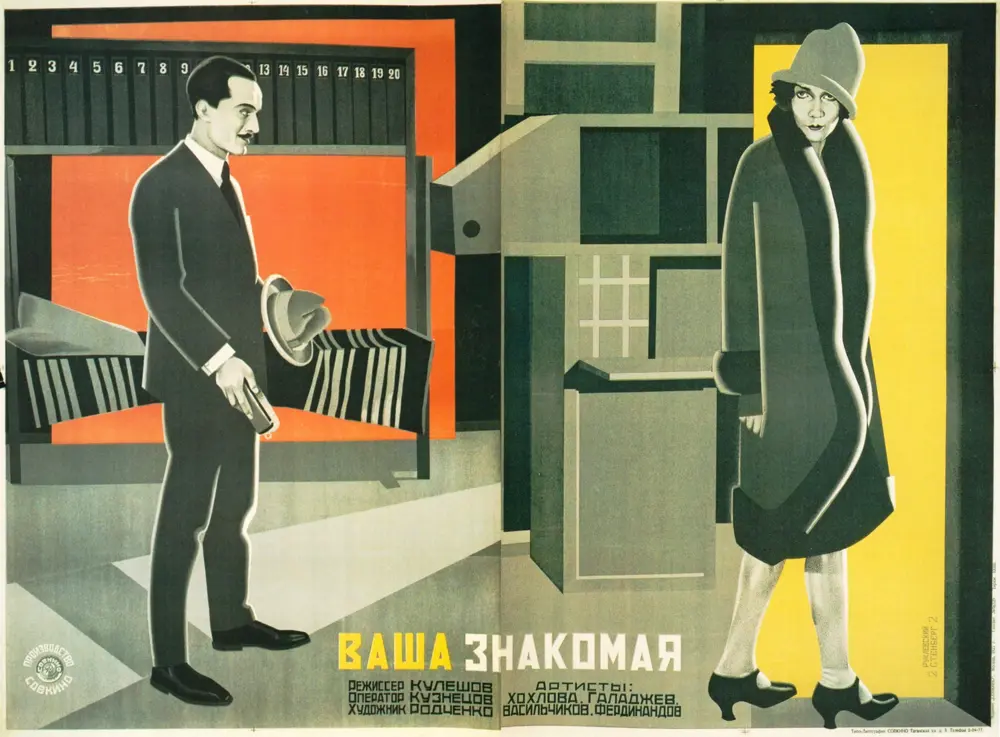
A definitive 6.8/10 rating for a film that redefined the boundaries of cult cinema. Vasha znakomaya remains a cornerstone of transgressive art.
Is Vasha znakomaya worth watching today? The short answer is yes, but with significant caveats. This early Soviet film is not a casual viewing experience, but for those with a keen interest in cinematic history, the evolution of storytelling, and the formidable presence of actors like Aleksandra Khokhlova, it offers a profoundly rewarding, if demanding, journey.
This film is unequivocally for silent film enthusiasts, film historians, and scholars of early Soviet culture who appreciate challenging narratives and experimental forms. It is decidedly NOT for viewers accustomed to contemporary pacing, clear-cut plots, or those seeking light entertainment. Its deliberate rhythm and reliance on visual storytelling over explicit dialogue demand a different kind of engagement.
Early in its runtime, a few things become clear:
Vasha znakomaya stands as a fascinating, if often overlooked, piece of early Soviet cinema. Emerging from a period of intense artistic experimentation and social upheaval, the film eschews the grand revolutionary narratives often associated with its contemporaries. Instead, it offers a more intimate, psychological portrait of an individual navigating a world grappling with new ideologies and old human complexities.
The film’s very existence, let alone its artistic choices, provides a vital historical document. It reminds us that Soviet cinema was not a monolithic entity, even in its nascent stages. There was room for subtlety, for character studies that explored personal ambiguity rather than purely collective heroism.
One striking aspect is its engagement with the emerging urban landscape. The city itself, presumably Moscow, feels like a character, a backdrop of both opportunity and anonymity for Zina. Unlike the sweeping historical epics like The Apple-Tree Girl, which often focused on rural life or folklore, Vasha znakomaya embraces the modernity of the metropolis.
It’s a film that speaks volumes about the societal shifts of the time without uttering a single word. The unspoken tensions between classes, genders, and individual aspirations are all played out in subtle glances and carefully framed interactions. This is a cinema of suggestion, not declaration.
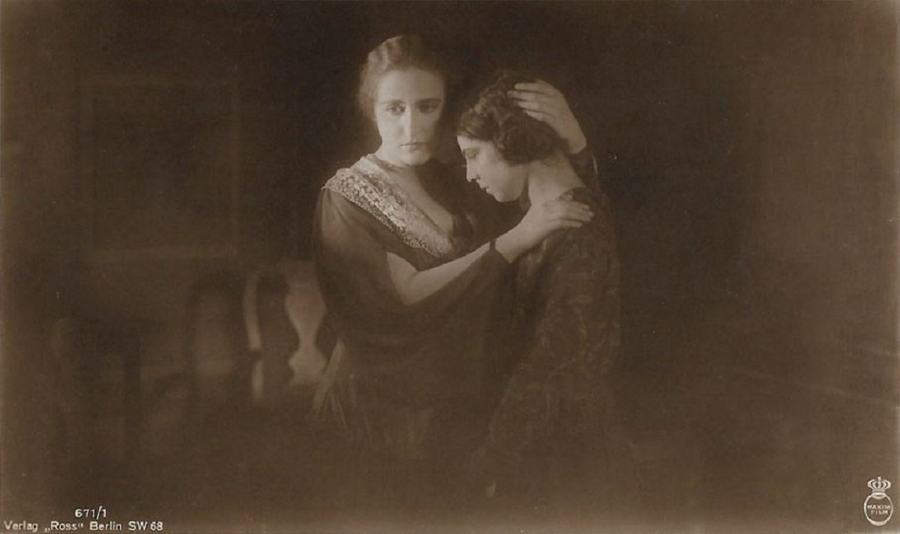
At the heart of Vasha znakomaya is Aleksandra Khokhlova, whose performance as Zina is nothing short of captivating. Khokhlova, a renowned figure in Soviet avant-garde cinema, brings a compelling blend of vulnerability and steely resolve to a character whose true nature remains tantalizingly out of reach.
Her portrayal is a masterclass in silent film acting. Zina is often seen observing rather than acting, her expressions shifting from playful amusement to a profound, almost melancholic detachment. Consider the scene where she effortlessly charms the naive student (Yuri Vasilchikov) in a bustling cafe. Khokhlova’s eyes, even through the grainy film, convey a complex mix of genuine connection and calculated manipulation, leaving the audience to question her sincerity.
Khokhlova avoids the theatrical over-exaggerations sometimes associated with the era. Instead, her performance is remarkably internalized, relying on subtle gestures and the nuanced play of light and shadow across her face. This lends Zina an air of mystery that modern audiences will appreciate, feeling less like an artifact and more like a fully realized, complex individual.
Her ability to convey so much with so little is a testament to her skill. She makes Zina an active participant in her own story, even when she appears passive. This is not a woman defined by the men around her, but rather one who subtly dictates the terms of engagement, a truly progressive character for the period.
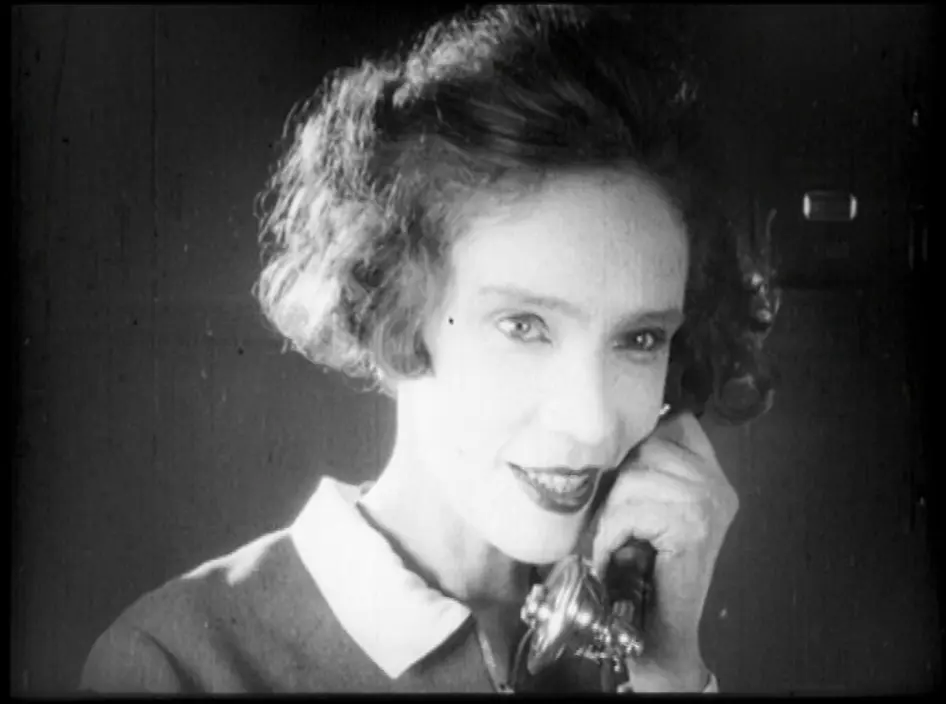
Aleksandr Kurs, the writer and director (and also appearing in the cast), demonstrates a clear, if sometimes challenging, directorial vision. His approach to Vasha znakomaya leans heavily into character study and atmospheric immersion, rather than plot-driven urgency. This results in a pacing that is undeniably slow by contemporary standards, but purposeful.
Kurs employs long takes and a deliberate rhythm, allowing the audience to truly dwell on Khokhlova’s performance and the intricate details of the production design. There's a particular sequence, for instance, where Zina walks alone through a snow-dusted park; the camera holds on her for an extended period, the stillness emphasizing her isolation and inner world. This kind of thoughtful framing is a hallmark of the film's artistic ambition.
However, this deliberate pacing is also the film's biggest hurdle for modern viewers. Those expecting the rapid-fire editing of today, or even the more dynamic montage techniques perfected by Eisenstein, will find themselves tested. It demands a recalibration of viewing habits, an acceptance of a different temporal flow.
Kurs's direction often utilizes contrasting elements – the warmth of an interior space against the harshness of the street, the fleeting joy of a social gathering against the quiet solitude of Zina’s private moments. This creates a rich textural experience, even if the narrative progression feels less direct than in films like Infatuation.
Many will dismiss this film as an artifact, but I contend its structural ambition outstrips many of its more celebrated contemporaries.
The visual language of Vasha znakomaya is strikingly effective, particularly given the technical limitations of its era. The black and white cinematography is not merely functional; it is an expressive tool, shaping the mood and deepening the character’s internal life. The use of stark contrasts and subtle gradations of grey adds layers of meaning to every frame.
Lighting plays a crucial role, often isolating Zina in pools of light or shrouding her in shadow, reflecting her elusive nature. There’s a memorable shot of Zina standing by a window, the light from outside casting dramatic shadows that seem to imprison her, even as she gazes outward. This visual metaphor speaks volumes about her constrained freedom.
The camera work, while not overtly flashy, is precise. Close-ups are used sparingly but powerfully, allowing the audience to truly connect with Khokhlova’s nuanced facial expressions. The wider shots, particularly those depicting the bustling city, offer a sense of scale and the impersonal forces at play in Zina’s world, much like the urban landscapes of Vanina.
While not as overtly experimental as some of the montage-heavy films of the later Soviet period, Vasha znakomaya demonstrates a sophisticated understanding of how visual elements can convey narrative and emotion without relying on intertitles for every plot point. It trusts its audience to interpret, to feel, and to piece together the unspoken.
Yes, Vasha znakomaya is worth watching today, especially for specific audiences. It’s an essential piece for understanding the diverse landscape of early Soviet cinema. It offers a unique character study. The performance by Aleksandra Khokhlova is a highlight. However, be prepared for its deliberate pace. It requires patience. It’s not a film for everyone.
Vasha znakomaya is not an easy film. It works. But it’s flawed. It’s a demanding, sometimes frustrating, but ultimately enriching cinematic experience that requires a particular mindset and a genuine appreciation for the history of film. It’s a quiet rebellion against the grand pronouncements of its time, choosing instead to whisper the complexities of the human heart in a changing world.
While it won't appeal to everyone, its historical significance, combined with Khokhlova’s magnetic performance and Kurs’s thoughtful direction, ensures its place as a compelling, if niche, watch. For those willing to invest the time and effort, Vasha znakomaya offers a unique and memorable encounter with a bygone era, proving that even the most obscure acquaintances can leave a lasting impression.
IMDb 7.1
1930
Community
Log in to comment.