DbcultAccessing Vault...
7.6/10
Senior Film Conservator
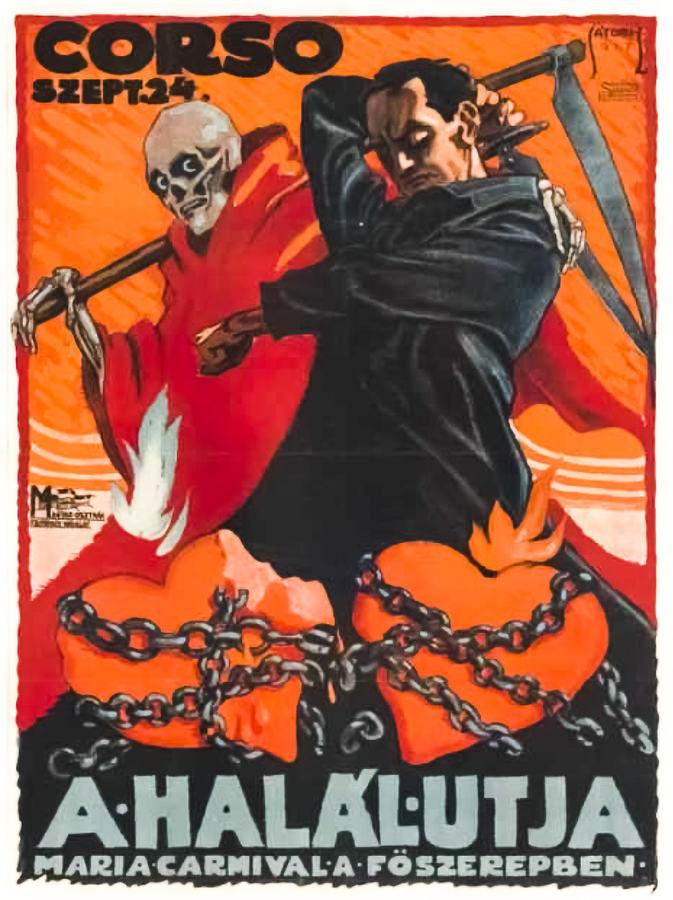
A definitive 7.6/10 rating for a film that redefined the boundaries of cult cinema. Der Weg des Todes remains a cornerstone of transgressive art.
In the flickering twilight of 1917, a year defined more by the cacophony of global conflict than the whispers of the silver screen, Robert Reinert unleashed a vision that would fundamentally alter the trajectory of the German cinematic lexicon. Der Weg des Todes (The Path of Death) is not merely a film; it is a subterranean excavation of the human soul, a precursor to the jagged angles of Expressionism that would soon dominate the Weimar Republic. While many contemporary features of the era, such as the more straightforward narratives of The Americano or the saccharine leanings of Little Sunset, sought to entertain through levity or simple moralizing, Reinert’s work dives headlong into the viscid depths of psychological terror.
The premise is deceptively elementary: a Count and Countess, portrayed with a hauntingly fragile grace by Carl de Vogt and Maria Carmi, abandon the sun-drenched pastoral life for the cold, unyielding stone of a castle. This transition is more than a change of scenery; it is a symbolic descent from the lightness of being into the weight of history. The castle, equipped with its own dungeon and a history of incarceration, serves as the central antagonist. It is a space where the walls do not merely have ears, but seemingly possess a malevolent will of their own. Unlike the sprawling adventure found in Michael Strogoff, the movement in Der Weg des Todes is inward, toward the center of a labyrinthine trap.
As the Count becomes pursued by a mysterious stranger—a role handled with chilling ambiguity—the film sheds its melodramatic skin to reveal a skeleton of pure dread. The stranger is not just a man; he is the personification of a past that refuses to remain buried. This thematic preoccupation with the 'return of the repressed' aligns the film more closely with the moral weight of Conscience than with the more superficial conflicts of the day. Reinert utilizes the castle’s geometry to emphasize the Count’s isolation, framing him against massive, shadow-drenched arches that dwarf his humanity.
One cannot discuss this film without acknowledging the presence of Conrad Veidt. Even in this early stage of his career, Veidt possesses an ethereal quality, a magnetism that borders on the predatory. His ability to convey internal fracture through a mere tilt of the head or a widening of the eyes is unparalleled. While Don Juan might rely on the charisma of its lead for romantic conquest, Veidt uses his presence for psychological subjugation. He is the shadow that lengthens as the sun sets on the Count’s sanity.
Maria Carmi, as the Countess, provides the necessary counterpoint. Her performance is a masterclass in the 'Duse' style of acting—restrained, yet vibrating with an undercurrent of anxiety. She is the anchor of the film’s domestic reality, and as that reality begins to fray, her descent is perhaps more tragic than the Count’s, for she is the collateral damage of a legacy she did not choose. Her performance creates a bridge to the emotional vulnerability seen in Tess of the Storm Country, though stripped of that film’s eventual redemption.
The visual language of Der Weg des Todes is where Reinert’s genius truly crystallizes. Long before the term 'Expressionism' was codified in cinema, we see here the deliberate use of light and shadow to articulate mental states. The dungeon scenes are not merely dark; they are obsidian. The light does not illuminate; it intrudes. This is a stark contrast to the more conventional lighting found in Bullets and Brown Eyes, where the camera serves as a neutral observer. Here, the camera is a conspirator.
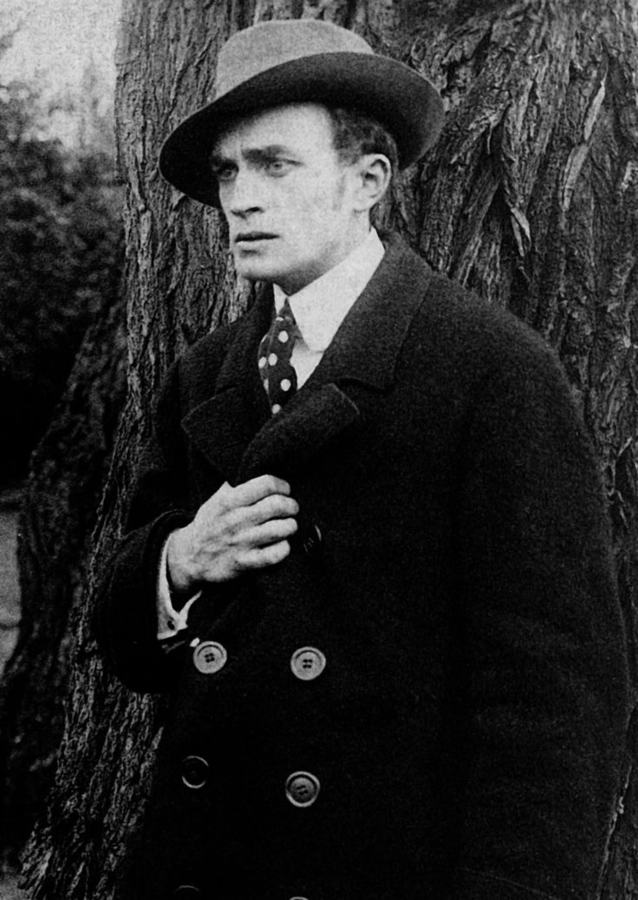
The use of the dungeon as a metaphor for the subconscious is handled with a sophistication that belies the film’s age. As the Count wanders deeper into the bowels of the castle, the editing becomes more erratic, mirroring his fractured perception. This visceral approach to storytelling can be compared to the industrial tension of Strejken, but where that film focuses on the external pressures of labor, Reinert focuses on the internal labor of maintaining one's sanity against the encroaching dark.
To watch Der Weg des Todes today is to witness the birth of a genre. It occupies a liminal space between the Gothic literature of the 19th century and the cinematic horrors of the 20th. It lacks the overt propaganda of The Battle Cry of Peace, opting instead for a more universal, and thus more terrifying, exploration of human fragility. The Count’s struggle is the struggle of any soul caught in the gears of an inexorable fate, a theme that resonates with the rugged fatalism of The Strength of Donald McKenzie.
Furthermore, the film’s portrayal of the aristocracy is deeply cynical. The castle, a symbol of power and lineage, becomes a tomb. This subversion of the 'happy home' found in Armstrong's Wife or the romanticized rural life of Far from the Madding Crowd serves as a critique of the ossified structures of pre-war Europe. The Count is not just haunted by a man; he is haunted by the very foundations of his social standing.
Reinert’s pacing is deliberate, almost agonizingly so. He allows the camera to linger on the cold surfaces of the castle, forcing the viewer to inhabit the space alongside the characters. This isn't the rapid-fire action of The Spoilers; it is a slow-motion car crash of the psyche. Every frame is meticulously composed to heighten the sense of entrapment. Even the scenes in the 'outside' world feel constricted, as if the castle’s influence extends far beyond its physical walls, much like the pervasive gloom in Alone in New York.
The script, penned by Reinert himself, avoids the pitfalls of excessive intertitles. He trusts his actors and his director of photography to convey the narrative through visual cues. The 'stranger' is often glimpsed in reflections or through half-open doors, a technique that creates a sense of omnipresence. This visual shorthand is far more effective than any dialogue could be, establishing a mood of pervasive paranoia that persists long after the final frame.
Ultimately, Der Weg des Todes stands as a towering achievement of early cinema. It is a film that demands to be felt rather than merely watched. It challenges the viewer to confront the dungeons within their own minds, using the medium of film to explore the darkest corners of the human experience. While it shares the moral weight of The Lords of High Decision, it surpasses it through its sheer atmospheric intensity.
For the modern cinephile, this 1917 gem is an essential piece of the puzzle. It explains where the shadows of Nosferatu came from and why the haunted house remains such a potent metaphor in our cultural consciousness. Robert Reinert did not just film a story; he captured the essence of a nightmare. In the annals of film history, this is not just a path of death, but a path toward the birth of cinematic art as we know it—dark, complex, and hauntingly beautiful.
IMDb 6.1
1919
Community
Log in to comment.