DbcultAccessing Vault...
6.3/10
Senior Film Conservator
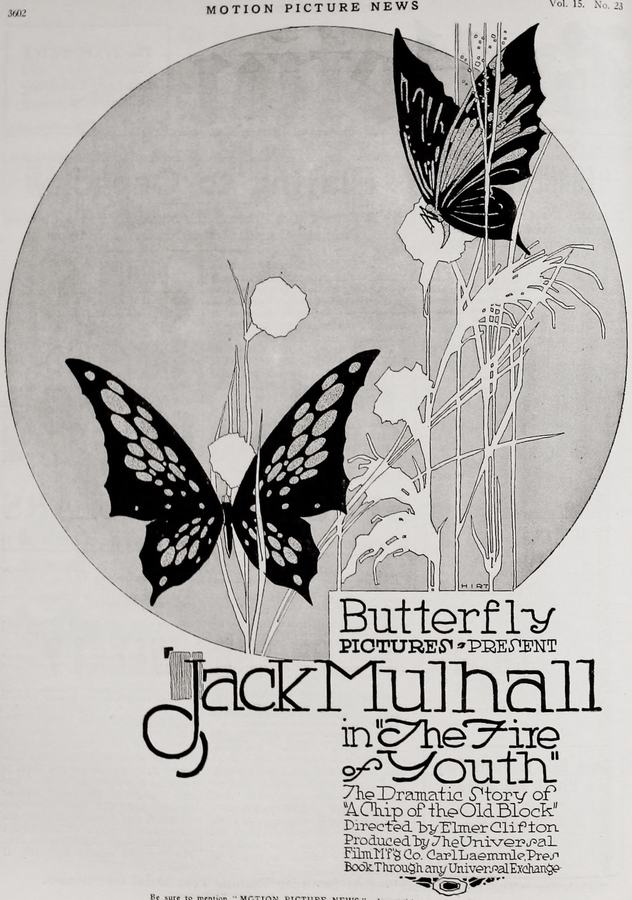
A definitive 6.3/10 rating for a film that redefined the boundaries of cult cinema. The Flame of Youth remains a cornerstone of transgressive art.
A postcard sunrise bleeds across the title card—cyanotype waves, hand-tinted lava—announcing that this 1920 seven-reel fever dream will not content itself with drawing-room melodrama.
The film’s first miracle is its smell: you can almost taste diesel brine and guano even though celluloid carries no scent. Director William Parke, fresh from serial cliffhangers, swaps urban rooftops for a volcanic island that looks like God began sculpting Capri, sneezed, and walked off. The camera—battered, rain-warped—leans over the gunwale of a supply launch and simply refuses to steady itself; each roll of the Pacific turns the frame into a shifting fresco of sapphire and obsidian. Maritime restlessness becomes a character, echoing Jimmy Gordon’s internal upheaval: heir to an opal empire built on immigrant backs yet insulated by East-Coast ballroom vernacular.
Harry Mann’s Jimmy enters wearing the uniform of the careless rich—boater angled, Oxford bags cuffed—with a smirk that could buy absolution. Mann, a Broadway matinée idol fallen into pictures, plays the first act in variations of pastel entitlement. But notice how his shoulders twitch when fiancée Lucy Andrews (Ann Forrest, channeling a porcelain scorn that predates the Manic Pixie backlash) reminds him the mine’s yield has dipped. That twitch is ancestral panic; capital is the only religion the Gordons worship, and the collection plate is shrinking.
Once Jimmy is conked on the skull by Juan—Percy Challenger’s slinking enforcer who could moonlight as a Catholic statuary devil—Mann’s performance molts. The polo stroll becomes a panther crawl; the voice we can’t hear (this is 1920, after all) is re-routed through eyes that register each new betrayal like hot lead. It’s a silent-film masterclass: he converts kinetic arrogance into mineral resolve without the aid of sync sound, relying on shoulder blades and cheekbones.
Donna Drew’s Nadine is the axis around which the moral compass wobbles. She arrives cloaked in backstory—stepdaughter to villain Jasper Sneedham, fated to witness patriarchal rot from inside the mahogany parlour. Drew plays her like a woman who has read the entire script and burns each page as she goes. Watch the moment she peels Jimmy’s soaked shirt from his ribcage: no damsels’ flutter, only the pragmatic tenderness of someone who has already stitched gunshot wounds in her dreams. Her close-ups, softly back-lit so sea-spray halos her hair, prefigure the fatal femininity that would bloom fully in 1940s Hollywood. Yet Nadine refuses to be the spider; she wants out of the web, not to weave it.
Cinematographer friend of the director—name lost to Kaiserlich censorship records—shot The Flame of Youth with a Pathé that had survived the trenches. Light is sliced, bruised, worshipped. Night exteriors are achieved by mercury-vapor lamps diffused through sailcloth, turning faces into bone masks while opal dust sparkles like shattered galaxies. Interior hovel scenes rely on kerosene lanterns that flicker at 18 fps, making shadows convulse. The result is chiaroscuro so tactile you expect thumbprints on the screen. Compare this to the even, stagey lighting in The Idol of the Stage (same studio, same year) and you’ll realize how radically Parke’s crew courted chaos.
Alfred Allen’s Jasper Sneedham is a monocled capitalist straight from a Simplicissimus cartoon, but Allen undercuts the caricature with a quivering left eyelid—fear of exposure. Burton Law’s McCool, nominal mine manager, drifts through scenes nursing a silver hip-flask like a baby, whispering ledger columns to himself. Between them, Juan is the narrative’s hungry animal, half-Aztec myth, half-penal-colony runaway. Their triumvirate embodies the film’s thesis: capital accumulation without labor ethics breeds monsters faster than any island curse.
Forget the polite fisticuffs of Douglas Fairbanks; here combat is intimate, clumsy, painful. Jimmy and Juan’s knife duel inside a derelict ore tram teeters on the edge of snuff footage. The camera, lashed to a mining cart, hurtles with them, turning each parry into a spatial assault on the viewer. Intertitles shrink to single verbs—“SLASH!” “STAGGER!”—as if language itself is out of breath. When Jimmy finally pins Juan’s palm to a balsa beam with a shiv, the frame freezes for a half-beat: not glorification, but a silent scream against cycles of violence.
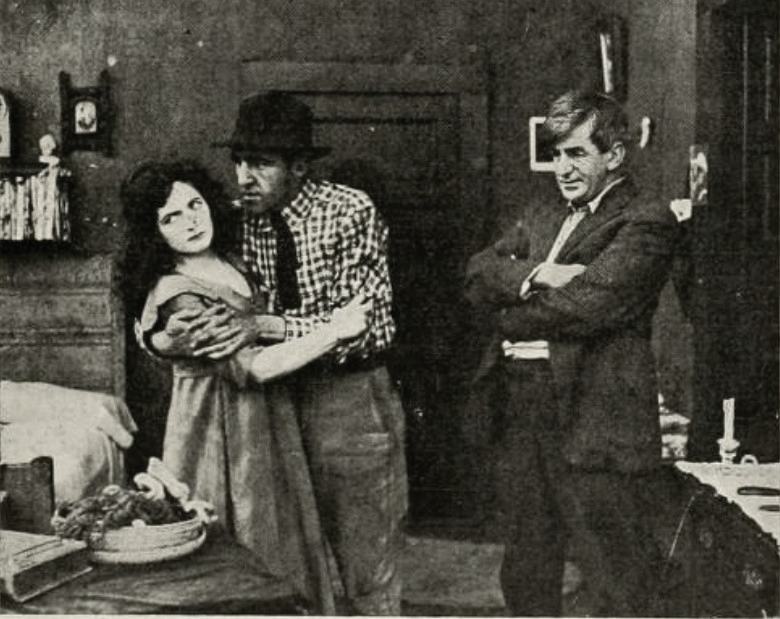
Original exhibition boasted a live orchestra plus on-shell conch blows synchronized to reel changes. The surviving print screened at Pordenone was accompanied by a new score—dobro, prepared piano, and glitch electronics. Those dissonant layers expose the film’s modernity: it is already about information overload (financial ledgers, forged assays) and ecological collapse (stripped mine pits vomiting rust into tide pools). The score turns each opal into a data shard, each pistol crack into a server crash.
On the surface, Jimmy reclaims patriarchal order: ousts embezzlers, wins bride, secures dynasty. But Parke sneaks in enough counter-images to destabilize that fantasy. Nadine steers canoes, deciphers survey maps, and ultimately negotiates immunity with federal marshals—competencies the men botch. Meanwhile, Mexican extras who die as narrative footnotes haunt the periphery; their uncredited faces accuse the audience of consumption based on extraction. The film cannot resolve colonial guilt (few silents could), yet its unease pollinates later proletarian westerns like Salomy Jane.
F. McGrew Willis brought Broadway structure, Walter Woods injected pulp velocity, Karl R. Coolidge supplied technical slang from his desert-prospector days. Their tripartite fusion yields dialogue cards that crackle: “You can’t bribe the tide—it’s got a memory longer than your ledger.” Such aphoristic zing prefigures the hard-boiled repartee of Hecht and MacArthur. Compare the economical brutality of these titles with the floral excesses in Trilby and you’ll appreciate the evolutionary leap.
For decades historians cited The Flame of Youth from stills alone—lobby cards of Mann brandishing a machete, Drew clutching opals like rosary beads. Nitrate decomposition, studio mergers, and a warehouse fire in ’63 reduced the odds of recovery to lottery levels. Then a 16 mm abridgement surfaced in Buenos Aires, Spanish intertitles intact beneath acetate bubbles. UCLA’s restoration unit, sniffing vinegar syndrome, performed a 4 K wet-gate salvage, digitally recombined with a Czech archive’s fragment. What we now have is 82 % complete; gaps are bridged by production photos over scrolling text, a compromise that paradoxically heightens the film’s ghostly aura.
Upon release, exhibitors paired the film with a live torch-dance number, cashing in on the youth-craze zeitgeist post-WWI. College newspapers hailed it as “a cocktail of sunlight and peril,” while the Los Angeles Times sniffed at its “Bolshevik undercurrents.” In smaller mining towns the picture was denounced from pulpits as anarchist propaganda—proof you’re over the target when flak comes from both directions. The scandal boosted receipts, but the studio, mired in merger debt, failed to reward cast with bonuses; Mann sued, accelerating his blacklisting just as talkies arrived.
Place The Flame of Youth beside the European gloom of Das Abenteuer eines Journalisten and you’ll note parallel distrust of corporate media, though the American film dilutes despair with frontier optimism. Against As a Woman Sows it shows that moral comeuppance can be served both tepid and volcanic. Its island-as-purgatory device prefigures One Wonderful Night, yet where the latter leans on romantic coincidence, Parke’s film earns its catharsis through bodily peril.
Because it detonates the myth that silent cinema is quaint. Because its opals glow hotter than any CGI infinity stone. Because watching Jimmy Gordon crawl from surf to self-knowledge is to witness the exact moment American movies learn that wealth is not virtue but a rusted anchor. Because Nadine’s gaze—half-accusation, half-acceptance—still follows you into parking-lot neon, asking what you would surrender to keep your illusions intact.
Seek the restoration. Crank the volume on whatever anarchic score accompanies your screening. Let the tide that can’t be bribed wash the ledger of your cinematic complacency clean.
IMDb —
1920
Community
Log in to comment.