DbcultAccessing Vault...
7/10
Senior Film Conservator
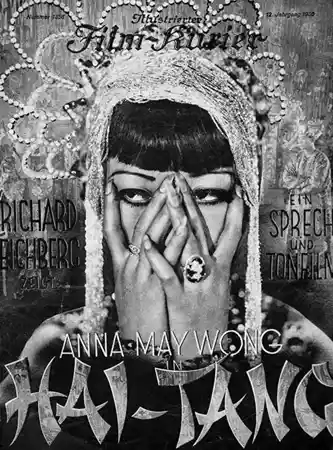
A definitive 7/10 rating for a film that redefined the boundaries of cult cinema. Der Weg zur Schande remains a cornerstone of transgressive art.
Alright, so, 'Der Weg zur Schande' (that's 'The Road to Shame' for us non-German speakers) isn't exactly a Saturday night popcorn flick for everyone. But if you're into old movies, especially silent films from the 20s, or you're just curious about Anna May Wong's early work, then yeah, it's worth checking out. Anyone expecting explosions or snappy dialogue will probably find it a bit slow. But for those who appreciate a good, old-fashioned melodrama with some real visual flair, you'll probably dig it. 🎭
This film, from way back in 1927, really tries to get under your skin. It follows a young artist, Franz, played by Francis Lederer, who’s living this pretty conventional life in Berlin. Then he meets this woman, Mi, portrayed by Anna May Wong, and everything just… shifts for him. Their love story is the core, but it’s always bumping up against a very unforgiving society.
What struck me first was just how intense Anna May Wong is on screen. She doesn't have a ton of lines, obviously, being a silent film, but her eyes, the way she moves, it all just tells you so much. There's this one scene, pretty early on, where she’s just sitting there, watching Franz from across a crowded room. You can practically feel the weight of her gaze, this mix of longing and maybe a little bit of resignation. It’s really something.
Francis Lederer, as Franz, does a good job too, though sometimes his dramatic gestures feel a touch… *much*. It's a silent film thing, for sure. But when he’s wrestling with his conscience, you can really see it in his face. His struggle to choose between Mi and his more 'acceptable' life, it felt pretty genuine, you know?
The pacing here is definitely not what we're used to. Some scenes linger a long time, like the camera just sits on a character's face for what feels like an eternity. But then other moments, especially when the gossip starts flying around town, they cut quite quickly, building this sense of panic and claustrophobia. It's a neat trick.
I found myself really appreciating the sets and the lighting. German cinema from this period often had a real knack for visual storytelling, and 'Der Weg zur Schande' is no exception. There’s a scene set in a dingy back alley – super moody. The shadows are just *perfect* there, making everything feel a bit sinister, a bit dangerous. It really sells the idea that Franz and Mi’s love exists in the 'darker' corners of society.
One small thing I noticed, which probably isn't a huge deal but stuck with me: in one of the party scenes, there’s this extra in the background, just to the left of frame, who keeps looking directly into the camera. Like, for a good few seconds. It’s kinda funny and pulls you out of it just a little bit. 😂 A tiny blip, but it happens.
The movie really leans into the melodramatic. The title cards are often very blunt, sometimes almost poetic, other times just stating the obvious. There’s one that says something like, “The whispers began, like a disease spreading through the city.” A bit on the nose, sure, but it gets the point across. You can almost feel the movie trying to convince you this moment matters, and usually, it does.
Ultimately, 'Der Weg zur Schande' is a stark reminder of how tough things could be for people who didn't fit in, especially with different racial backgrounds mixing. The societal pressure on Franz is palpable, almost suffocating. It's not a subtle film in its messaging, but it doesn't need to be. The raw emotion, especially from Wong, makes it quite effective.
It's not a perfect movie. Sometimes the plot twists feel a little bit forced, like they needed to amp up the 'shame' aspect even more. But the core performances, and the sheer historical weight of seeing actors like Anna May Wong in such a challenging role, make it more than just a dusty old film. It feels quite relevant, in a weird way, even today.
IMDb —
1919
Community
Log in to comment.