A definitive 5.8/10 rating for a film that redefined the boundaries of cult cinema. The Fair Co-Ed remains a cornerstone of transgressive art.
Is The Fair Co-Ed worth watching today? Short answer: yes, but with significant caveats. This 1927 silent romantic comedy, starring the effervescent Marion Davies, offers a delightful glimpse into a bygone era of filmmaking, yet its narrative simplicity and period-specific humor might test the patience of modern viewers.
It’s a film best suited for silent cinema enthusiasts, film historians, and anyone with an appreciation for the unique charisma of Marion Davies. If you prefer fast-paced plots, complex character arcs, or dialogue-driven humor, this might not be your ideal viewing experience. It works. But it’s flawed.
The Enduring Appeal of a Silent Star
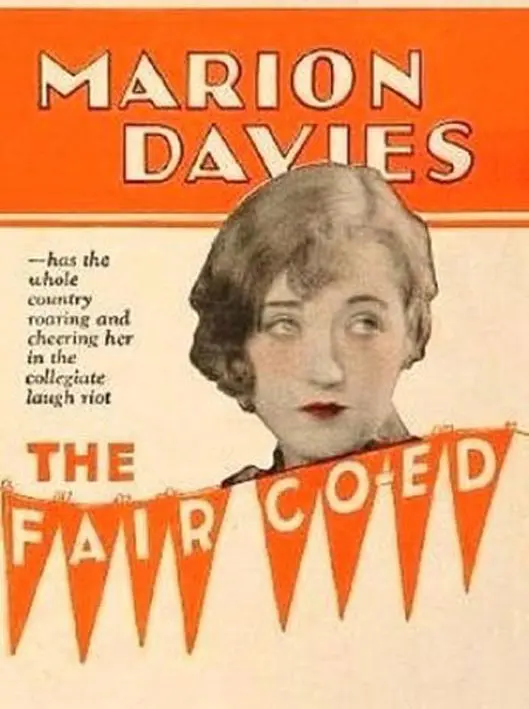
Before delving into the specifics, let's establish a foundational truth about The Fair Co-Ed: its primary, almost singular, draw is Marion Davies. Often overshadowed by her relationship with William Randolph Hearst, Davies was a formidable talent in her own right, a comedic powerhouse whose physical grace and expressive face transcended the limitations of the silent medium. This film serves as a vibrant testament to her star power.
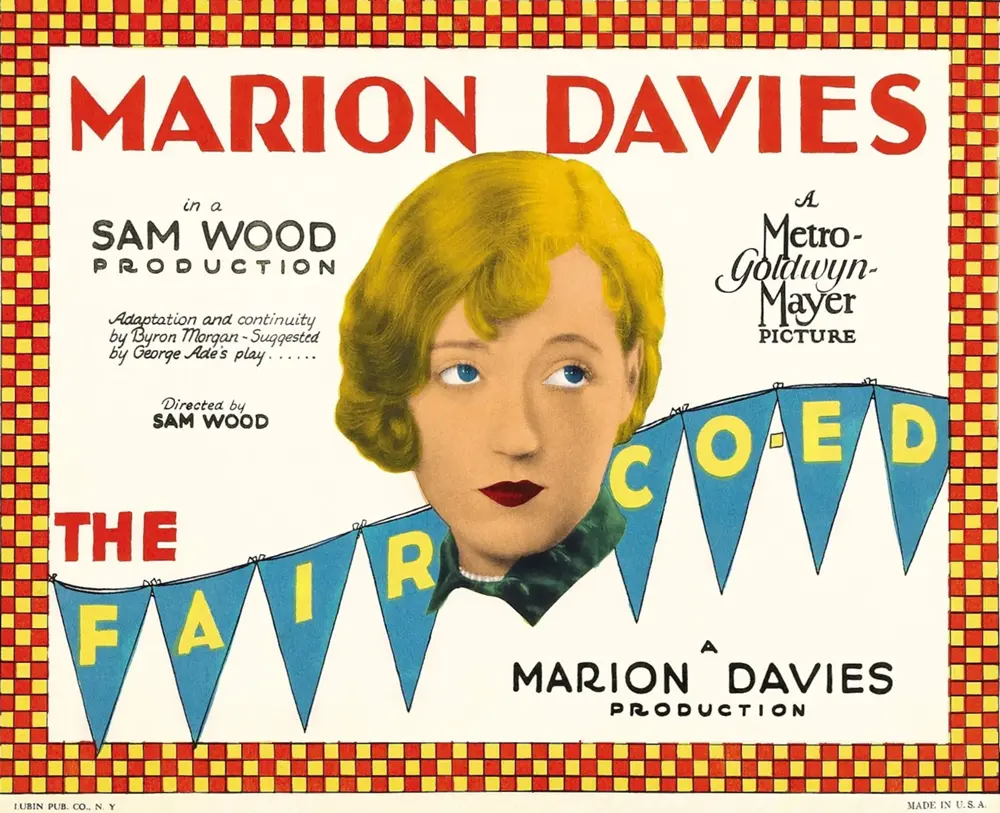
Scene from The Fair Co-Ed
Cinematic perspective: Exploring the visual vocabulary of The Fair Co-Ed (1927) through its definitive frames.
Let’s be clear about the film's core strengths and weaknesses. The direct answer block is crucial here:
This film works because: Marion Davies' captivating performance and physical comedy elevate a simple premise into genuinely charming entertainment.
This film fails because: Its plot is thin, often relying on contrivance, and its pacing can feel sluggish to contemporary audiences.
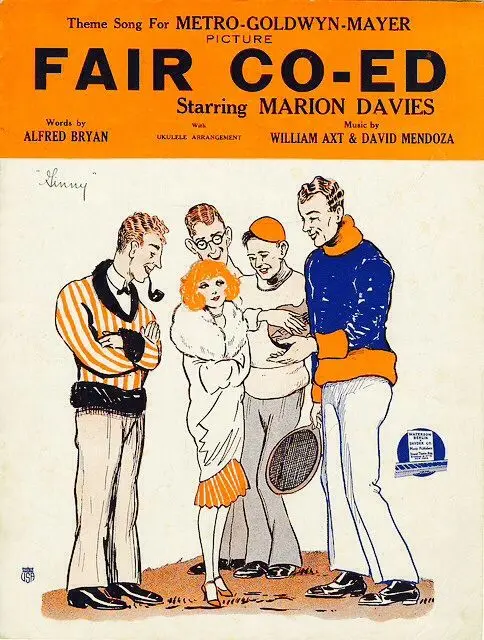
Scene from The Fair Co-Ed
Cinematic perspective: Exploring the visual vocabulary of The Fair Co-Ed (1927) through its definitive frames.
You should watch it if: You have an appreciation for silent film, a love for classic Hollywood stars, or a curiosity about 1920s collegiate life and humor.
The Fair Co-Ed, directed by Sam Wood, arrives from an era where cinematic storytelling was still evolving, often prioritizing spectacle and star presence over intricate narrative complexity. What it lacks in sophisticated plotting, it attempts to compensate for with Davies’ undeniable charm and a lighthearted, often farcical, tone.
A Plot of Unexpected Dribbles and Drives
The narrative, adapted from a George Ade story, is straightforward to a fault. Marion (Davies) enrolls in college not for academics, but to pursue a handsome young man, Bob (Johnny Mack Brown). The twist, which forms the comedic backbone of the film, is that Bob turns out to be the women’s basketball coach. Marion, predictably, decides that excelling at basketball is her fastest route to his affections, despite her initial lack of athletic prowess.
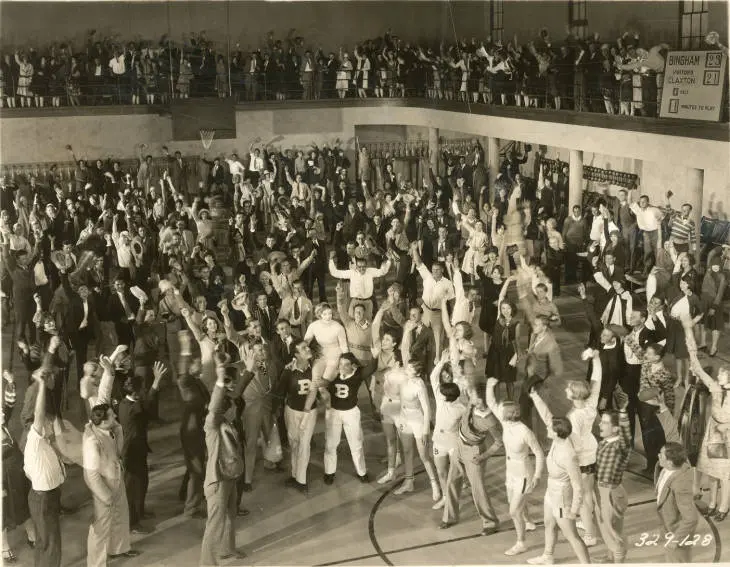
Scene from The Fair Co-Ed
Cinematic perspective: Exploring the visual vocabulary of The Fair Co-Ed (1927) through its definitive frames.
This premise, while quaint, allows for a series of comedic situations centered around Marion’s clumsy attempts at sports and her eventual, almost unbelievable, transformation into a star player. The film never takes itself too seriously, which is its saving grace. It’s less about the sport and more about the romantic pursuit, framed by the then-novel setting of a women’s college sports team.
One unconventional observation is how the film treats the 'basketball' aspect. It’s almost a MacGuffin. The actual games are depicted with a charming, almost balletic absurdity, clearly designed to showcase Davies' physical comedy rather than any realistic athletic endeavor. This isn't a sports drama; it's a romantic farce donning a jersey.
The love triangle, or rather, the love line, is uncomplicated. Bob is initially oblivious, Marion is singularly focused, and other suitors are largely background noise. This simplicity allows the audience to fully invest in Davies' journey, even if the journey itself is predictable. It's a formula that worked for many silent comedies, relying on character and situation rather than intricate reveals.
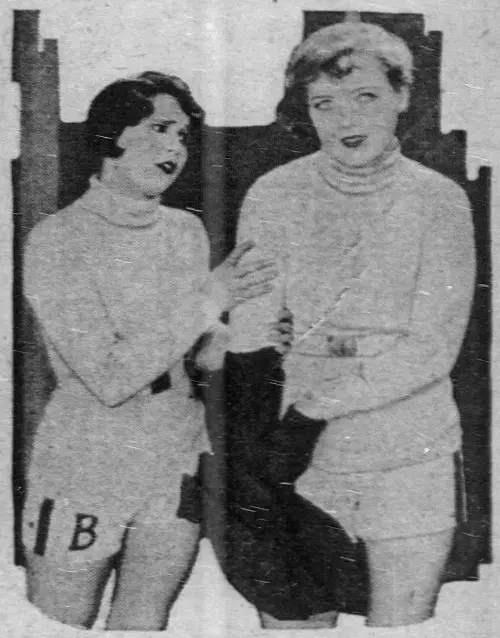
Scene from The Fair Co-Ed
Cinematic perspective: Exploring the visual vocabulary of The Fair Co-Ed (1927) through its definitive frames.
Performances That Speak Volumes Without Words
Marion Davies is, without hyperbole, the reason this film endures. Her performance as Marion is a masterclass in silent comedic acting. She possesses an incredible range, from wide-eyed innocence to mischievous determination, often conveyed through subtle shifts in facial expression or broad physical gags.
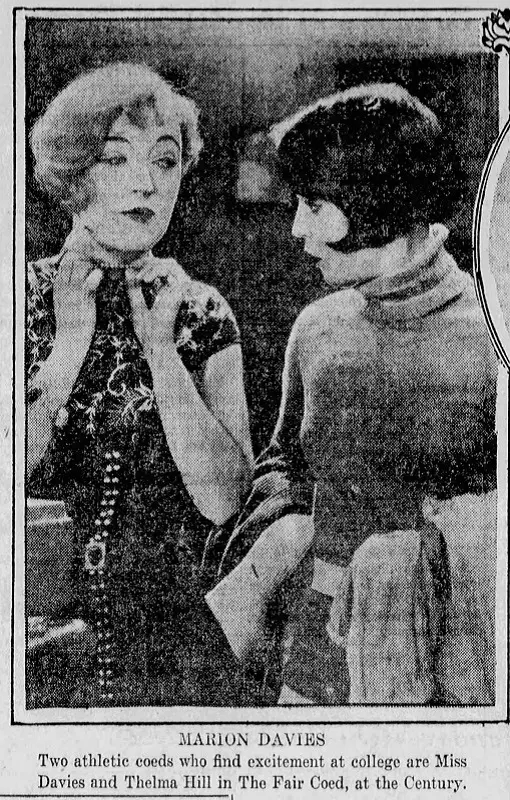
Consider the scene where she first attempts basketball. Davies doesn't just feign clumsiness; she embodies it with an exaggerated, yet utterly convincing, lack of coordination that elicits genuine laughter. Her pratfalls are timed perfectly, her expressions of frustration or triumph are crystal clear. It's a testament to her skill that even without dialogue, her character's motivations and emotions are never in doubt.
Johnny Mack Brown, as Coach Bob, plays the handsome, earnest, and somewhat dense romantic lead with a pleasant stoicism. He’s the ideal foil for Davies’ vivacity, providing a grounded presence against her more flamboyant antics. Their chemistry, though largely unspoken, is palpable, driven by Davies’ relentless pursuit and Brown’s gradual awakening.
Scene from The Fair Co-Ed
Cinematic perspective: Exploring the visual vocabulary of The Fair Co-Ed (1927) through its definitive frames.
The supporting cast, including Isabel Sheridan and Mitzi Cummings as fellow students, fulfill their roles adequately, providing reactions and context for Marion's escapades. While no individual performance truly stands out beyond Davies, the ensemble contributes to the film's light, collegiate atmosphere. The film, much like Some Cave Man or The Dawn of Love from the same era, relies heavily on the lead's ability to carry the emotional and comedic weight.
Directorial Finesse and Cinematographic Flair
Sam Wood's direction is competent, if not groundbreaking. He understands how to frame Davies to maximize her comedic impact, often using medium shots that allow her full body language to tell the story. The pacing of the film, while slow by modern standards, is typical for its era, allowing moments to breathe and gags to land.
The cinematography by Ira H. Morgan is solid, capturing the collegiate setting with a clean, well-lit aesthetic. There are no grand, sweeping shots or experimental techniques, but rather a focus on clarity and character visibility. The indoor sets feel authentic, and the outdoor scenes convey a sense of youthful energy. One particular moment that sticks is a sequence of quick cuts during a basketball game, designed to heighten the excitement, a subtle nod to developing editing techniques of the period.
The tone is consistently light and frothy, never veering into genuine drama or deep emotional conflict. It's pure escapism, a charming diversion intended to entertain and delight, much like many silent romantic comedies of the 1920s such as The Love Swindle.
Is This Film Worth Watching Today?
Yes, The Fair Co-Ed is worth watching today, especially for specific audiences. It’s an important piece of silent film history, showcasing the incredible talent of Marion Davies. It offers a window into the humor and sensibilities of the 1920s. However, be prepared for a slower pace and a narrative that prioritizes charm over complexity. It is not for those seeking a modern, fast-paced, or deeply thought-provoking cinematic experience.
Pros and Cons
Pros:
Marion Davies' Stellar Performance: Her comedic timing and expressive acting are truly exceptional.
Charming Period Piece: Offers a delightful look at 1920s college life and silent film conventions.
Lighthearted and Fun: A genuinely sweet and often funny romantic comedy.
Historical Significance: An important film in Davies' filmography and silent cinema.
Cons:
Thin Plot: The narrative is very simple and predictable, lacking depth.
Dated Pacing: Can feel slow for audiences accustomed to modern film speeds.
Limited Character Development: Most characters, save for Marion, are rather one-dimensional.
Repetitive Gags: Some comedic bits are stretched a little thin.
Key Takeaways
Best for: Silent film aficionados, Marion Davies fans, and those interested in early cinematic portrayals of collegiate life.
Not for: Viewers who demand complex narratives, rapid pacing, or modern comedic sensibilities.
Standout element: Marion Davies' physical comedy and magnetic screen presence. She truly lights up every frame she’s in.
Biggest flaw: The overly simplistic plot, which often feels like a mere vehicle for its star rather than a compelling story in its own right.
Verdict
The Fair Co-Ed isn't a forgotten masterpiece, nor is it a film that will revolutionize your understanding of cinema. What it is, however, is a thoroughly enjoyable, if somewhat dated, silent comedy buoyed almost entirely by the extraordinary talent of Marion Davies. It's a film that asks little of its audience beyond an open mind and an appreciation for the era it represents.
My take is this: if you approach it with the right expectations – as a charming relic, a showcase for a brilliant silent star – you'll find much to appreciate. Davies’ performance alone makes it worth the effort, offering a glimpse into why she was considered one of Hollywood’s brightest lights. It's a delightful piece of cinematic history, a quiet testament to the power of a performer who could make an entire audience laugh without uttering a single word. Give it a shot, but understand you're stepping back in time, not forward.